Understanding Histograms: A Comprehensive Guide for Finance and Investment Professionals

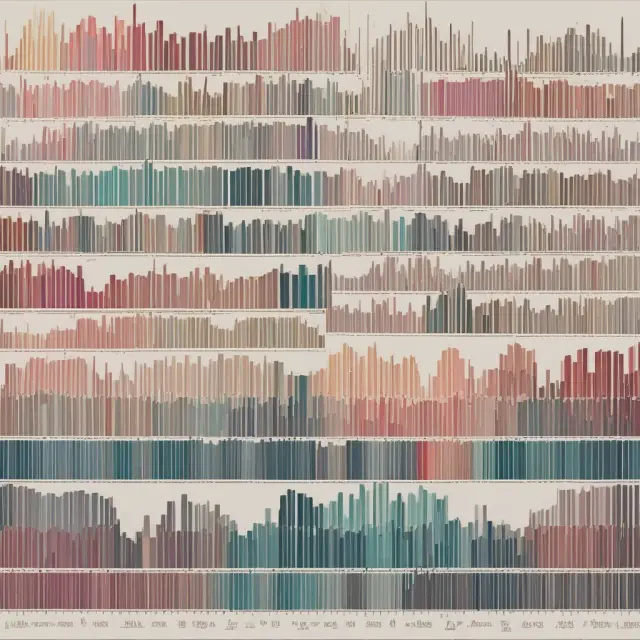
A histogram is a chart of how numerical data are distributed: the range of values is split into bins, usually of equal width, and each bar's height shows the count or share of observations in that bin. Analysts use it to see the center, spread, skew and outliers of data such as investment returns.
Introduction to Histograms: Definition, Key Concepts, and Uses
A histogram is an essential graphical representation used in finance and investment to understand data by organizing it into user-defined ranges or bins. Similar to a bar chart, histograms condense large amounts of data into an easily interpreted visual form. These graphs help investors and financial analysts identify patterns and trends within their datasets, providing valuable insights for decision making.
Definition: A histogram is a graphical representation that groups continuous data into discrete intervals, referred to as bins or classes. Each bin’s width represents the range of values it covers, while the height of the resulting column corresponds to the number or percentage of occurrences within the interval.
Key Concepts: Frequency Distribution and Column Representation
Histograms are used primarily for analyzing continuous data, displaying frequency distribution – a statistical measure that illustrates the number or proportion of observations falling into each interval. By grouping this data into columns, we obtain valuable insights about the nature of the data distribution.
Uses in Finance and Investment:
Histograms have numerous applications within finance and investment. For example, they can be employed to analyze stock price movements, identify trends in financial time series, or assess risk levels in investment portfolios. Furthermore, histograms help in understanding the distribution of various financial variables, such as interest rates, asset prices, and returns.
Intraday stock price histograms can reveal essential insights about a stock’s price action during a trading day. These histograms show how frequently specific price levels are visited throughout the day, providing context for potential support and resistance levels. Moreover, they help investors analyze volatility patterns and detect trends in trading activity.
Histograms also play an essential role in risk management and portfolio optimization. By analyzing the distribution of asset returns, investors can assess their portfolio’s overall risk profile and identify areas where diversification may be required. Additionally, histograms help in evaluating individual securities and identifying potential investments based on their risk-return characteristics.
Histograms are also used as technical indicators in trading and charting tools, with the MACD (Moving Average Convergence Divergence) histogram being a popular example. The MACD histogram measures the difference between two moving averages and helps traders identify trend reversals and momentum shifts in financial instruments.
In conclusion, histograms serve as an indispensable tool for finance and investment professionals, providing valuable insights into data distribution, trends, and risk management. By understanding their definition, key concepts, and various applications, investors can enhance their decision-making abilities and achieve better outcomes in a wide range of financial contexts.

Creating a Histogram: Methodology, Tools, and Techniques
A histogram is an effective tool for visualizing continuous data distributions through the use of bars representing the frequency or percentage of data points within defined intervals, often referred to as bins. To create a histogram, follow these methodologies and utilize various tools:
1. Choose Data: Select numerical data that represents a continuous variable, such as stock prices or age ranges, for histogram analysis. Ensure your data is cleaned and sorted before proceeding.
2. Define Intervals (Bins): Determine the number of intervals or bins to use based on the data distribution and desired level of detail. For example, using smaller bins may reveal more nuanced patterns but increase computational complexity. Conversely, larger bins simplify analysis but risk obscuring important details.
3. Set Bin Edges: Define the boundaries of each bin or interval by determining the minimum and maximum values for each range.
4. Count Frequency: Calculate the number of data points that fall within each interval or bin. This frequency count will be used to create the height of each bar in the histogram.
5. Create Histogram Using Software: Utilize software tools like Microsoft Excel, R, or Python for generating a histogram based on your defined data and bins.
a) In Microsoft Excel: Access the Histogram tool within the Data Analysis menu to generate a basic histogram from a dataset. Customize settings as needed, including bin range, number of bins, chart location, and appearance.
b) In R: Use the ‘hist()’ function in R to create a histogram for a given dataset and specify the number of bins desired.
c) In Python: Utilize libraries such as NumPy or Seaborn to generate histograms using functions like ‘np.hist()’ or ‘sns.histplot().’ Customize appearance and settings according to your preferences.
6. Analyze Histogram Data: Interpret the resulting histogram visualization to gain insights into the distribution, central tendency, and outliers in your data.
By following these steps and techniques, you can effectively create and analyze histograms using a variety of tools and methodologies.
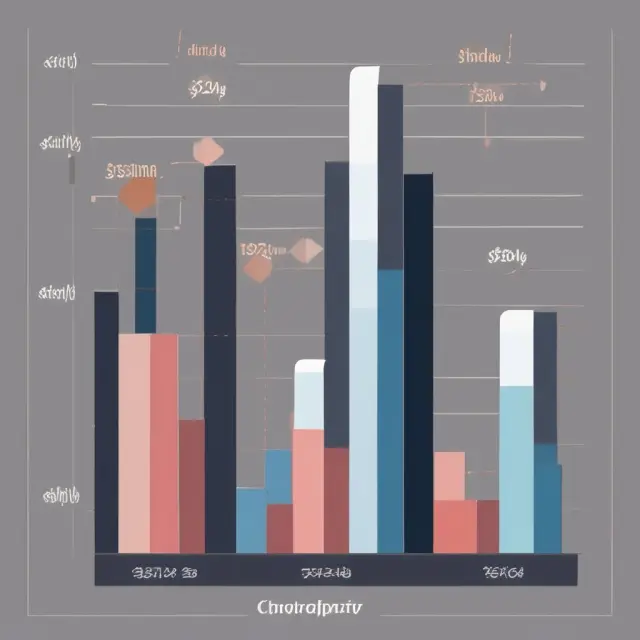
Histograms vs. Bar Charts: Differences and Comparisons
Histograms and bar charts are two popular visual tools used in finance, data analysis, and investment sectors to represent data sets. While they share some similarities, these graphical representations have distinct differences that cater to various requirements. In this section, we’ll discuss the primary differences between histograms and bar charts, their unique features, and situations where each is most appropriate.
First, let’s define both terms: a histogram is a chart depicting data distribution through grouped intervals or bins (columns), while a bar chart is an arrangement of rectangular bars with equal heights, representing categorical data.
One of the primary differences between histograms and bar charts lies in their dimensions. Histograms represent continuous numerical data by dividing it into bins and plotting columns based on the frequencies or percentages within each bin. In contrast, bar charts are used to compare discrete, non-numerical, or categorical variables with constant width bars representing different categories’ values or counts.
Let’s explore some visual differences:
1. Axes:
Histogram axes represent frequency on the y-axis and grouped intervals (bins) on the x-axis. The height of each column shows the number of data points within a specific bin, whereas bar chart axes display values or quantities along both axes (categorical variables on the x-axis and their respective measures on the y-axis).
2. Overlapping Bars:
Histograms don’t have overlapping bars as each column represents data points in a unique interval, while bar charts may have overlapping bars depending on the purpose or when comparing multiple categories within one chart.
3. Distance between Columns:
The distance between histogram columns is not fixed like that of bar charts. In histograms, the width of columns depends on the width of the bins, whereas in bar charts, column width remains constant for all bars.
Now that we have an understanding of the differences between histograms and bar charts let’s look at when to use each one:
1. Histograms:
Use histograms when your objective is to:
– Investigate the distribution of continuous data, such as ages, weights, or stock prices
– Identify patterns, trends, and outliers in your data set
– Analyze a large dataset to discover underlying information
– Compare distributions between different groups by overlaying multiple histograms
2. Bar Charts:
Use bar charts when you want to compare quantities or discrete categories:
– Visualize differences between categorical variables, such as sales figures, product categories, or stock performance in various sectors
– Make it easy for viewers to quickly compare values across different bars
– Present data that doesn’t need complex statistical analysis
In conclusion, histograms and bar charts serve distinct purposes in finance, investment, and data analysis. Understanding their differences and the unique applications of each will help you make informed decisions when creating visual representations of your data.
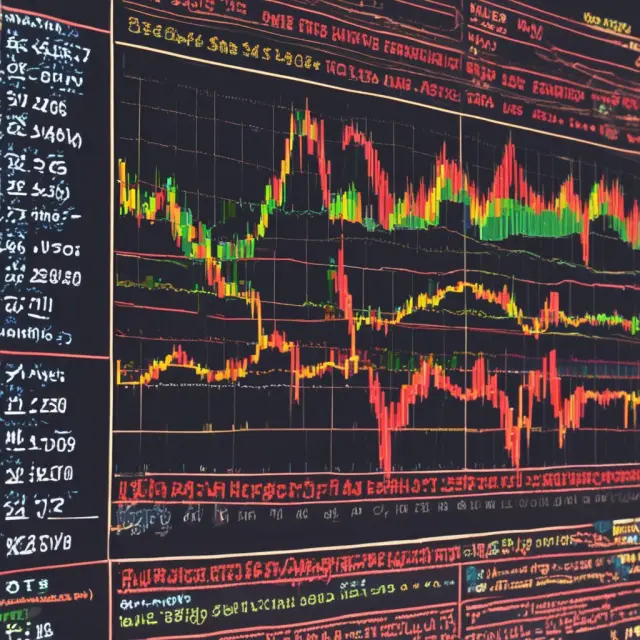
Histograms in Trading: Applications and Significance
Histograms have gained popularity among traders as an effective tool for visualizing trends, identifying momentum changes, and analyzing market data. Among the various types of histograms, the most commonly used is the Moving Average Convergence Divergence (MACD) histogram. In this section, we will discuss the significance of histograms in trading, focusing on their applications as a technical indicator and the advantages they offer over traditional moving averages.
Applications of Histograms in Trading
Histograms have proven valuable for traders seeking to gain insights into market trends and momentum shifts. A popular application is the MACD histogram, which shows the difference between two exponential moving averages (EMAs), namely the 12-day and 26-day EMAs. The resulting histogram columns represent the difference between these two averages, providing valuable information on market momentum.
Significance of MACD Histograms
MACD histograms offer several advantages over traditional moving averages:
- Early entry signals: Histograms can provide earlier buy and sell signals than traditional moving averages due to their ability to detect momentum changes before a crossover occurs between the MACD line and signal line.
- Improved accuracy: By focusing on the difference between two moving averages, histograms can offer more accurate indications of market trends compared to relying solely on individual moving averages.
- Enhanced visualization: Histograms offer a clearer representation of the relationship between different moving averages and price action than traditional moving average charts alone.
Advantages of MACD Histograms Over Traditional Moving Averages
Histograms’ advantages over traditional moving averages stem from their ability to display momentum changes more effectively and provide earlier buy/sell signals:
- Earlier entry signals: Since histogram columns indicate the difference between two moving averages, they can alert traders of potential trend reversals or continuations before a crossover occurs between the MACD line and signal line.
- Enhanced visualization: Histograms enable traders to quickly identify trends by visualizing the relationship between the MACD line and signal line more effectively than traditional moving average charts alone.
- Improved accuracy: By focusing on momentum changes, histograms can offer more precise buy and sell signals than relying solely on traditional moving averages.
In conclusion, histograms have proven to be essential tools for traders seeking to gain insights into market trends and momentum shifts. Among the various types of histograms, the MACD histogram is widely used due to its ability to provide earlier entry signals, improved accuracy, and enhanced visualization capabilities over traditional moving averages.
As a responsible financial content creator, it’s important to remember that no financial tool can guarantee success in trading or investing. Histograms should be used as part of a well-diversified investment strategy, and traders should always be aware of the inherent risks involved. Additionally, proper risk management practices should be employed to minimize potential losses.

Customizing Histograms: Interval Selection, Axis Scaling, and Other Customizations
When visualizing data using histograms, customization is essential to ensure the accuracy and effectiveness of the analysis. Two primary aspects of a histogram that can be customized are interval selection and axis scaling. These customizations allow for more accurate and targeted representations of data distributions.
Interval Selection: Interval selection refers to choosing the width or size of the bins that define the histogram’s columns. The choice of bin width influences how many columns there will be in the histogram and how fine-grained or coarse its representation is. For example, if you have a dataset containing information on the age distribution of employees at a company, you may choose to set the bin width at 5 years for the histogram (i.e., 0-5, 6-10, 11-15, etc.). This will result in fewer, wider columns but may not capture subtle variations in age distribution. Alternatively, setting the bin width at 1 year (i.e., 0-1, 1-2, 2-3, etc.) will result in more columns with narrower widths and a more detailed representation of the data.
Axis Scaling: Axis scaling refers to determining how the horizontal and vertical axes are displayed on the histogram. By default, the frequency or count is shown on the vertical axis, but other options include percentage, density, and normal distribution probabilities. The choice of axis scaling depends on the specific goals and objectives of your analysis. For instance, if you want to compare the relative proportions of different age groups among two distinct populations, displaying the histogram with percentage axes will help you do so effectively.
Additional Customizations: Beyond interval selection and axis scaling, several other customization options exist for histograms that can enhance their usefulness in financial and investment analysis. These include color schemes, labeling, and advanced statistical features like kernel density estimation and smoothing techniques to create more visually appealing or detailed representations of the data distribution.
Histograms play a crucial role in finance and investment, enabling professionals to visualize complex data distributions and understand patterns and trends that are difficult to discern through traditional spreadsheet analysis alone. By customizing histograms with appropriate interval selection, axis scaling, and other features, investors can gain valuable insights into risk management, portfolio optimization, and market analysis.

Interpreting Histogram Data: Key Insights and Patterns
Histograms are an essential tool for analyzing distributions within financial data sets, providing valuable insights into the frequency of occurrences across various ranges. By examining histogram patterns, investors and traders can gain a deeper understanding of their data, identify trends, and make informed decisions based on the distribution of key variables.
Histograms represent data points as columns along the horizontal x-axis, with the vertical y-axis reflecting the number of occurrences or percentage within each column. The width of the columns determines the range size, which can be customized according to specific requirements.
One primary advantage of using histograms is their ability to help identify skewness in a data set. Skewed distributions, such as positively or negatively skewed data, display non-symmetrical shapes, making it easier for analysts to detect any underlying trends or outliers within the data. For instance, a left-skewed distribution may indicate that a significant percentage of observations falls below the mean, while a right-skewed distribution displays a majority of the data points above the mean.
Another key insight gained from histogram analysis is the identification of normal distributions. A normal distribution features a symmetrical bell curve shape, with most data points clustered around the mean, and relatively few falling at the extremes. Recognizing a normal distribution can help investors better assess risk and establish benchmarks for portfolio management strategies.
Furthermore, histograms can also be used to understand the relationship between various variables by comparing their distributions side-by-side or overlaying them on top of one another. This comparison allows traders and investors to identify correlations, trends, and potential anomalies within complex datasets that might not be immediately apparent through other analysis methods.
To effectively interpret histogram data, it’s essential to understand the context of the data being analyzed and the specific goals of your investment strategy. For instance, a trader focusing on short-term price movements may use histograms to identify momentum trends in market data, while an investor evaluating long-term asset performance might rely on histograms to assess risk distribution within their portfolio.
In conclusion, interpreting histogram data is a crucial aspect of financial analysis that can provide valuable insights into the underlying patterns and distributions of various data sets. By understanding common trends, skewness, normal distributions, and correlations revealed through histogram analysis, traders and investors can make more informed decisions and gain an edge in the competitive finance industry.
Histogram Limitations: Drawbacks and Challenges
Although histograms provide significant insights into data distributions, they come with inherent limitations. One essential limitation is the inability to represent relationships between variables, which can be crucial in complex financial scenarios.
Histograms are designed primarily for univariate analysis, meaning they only depict the distribution of a single variable within a dataset. When investigating multi-variable financial data, this limitation becomes more apparent. Histograms do not directly convey any relationship or correlation between variables, making it necessary to use other statistical tools in conjunction with histograms for comprehensive analysis.
Another potential issue with histograms is the possibility of misinterpretation due to improper interpretation of histogram data. Misinterpretations can stem from various factors, including incorrectly labeling axes, selecting inappropriate bin sizes, or misunderstanding the meaning of specific histogram features (such as outliers). For instance, an analyst might overlook important trends in data if they select a histogram with insufficient bin widths.
Additionally, histograms are not always suitable for representing continuous data with skewed distributions due to their rectangular shape. Skewed distributions can lead to misleading interpretations of the data when visualized using histograms. In such cases, other graphical methods like box plots or stem-and-leaf plots can be more appropriate for displaying the data’s distribution patterns accurately.
Moreover, histograms may not offer a clear representation of data at specific intervals or values within the dataset due to their aggregated nature. In some situations, financial professionals might require a more granular understanding of specific data points or ranges. For such cases, using density plots instead of histograms can help overcome this limitation by providing a smoothed representation of data distributions at varying levels of detail.
Despite these limitations, histograms remain an essential tool for finance and investment professionals due to their ability to provide valuable insights into data distribution patterns and trends. Awareness of the potential drawbacks and proper application can help users maximize their benefits while mitigating potential misinterpretations.

Histogram Applications: Use Cases in Finance and Investment
The versatility of histograms extends beyond statistical analysis, making them indispensable tools for finance and investment professionals. Let’s delve into several practical applications of histograms within the financial realm.
1. Risk Management: Histograms effectively demonstrate data distribution and help quantify risk in various aspects of portfolio management. In this context, histograms can illustrate distributions of returns, price movements, volatility, and other essential financial metrics to identify potential risks and opportunities.
2. Portfolio Optimization: By visualizing the distribution of asset classes or securities within a portfolio, investors can use histograms to analyze risk-reward profiles and adjust their portfolios accordingly. This approach facilitates diversification and risk mitigation while maximizing returns.
3. Market Analysis: Histograms are invaluable for market analysis, enabling traders to identify trends, patterns, and anomalies within various financial time series data. For example, the MACD histogram (Moving Average Convergence Divergence) is a popular technical indicator that provides early momentum signals by visualizing the relationship between two moving averages.
4. Time Series Analysis: Histograms can be employed to analyze time-series data in finance, revealing essential information about trends and patterns in stock prices, exchange rates, interest rates, and other financial indicators. This knowledge is crucial for informed decision-making and risk assessment.
5. Quantitative Research: In quantitative research, histograms play a vital role in evaluating large datasets and identifying significant relationships within them. By analyzing histograms of various financial metrics, researchers can develop predictive models, test hypotheses, and optimize investment strategies.
In conclusion, the power of histograms is undeniable when it comes to financial analysis. Their ability to provide insights into data distributions and reveal patterns and trends makes them an essential tool for risk managers, portfolio optimizers, market analysts, time-series analysts, and quantitative researchers alike. By harnessing the potential of histograms, professionals in the finance and investment sectors can make more informed decisions and navigate the complex financial landscape with greater confidence.
Advanced Histogram Techniques: Filtering, Regrouping, and Other Advanced Methodologies
Histograms offer an effective means of analyzing data distributions by grouping data points into bins, but their utility extends beyond simple bar charts. This section delves into advanced techniques used to extract deeper insights from histograms through filtering, regrouping, and other methodologies.
Filtering Histograms: Filtering histograms involves narrowing the focus of your analysis by limiting the data displayed within a specific range. For instance, if you’re analyzing the age distribution of a population, you might want to isolate individuals within a particular age group for further examination. By filtering the histogram data, you can easily visualize and compare the distributions within these subsets. This technique is particularly useful when dealing with large datasets or complex distributions.
Regrouping Histograms: Regrouping involves changing the size or shape of the bins used to represent the data within a histogram. For example, in a standard histogram, data might be grouped into ten-year age ranges. However, you could regroup this data to examine five-year age groups instead for more granular insights. Alternatively, you could merge adjacent bins to observe broader trends. Regrouping can be an effective tool for revealing hidden patterns and relationships within your data that might not be apparent with a standard histogram setup.
Other Advanced Histogram Techniques: In addition to filtering and regrouping, there are several other advanced methods used to gain more comprehensive insights from histograms. These include:
1. Density histograms: Density histograms represent the probability density function (PDF) of a dataset rather than its frequency distribution. Instead of counting the number of occurrences within each bin, density histograms display the relative likelihood of observing a specific value. This can be particularly useful when analyzing continuous datasets where frequencies are not applicable.
2. Cumulative distribution functions (CDF): A cumulative distribution function shows the probability that an observed value is less than or equal to a given threshold. By calculating and visualizing the CDF of your data, you can identify potential outliers, determine quantiles, and gain insights into the overall shape of your distribution.
3. Empirical density functions: An empirical density function provides an estimate of the underlying probability density function (PDF) based on sample data. By calculating and plotting the empirical density function, you can visualize the distribution of your dataset and identify trends, patterns, and potential outliers.
In conclusion, histograms are a versatile data analysis tool that enable finance and investment professionals to uncover valuable insights from their data. By mastering advanced techniques like filtering, regrouping, and other methodologies, you can extract more comprehensive understanding of your data distributions, helping inform strategic decision-making and drive improved business outcomes.
FAQ: Histograms Frequently Asked Questions
Histograms are a popular visualization tool for understanding data distributions. In this FAQ, we address common questions and misconceptions about histograms, from their purpose and interpretation to creation methods.
What is a histogram?
A histogram is a graphical representation of continuous data organized into user-specified intervals or bins. It appears similar to a bar chart, displaying the frequency distribution of data points within each bin.
How does a histogram work?
Histograms are used to understand the distribution of data by grouping it into logical ranges. They provide valuable insights into the number or percentage of occurrences within these ranges. The resulting column chart offers an easy-to-understand visualization of the frequency distribution.
What is the difference between histograms and bar charts?
Though both histograms and bar charts display data using columns, there are key differences. Histograms represent continuous data by grouping it into bins, while bar charts show categorical or discrete data. In a histogram, column width represents the range of values for each bin, whereas in a bar chart, the column height corresponds to the value or count of a specific category.
How do technical traders use MACD histograms?
MACD (Moving Average Convergence Divergence) histograms are a popular tool among technical traders for understanding momentum in financial markets. These histograms visually represent the difference between two moving averages, providing early buy and sell signals before crossovers occur with the MACD line and signal line.
How to create a histogram using Microsoft Excel?
To create a histogram in Excel, use the Histogram tool within the Statistical function group. Input your data and select the number of bins, interval size, and customization options such as chart type or axis labels. Your histogram will display the frequency distribution of your input data points within each bin.
Can histograms be customized?
Yes, histograms can be customized by adjusting the number of bins, their width, and interval size. Additionally, users may change the appearance of the chart, such as colors or axis labels, to suit their specific needs. This flexibility allows for a tailored visualization of data distributions.
What are some common applications of histograms in finance?
Histograms serve valuable purposes in finance and investment analysis. They help:
– Identify distribution patterns within financial data
– Assess risks in investment portfolios
– Evaluate market trends or price distributions
– Determine appropriate intervals for risk assessments
Histograms are versatile tools for understanding complex numerical data and provide essential insights to finance professionals and investors. Whether analyzing individual securities, portfolios, or entire markets, histograms offer a powerful visualization that enhances decision-making capabilities.
 Next entry · No. 2,133Historic Pricing vs Forward Pricing: Understanding the Differences and Risks
See also
-
 No. 2,393
02 Jan 2025
18 min
Understanding the Concept of Inflation-Adjusted Return in Finance and Investment
Business Finance
No. 2,393
02 Jan 2025
18 min
Understanding the Concept of Inflation-Adjusted Return in Finance and Investment
Business Finance -
 No. 2,368
31 Dec 2024
17 min
Understanding Index-Linked Bonds: A Hedge Against Inflation
Business Finance
No. 2,368
31 Dec 2024
17 min
Understanding Index-Linked Bonds: A Hedge Against Inflation
Business Finance -
 No. 2,215
19 Dec 2024
19 min
The Attractive Server Economic Index: A Dubious Indicator of Recession
Business Finance
No. 2,215
19 Dec 2024
19 min
The Attractive Server Economic Index: A Dubious Indicator of Recession
Business Finance -
 No. 2,147
13 Dec 2024
16 min
Understanding Hockey Stick Charts: Visualizing Dramatic Shifts in Business Sales or Scientific Data
Financial Data Analysis
No. 2,147
13 Dec 2024
16 min
Understanding Hockey Stick Charts: Visualizing Dramatic Shifts in Business Sales or Scientific Data
Financial Data Analysis -
 No. 2,139
13 Dec 2024
20 min
Understanding the Heath-Jarrow-Morton (HJM) Model: A Comprehensive Guide for Institutional Investors
Business Finance
No. 2,139
13 Dec 2024
20 min
Understanding the Heath-Jarrow-Morton (HJM) Model: A Comprehensive Guide for Institutional Investors
Business Finance -
 No. 2,124
12 Dec 2024
17 min
High-Yield Bonds vs Investment-Grade Bonds: Understanding the Differences in Yield and Risk
Finance Policy
No. 2,124
12 Dec 2024
17 min
High-Yield Bonds vs Investment-Grade Bonds: Understanding the Differences in Yield and Risk
Finance Policy