Understanding Hurricane Insurance: What it Covers, States with Deductibles, and the Difference between Wind and Flood Insurance
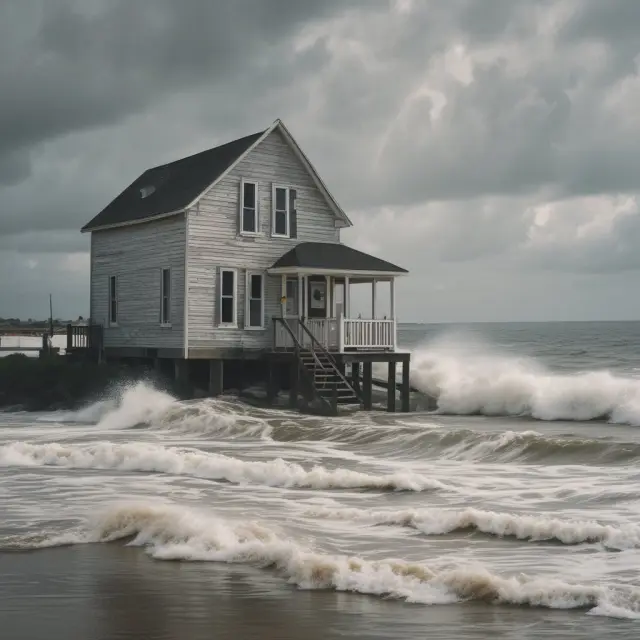
Understand Hurricane Insurance basics: what it covers, states with mandatory deductibles, and differences between wind & flood insurance.
What is Hurricane Insurance?
Hurricane insurance isn’t a standalone policy but rather a term used to define hurricane deductibles or specific coverage for damages arising from these storms. A hurricane deductible is an additional amount homeowners must pay before their insurer covers losses incurred during a hurricane event. This concept is commonplace in states vulnerable to hurricanes along the Atlantic and Gulf coasts, with over 19 states mandating it.
Hurricane Deductibles: An Overview
Hurricane deductibles are distinct from standard homeowners insurance deductibles, which are a set dollar amount. Instead, hurricane deductibles are calculated as a percentage of the property’s total insured value (ranging between 1% to 5%, or $2,000 to $5,000 per $100,000 in coverage).
History of Hurricane Deductibles
These deductibles emerged following massive hurricane damage caused by Andrew in 1992 and Katrina in 2005, resulting in significant financial losses for insurance companies. By requiring homeowners to pay a higher out-of-pocket amount before coverage kicks in, these insurers could better manage their risk exposure and mitigate the impact of large claims.
States with Hurricane Deductibles
Hurricane deductibles apply in 19 states and Washington, D.C., as indicated below:
Alabama
Connecticut
Delaware
Florida
Georgia
Hawaii
Louisiana
Maine
Maryland
Massachusetts
Mississippi
New Jersey
New York
North Carolina
Pennsylvania
Rhode Island
South Carolina
Texas
Virginia
Virginia (Washington, D.C.)
Understanding the Coverage Gap
Despite having hurricane deductibles, some coverage gaps might still persist, as most standard homeowners policies exclude flooding from outside natural events. To address this, property owners need separate flood insurance to cover water-related damage or destruction. In contrast, windstorm insurance covers damages arising from hurricanes and other high winds but may be required instead of, or in addition to, a hurricane deductible depending on the state.
Calculating Hurricane Deductibles
Insurance companies often dictate hurricane deductible levels and their application; however, these plans remain subject to various state regulations. For instance, Rhode Island limits hurricane deductibles at 5%, while Florida mandates homeowners have the option of a $500 flat-rate hurricane deductible. Homeowners in some states may pay lower premiums by making improvements like installing storm shutters or hurricane-resistant windows and doors to minimize damages.
In conclusion, understanding what constitutes hurricane insurance, how it differs from regular homeowners insurance, and the importance of separate flood and windstorm policies can help homeowners make informed decisions when securing coverage for their properties.

Understanding Hurricane Deductibles
The term “hurricane insurance” is commonly misunderstood as a standalone policy; instead, it refers to hurricane deductibles in homeowners insurance policies. A hurricane deductible is an extra amount that homeowners must pay out-of-pocket before the insurer covers damages or destruction caused by a hurricane. The term “hurricane insurance” can also refer to separate flood and windstorm insurance policies specifically designed for hurricane-prone areas.
The history of hurricane deductibles dates back to 1992 after Hurricane Andrew devastated South Florida, leading to major losses for homeowners’ insurance companies. In response, many insurers began requiring a percentage-based hurricane deductible as a way to mitigate future financial burdens. These requirements became more widespread following the massive damages inflicted by Hurricane Katrina in 2005.
Hurricane deductibles typically apply in areas prone to hurricanes, such as Florida and Texas. In these states, the deductible is a percentage (ranging from 1% to 5%) of the home’s insured value or a fixed dollar amount. A regular homeowners insurance policy deductible is usually a set amount, like $500 or $2,000, but a hurricane deductible operates differently.
Hurricane deductibles apply when there is a named hurricane in the area and remain in effect until the storm is downgraded. The rules vary by state. Even when a hurricane deductible doesn’t apply, a windstorm deductible might. Windstorm deductibles cover damage from high winds, which can be lower than hurricane deductibles, typically ranging between 1% and 5% of the property’s insured value.
As of now, there are 19 states where hurricane deductibles apply: Alabama, Connecticut, Delaware, Florida, Georgia, Hawaii, Louisiana, Maine, Maryland, Massachusetts, Mississippi, New Jersey, New York, North Carolina, Pennsylvania, Rhode Island, South Carolina, Texas, Virginia, and Washington D.C. Homeowners should also be aware that flood insurance is typically required for areas with high flooding risk, and it may not always be included in the homeowners policy.
To better protect your property from potential hurricane damage, it’s essential to understand the differences between various types of insurance coverage and consult a financial advisor to make an informed decision about what coverage suits your unique needs best.
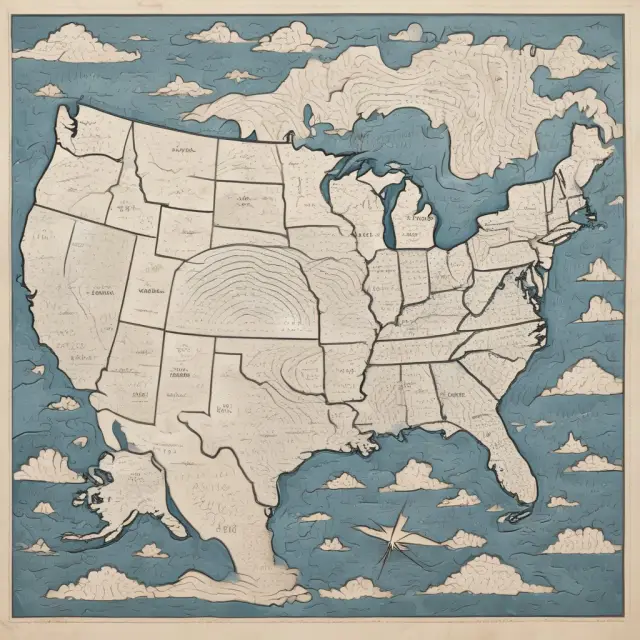
States Where Hurricane Deductibles Apply
Hurricane deductibles are a unique aspect of insurance coverage for property owners living in hurricane-prone regions. These deductibles apply to specific states that are susceptible to hurricane damage and differ from the standard homeowners insurance deductible. In this section, we will delve into the 19 states where hurricane deductibles are mandatory for homeowners insurance, along with the specific regulations and requirements in each state.
First, it is essential to clarify that hurricane deductibles are not a separate type of policy. Instead, they represent an additional amount homeowners must pay out-of-pocket before their insurer covers damages resulting from a hurricane. Hurricane insurance is actually a combination of windstorm and flood insurance policies designed to protect property owners from financial losses due to these natural disasters.
Now, let us examine the 19 states where hurricane deductibles apply: Alabama, Connecticut, Delaware, Florida, Georgia, Hawaii, Louisiana, Maine, Maryland, Massachusetts, Mississippi, New Jersey, New York, North Carolina, Pennsylvania, Rhode Island, South Carolina, Texas, Virginia, and Washington, D.C.
Although the specifics of hurricane deductibles can vary between states, they generally apply when a named hurricane is in the area or when severe tropical storms trigger the deductible. In most cases, the hurricane deductible will be in effect until the storm has been downgraded.
Here’s a brief look at how hurricane deductibles are regulated and implemented in some of these states:
1. Florida: Homeowners in Florida must have hurricane insurance since it is required by state law. The minimum requirements for property coverage include windstorm and flood insurance. Homeowners can choose between four hurricane deductible options: 2%, 5%, 10%, or a flat rate of $5,000.
2. Louisiana: Homeowners in Louisiana are also required to have hurricane insurance covering wind damage and flood protection. Hurricane deductibles are calculated as a percentage of the insured value, ranging from 1% to 3%.
3. Texas: In Texas, homeowners have the option to choose between two types of hurricane deductibles—percentage-based or flat-rate. The percentage-based deductible can range from 0.5% to 10% of the insured value.
4. New Jersey: Homeowners in New Jersey are required to have windstorm insurance, which includes a hurricane deductible ranging from 1% to 2%.
5. North Carolina: In North Carolina, homeowners must purchase a separate flood insurance policy, but their standard homeowners policy might include coverage for wind damage. The state mandates a 1% hurricane deductible.
By understanding the specifics of hurricane deductibles and the states where they apply, homeowners can be better prepared for potential financial losses related to hurricanes and other severe storms. Additionally, it is essential to know that flood insurance is typically required separately from windstorm insurance in most cases. So, homeowners in hurricane-prone regions should consider obtaining both types of coverage to protect their property comprehensively.
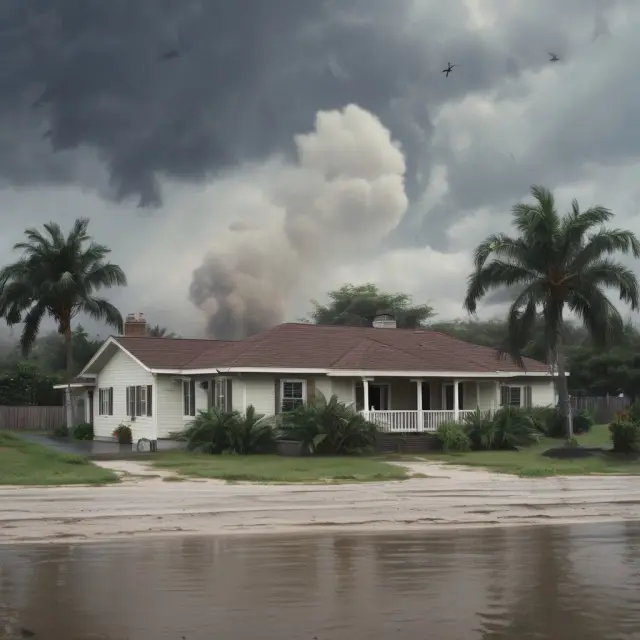
Hurricane Coverage vs. Standard Homeowners Insurance
When it comes to insuring your property against damages caused by hurricanes, understanding the differences between hurricane insurance and standard homeowners insurance is crucial. While many people believe there is a specific type of policy called “hurricane insurance,” this term actually refers to additional deductibles or separate coverage for damages related to hurricanes.
A hurricane deductible, for example, is an extra amount you pay out-of-pocket before your homeowners insurance company starts covering damages caused by a hurricane. This deductible can apply in addition to the standard deductible included in your policy. The cost of this deductible varies between 1% and 5%, depending on the insurer and the state’s regulations.
Standard homeowners insurance generally covers damages from common perils like fire, theft, or vandalism but may exclude losses due to windstorms or floods. This means that a separate windstorm insurance policy is often required in hurricane-prone states to ensure comprehensive coverage for your property. Windstorm insurance typically covers damages resulting from extreme winds, heavy rainfall, and tornadoes.
Flood insurance, on the other hand, is another essential component of protecting your home against hurricane damage. Most standard homeowners policies do not cover flood losses. Flood insurance offers coverage for damages caused by flooding due to heavy rains or storm surges related to a hurricane. A separate flood insurance policy protects you from financial losses due to potential water damage, which is an integral part of hurricanes.
It’s important to note that having both windstorm and flood insurance can save you from significant financial hardships in the event of a hurricane. The costs for these policies may vary depending on factors such as your location, property value, and coverage limits. Consulting with an insurance professional can help you determine the best options for your specific situation.
In summary, while there is no standalone “hurricane insurance,” homeowners in hurricane-prone areas must be aware of the importance of separate windstorm and flood insurance policies to ensure they have proper coverage against potential damages caused by these powerful storms.

Impact on Home Premiums
Hurricane deductibles can significantly increase the out-of-pocket expenses for homeowners, especially those residing in states prone to hurricanes. In comparison to a regular insurance policy deductible, which remains constant, hurricane deductibles are calculated as a percentage of the property’s insured value. For example, if your home is insured for $300,000 and you have a 5% hurricane deductible, you will owe $15,000 before the insurance coverage kicks in.
The introduction of hurricane deductibles came about following substantial losses from hurricanes Andrew (1992) and Katrina (2005), which led to major financial difficulties for insurers. To mitigate risks and manage these financial impacts, insurers turned to reinsurers but still faced challenges as the cost of paying claims escalated. This led to the requirement of hurricane deductibles in 19 states and Washington D.C., with some states implementing mandatory flat-rate deductibles or leaving it up to insurance companies to determine.
To help homeowners minimize their premiums, there are steps they can take before a hurricane strikes:
- Install storm shutters, impact-resistant roofing, and hurricane clips. These improvements reduce the risk of damage and may lead to reduced premiums.
- Stay informed about your state’s regulations regarding windstorm and flood insurance. This knowledge can help you make informed decisions when shopping for insurance or negotiating with your current provider.
- Consider bundling policies, as insurers often offer discounts when customers purchase multiple insurance policies from the same company.
- Keep your property in good condition and maintain regular home maintenance to ensure it is less susceptible to hurricane damage.
- Consult an insurance professional for advice on the best coverage options based on your specific needs and risk factors.
By understanding hurricane deductibles, the importance of separate flood and windstorm insurance, and ways to potentially reduce premiums, homeowners can better protect themselves from potential financial losses due to hurricanes.

Flood Insurance and its Relation to Hurricane Insurance
Hurricanes are massive storms with destructive potential, capable of inflicting immense damage on homes and properties. To help mitigate the financial impact of hurricanes on homeowners, it’s essential to understand the role of both flood insurance and hurricane insurance. While there is no standalone hurricane insurance policy, hurricane-related damage can be covered under different types of insurance policies, primarily flood insurance and windstorm insurance.
Flood Insurance: A Closer Look
Flood insurance is a separate policy that specifically covers the damages caused by flooding. The National Flood Insurance Program (NFIP), established in 1968, administers the majority of flood insurance policies in the U.S. This insurance program aims to make sure homeowners and businesses located in high-risk flood areas have access to affordable flood coverage. It’s important to note that standard homeowners policies usually exclude coverage for flooding caused by heavy rainfall or storm surges.
Hurricanes and Flood Insurance
Hurricanes can cause extensive flooding, making it crucial for homeowners to purchase separate flood insurance if they live in high-risk areas. Hurricane-induced flooding is not covered under a standard homeowners insurance policy, so having this additional coverage can provide peace of mind and financial protection. Additionally, federally backed mortgage loans require flood insurance for properties located in designated Special Flood Hazard Areas (SFHAs).
Windstorm Insurance: The Counterpart to Flood Insurance
Windstorm insurance is another type of policy that covers damages caused by extreme winds, including those generated by hurricanes. This coverage may be mandatory in some states and can help cover damages not covered under standard homeowners insurance or flood insurance policies. Windstorm insurance may also provide protection against other wind-related events like tornadoes.
Combining Flood and Windstorm Insurance: Maximizing Coverage
To protect their properties from the destructive potential of hurricanes, it’s recommended that homeowners in high-risk areas invest in both flood insurance and windstorm insurance. By having these two types of policies, homeowners can ensure comprehensive coverage against the various damages that hurricanes might cause.
In summary, while there is no such thing as a standalone hurricane insurance policy, flood insurance and windstorm insurance provide essential protection against damages caused by hurricanes. Understanding the importance of both types of coverage is key to ensuring financial security for homeowners in hurricane-prone regions.

How Hurricane Deductibles are Calculated
Understanding the calculation of hurricane deductibles is crucial for homeowners in hurricane-prone states as it can significantly impact their out-of-pocket costs when filing a claim after a hurricane. In this section, we will discuss how these deductibles are determined and the factors influencing their calculation.
Hurricane deductibles differ from the standard homeowners insurance deductible in that they’re calculated as a percentage of a property’s insured value instead of a fixed dollar amount. Typically, hurricane deductibles range between 1% to 5% of a home’s insured value or $2,000 to $5,000 for every $100,000 in coverage.
The practice of imposing hurricane deductibles started after the massive financial losses caused by Hurricanes Andrew (1992) and Katrina (2005). Insurers introduced hurricane deductibles to reduce their exposure to large-scale claims, especially during times when multiple hurricanes impacted various coastal states. These additional costs were mainly passed on to policyholders, who had to pay higher premiums or an increased amount of out-of-pocket expenses before their coverage would kick in.
The calculation and implementation of hurricane deductibles can vary depending on the state insurance regulations and requirements. For instance, Rhode Island caps hurricane and windstorm deductibles at 5%, while Florida requires homeowners to have a choice between a $500 flat-rate hurricane deductible and other mandated options, such as 2%, 5%, or 10% of the insured value of the residence.
However, some states might offer homeowners premium discounts if they install certain improvements designed to minimize potential damage from a hurricane. These enhancements include storm shutters, laminated glass windows and doors, and other protective features. By investing in these upgrades, property owners can lower their insurance premiums while strengthening the overall structure of their homes against potential hazards.
In conclusion, understanding how hurricane deductibles are calculated is an essential aspect of owning a home in hurricane-prone states. Being aware of the factors affecting these deductibles and taking steps to minimize their impact on your finances will enable you to better plan for future storms and secure adequate protection for your property.

Combining Hurricane Insurance with Windstorm Insurance
Hurricane insurance doesn’t exist as a standalone policy but is instead associated with specific provisions in a homeowner’s insurance coverage, primarily hurricane deductibles and windstorm insurance. While we’ve already covered hurricane deductibles in detail, it’s essential to understand how they interact with windstorm insurance.
Windstorm insurance is an integral part of a comprehensive hurricane insurance strategy. It specifically covers damage resulting from winds exceeding a certain threshold, which can occur during tropical storms or hurricanes. In contrast to a standard homeowners policy, windstorm coverage applies only to the damage caused by strong winds and not other perils like water damages, which are typically covered by a separate flood insurance policy.
Combining hurricane deductibles and windstorm insurance offers several benefits:
- Comprehensive Protection: A well-structured insurance portfolio that includes both hurricane deductibles and windstorm insurance ensures that homeowners are protected from extensive financial losses in the event of a hurricane or other windstorms.
- Customizable Coverage: Homeowners can choose to tailor their insurance coverage based on their unique requirements, geographic location, and susceptibility to hurricanes and windstorms.
- Reducing the Financial Burden: By combining hurricane deductibles with windstorm insurance, homeowners may be able to reduce overall premiums while maintaining adequate protection for their property against hurricane-related damages.
- Preparation for Catastrophic Events: As hurricanes can result in substantial damage and financial losses, it is crucial for homeowners to understand the importance of having both hurricane deductibles and windstorm insurance in their insurance portfolio.
In summary, a combination of hurricane deductibles and windstorm insurance offers comprehensive protection against potential damages caused by hurricanes and other windstorms while ensuring that policyholders are prepared for catastrophic events. By understanding the intricacies of these coverage types and working with experienced insurance professionals, homeowners can create a tailored insurance strategy that best suits their needs and budget.
FAQs:
Q: Is windstorm insurance required in hurricane-prone areas?
A: In many hurricane-prone states, windstorm insurance is not required but strongly recommended due to the risk of significant damage from tropical storms or hurricanes. Some mortgage lenders may also require it as a condition for issuing a loan on a property located in a high-risk area.
Q: Doesn’t standard homeowners insurance cover wind damage?
A: While some homeowners policies do include windstorm coverage, many others do not. Homeowners should review their policy carefully to determine if they have adequate protection for damages caused by winds, including those from hurricanes. If not, it is essential to consider purchasing separate windstorm insurance.
Q: How does a hurricane deductible differ from a windstorm deductible?
A: A hurricane deductible is a percentage of the insured value of your home that applies to all damages caused by a named storm or tropical cyclone, including flooding and wind damage. In contrast, a windstorm deductible specifically covers damage resulting only from high winds, such as those generated by a hurricane or other storms.
Q: Can I save money by combining hurricane deductibles with windstorm insurance?
A: Yes, homeowners may be able to reduce overall premiums by bundling their insurance policies and purchasing both hurricane deductibles and windstorm insurance together. However, it is essential to carefully consider the specific terms of each policy and work with an experienced insurance agent or broker to ensure you have adequate coverage for your needs and budget.
Q: Do I need separate flood insurance if I have windstorm coverage?
A: Yes, most standard homeowners policies do not cover damages resulting from flooding, even when it occurs in conjunction with a hurricane or other windstorms. Homeowners living in areas prone to flooding should consider purchasing separate flood insurance to protect against potential water damage and financial losses.

FAQs on Hurricane Insurance
Is wind and hurricane insurance the same?
No, wind and hurricane insurance are not the same thing. While a windstorm insurance policy covers damages caused by wind only, hurricane insurance often refers to a combination of flood insurance, windstorm insurance, and homeowners insurance.
Is hurricane insurance mandatory in every state?
No, hurricane insurance is not mandatory in all states. Hurricane deductibles and specific coverage requirements apply to homeowners living in 19 coastal states and Washington D.C., where the risk of hurricane damage is higher.
Are floods and hurricanes covered under a standard homeowner’s insurance policy?
No, most standard homeowners insurance policies do not include coverage for flooding, which can cause significant damage during a hurricane. Homeowners must purchase separate flood insurance to protect themselves from potential financial losses related to water-related damage.
What is the purpose of a hurricane deductible?
A hurricane deductible refers to an additional amount that homeowners must pay before their insurer will cover damages caused by a hurricane or tropical storm, typically expressed as a percentage of the property’s worth. This deductible helps insurance companies manage risk and spread costs more evenly.
How does a hurricane deductible differ from regular homeowner’s insurance deductibles?
Regular homeowners insurance policies have fixed dollar amount deductibles, such as $500 or $1,000. Hurricane deductibles, on the other hand, are typically a percentage of the home’s insured value, ranging from 2% to 5%.
Is windstorm coverage included in hurricane insurance?
Yes, windstorm coverage is usually a part of hurricane insurance as it covers damages caused by wind and high-speed winds that can be associated with hurricanes. Homeowners can purchase separate windstorm insurance policies if they prefer.
How are hurricane deductibles calculated?
The calculation of hurricane deductibles varies from state to state, with some states allowing insurance companies to determine the amount and others setting a cap. Homeowners should consult their state’s insurance department for more information on specific regulations.
Preparing for Hurricane Season: Tips from the Experts
As hurricane season approaches, homeowners living in states with hurricane deductibles and those at risk of storm damage should take proactive measures to protect their properties and prepare financially for potential losses. Here are some essential tips from experts on how to get ready for hurricane season:
1. Review Your Insurance Coverage
Homeowners in hurricane-prone states should ensure they have sufficient insurance coverage for windstorm, flood, and hurricane damages. Regularly reviewing your policies will help you understand what is and isn’t covered under each insurance plan. This is also an excellent time to check if your current deductibles are adequate and adjust them as needed.
2. Secure Your Property
Simple improvements can help minimize potential damage from hurricanes. Consider installing storm shutters, reinforcing roofs with hurricane clips, upgrading windows, and elevating buildings above the floodplain if possible. These measures not only protect your property but may also potentially reduce your insurance premiums.
3. Create an Emergency Plan
Develop a detailed emergency plan for you and your family. This includes identifying evacuation routes, gathering essential supplies such as water, non-perishable food, batteries, flashlights, and medications, and preparing important documents like insurance policies and critical medical information.
4. Stay Informed
Keep up to date with the latest weather forecasts and storm alerts from trusted sources like the National Hurricane Center. This will help you stay informed about potential hurricanes and give you enough time to take preventative measures or evacuate if necessary.
5. Seek Professional Assistance
Consult a financial advisor for personalized advice on how to protect your property and finances during hurricane season. They can assess your unique situation, help you evaluate insurance options, and recommend strategies tailored to your specific risk level and financial goals.
6. Prepare Financially
Build an emergency fund to cover potential out-of-pocket expenses related to hurricane damage or evacuation costs. Aim for enough savings to cover deductibles, temporary housing, and other unforeseen costs. Remember, having a solid financial safety net will help you weather the storm both literally and financially.
7. Understand Your Policy Limits
Familiarize yourself with the coverage limits of your insurance policies. This includes knowing the differences between hurricane deductibles, flood insurance, windstorm insurance, and homeowners insurance. Understanding these nuances will help you make informed decisions when purchasing insurance and filing claims.
Preparing for hurricanes is a continuous process that involves ongoing communication with professionals, property improvements, and financial planning. By following the advice of experts and taking proactive measures, you’ll be better equipped to protect your home and family during hurricane season and beyond.

Conclusion: Protecting Your Home from Hurricanes
The importance of understanding the various types and components of hurricane insurance cannot be overstated for homeowners residing in states prone to this type of natural disaster. The term “hurricane insurance” does not represent a standalone product but is often used interchangeably with windstorm or flood insurance, which provide coverage for damages specifically caused by these weather events.
Hurricane deductibles serve as an additional amount homeowners must pay before their insurance covers the damage or destruction caused by hurricanes. This percentage-based deductible is separate from regular homeowners insurance deductibles and can range from 1% to 5% of a property’s insured value, significantly impacting out-of-pocket expenses in hurricane-prone areas.
Many states along the Gulf of Mexico and Atlantic Coasts have mandatory hurricane deductibles, which apply to named storms and can remain in effect until the hurricane is downgraded. Some states also have specific regulations regarding these deductibles, such as Rhode Island’s cap at 5%.
Understanding that most standard homeowners policies may exclude flood damage, homeowners must obtain separate flood insurance to ensure complete coverage for this type of risk. This policy, which can be purchased through the National Flood Insurance Program (NFIP) or private insurers, is mandatory in areas with high flooding risks and may help safeguard against the financial devastation brought on by a hurricane.
By being well-informed about hurricane insurance and its various components, homeowners can mitigate their exposure to potential losses and ensure they have adequate coverage for the unique risks associated with living in hurricane-prone areas. Consulting with a trusted financial advisor is an excellent first step towards securing appropriate protection for your property.
FAQs:
What is the difference between windstorm insurance and hurricane insurance?
Windstorm insurance covers damage from winds, while hurricane insurance often refers to a combination of windstorm and flood insurance policies.
Is hurricane insurance mandatory in all coastal states?
No, only 19 states and Washington D.C. require hurricane deductibles as part of their homeowners insurance regulations.
Can I have separate flood and windstorm coverage or a combined policy?
Yes, you can purchase both flood and windstorm insurance separately or as a bundled policy.
How does a hurricane deductible differ from a regular homeowners insurance deductible?
A hurricane deductible is typically a percentage of the property’s insured value, whereas a standard homeowners insurance deductible is a fixed amount.
What should I do if I cannot afford separate windstorm and flood insurance policies?
Consulting with a financial advisor or your insurance provider can help you understand your options for obtaining affordable coverage that meets your needs.
 Next entry · No. 2,261Understanding Hybrid Adjustable Rate Mortgages (ARMs): A Comprehensive Guide for Institutional Investors
See also
-
 No. 5,634
25 Sep 2025
17 min
Understanding Water Exclusion Clauses in Homeowners and Renter’s Insurance
Insurance
No. 5,634
25 Sep 2025
17 min
Understanding Water Exclusion Clauses in Homeowners and Renter’s Insurance
Insurance -
 No. 5,632
25 Sep 2025
19 min
Understanding Water Damage Insurance: Coverage, Types, and Mitigation Strategies
Insurance
No. 5,632
25 Sep 2025
19 min
Understanding Water Damage Insurance: Coverage, Types, and Mitigation Strategies
Insurance -
 No. 5,633
25 Sep 2025
20 min
Understanding Water Damage Legal Liability Insurance: Your Comprehensive Guide for Institutional and Professional Investors
Insurance
No. 5,633
25 Sep 2025
20 min
Understanding Water Damage Legal Liability Insurance: Your Comprehensive Guide for Institutional and Professional Investors
Insurance -
 No. 5,306
28 Aug 2025
24 min
Understanding Unscheduled Property Floaters: Extending Coverage Beyond the Basics
Insurance
No. 5,306
28 Aug 2025
24 min
Understanding Unscheduled Property Floaters: Extending Coverage Beyond the Basics
Insurance -
 No. 3,963
11 May 2025
19 min
Understanding Personal Lines Insurance: A Comprehensive Overview
Insurance
No. 3,963
11 May 2025
19 min
Understanding Personal Lines Insurance: A Comprehensive Overview
Insurance -
 No. 3,328
19 Mar 2025
20 min
Understanding Named Perils Insurance Policy: Coverage, Pros, Cons and Differences with All Risks Insurance
Insurance
No. 3,328
19 Mar 2025
20 min
Understanding Named Perils Insurance Policy: Coverage, Pros, Cons and Differences with All Risks Insurance
Insurance