Understanding Laissez-Faire Economics: Beliefs, History, Criticism, and Implications for Investors
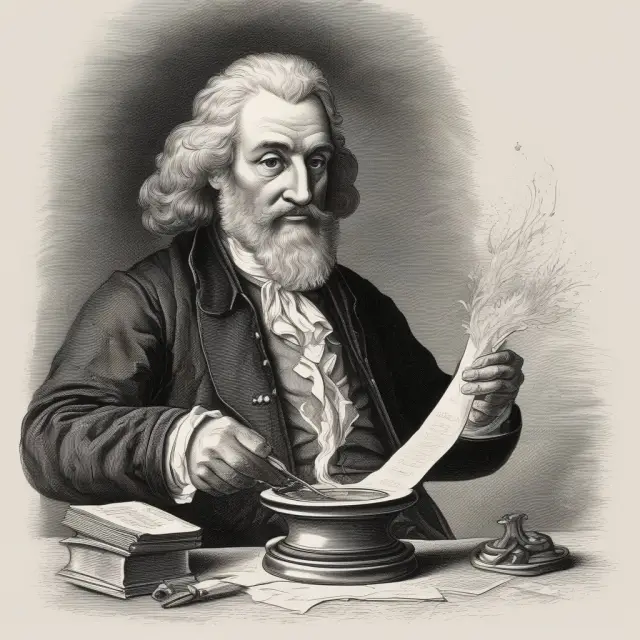
Understand the essence and impact of Laissez-Faire Economics: core beliefs, historical successes, criticisms, and modern applications for investors.
Definition and Origins of Laissez-Faire Economics
Laissez-faire is a prominent economic theory that advocates minimal intervention by the government in business affairs, with the belief that the less government interference, the more successful businesses will be, leading to overall societal benefit. The term laissez-faire, which means “let alone” or “leave it to itself,” emerged from French roots during the 18th century as a response to the heavy government involvement in economic matters at that time.
The philosophy of laissez-faire originated with the French Physiocrats, an influential group of economists who believed that economic success is hampered when governments interfere in business and markets. The Physiocrats saw a free market as the driving force for self-regulation in the economy. They envisioned the natural order as a means to regulate businesses without the need for excessive government involvement, such as legislation or oversight. Laissez-faire economists argue that taxes and regulations are penalties on production instead of tools for economic improvement (Bernstein & Swanstrom, 2014).
Although laissez-faire economics was first articulated in the mid-1700s, its historical application has not been without challenges. An early attempt to test the theory involved Turgot, a French Controller-General of Finances, who abolished all restraints on the grain industry to create a free trade system in 1774 (Bernstein & Swanstrom, 2014). However, poor harvests resulted in skyrocketing prices and hoarding by merchants, leading to widespread starvation and riots. In response, government intervention was reinstated. Despite these challenges, laissez-faire economics continued to influence economic thought during the Industrial Revolution.
Modern applications of laissez-faire principles have mixed results. Some argue that minimal government intervention leads to self-responsibility, innovation, and free markets. However, critics point out that a lack of regulation can harm consumers and the environment while potentially exacerbating wealth inequality (Bernstein & Swanstrom, 2014). The balance between government intervention and laissez-faire economics remains an ongoing debate in economic policy circles.
References:
Bernstein, J. S., & Swanstrom, T. A. (2014). Laissez Faire Economics: An Introduction. Routledge.

Core Beliefs of Laissez-Faire Economics
Laissez-faire economics, a cornerstone of free-market capitalism, is an economic philosophy advocating minimal interference from the government in business transactions. This concept gained prominence during the 18th century through the French Physiocrats, who believed that self-regulating markets were essential for societal prosperity (Bowley, 2004). The term “laissez-faire” translates to “leave alone,” encapsulating the idea of letting economic forces operate free from government intervention. In this section, we delve deeper into the core beliefs that underpin laissez-faire economics: self-regulation, minimal government intervention in the economy, and natural order.
Self-Regulation:
The belief in self-regulation lies at the heart of laissez-faire economics. Proponents argue that markets possess an inherent capacity to regulate themselves, ensuring that prices, production, and distribution remain in balance (Smith, 1776). This natural equilibrium is referred to as the “invisible hand” (Smith, 1776), which operates to optimize economic outcomes even when individuals act self-interestedly.
Minimal Government Intervention
Laissez-faire economics calls for limiting government intervention in the economy, believing that the less interference, the better. This stance is grounded in the belief that markets are more efficient than governments in making decisions and allocating resources (Bowley, 2004). Consequently, laissez-faire economists argue against interventions such as minimum wages, duties, trade restrictions, and corporate taxes.
Natural Order
Laissez-faire economists view economic competition as a natural order that drives economic progress. They believe that the best approach is to allow businesses and industries to operate freely without government intervention, as any attempts to interfere may disrupt this natural process (Smith, 1776). The belief in natural order also extends to labor markets, where wages are determined by supply and demand, with employers offering the highest wage for a given level of skills and workers accepting the offer that best meets their needs.
References:
Bowley, C. (2004). A history of economic thought (p. 189). Oxford University Press.
Smith, A. (1776). An inquiry into the nature and causes of the wealth of nations (L.A. Selby-Bigge & P.S. Sraffa, Eds.). Oxford: Clarendon Press.

Impact of Laissez-Faire on Economy: History and Results
Laissez-faire economics, as a key aspect of free-market capitalism, has had a profound impact on economies throughout history. With its core belief that the less government intervention in business affairs, the better off the economy will be, laissez-faire principles were first introduced by French Physiocrats in the mid-18th century. Their vision was of a free market and uncomplicated economy, where the natural order of self-regulation would rule.
One of the earliest attempts to apply these theories came from Turgot, who served as Louis XVI’s Controller-General of Finances in 1774. In an effort to test laissez-faire practices, he abolished all restraints on the heavily controlled grain industry and allowed imports and exports between provinces to operate freely. However, when poor harvests caused scarcities, prices soared, merchants hoarded supplies or sold them in strategic areas for higher profits, and thousands of French citizens faced starvation. As a result, riots ensued, leading to the restoration of government controls over the grain market.
Despite this early setback, laissez-faire practices gained traction during the Industrial Revolution and remained popular until the beginning of the 20th century when industrialized nations began implementing significant government regulations to protect workers and consumers from unsafe conditions and unfair business practices. However, it’s crucial to note that these policies were not meant to restrict competition or business practices but rather to address specific issues.
Critics argue that laissez-faire economics can lead to moral ambiguities, poverty, and economic imbalances by dismissing those most in need of assistance. British economist John Maynard Keynes was a prominent critic, advocating for a more balanced approach where market solutions and government intervention are considered on a case-by-case basis.
Despite the controversies surrounding laissez-faire economics, its impact on economic prosperity cannot be denied. It has been shown to encourage self-responsibility, innovation, and free markets while promoting competition. However, it can also lead to negative externalities, such as harming consumers and the environment, and exacerbating wealth inequality.
Exploring the historical application of laissez-faire economics reveals a complex picture. While some attempts led to success, others faced significant challenges. Understanding this rich history provides valuable insights into how economic policies can impact economies and offers invaluable lessons for investors as they navigate modern financial markets.

Criticism of Laissez-Faire Economics: Pros and Cons
Laissez-faire economics has been a subject of intense debate since its inception due to the moral ambiguities it presents. While proponents argue that economic self-interest drives societal benefits, critics contend that the lack of government intervention can lead to significant issues such as poverty, economic imbalances, and negative externalities.
One major criticism of laissez-faire is the disregard for the most vulnerable members of society. The argument here is that when individuals prioritize their self-interest first, those who are weakest in society may be overlooked or even further victimized. In contrast, critics believe government intervention is necessary to address these issues and ensure a more equitable distribution of wealth.
John Maynard Keynes, a prominent critic of laissez-faire economics, argued that market solutions should not always be the preferred choice over government intervention. Instead, the decision between them should be made on a case-by-case basis.
Despite its detractors, there are advantages to laissez-faire economics. The minimal government interference allows for self-responsibility, encourages innovation, and promotes free markets and competition. However, this freedom can result in harm to consumers and the environment due to the absence of regulations. Moreover, it may lead to negative externalities like wealth inequality and the incentivization of bad actors who take advantage of the lack of oversight.
An example of the potential downsides of laissez-faire economics is the case of a vitamin company filling its capsules with sawdust instead of herb powder, which would go undetected without proper government testing and regulatory oversight to protect consumers.
Additionally, it’s important to remember that all economies have some degree of government intervention, no matter how minimal. While proponents argue that costly regulation is not needed since the market will weed out bad actors, in reality, malicious entities may continue their illicit practices for a considerable length of time before being discovered.
In conclusion, while laissez-faire economics holds potential benefits like self-responsibility and innovation, it also presents moral ambiguities and challenges that cannot be overlooked. Critics argue that the absence of regulations can lead to harm to consumers and negative externalities, while proponents claim that market forces will correct these issues. Ultimately, the debate between laissez-faire and interventionist economics continues, with each side presenting valid arguments that merit further exploration and consideration.
By understanding both perspectives, investors can make informed decisions about their investments and navigate the complexities of today’s global economy.
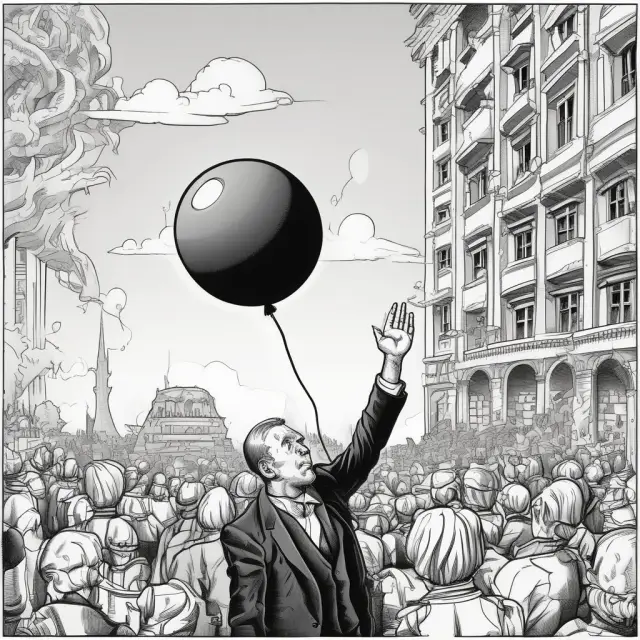
Laissez-Faire vs. Keynesian Economics
A fundamental debate between two influential economic theories has shaped the modern economic discourse: Laissez-faire and Keynesian economics. While both approaches aim to understand how economies function, their underlying beliefs and policy implications vastly differ. The former advocates for minimal government intervention, while the latter asserts the importance of government’s role in managing economic cycles.
Laissez-Faire Economics: A Minimal Government Role
Laissez-faire economics is a classical economic theory originating from the French Physiocrats in the late 18th century. The underlying belief in this philosophy is that economic competition constitutes a natural order and that less government involvement leads to better outcomes for businesses and society as a whole. This economic philosophy was popularized in Adam Smith’s influential book “The Wealth of Nations.”
Core tenets of laissez-faire economics include:
- Self-regulation through the invisible hand
- Minimal government intervention in the economy
- Free markets and economic competition
- Opposition to corporate taxes, minimum wages, and trade restrictions
- Government should only provide public goods
Keynesian Economics: Active Government Role
John Maynard Keynes’ work on economics during the Great Depression contrasted sharply with laissez-faire economics. This theory posits that economic downturns can result from insufficient demand, which requires active government intervention to stimulate spending and stabilize the economy. Key principles of Keynesian economics include:
- Government spending to boost aggregate demand during a recession
- Central banks lowering interest rates to encourage borrowing
- Taxation and social welfare programs as tools for income redistribution
- Active regulation of financial markets to prevent market failures
Comparing the Two Theories
Both theories offer unique perspectives on economic principles, but it’s essential to understand their differences in the context of practical policy implications. Laissez-faire economics can be seen as an idealized model for a free market system with minimal government intervention and regulation. Conversely, Keynesian economics focuses on the role of government in managing economic fluctuations through active monetary and fiscal policies.
One essential difference is their stance on unemployment. Laissez-faire economists believe that the natural state of the labor market is full employment; any unemployment is due to structural issues like minimum wages or other price distortions. Keynesians, on the other hand, argue that unemployment can be a result of insufficient aggregate demand and that government intervention is necessary during economic downturns.
Another critical distinction lies in their approach to monetary policy. Laissez-faire economists generally believe that the central bank should aim for stable prices without interfering with interest rates. Keynesians, however, advocate for actively using interest rates to manage economic fluctuations and stabilize the economy.
In conclusion, while both laissez-faire and Keynesian economics provide valuable insights into economic theory, they represent contrasting perspectives on the role of government in managing the economy. Laissez-faire economics focuses on minimal intervention, while Keynesian economics advocates for active management to address economic downturns. Ultimately, understanding their differences helps us appreciate the nuances behind economic policy and its potential impact on society.

Laissez-Faire Capitalism: A Pure Profit Motive and Free Markets
The concept of laissez-faire capitalism is an integral part of the laissez-faire economic theory, which emphasizes minimal government intervention in business affairs. The term ‘laissez-faire’ is derived from a French phrase meaning “let it be,” encapsulating the belief that economic success thrives best when governments keep their hands off business and markets. In the realm of laissez-faire capitalism, companies are allowed to operate under a pure profit motive, with the assumption that this freedom will lead to self-regulated competition, innovation, and prosperity for society as a whole.
This economic philosophy has its roots in the French Physiocrats of the 18th century, who championed free markets, minimal government intervention, and the belief that ‘the invisible hand’ would regulate market forces effectively. Later, influential economists like Adam Smith and David Ricardo built upon these principles, advocating for a limited role of the government in economic affairs.
However, the application of laissez-faire capitalism has not been without controversy or criticism. Some argue that this economic theory promotes inequality by allowing market forces to determine wealth distribution without any checks or balances. Others point to negative externalities, where the cost of production is borne by society instead of the producer, and potential harm to consumers and the environment due to the absence of regulation.
Despite these concerns, proponents argue that laissez-faire capitalism encourages self-responsibility, innovation, and free markets that lead to economic growth. For instance, in a competitive market where companies are striving for profit, there is an incentive to improve efficiency, introduce new products, and cater to consumer demands. This dynamic results in progress and an overall improvement in living standards.
A notable historical example of laissez-faire capitalism can be seen during the Industrial Revolution when government intervention was minimal, and markets were allowed to dictate economic activities. This period led to significant technological advancements, increased productivity, and the rise of a global economy. However, it is important to acknowledge that this era also saw substantial wealth disparities and poor working conditions for laborers.
Critics argue that unchecked capitalism can lead to negative consequences, such as monopolies, market manipulation, and exploitation of vulnerable populations. These issues call for a balance between laissez-faire economics and government intervention. In this regard, regulations aimed at protecting consumers, ensuring fair competition, and maintaining environmental sustainability are considered essential to prevent potential harm and promote overall wellbeing in society.
In the modern context, governments around the world continue to grapple with striking a balance between economic freedom and regulation. While some countries embrace laissez-faire policies, others prioritize more comprehensive government intervention to address issues such as income inequality, environmental concerns, and consumer protection.
For investors, understanding the nuances of laissez-faire economics can provide valuable insights when making investment decisions in various markets. Investing in companies or economies that follow laissez-faire principles can offer attractive opportunities for capital growth, but it is essential to consider potential risks and challenges, such as regulatory uncertainty, competition, and market volatility.
In conclusion, the debate between laissez-faire economics and government intervention continues to be a hot topic in both economic theory and practical application. While some argue that minimal government interference leads to self-regulated markets, innovation, and prosperity, others caution against the potential consequences of unchecked capitalism. As investors navigate this complex landscape, it is essential to stay informed about the latest developments in economic policy and market trends to make well-informed decisions.

Laissez-Faire in the Modern Economy
The principles of laissez-faire have been a topic of debate ever since its emergence in the 18th century. While some argue that minimal government intervention is essential for economic prosperity, others claim it can lead to detrimental consequences such as inequality and lack of protection for consumers and workers. In this section, we will discuss how laissez-faire economics applies to contemporary economies and explore the role of government intervention in various aspects of modern business and markets.
The modern interpretation of laissez-faire emphasizes free markets and minimal regulation. It’s important to note that a pure laissez-faire economy does not exist, as even countries with Libertarian values have some level of government intervention. However, the debate continues regarding how much intervention is necessary.
One argument in favor of laissez-faire economics in today’s world is that it encourages innovation and self-responsibility. With fewer regulations and taxes, businesses have more freedom to create new products and services, leading to economic growth. Furthermore, individuals are encouraged to take responsibility for their own lives, as the government provides minimal safety nets.
However, laissez-faire economics can also result in negative externalities, such as environmental harm, and potential risks to consumers. In some cases, companies may exploit this lack of regulation, leading to unethical business practices that could harm consumers or workers. For instance, without proper regulations on working conditions, businesses might put their employees in dangerous environments.
Government intervention is crucial when addressing these issues. Regulations, such as minimum wage laws and environmental standards, can protect consumers and workers while maintaining a level playing field for businesses. Moreover, government investments in public goods like education and infrastructure provide benefits that the market would not produce on its own.
It’s essential to strike a balance between laissez-faire economics and government intervention, as extreme policies in either direction can lead to undesirable consequences. For instance, excessive government control can stifle innovation, while unchecked laissez-faire capitalism could result in negative externalities that harm both consumers and the environment.
In conclusion, understanding the role of government intervention in contemporary economies requires a nuanced perspective on laissez-faire economics. While the principles of free markets and minimal regulation can lead to innovation and self-responsibility, they also risk creating negative consequences for consumers and workers. A balanced approach that considers both economic growth and societal welfare is essential for success in modern economies.

Government Regulation and Laissez-Faire: Balancing Interests
The concept of laissez-faire economics advocates for minimal government intervention in the economy, allowing businesses and industries to self-regulate. However, this economic philosophy raises essential questions about the role of government regulation, particularly when it comes to protecting consumers and ensuring a level playing field.
Critics argue that a pure laissez-faire environment may not always align with the best interests of society as a whole. For instance, a lack of regulations can harm consumers by enabling companies to produce and sell potentially dangerous or substandard products. Additionally, without any government oversight, businesses could exploit their market power and engage in anti-competitive practices that stifle innovation and growth.
Government regulation plays a crucial role in preventing these issues. Regulations can ensure that industries maintain certain standards for consumer safety and fair business practices. For example, the Food and Drug Administration (FDA) regulates food products to protect consumers from potentially hazardous substances or contaminants. Similarly, antitrust laws prevent monopolies and maintain a competitive marketplace.
Moreover, some industries require government intervention due to their inherent public good nature. Public goods are non-rivalrous resources that benefit everyone in society. For instance, national defense, public parks, and clean air all fall under the category of public goods. Since these goods can’t be effectively provided by the market alone, governments must intervene to ensure they are available for all citizens.
Additionally, certain industries may require more extensive regulation due to their potential negative impact on society. For example, the fossil fuel industry may contribute to environmental degradation and climate change if left unregulated. In such cases, governments can introduce regulations to mitigate these negative externalities.
Furthermore, there is an ongoing debate between proponents of laissez-faire and government intervention regarding which approach is more effective in creating a prosperous economy. While some argue that minimal government intervention leads to self-responsibility, innovation, and free markets, others believe that the role of government is essential for protecting consumers, maintaining fair competition, and addressing public goods.
In summary, while laissez-faire economics emphasizes the importance of minimal government intervention in the economy, the role of regulation cannot be ignored. Regulations protect consumers from potentially dangerous products and ensure a level playing field for businesses to compete effectively. Additionally, they help address public goods and industries with negative externalities that could have detrimental consequences if left unregulated. The balance between laissez-faire economics and government intervention is essential for creating an economy that benefits society as a whole.

Investing in Laissez-Faire Economies
Laissez-faire economics has been a popular economic theory for centuries, but understanding its principles is only half the battle – knowing how to invest in countries or businesses that follow this philosophy can be challenging. This section aims to provide investors with a roadmap for navigating laissez-faire economies and evaluating potential risks and opportunities.
Laissez-faire economies are characterized by minimal government intervention in business affairs, self-regulated markets, and the belief that the natural order of competition results in the best economic outcomes. This section focuses on identifying key characteristics of laissez-faire economies and discussing how investors can capitalize on these unique market conditions.
Identifying Laissez-Faire Economies
To invest successfully in a laissez-faire economy, it’s essential to identify which countries or markets adhere to these principles. Some signs of a laissez-faire economy include:
- Limited government intervention and regulation
- Free trade policies and open markets
- Low taxes on business and individuals
- Protection of property rights and contract law enforcement
- Minimal labor regulations and union activity
- Light-touch financial regulations
Investment Opportunities in Laissez-Faire Economies
Once you have identified laissez-faire economies, the next step is to look for investment opportunities within those markets. Some sectors and industries that tend to thrive in these environments include:
1. Technology and Innovation
Investing in technology companies, particularly those driven by innovation, can be a lucrative choice in laissez-faire economies where regulatory barriers are low, allowing startups and established firms to flourish.
2. Exports and Global Trade
Free trade policies in laissez-faire economies can create opportunities for foreign investors seeking to enter markets with minimal tariffs and restrictions on imports and exports. This can include industries such as manufacturing, agriculture, and services.
3. Real Estate
Investing in real estate in countries or regions with strong laissez-faire principles can yield attractive returns due to robust economic growth and limited government interference.
4. Energy and Natural Resources
Countries following a laissez-faire approach often have abundant natural resources, making investments in the energy sector particularly appealing for those looking to capitalize on favorable market conditions.
5. Precious Metals and Commodities
As governments play a smaller role in regulating markets in laissez-faire economies, investing in precious metals and commodities can be an attractive option due to their inherent value and potential for price appreciation.
Risks and Challenges
While investing in laissez-faire economies offers numerous opportunities, it’s essential to consider potential risks and challenges that come with this economic approach. Some factors investors should consider include:
1. Market Volatility
Laissez-faire economies can experience significant market volatility due to minimal government intervention, making investment decisions more challenging.
2. Lack of Regulation
Absence of regulations in some areas could lead to increased competition and potential market manipulations, posing additional risks for investors.
3. Inequality
The “natural order” of laissez-faire economies can result in significant income and wealth inequality, affecting the overall economic stability and social fabric of a country or region.
4. Environmental Concerns
Investors must consider potential environmental challenges when investing in countries or businesses that adhere to laissez-faire principles, as minimal regulations could lead to unsustainable practices and long-term negative consequences.
5. Geopolitical Instability
Political instability can pose significant risks for investors, especially in countries following a laissez-faire approach, which may lack the necessary resources or infrastructure to respond effectively to crises.
Conclusion:
Investing in laissez-faire economies requires careful consideration of market conditions and potential risks. By identifying key characteristics of these markets and understanding their implications for various industries, investors can capitalize on opportunities while minimizing potential pitfalls. As always, thorough research and a solid investment strategy are crucial to successful investing in any economic environment.
FAQ: Commonly Asked Questions about Laissez-Faire
What does laissez-faire mean in the context of economics?
Laissez-faire is a French term that translates to “leave alone.” It refers to an economic philosophy advocating for minimal government intervention in business and markets. Laissez-faire is one of the earliest developed economic theories, originating with the French Physiocrats in the mid-1700s.
What are laissez-faire economics’ core beliefs?
The fundamental beliefs of laissez-faire economics include self-regulation through competition as a natural order and opposing government involvement in business and industrial affairs. Laissez-faire economists believe that economic success is inhibited when governments intervene, and that the natural forces governing markets (often referred to as the “invisible hand”) are more effective than human intervention.
What was the first test of laissez-faire principles?
An early attempt to apply laissez-faire economic theories came in 1774 when Turgot, Louis XVI’s Controller-General of Finances, abolished all restraints on the grain industry. Unfortunately, the results were disastrous: prices soared, hoarding occurred, and thousands starved due to scarcities. Riots ensued for several months, eventually leading to the reinstatement of government controls.
How did laissez-faire economics impact the economy during the Industrial Revolution?
Laissez-faire practices ruled during the late 18th and early 19th century’s Industrial Revolution, resulting in significant economic growth but also leading to issues like unsafe working conditions and wealth gaps. It wasn’t until the beginning of the 20th century that developed industrialized nations began implementing government regulations and controls to protect workers and consumers.
What are criticisms of laissez-faire economics?
Critics argue that laissez-faire economics can lead to moral ambiguities, such as neglecting the needs of those in society most in need. Detractors also argue that markets require regulation to ensure fairness and prevent harm to consumers or the environment. Modern economies continue to balance government intervention with free markets to address these concerns.
How does laissez-faire compare to Keynesian economics?
Laissez-faire and Keynesian economics differ fundamentally in their approaches to economic theory and policy implications. While laissez-faire advocates for minimal government intervention, Keynesians argue that market solutions should be balanced with government intervention on a case-by-case basis. Both theories have their merits and drawbacks.
What is the difference between laissez-faire capitalism and socialism?
Laissez-faire capitalism supports minimal government intervention, while socialism advocates for extensive government control over economic activities to ensure equality and a fair distribution of resources. While laissez-faire economics can lead to negative externalities and inequality, socialism can face challenges like inefficiency and lack of motivation.
Is there an example of a pure laissez-faire economy?
In theory, a laissez-faire economy would be one in which the government plays no role in the workings of the economy, business, or markets. However, no such economy exists as all economies have some degree of government intervention.
What is the relationship between laissez-faire and libertarianism?
Laissez-faire economics forms a significant part of Libertarian economic theory, which emphasizes individual freedoms and limited government intervention in economic matters. However, while laissez-faire economists argue that the natural market forces should regulate business activities, some critics argue that complete absence of regulation can result in negative externalities and harm to consumers and the environment.
 Next entry · No. 2,755Understanding Lambda: A Key Measure of Leverage in Options Trading
See also
-
 No. 5,596
22 Sep 2025
21 min
Understanding Walrasian Markets: A Model of Economic Equilibrium
Economics
No. 5,596
22 Sep 2025
21 min
Understanding Walrasian Markets: A Model of Economic Equilibrium
Economics -
 No. 4,231
01 Jun 2025
27 min
Understanding Quantity Supplied: Factors Influencing the Amount Producers Offer for Sale
Economics
No. 4,231
01 Jun 2025
27 min
Understanding Quantity Supplied: Factors Influencing the Amount Producers Offer for Sale
Economics -
 No. 3,204
09 Mar 2025
21 min
Milton Friedman: The Economist who Changed Capitalism
Economics
No. 3,204
09 Mar 2025
21 min
Milton Friedman: The Economist who Changed Capitalism
Economics -
 No. 5,225
21 Aug 2025
23 min
Uneconomic Growth: Understanding the Concept, Impacts, and Implications for Institutional Investors
Business Strategy
No. 5,225
21 Aug 2025
23 min
Uneconomic Growth: Understanding the Concept, Impacts, and Implications for Institutional Investors
Business Strategy -
 No. 3,876
03 May 2025
19 min
Understanding Overtrading: A Comprehensive Guide for Professional and Institutional Investors
Business Finance
No. 3,876
03 May 2025
19 min
Understanding Overtrading: A Comprehensive Guide for Professional and Institutional Investors
Business Finance -
 No. 3,721
21 Apr 2025
18 min
Understanding the Impact and Strategies Based on Opening Prices in Trading
Business Strategy
No. 3,721
21 Apr 2025
18 min
Understanding the Impact and Strategies Based on Opening Prices in Trading
Business Strategy