Understanding Net Importers: A Country’s Dependence on Global Trade

Exploring the concept of net importers, their differences from exporters, and major examples, along with benefits and challenges.
What is a Net Importer?
A net importer is a country that purchases more goods and services from other nations than it sells to them over a specified period. This concept can be compared with a net exporter, which sells more abroad than it buys. A net importer’s current account reflects this deficit when they buy more from foreign markets than they sell domestically.
For instance, the United States has been a consistent net importer for decades due to its substantial consumer demand and limited production in certain sectors. Major categories of imported goods include foods and beverages, oil, passenger cars, vehicle parts, pharmaceuticals, cell phones, and computers. Despite leading export industries like passenger planes, factory equipment, luxury automobiles, soybeans, Hollywood films, and banking services, America’s appetite for international consumption keeps the country in a net importing position.
Being a net importer does not necessarily indicate economic weakness or instability. However, running persistent trade deficits can lead to several challenges. For example, maintaining these deficits requires financing, which is often obtained by borrowing from other countries. Over time, this dependency on foreign creditors may pose political or economic risks.
Countries like Saudi Arabia and Canada, however, are net exporters due to their abundant natural resources such as oil. They sell their commodities to nations that cannot meet their energy demands domestically, creating a surplus in the current account. This situation has its advantages and disadvantages for both parties.
Understanding Net Importing vs. Net Exporting: The Differences
Net importing and net exporting are opposite concepts within international trade. A net importer is a country that purchases more foreign goods than it sells, while a net exporter sells more abroad than it buys. This article focuses on the characteristics, implications, and examples of net importers.
Next, we’ll dive deeper into understanding the United States as a net importer, its major imports, and issues associated with maintaining such a large trade deficit for an extended period.

Net Importing vs. Net Exporting: The Differences
A net importer is a country that imports more goods and services from foreign markets than it exports to them during a specific time frame. Conversely, a net exporter sells more products and services abroad compared to the amount it purchases. While both net importing and net exporting have their unique implications, it’s essential to understand the differences between these two economic scenarios.
A net importer’s trade account reveals a persistent demand for foreign goods and services. Countries may import due to various reasons such as lack of domestic production capacity or lower production costs overseas. A country can be a net importer in specific sectors while being a net exporter in others. For instance, Japan is a major net importer of oil but a significant net exporter of technology products like electronics and vehicles.
On the other hand, a net exporter demonstrates a strong competitive advantage in certain industries or commodities that are in high global demand. This surplus can be due to an abundance of natural resources, unique technological expertise, or favorable labor conditions. A country’s status as a net exporter could lead to economic growth through increased foreign currency inflows and employment opportunities.
In the context of international trade, understanding the balance between net importing and net exporting is crucial for various reasons:
- Economic policy: Governments need to understand their countries’ trade positions to develop appropriate trade policies that address any challenges or opportunities arising from their net importing or net exporting status.
- Exchange rates: Net importing and net exporting can impact a country’s exchange rate, which could affect the competitiveness of its industries and the cost of imported goods for consumers.
- Trade agreements: Bilateral and multilateral trade agreements between countries play a significant role in shaping their trading relationships and ultimately influence whether a country is a net importer or net exporter.
- Global economic trends: Understanding net importing and net exporting patterns can help predict global economic trends, identify emerging markets, and anticipate geopolitical risks.
- Geopolitics: A country’s trading position may have significant geopolitical implications, including diplomatic relations with trading partners, foreign policy decisions, and potential political instability or dependence on external factors.
In conclusion, being aware of the differences between net importing and net exporting is essential for understanding global trade dynamics, economic trends, and their impact on individual countries and the world as a whole. By recognizing the various implications of both scenarios, governments, businesses, and investors can make informed decisions that will contribute to economic growth and stability in an increasingly interconnected global economy.
The United States as a Net Importer: An Extensive Example
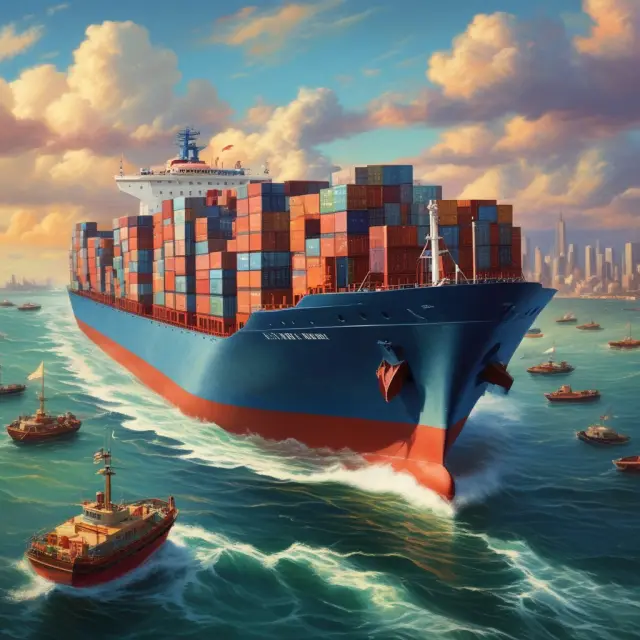
A net importer is a country that imports more goods and services than it exports over a specific time period. This trade gap results in a current account deficit for the net importer, which must be financed through various means such as borrowing from other countries or foreign investment. One of the most prominent examples of a net importer is the United States.
The United States has been a net importer since the 1980s, with its import deficit reaching $678.7 billion in 2020. Although America excels in various export industries like passenger planes, factory equipment, luxury automobiles, soybeans, Hollywood movies, and banking services, its citizens’ love for consuming a vast array of goods and services from other countries has driven the country to be a net importer.
Some significant categories of imported goods by the United States include foods and beverages, oil, passenger cars, vehicle parts and accessories, pharmaceuticals, cell phones, and computers. A country may import specific products while being an exporter in others – Japan, for example, is a net exporter in electronic devices but relies on imports for oil.
Being a net importer offers short-term benefits, such as avoiding potential domestic economic issues and serving as an attractive investment destination due to the US dollar’s status as the world’s reserve currency. However, persistent trade deficits can lead to long-term problems, such as foreign ownership of essential assets and industries, loss of control over resources, and potential political or economic dependency on trading partners.
The financing of a current account deficit mainly relies on borrowing from other countries, particularly those with which the US has significant trade relationships. This borrowing creates a measure of dependency on these creditors and can potentially lead to geopolitical or economic risks in the future. However, it is important to note that not all debt comes with negative consequences; foreign investment can increase productivity and generate jobs in the country. Nonetheless, it could also mean acquisition of existing businesses, natural resources, and other assets by foreign investors, which may lead to concerns over loss of control and strategic resources.
In conclusion, understanding the implications and consequences of being a net importer, like the United States, is crucial for analyzing global trade dynamics and maintaining economic stability. While there are benefits in the short term, addressing long-term challenges and adapting to changing global trade landscapes requires careful planning and strategic initiatives from policymakers and businesses alike.

Benefits of Being a Net Importer
A net importer is a country that imports more goods and services than it exports over a specific period. This situation is commonly referred to as running a trade deficit or a current account deficit, indicating an outflow of funds from the nation’s economy. While having a net import position might seem disadvantageous, there are several benefits for countries in the short term.
One significant advantage lies in consumption levels. Net importing countries can enjoy a higher standard of living and greater access to diverse goods and services than they could produce domestically. For instance, the United States has been a net importer since the 1980s due to its insatiable demand for goods from various sectors. Despite being an industrial powerhouse in several industries like aircraft manufacturing or technology, it still relies on imports for essential products and raw materials, such as oil and food. This reliance on international trade allows American citizens to maintain a high standard of living by accessing a vast array of offerings from other countries.
Another potential advantage is foreign investment attraction. A net importing country can attract significant capital inflows when it offers favorable economic conditions, stable politics, and an attractive market for foreign investors. The foreign exchange earnings generated from exports enable the country to pay for its imports while creating a strong demand for the local currency. This situation can create jobs, improve infrastructure, and lead to increased productivity and overall economic growth.
Moreover, countries that run persistent trade deficits might serve as vital financial hubs within their regions or even globally. Their economies may benefit from being central locations where capital flows in and out of the region, acting as a gateway for international transactions. This role can generate substantial revenue through transaction fees, taxes, and other financial services.
Despite these advantages, net importing countries face long-term challenges associated with continuously running trade deficits. The following section will discuss these issues in detail. However, it is important to acknowledge that the benefits mentioned above are short-term advantages, making a case for why being a net importer is not always detrimental.
In conclusion, the status of a net importer presents both challenges and opportunities. Countries can enjoy numerous advantages such as higher consumption levels, foreign investment attraction, and financial hub opportunities in the short term. However, it is crucial to acknowledge that these benefits must be balanced against potential long-term issues. In the following sections, we will discuss those issues and provide case studies of net importer nations to further explore their experiences.
FAQs:
What happens if a country runs perpetual trade deficits?
A: Continuous trade deficits can result in economic dependency on foreign creditors, potentially leading to political or economic risks.
Can countries be net importers in some sectors and net exporters in others?
Yes, countries can import more in specific sectors while exporting more in others. This situation is common among economies with diverse industries.
Is it bad for a country to always import more than it exports?
Not necessarily, as there are short-term advantages such as higher consumption levels and foreign investment attraction that can offset potential long-term challenges. However, continuous trade deficits must be managed carefully to mitigate risks and maintain economic stability.

The Long-Term Issues with Running Trade Deficits
A net importer is a nation that imports more goods and services than it exports over a specific period. The United States has been a net importer for several decades, leading to a chronic trade deficit of $678.7 billion in 2020. While being a net importer offers short-term benefits such as providing consumers access to more goods and services, it can also result in long-term issues if left unchecked.
One major concern with continuous trade deficits is the need for financing. In order to maintain a balance of payments account, net importers must finance their current account deficits through borrowing from other countries. This dependency on foreign creditors can create potential political or economic risks down the road. For instance, there is a possibility that these creditors may manipulate the country’s economy for their own benefit or demand repayment in a way that negatively impacts the net importer’s domestic industries.
Additionally, large trade deficits can result in an economic phenomenon known as “economic colonization.” Over time, foreign investors acquire businesses, natural resources, and other assets within the net importing country, potentially leading to loss of control over key sectors and strategic resources. This could ultimately impact a nation’s sovereignty and independence.
Moreover, net importers can face inflationary pressures due to an increase in the money supply from foreign capital inflows. A growing trade deficit results in a larger demand for domestic currency, which leads to appreciation of that currency. This appreciation makes exports less competitive in international markets, making it more difficult for a net importer to sell its goods abroad and increasing the reliance on imports.
In conclusion, while being a net importer can offer short-term benefits, it is crucial for countries to be aware of the potential long-term issues associated with continuous trade deficits. It is essential to maintain a balance between imports and exports in order to ensure economic stability, prevent excessive dependence on foreign creditors, and protect national sovereignty.

Financing a Current Account Deficit: Borrowing from Other Countries
A net importer is a country that imports more goods and services than it exports over a specified period. A current account deficit signifies a net importation position, as imports exceed exports. Financing this deficit becomes crucial for net importers to maintain balance of payments. One primary method for financing such deficits involves borrowing from other countries. This section delves deeper into the implications of relying on foreign lenders to finance ongoing current account deficits.
Net Importer vs. Net Exporter
Understanding the distinction between a net importer and a net exporter is essential before discussing financing a current account deficit. A country that imports more than it exports in a given period is considered a net importer, while one that exports more is referred to as a net exporter. The net importing/exporting status can vary for individual commodities or services depending on factors like production capacity, competitiveness, trade barriers, exchange rates, and government spending.
United States’ Net Importing
The United States (US) has been a net importer of goods and services since the 1970s. Despite excelling in various sectors such as passenger planes, factory equipment, luxury automobiles, soybeans, movies, and banking services, Americans have shown an insatiable demand for imports. In 2020, imports totaled $2,810.6 billion while exports were only $2,131.9 billion, resulting in a current account deficit of $678.7 billion. This substantial trade imbalance necessitates financing to maintain the balance of payments.
Borrowing from Other Countries
The primary means of financing a current account deficit is borrowing from foreign lenders. Net importers can attract significant foreign capital by issuing Treasury bonds and other debt securities, which offer attractive yields for investors seeking diversification and safety. These bond sales provide the necessary foreign exchange to pay for the imports while maintaining the balance of payments. However, continuous reliance on foreign borrowing has potential downsides.
Depending on foreign lenders can create an economic dependency, as external creditors gain influence over a country’s economy. Furthermore, repayment obligations may become burdensome, potentially leading to financial instability and political tension. The U.S., for example, holds the world’s largest debt stock of around $30 trillion as of 2021, with a significant portion held by foreign investors.
Benefits of Running a Trade Deficit
In the short term, running a trade deficit can help net importers avoid economic problems such as product shortages or inflation. In addition, a strong currency and attractive interest rates may draw foreign capital, boosting exports while increasing access to foreign goods.
Long-Term Challenges
However, relying excessively on imports while running chronic trade deficits can lead to several long-term issues for net importers. Economic colonization is a potential consequence as foreign investors acquire significant stakes in the country’s economy and industries. Moreover, persistent trade imbalances may lead to political tensions between trading partners and increased protectionist measures.
Case Studies: Net Importer Nations
Japan, Germany, and India are prominent examples of net importing countries, each with unique experiences. Japan, a highly industrialized country, relies on imports for raw materials and energy while exporting manufactured goods. Germany boasts a robust manufacturing sector but has significant import needs due to its large population and demand for goods and services. India, an emerging economy, is gradually increasing its exports while continuing to rely on imports for various industries and commodities.
Pros and Cons of Being a Net Importer
Being a net importer can offer benefits in the short term, such as access to a wider range of goods and services, economic growth, and improved standards of living. However, long-term challenges include potential dependency on foreign lenders, possible economic colonization, and political tensions with trading partners. Ultimately, net importers must carefully manage their trade balances while seeking strategic partnerships and investment opportunities to mitigate these risks.
In conclusion, this section explained the concept of financing a current account deficit by borrowing from other countries in the context of net importers. The importance of maintaining the balance of payments was highlighted with examples, including the United States as a prominent case study. Additionally, benefits and challenges associated with being a net importer were discussed to provide a more comprehensive understanding of this topic for our audience.

Case Studies: Net Importer Nations
Net importers are countries that have a higher value of imported goods and services than their exported goods and services over a given period. The United States is one of the most prominent examples of net importer nations, having a trade deficit of $678.7 billion in 2020. However, there are several other countries that have been persistent net importers throughout history and have experienced varying levels of success and challenges due to this economic status.
One such country is Japan, which is renowned for being an economic powerhouse and a leader in exports, particularly in the electronics sector. Despite its impressive export figures, Japan remains a significant net importer due to its high energy demands, especially oil. The country imports approximately 85% of its crude oil requirements from various countries such as Saudi Arabia, Russia, and Iraq. This reliance on foreign oil not only affects Japan’s balance of trade but also creates geopolitical risks that could influence international relations.
Another example is Germany, Europe’s largest economy, which has been a net importer since the late 1950s. Its net imports primarily consist of crude oil and natural gas due to its significant energy demands. In recent years, Germany has focused on increasing renewable energy production to reduce dependence on fossil fuels from other countries.
A country like Australia, known for being a major exporter of commodities such as iron ore, coal, and liquified natural gas, is another net importer due to its high consumption levels in various sectors, including food and automobiles. Despite being a significant exporter, the country imports approximately $38 billion more in goods than it exports each year on average.
Net importing nations often face challenges such as dependency on foreign trade partners and potential political or economic repercussions if their trading relationships change. For instance, a trade dispute between the net importer and its major trading partner could lead to increased tariffs or restrictions on imports, potentially negatively impacting the net importer’s economy and industries reliant on imported goods.
However, being a net importer can also provide benefits such as access to a broader range of goods and services that might not be produced domestically, creating new opportunities for domestic businesses to import and add value through distribution, marketing, or manufacturing. Additionally, a net importing economy may benefit from foreign investment, which can contribute to economic growth and job creation.
In conclusion, being a net importer is an economic reality faced by various countries worldwide, each with its unique challenges and opportunities. Understanding the implications of this economic status requires careful consideration of both advantages and disadvantages for a country’s long-term economic health and geopolitical standing.

Pros and Cons of Being a Net Importer
A net importer is a country that consistently purchases more goods and services from foreign entities than it exports to them over a given period. A net importing status indicates a current account deficit, which could lead to financial reliance on other countries. The United States, an enormous consumer market, is one of the prominent examples of persistent net importers. While being a net importer isn’t inherently problematic in the short term, there are long-term implications that come with this economic standing.
Advantages of Being a Net Importer
In the short term, having a trade deficit as a net importer offers several advantages. One major advantage is the ability to consume more than produced domestically. A country might import goods to maintain a steady supply in its domestic market, ensuring that consumers have access to a broader range of products and services. Furthermore, a strong economy can attract foreign investment, leading to substantial trade deficits. The status of the U.S. dollar as the world’s reserve currency, for example, creates a strong demand for U.S. dollars. Foreign investors must sell their goods or services to Americans to acquire these dollars.
Disadvantages of Being a Net Importer
The most significant issue with running a chronic and growing trade deficit is the potential for economic colonization. If a country continually imports more than it exports, foreigners will eventually acquire significant ownership in that nation’s businesses, natural resources, or assets. This dependence on foreign investors can impact sovereignty and create geopolitical concerns. Additionally, countries with persistent trade deficits may face inflation due to the increased demand for goods and services, causing a decrease in purchasing power for its citizens.
In conclusion, being a net importer is not inherently bad or good. It has both advantages and disadvantages, particularly in the short term and long term. Understanding these implications can help countries make informed decisions about their trade policies and economic strategies to optimize the benefits while minimizing potential risks.

The Future of Net Importing: Adapting to Changing Trade Landscapes
Net importing countries face several challenges when it comes to adapting to evolving global trade trends and geopolitical shifts. As the international economic landscape continues to shift, net importers must find ways to mitigate the risks associated with their trade deficits and maintain a balance of payments. In this section, we’ll discuss strategies that net importing countries can employ to adapt in the face of changing global trade dynamics.
First, diversification plays an essential role in addressing the challenges faced by net importers. Diversifying imports from various trading partners not only reduces dependency on any single market but also allows countries to secure better deals and negotiate favorable terms. For instance, a country heavily dependent on oil imports can explore alternative sources or look for opportunities to expand its renewable energy sector to reduce its reliance on fossil fuels.
Secondly, investing in domestic industries and fostering economic growth is another effective strategy. By focusing on producing goods that the nation needs and has a comparative advantage, net importers can decrease their dependence on foreign markets and potentially even become net exporters in certain sectors. For example, a country like South Korea, which was once heavily reliant on imports for its industrial sector, managed to transform its economy by investing in domestic industries such as electronics, shipbuilding, and automobiles.
Third, implementing trade policies that encourage exports is another way net importing countries can adapt to changing trade landscapes. This can include reducing tariffs, removing trade barriers, and negotiating free trade agreements with trading partners. For instance, Mexico’s implementation of free trade agreements with the United States and other countries led to a significant increase in its exports, helping it reduce its trade deficit over time.
Fourth, geopolitical shifts can impact net importing countries significantly. In times of global instability or political uncertainty, trade relationships may change, leading to potential disruptions in the supply chain. To mitigate such risks, net importers must remain proactive and adaptable by diversifying their trading partners, maintaining robust communication channels with key stakeholders, and investing in alternative sources of goods and services where possible.
Lastly, a net importing country can adopt financial strategies to manage its balance of payments and reduce the impact of its trade deficits. This could include implementing monetary policies aimed at stabilizing exchange rates, attracting foreign investment, or increasing exports through targeted marketing efforts. For example, countries like Germany and Switzerland have managed to maintain a strong economy despite running chronic trade surpluses by using their financial resources effectively.
In conclusion, adapting to changing global trade trends and geopolitical shifts can be challenging for net importing countries. However, by focusing on diversification, domestic economic growth, trade policies, geopolitical adaptability, and financial strategies, net importers can mitigate the risks associated with their trade deficits and position themselves for long-term success in the global economy.
FAQs on Net Importers
What is a net importer?
A net importer is a country that buys more goods and services from other nations than it sells abroad over a given period of time. This is also referred to as having a trade deficit or running a current account deficit in the balance of payments.
Why does being a net importer matter?
Understanding whether a country is a net importer or a net exporter provides insight into its economic position and its relationships with other nations. The trade balance indicates the overall direction of transactions between countries, offering an essential piece of context for analyzing their economies.
What are the implications of being a net importer?
A net importer depends on foreign suppliers for essential goods and services that may not be produced domestically or in sufficient quantities. This economic dependence can lead to potential issues such as a trade deficit, balance of payments concerns, and reliance on external financing.
Is the United States a net importer?
Yes, the United States has been a net importer for decades due to its large consumer market and imports exceeding exports in various sectors. Some significant categories include foods and beverages, oil, passenger cars, vehicle parts, pharmaceuticals, cell phones, and computers.
What is the difference between being a net importer and net exporter?
A net importer purchases more from other nations than it sells abroad, resulting in a trade deficit or current account deficit. On the contrary, a net exporter exports more than it imports, leading to a trade surplus or current account surplus.
What are the benefits of being a net importer?
In the short term, having a trade deficit can help countries avoid economic problems and ensure a consistent supply of goods and services. In certain cases, foreign investment in a net-importing country can lead to increased productivity and job creation.
What are the long-term issues with running a trade deficit?
Continuous trade deficits may create challenges for countries, such as dependency on external financing, potential political or economic risks from trading partners, and a loss of control over domestic industries and resources.
How is a net importer’s current account deficit financed?
Typically, the current account deficit is financed through borrowing from foreign entities, particularly by selling government bonds to foreign investors. This process can lead to dependency on external financing, which may come with risks in the long run.
What are some examples of net importer countries?
Some notable net importer nations include the United States, Canada, and Japan. These countries have large consumer markets and import significant goods and services from other nations to meet their demands.
Is being a net importer always problematic?
No, there are benefits to having a trade deficit in the short term for countries. However, continuous trade deficits can pose long-term challenges that require careful management and adaptation.
 Next entry · No. 3,434Understanding Net Income (NI): Definition, Calculation, and Implications for Investors
See also
-
 No. 5,029
06 Aug 2025
16 min
Trade Deficits: Causes, Consequences and Examples
International Trade
No. 5,029
06 Aug 2025
16 min
Trade Deficits: Causes, Consequences and Examples
International Trade -
 No. 4,260
04 Jun 2025
26 min
Understanding Quotas in International Trade: What They Are and How They Work
International Trade
No. 4,260
04 Jun 2025
26 min
Understanding Quotas in International Trade: What They Are and How They Work
International Trade -
 No. 4,138
25 May 2025
21 min
Protectionism: Understanding Government Policies That Restrict International Trade
International Trade
No. 4,138
25 May 2025
21 min
Protectionism: Understanding Government Policies That Restrict International Trade
International Trade -
 No. 3,432
28 Mar 2025
19 min
Net Exports: Understanding the Key Concept, Calculation, and Significance for Professional Investors
International Trade
No. 3,432
28 Mar 2025
19 min
Net Exports: Understanding the Key Concept, Calculation, and Significance for Professional Investors
International Trade -
 No. 5,542
17 Sep 2025
19 min
Understanding Voluntary Export Restraints (VERs): What They Are, How They Work, Advantages, Disadvantages and Notable Examples
International Trade
No. 5,542
17 Sep 2025
19 min
Understanding Voluntary Export Restraints (VERs): What They Are, How They Work, Advantages, Disadvantages and Notable Examples
International Trade -
 No. 5,358
02 Sep 2025
17 min
Understanding the Concept of Usance in International Trade and Finance
International Trade
No. 5,358
02 Sep 2025
17 min
Understanding the Concept of Usance in International Trade and Finance
International Trade