Understanding Notice of Termination: What It Is, How It Works and Its Legal Implications

Explore the ins and outs of a Notice of Termination, from its definition and requirements to delivery methods and implications.
What is a Notice of Termination?
A notice of termination refers to the formal document that an employer issues when an employment relationship comes to an end. It acts as a record of the terminated employment, outlining the reason for the separation (if applicable) and the terms of the severance or final payment package. This document can be crucial in maintaining a positive company image if an employee is being let go due to reasons beyond their control, such as business conditions necessitating layoffs or downsizing. The termination notice may also be known as a “pink slip” or a “termination letter.”
Although it’s not mandatory for employers in the United States to provide a written notice of termination under the Fair Labor Standards Act (FLSA), doing so can be beneficial in establishing clear and effective communication between both parties. It sets expectations, offers transparency, and gives employees the opportunity to ask questions and discuss their separation from the company.
However, for employers with 100 or more full-time workers, the Worker Adjustment and Retraining Notification Act (WARN) does require advance notice for mass layoffs or plant closures. This act requires employers to give their employees a minimum of 60 days’ written notice before conducting a plant closing or a mass layoff that will result in an employment loss for 50 or more employees during any 30-day period.
In the U.S., individual companies are not legally obligated to provide termination notices to “at-will” workers, but doing so can help maintain open lines of communication and a positive relationship between parties. The Consolidated Omnibus Benefits Reconciliation Act (COBRA) is one notable exception; employers must comply with this law when providing termination notices and offering continuation coverage for health benefits to eligible employees.
In countries like Canada, an employee who has been with a company for three or more months must be given written notice of termination along with any severance pay or a combination of both, depending on the length of service. The length of notice depends on the employee’s tenure. The notice of termination serves as a formal declaration to other parties that you intend to end your business relationship and may help resolve disputes should they arise later.

When Is a Notice of Termination Required?
A notice of termination is a formal document issued by an employer to notify an employee that their employment will be coming to an end. This document is crucial in situations where the worker’s contract is not set to expire and the termination is not due to poor performance or misconduct. In certain circumstances, providing a notice of termination might be mandatory.
In the United States, employers generally do not need to provide notice of termination under the Fair Labor Standards Act (FLSA), as all American workers are considered “at-will,” which means that an employer can dismiss employees at any time without cause. However, there are specific cases where a notice of termination is necessary:
- Mass layoffs: Under the Worker Adjustment and Retraining Notification Act (WARN), employers with 100 or more workers must provide their employees with a notice of 60 days before any plant closing or mass layoff, which affects at least 50 employees.
- Union members: If an employer has unionized workers, it is obligated to comply with the specific termination policies and procedures outlined in their collective bargaining agreements.
- Termination for cause: Although not legally required, issuing a notice of termination is considered good practice when an employee is being dismissed for cause. This can help maintain the company’s reputation, as it shows that proper processes have been followed.
- Compliance with COBRA and WARN: A notice of termination must include information regarding continuation of group health insurance coverage under the Consolidated Omnibus Budget Reconciliation Act (COBRA) and the Worker Adjustment and Retraining Notification Act (WARN).
The contents of a notice of termination typically consist of:
- Date of last day of employment
- Reason for termination, if applicable
- COBRA information
- WARN information
- Final paycheck details and payment method
- Information regarding any outstanding company property or equipment that must be returned
- Severance package information (if provided)
In some other countries such as Canada, an employee who has been employed for three months or more is entitled to a written notice of termination by their employer along with termination pay. The notice period will depend on the length of service. For example, if an employee has been with the company for less than one year, they should be given one week’s notice; if the employee has been employed for more than 26 weeks but less than one year, they need two weeks’ notice, and so on.
In summary, providing a notice of termination is not always required by law in the United States. However, it can help maintain positive relationships with employees, especially when terminating them for cause or during mass layoffs or plant closures. It may also be mandatory under specific circumstances, such as union contracts or as per the Worker Adjustment and Retraining Notification Act (WARN).

Why Employers Issue a Notice of Termination
A notice of termination, also known as a pink slip or termination letter, is the formal document that employers use to communicate to their employees about the end of their employment relationship. While it isn’t mandatory for employers in the U.S. to issue a termination notice under federal labor law, doing so can serve several important purposes and benefits both parties involved.
First, providing a notice of termination allows an employer to maintain a positive public image. By offering reasons for the employee’s departure, companies can address any potential misconceptions or negative feedback from other employees or the general public. Furthermore, it can help minimize any potential damage to morale and productivity within the organization.
Secondly, delivering a termination notice can provide closure to both parties involved in the employment relationship. It offers finality to an otherwise uncertain situation and allows the employee to begin their job search process with clarity.
In certain cases, employers are required to give advance notice of mass layoffs or plant closures, as outlined by the Worker Adjustment and Retraining Notification (WARN) Act, if they employ 100 or more workers. This act obligates employers to notify their employees and local government authorities at least 60 days before making large-scale staffing changes or shutting down operations.
While a notice of termination isn’t a legal requirement for individual employees in the U.S., it is still considered a best practice. Providing reasons for an employee’s termination can help reduce the likelihood of misunderstandings, disputes, and potential litigation. This clear communication ensures both parties have a clear understanding of why the employment relationship has ended.
In addition to offering transparency in terminations, a notice of termination is also an essential document from an administrative standpoint. It serves as proof that proper procedures were followed during the employee’s departure, providing crucial information for payroll and HR records.
It’s worth noting that in certain countries like Canada, employees are entitled to receive a written notice of termination when their employment is terminated, depending on the length of their service. Employers are required to provide this notice along with any severance pay owed to the employee. The notice period varies based on the number of years an employee has worked for the organization.
In summary, providing a notice of termination offers various benefits to employers and employees, including maintaining a positive image, offering closure, ensuring proper administrative procedures, and adhering to specific country regulations. By being transparent and clear in communication during the employment termination process, both parties can navigate the situation with confidence and minimize any negative consequences.

How the Notice is Delivered and Its Content
The notice of termination, also referred to as a pink slip or a termination letter, plays an essential role in the employment separation process for both employers and employees. Its primary purpose is to officially communicate the end of an employment contract between parties. It’s important to note that while providing a notice of termination is not a legal requirement for individual employers with “at-will” employees in the US as per the Fair Labor Standards Act (FLSA), it can prove beneficial in maintaining a positive public image, especially when the reasons behind the termination are made clear.
The Worker Adjustment and Retraining Notification Act (WARN) is another regulation that comes into play for larger employers with 100 or more employees, mandating them to provide at least 60 days’ notice before carrying out mass layoffs or plant closures. However, there are no specific regulations requiring an individual company to issue a termination notice for “at-will” workers in the US.
Although not mandatory for all cases, including a reason for termination within the notice is often considered best practice, particularly when employees have been dismissed for cause. This section of the notice should provide sufficient details about the reasons behind the decision while remaining respectful and considerate.
The notice itself can be delivered in various ways depending on the specific circumstances – via email, standard mail, or hand delivery. In some cases, an employee may choose to accept a digital copy as proof of termination. The contents typically include:
- Date of Termination
- Reason for Termination (Optional)
- Last Paycheck Information
- Details about any separation benefits or packages
- COBRA Notice and information about continued healthcare coverage
- WARN Act notice, if applicable
- Other relevant contractual provisions
It’s important to note that while employers are not bound by law to provide a termination notice to individual “at-will” employees in the US, it is still a good practice to offer this courtesy as part of a well-rounded HR policy. By doing so, they can help minimize potential disputes and maintain positive employee relations.
In countries like Canada, an employee must be given written notice of termination along with termination pay if they have been employed for three or more months. The length of the notice period depends on the duration of their service. For instance, employees who have worked for less than one year are entitled to a minimum notice of one week, while those with more than two years of tenure require at least eight weeks’ notice.
In summary, providing a notice of termination is not mandatory under US labor laws for individual “at-will” workers but can help maintain positive relationships and minimize disputes. The notice’s content varies between countries, but it generally includes information about the termination date, reasons (optional), last paycheck details, and contractual provisions.

Notice of Termination in Other Countries
When it comes to the world of employment, laws and regulations can differ significantly from one country to another. One area of concern for both employers and employees is the notice period required when terminating an employment contract. In this section, we will explore how notice of termination works in other countries, with a particular focus on Canada.
Canada’s Employment Standards Legislation
In contrast to the United States, Canadian provinces have their own employment standards legislation that sets out minimum requirements for employers regarding employee terminations. The length of the notice period varies depending on the number of years an employee has served with a company and whether they are being let go due to cause or without cause.
Minimum Notice Periods in Canada
Employees who have been employed by the same employer for three months or more but less than two years must be given at least one week’s notice or pay instead of notice, based on their wages. For employees who have worked for two years or more but less than four years, the minimum notice period is two weeks. Employees with longer tenure receive progressively longer notice periods:
- Four to five years: three weeks
- Six to eight years: four weeks
- Nine to twelve years: five weeks
- More than twelve years: six weeks
In addition, if an employer is terminating an employee due to cause (e.g., for misconduct or disobedience), no notice or pay in lieu of notice is required.
Importance and Benefits of Giving Notice
Although employers are legally obligated to provide their employees with a certain notice period, offering this courtesy can bring several benefits beyond regulatory compliance. Providing advance notice helps maintain employee morale, ensures a smooth transition for both parties, and creates an opportunity for the employer to discuss severance packages or other exit arrangements with the departing employee.
In conclusion, while the concept of notice of termination remains applicable in various countries, the specifics can differ greatly. In Canada, for example, minimum notice periods are mandated based on the length of employment and whether termination is due to cause. By being knowledgeable about these regulations, both employers and employees can better navigate the termination process.

Special Considerations for Notice of Termination
Apart from the standard considerations when issuing a notice of termination, there are additional aspects to be aware of. A well-drafted termination notice should reflect sensitivity towards an employee’s emotions during this challenging time, while maintaining clear communication about the rationale behind the decision to terminate their employment.
First and foremost, the manner in which a termination notice is delivered can significantly influence the impact it has on employees. Employers must consider both the location and timing of delivering the notice to ensure that they are not caught off guard or subjected to undue stress in public places or during sensitive moments. It’s essential to provide a private setting for delivering the news and scheduling the conversation at a time that works best for both parties, taking into account their work schedules and personal circumstances.
Employers must also consider the tone they use when conveying the termination news. They should be empathetic yet clear and concise about the reasons for the decision. The language used should reflect respect for the employee’s contributions to the organization and acknowledge their hard work. If an employer can, they may offer severance pay or other forms of support, such as counseling services or career transition assistance, which could help mitigate the emotional impact on the employee.
Additionally, employers must be aware of any legal requirements related to notice periods, redundancy payments, and statutory benefits in their jurisdiction. In some countries like Canada, providing a termination notice is mandatory for employees who have been employed for a minimum period (depending on the province). Failing to provide proper notice could result in penalties, additional costs, or reputational damage.
Employers should also remember that handling a termination notice can be an emotional process for everyone involved. It’s essential to prepare the employee with resources and support, such as contact information for counseling services, unemployment benefits, and other relevant organizations. This proactive approach will not only help alleviate some of the stress associated with being let go but also show that the employer genuinely cares about their former employee’s wellbeing.
Lastly, termination letters often contain specific details about the severance package or other financial arrangements, so employers must be sure to review and understand these terms carefully before issuing the notice. Missteps in this regard could result in misunderstandings and potential legal disputes.
In conclusion, a notice of termination is an essential communication tool for employers looking to formally end a business relationship while providing a clear explanation to the parties involved. By following best practices, such as delivering the news with sensitivity and clarity, being aware of any legal requirements in their jurisdiction, and ensuring all details are accurately communicated, employers can minimize the negative impact on employees and maintain a positive reputation.

Effective Communication in Giving Notice
The moment an employer decides to let go of an employee, there’s a considerable amount of uncertainty that comes with the situation for both the company and the individual. The termination process is sensitive as it not only involves legal obligations but also emotional considerations. Effective communication plays a crucial role in ensuring a smooth transition for all parties involved, minimizing potential harm to the employer’s reputation and maintaining a positive work environment.
When delivering bad news, employers should remember that how they handle the notification process is just as essential as why they are terminating an employee. This section explores best practices for communicating termination effectively with employees, focusing on sensitivity, clarity, and fairness.
Sensitivity
Employers must be sensitive when delivering notice of termination to employees. The announcement can be emotionally taxing for those who lose their jobs, so it’s vital that employers approach the situation with compassion and professionalism. Managers should consider providing the news in a private setting, away from coworkers and other distractions, to avoid embarrassment or humiliation.
Clear Communication
Communicating termination news clearly is essential for ensuring a thorough understanding of the situation. Employees who are let go deserve accurate information regarding their separation, including details about any severance packages offered or benefits that may be available. In cases where multiple employees are being terminated, it’s crucial to provide clear instructions on next steps and ensure all parties receive consistent messaging.
Fairness
Being fair during the termination process is a critical aspect of effective communication. Employers should adhere to established company policies and follow all relevant employment laws when making decisions related to terminations, ensuring that employees are treated fairly and consistently. This includes providing detailed explanations for the reasons behind the termination, allowing opportunities for appeals if applicable, and maintaining confidentiality throughout the process.
Best practices in communicating notice of termination include:
- Providing the news face-to-face or via a pre-planned call, rather than through email or a letter.
- Allowing ample time for employees to ask questions and receive answers.
- Offering severance packages or support services for those who are being terminated.
- Providing clear instructions on next steps, such as final paychecks and COBRA information.
- Ensuring all documentation is accurate and up-to-date before delivering the news.
- Maintaining a consistent approach to terminations, regardless of employee position or tenure.
- Being prepared for any potential reactions from employees, such as anger, shock, or denial.
- Offering resources to help employees prepare for their next steps, such as job placement services or resume writing assistance.
- Creating a clear and well-documented process for terminations to minimize the risk of misunderstandings or disputes.
- Ensuring that all termination meetings are conducted by HR or other trained managers who can handle sensitive conversations effectively.
In conclusion, effective communication during the notice of termination process is vital for preserving a positive employer brand and maintaining a healthy work environment. By being sensitive, clear, and fair throughout the termination process, employers can minimize negative impacts on both their organization and their departing employees.
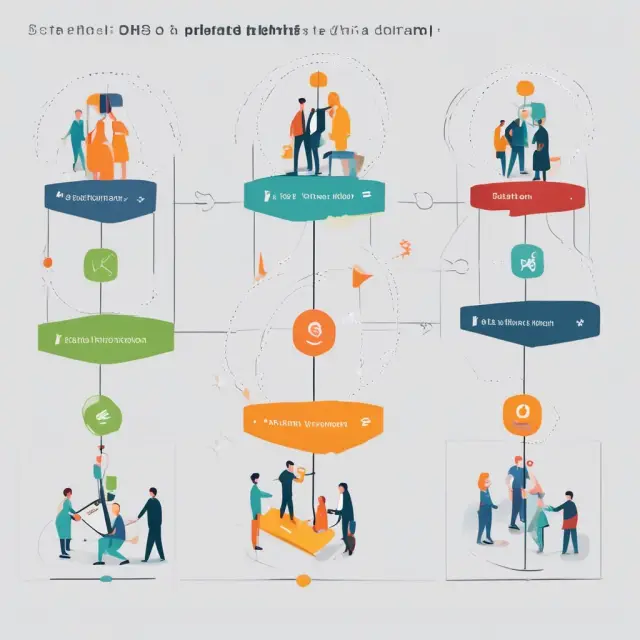
Termination Process Flow: From Suspension to Final Termination
Once the decision has been made to part ways with an employee, the next steps involve issuing a notice of termination. The process often begins with a suspension from work if an investigation is necessary, followed by a series of actions designed to ensure a smooth transition for both parties.
1. Suspension: In instances where there’s a possibility of an investigation, such as cases of alleged misconduct or poor performance, employers may choose to suspend the employee while they look into the matter. During this time, employees are typically barred from accessing company property and resources, though they may still receive their full salary and benefits. Suspension is usually a temporary measure aimed at allowing all parties involved to gather facts and assess whether termination is warranted.
2. Decision to Terminate: Once an investigation (if applicable) has been completed, the employer makes a final determination about the employee’s employment status. If termination is the chosen course of action, a notice of termination follows.
3. Notice of Termination: This critical document communicates the decision to the employee formally and sets forth the terms of their departure. It may include details like the reason for separation (if stated), any severance pay or benefits, last working day, and other relevant information.
4. Exit Interview: In some cases, an exit interview is conducted between the terminated employee and human resources (or another representative from the company) to discuss their time with the organization, address any questions they may have, and provide feedback from both parties.
5. Documentation: The employer prepares necessary documentation related to the separation, such as release agreements, final payroll checks, and tax forms.
6. Communication: The notice of termination is delivered to the employee either in person or through mail, depending on company policy. A copy is typically retained by human resources for record-keeping purposes.
7. Separation Agreement: If applicable, the employer and employee may sign a separation agreement outlining the terms of their departure, including any confidentiality or non-compete clauses. This agreement helps protect the organization’s intellectual property and trade secrets while providing the terminated employee with some financial security during their job search.
8. Final Payroll: The final payroll is processed, which includes any outstanding wages, accrued vacation time, and other benefits that were owed to the employee prior to their separation.
9. Tax Consequences: It’s essential to understand the tax implications for both parties involved in the termination process. For employees, they may be required to pay taxes on severance pay or other forms of compensation, while employers must report terminated employees as former W-2 wages and file corresponding tax documents.
10. Post-Termination: Once an employee has left the organization, it’s essential for all parties involved to adhere to any post-termination obligations, such as maintaining confidentiality or complying with non-compete clauses. These terms help protect the company’s interests while ensuring a smoother transition for both parties.

Tax Consequences of Notice of Termination
When an employee is given a notice of termination, both the employer and the employee may face various tax implications depending on their individual circumstances. It’s crucial for both parties to understand these potential consequences in order to navigate the process effectively. In this section, we will discuss some common tax considerations related to notice of termination.
For Employees
When an employment contract is terminated, employees may be subject to various taxes such as federal income tax, state income tax, and employment taxes (Social Security and Medicare). These taxes are typically withheld from their final paycheck(s) or paid through payroll deductions. However, there are certain circumstances where an employee may need to pay taxes upfront, such as when they receive severance pay or other forms of deferred compensation, like bonuses.
The most common tax consequence for employees is the Alternative Minimum Tax (AMT). The AMT is a parallel tax system designed to ensure that high-income individuals pay at least a minimum amount in taxes, regardless of any deductions and exemptions they might be entitled to under regular tax rules. Employees may become liable for AMT if their employment contract includes salary deferrals, bonuses, or other forms of nonqualified deferred compensation.
Employees who are terminated but receive unemployment benefits should also note that these benefits are subject to federal and state income taxes, as well as FICA taxes. Employees may need to adjust their withholding allowances accordingly to avoid underpayment penalties.
For Employers
From an employer’s perspective, a notice of termination can trigger various tax obligations. First, the employer is responsible for reporting the terminated employee’s wages and taxable fringe benefits on Form W-2. Additionally, if the employee receives severance pay or other forms of deferred compensation, the employer must withhold federal income tax and FICA taxes from these payments.
Employers are also required to file Form 1099-R (Report of Interest and Dividends) for any separation benefits paid to a former employee, such as severance pay or retirement plan distributions. The form reports the total amount paid and any applicable federal income tax withheld from these payments.
When an employer terminates an employee’s employment, they may be subject to certain tax-related liabilities under the Consolidated Omnibus Budget Reconciliation Act (COBRA). Under COBRA, employers are required to offer continuation coverage for up to 18 months following a termination of employment. The employer is responsible for notifying the employee and their dependents about their eligibility for this coverage, as well as any applicable premium payments.
In certain cases where an employee’s termination is due to retirement or disability, employers may be eligible for tax credits under the Americans with Disabilities Act (ADA) or the Older Workers Benefit Protection Act (OWBPA). These tax credits help offset the costs associated with offering continued health coverage to these employees.
Understanding the potential tax implications of a notice of termination is essential for both employers and employees to ensure that they are meeting their respective tax obligations and avoiding any unwanted surprises or penalties. It’s always recommended that individuals consult a tax professional if they have any concerns regarding the tax consequences of a termination notice.

Handling the Emotional Side of Notice of Termination
A notice of termination can be an emotionally taxing experience for both employers and employees. The process may vary depending on individual circumstances and company policies, but it is crucial to approach it with sensitivity and compassion when delivering news that could potentially impact someone’s livelihood and future prospects. While the legal aspects of terminating an employment contract are essential, addressing the emotional implications of this transition is equally vital in maintaining a positive relationship between employer and employee post-termination.
It’s important to understand that emotions play a significant role in how we react to news—good or bad. The loss of a job, especially an unexpected one, can bring about feelings of shock, fear, anger, sadness, and frustration. An effective approach for employers when delivering notice of termination is acknowledging the emotional impact on their employees and addressing it in a thoughtful, empathetic manner.
First, ensure that the conversation takes place in a private setting where the employee can feel safe to express their feelings. Approach the situation with an open mind and a non-judgmental attitude. Allow the employee time to process the news and ask questions. It’s essential to listen actively and provide clear answers while being respectful of their privacy, confidentiality, and dignity during this conversation.
In addition, be transparent about the reasons for termination if it is necessary or allowed by company policy. This approach can help minimize any confusion or misinterpretations that might arise following the termination. Provide resources and support to help employees through the transition process. Offering severance packages, job placement assistance, and counseling services are practical steps an employer can take to alleviate some of the financial and emotional stress during this difficult time.
Lastly, maintaining open lines of communication even after the termination is essential. Employers should make it clear that they remain approachable for any questions or concerns the employee may have post-termination. This gesture not only shows respect but also helps maintain a positive image and reputation within their industry and community. By handling the emotional side of notice of termination with care, employers can help mitigate negative repercussions and foster goodwill towards their organization.
In summary, understanding the emotional side of notice of termination is crucial to ensuring that both parties navigate this process effectively. Approaching it with empathy, compassion, transparency, and open communication will help maintain a positive relationship between the employer and employee post-termination.

FAQs about Notice of Termination
What is the purpose of a notice of termination?
A notice of termination serves to formally notify an employee that their employment contract will be ending, either due to business conditions or poor performance. It acts as a record of the decision to terminate and helps preserve relationships between parties.
Is it a legal requirement for employers to give advance notice before firing an employee?
In the United States, the Fair Labor Standards Act does not require employers to provide a notice of termination to their employees prior to termination. However, some federal laws like the WARN Act and the Consolidated Omnibus Benefits Reconciliation Act (COBRA) do require advance notice for mass layoffs or when providing specific types of benefits.
Can a reason for termination be withheld?
While reasons for termination need not be stated in the notice, it is generally considered best practice to provide reasons to employees who are being fired for cause. This helps maintain transparency and can minimize potential legal disputes.
What laws govern the requirement for providing notice of termination?
The Worker Adjustment and Retraining Notification Act (WARN) and Consolidated Omnibus Benefits Reconciliation Act (COBRA) are two important federal laws that govern certain aspects of notice of termination, including mass layoffs and benefits continuation. Additionally, some states have their own specific requirements for employers providing a notice of termination.
How long does an employer need to give notice before terminating?
In the United States, there is no legal requirement for advance notice prior to firing employees. However, if a company is planning mass layoffs or plant closures and falls under the jurisdiction of the WARN Act, they must provide 60 days’ notice to their employees in certain situations.
How does a notice of termination impact employee benefits?
When an employer issues a notice of termination, it often includes information related to continued benefits, such as COBRA, which can help bridge the gap between employment and finding new health insurance coverage. Employees should carefully review their notification for this information.
What are the tax consequences of a notice of termination?
Depending on the circumstances, both the employer and employee may face various tax implications related to a termination notice. The specific taxes can include federal income tax, social security tax, Medicare tax, and state income tax. It is important for both parties to consult their tax advisors for guidance on any potential tax consequences.
How should an employer deliver the notice of termination?
The most common methods for delivering a notice of termination include email, US mail, or in person. Regardless of the method used, the notification must be clear and easily understandable to avoid confusion. If possible, providing a copy of the notice in writing is recommended.
How long should an employer give an employee after issuing a notice of termination before the employment ends?
There is no legal requirement for how long an employer must wait after delivering a notice of termination before the employment actually ends. However, employers may choose to include a notice period in their notice of termination to give employees additional time to wrap up their work and make other necessary arrangements before leaving the company.
Can a notice of termination be negotiated?
In some cases, it is possible for an employee or employer to negotiate the terms of a notice of termination. Common negotiation points include the amount of severance pay, the length of the notice period, and the specific reasons for termination. However, these negotiations should be approached carefully to ensure that both parties receive a fair outcome.
 Next entry · No. 3,576Understanding Notice to Creditors: A Guide for Professional Investors
See also
-
 No. 5,538
17 Sep 2025
18 min
Understanding Voluntary Termination: A Comprehensive Guide for Employees and Investors
Business Strategy
No. 5,538
17 Sep 2025
18 min
Understanding Voluntary Termination: A Comprehensive Guide for Employees and Investors
Business Strategy -
 No. 4,935
29 Jul 2025
25 min
Understanding the Implications of Termination of Employment: Voluntary vs Involuntary
Business Strategy
No. 4,935
29 Jul 2025
25 min
Understanding the Implications of Termination of Employment: Voluntary vs Involuntary
Business Strategy -
 No. 3,618
13 Apr 2025
20 min
Understanding the Occupational Safety and Health Act: History, Components, Enforcement, and Penalties
Business Strategy
No. 3,618
13 Apr 2025
20 min
Understanding the Occupational Safety and Health Act: History, Components, Enforcement, and Penalties
Business Strategy -
 No. 1,454
18 Sep 2024
20 min
Understanding the Family and Medical Leave Act (FMLA): A Comprehensive Guide for Employers and Employees
Business Strategy
No. 1,454
18 Sep 2024
20 min
Understanding the Family and Medical Leave Act (FMLA): A Comprehensive Guide for Employers and Employees
Business Strategy -
 No. 1,304
27 Aug 2024
19 min
Understanding the Role and Functions of the Equal Employment Opportunity Commission (EEOC)
Business Strategy
No. 1,304
27 Aug 2024
19 min
Understanding the Role and Functions of the Equal Employment Opportunity Commission (EEOC)
Business Strategy -
 No. 706
24 May 2024
19 min
Understanding Collusion in Finance: Types, Deterrence, and Real-world Examples
Business Strategy
No. 706
24 May 2024
19 min
Understanding Collusion in Finance: Types, Deterrence, and Real-world Examples
Business Strategy