Understanding the Significance of Gross Processing Margin (GPM) in Commodity Trading
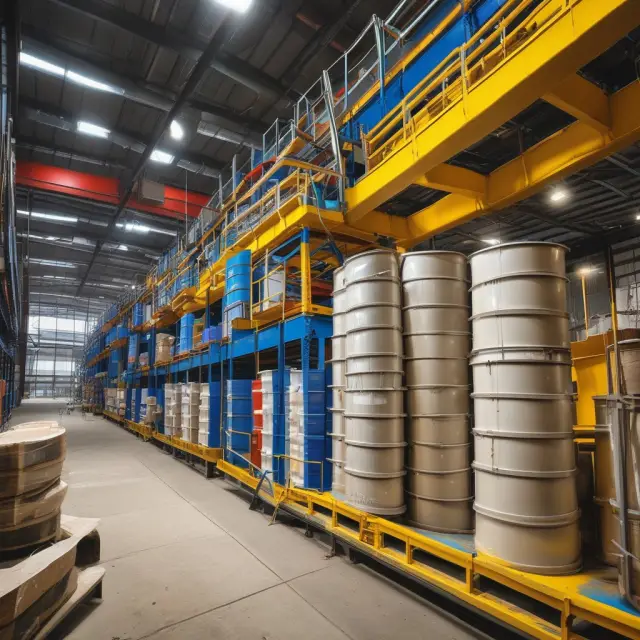
Understanding the concept, calculation & impact of Gross Processing Margin (GPM) on commodity trading. Learn strategies, risks, and case studies.
Introduction to Gross Processing Margin (GPM)
The gross processing margin (GPM), also known as value-added margin or gross spread, is a crucial metric for both commodity producers and traders. It represents the difference between the cost of acquiring raw materials and the revenue generated from selling the resulting finished products. This margin plays a significant role in commodity markets as it impacts both the production process and the price dynamics of various commodities and their related derivatives.
Key Differences Between GPM and Other Profit Margins
Unlike net profit margins, which subtract all costs from revenue to determine earnings, gross processing margins only consider the difference between input and output prices without accounting for operating expenses or taxes. It’s important to note that this margin is not specific to commodity markets but can also be observed in industries such as manufacturing, agriculture, and mining.
Understanding Gross Processing Margin (GPM)
The gross processing margin for various commodities can vary significantly, influenced by factors like supply and demand, weather events, geopolitical risks, and technological advancements. For example, the price spread between crude oil and gasoline is often referred to as the crack spread in the oil industry. Similarly, the crush spread in the soybean market measures the difference between soybeans, soybean oil, and soybean meal prices.
The gross processing margin plays an essential role for businesses involved in commodity production by indicating profitability levels and guiding strategic decisions related to capacity expansion or contraction. Moreover, it is also a valuable metric for traders looking to capitalize on price discrepancies between raw materials and finished products through hedging strategies, futures markets, and options trading.
In the next sections of this article, we will deep dive into the calculation, impact, and strategies surrounding the gross processing margin in various commodity markets such as oil, soybeans, canola, and others. Stay tuned for more insights on how to harness the power of gross processing margins to optimize your investment strategy!
Components and Calculation of Gross Processing Margin (GPM)
The gross processing margin (GPM) is a crucial concept in the world of commodity trading. It represents the difference between the cost of a raw commodity and the revenue generated from selling it as a finished product. This section will delve deeper into the concept, explaining how to calculate GPM for various commodities like oil, soybeans, canola, and more, while highlighting the significance of supply and demand in determining GPM’s value.
Firstly, let’s explore some key differences between GPM and other profit margins:
1. Traditional profit margin: The traditional profit margin is calculated by subtracting the cost of goods sold from revenue, then dividing that number by revenue (profit margin = net sales – cost of goods sold / net sales).
2. Value-added tax (VAT) or gross margin: This type of margin refers to a company’s total revenue minus the cost of the inputs required to generate that revenue before any indirect taxes, such as VAT, are added.
In comparison, GPM is a unique profit margin specific to commodities trading that measures the difference in price between the raw materials and their processed products. For instance, when calculating the GPM for oil, consider the difference between the cost of crude oil and the revenue generated from selling gasoline or other refined petroleum products.
Calculating Gross Processing Margin (GPM)
The calculation of GPM is straightforward. Begin by identifying the costs associated with processing the raw commodity into a finished product. This includes direct costs like labor, energy, and machinery wear and tear, as well as indirect costs such as overhead expenses. Then, subtract these costs from the revenue generated by selling the processed product:
Gross Processing Margin (GPM) = Revenue from selling finished product – Cost of processing raw commodity
For example, suppose a farmer harvests 100,000 bushels of soybeans at an average cost of $8.50 per bushel. The farmer then sells the processed soybean oil for $20.00 per gallon, which is equivalent to 45,613 gallons (assuming a yield of 7 pounds of oil per bushel). Given that one gallon of oil equals approximately 8.32 pounds, calculate the total revenue from selling soybean oil:
Total revenue = 45,613 gallons * $20.00/gallon = $912,260
Now, let’s assume that the farmer spent a total of $65,000 on processing expenses to turn the soybeans into oil. Calculate the gross processing margin:
Gross Processing Margin (GPM) = Total revenue – Processing cost = $912,260 – $65,000 = $847,260
Understanding Gross Processing Margin’s Importance in Commodity Trading
Gross processing margin plays a crucial role in commodity trading. As previously mentioned, it represents the price difference between raw materials and their processed products. By analyzing trends in gross processing margins, traders can gain insights into industry-specific developments and make informed decisions about production capacity expansion or hedging strategies.
Investors and traders closely monitor GPM because its value fluctuates based on various factors like supply and demand, geopolitical events, technological advancements, and changing consumer preferences. When the gross processing margin widens due to a significant decrease in input costs or an increase in the price of the finished product, it’s often considered a signal for increased production capacity.
However, it is important to remember that while a larger GPM can represent more sustainable industry growth, it can also pose risks for businesses dealing with the commodity and traders. In some cases, a high GPM may be dangerous if it leads to overproduction or oversupplying the market, causing prices to plummet. Conversely, a low GPM could lead to insufficient production capacity and higher costs, impacting the overall profitability of businesses in the sector.
As you continue exploring commodity trading, understanding the concept of gross processing margin will be essential for making informed decisions about investments and identifying opportunities within this dynamic market.

Impact of Geopolitical Events on Gross Processing Margin (GPM)
The gross processing margin (GPM), or the difference between the cost of a raw commodity and the income earned once it is sold as a finished product, can be significantly influenced by geopolitical events. These events, often causing instability in regions responsible for producing the raw materials, may result in fluctuating spreads between inputs and outputs. For instance, let’s consider crude oil as an example. The cost of crude oil versus the income derived from selling gasoline (a finished product) makes up the gross processing margin or “crack spread” in this context.
Geopolitical instability can have a substantial effect on the prices of both raw commodities and their corresponding finished products, leading to widening or narrowing margins. When the margin widens due to price disparities between inputs and outputs, it is often viewed as an indicator for expansion in production capacity. Conversely, a narrowing gap between input and output costs may signify potential risks and volatility in the market.
Case Study: The Role of Geopolitical Instability in the Oil Market
In 2014, geopolitical events such as the Ukrainian crisis led to instability in oil-producing regions like Russia. As a result, crude oil prices experienced an abrupt increase, causing a subsequent narrowing of the crack spread. This situation presented both opportunities and challenges for traders who were able to take advantage of these price disparities by going long on crude oil and shorting gasoline.
Another example can be seen in 2016 when geopolitical tensions escalated between Saudi Arabia and Iran, which are two major oil-producing nations. This instability once again caused significant volatility in the market, causing the crack spread to widen as crude oil prices fell while gasoline prices remained relatively stable. In this instance, traders could capitalize on the increased margin by purchasing crude oil and selling their futures contracts on gasoline.
Trading Strategies for Navigating Geopolitical Risk
Traders can use various strategies to manage risk when dealing with gross processing margins that are influenced by geopolitical instability. One approach is to employ options or forward contracts to hedge positions. For instance, a trader could use an option contract to protect their long position in crude oil by buying a put option, which would limit their downside risk if the price of crude oil were to fall. Alternatively, they could purchase a call option on gasoline to take advantage of potential gains if the price of gasoline rises.
In conclusion, understanding how geopolitical events can impact gross processing margins is crucial for investors and traders involved in commodity markets. The ability to recognize these trends and adapt accordingly can lead to significant opportunities for profit, as well as effective risk management strategies that help mitigate potential losses due to market volatility.

Trading Strategies for Gross Processing Margin (GPM)
The gross processing margin is a crucial concept in commodity trading, allowing investors, traders, and speculators to capitalize on price discrepancies between raw materials and their finished products. By understanding the dynamics of GPM, one can employ various strategies to generate profits from these price spreads. Let’s delve into some of the most popular trading methods for taking advantage of gross processing margins.
1. Long Positions: A long position refers to buying an asset with the expectation that its price will rise in the future. In the context of GPM, a trader can take a long position on the commodity and a short position on the finished product. For example, if one believes that the price of crude oil is going to increase while gasoline prices remain stagnant, they could profit by buying oil futures and selling gasoline futures simultaneously.
2. Short Positions: Conversely, a trader can also take a short position on both the commodity and its finished product but with opposite expectations. In this case, if they believe that gasoline prices will rise while crude oil remains stable or even falls, they could sell both futures contracts to profit from the spread.
3. Hedging: Hedging involves using a derivative instrument like options or futures to offset the risk of an existing position or potential future exposure. In commodity trading, hedging with GPM can be employed to protect against price swings and lock in profits. For instance, a farmer producing soybeans can sell their future production at a locked-in price using a futures contract, while simultaneously buying futures for the byproduct, such as soybean meal or oil. This strategy allows the farmer to secure a stable income regardless of market fluctuations.
Traders use various strategies to take advantage of gross processing margins in commodity trading. The risks and rewards associated with these methods can be substantial, making it essential to have a deep understanding of both the underlying commodities and their markets. By mastering the dynamics of GPM, one can employ profitable strategies while effectively managing risk.
To illustrate how traders use gross processing margins in various commodities, let’s explore two case studies: oil refining and soybeans crushing. In the next sections, we will dive deeper into these examples to gain a better understanding of their unique aspects and market conditions.

Advantages and Disadvantages of High Gross Processing Margin (GPM)
Gross processing margin (GPM) is a critical concept in the realm of commodity trading, representing a significant difference between raw materials’ costs and their final product’s sale price. While fluctuations in GPM can provide lucrative opportunities for traders, it comes with its advantages and disadvantages for both commodity producers and traders.
Producers:
- Higher Revenues: A high GPM enables commodity producers to secure substantial revenues due to the price difference between raw materials and finished goods. This can lead to increased profitability, potentially driving further expansion of production capacity.
- Enhanced Market Position: With a robust gross processing margin, commodity producers can establish a strong market position by offering competitive pricing for their final products while maintaining healthy profit margins. However, the downside is that they may face increased pressure from competitors or consumers if the GPM narrows.
- Price Fluctuations: Commodity prices are subject to considerable volatility due to supply and demand dynamics. High GPM can provide a buffer for commodity producers during price downturns, but it may also create challenges when dealing with unexpected spikes in raw material costs or market disruptions.
- Long-Term Planning: A high GPM allows commodity producers to better plan their operations, enabling them to make informed decisions about future investments and production schedules based on historical trends and forecasts.
Traders:
- Arbitrage Opportunities: For traders seeking arbitrage opportunities, a wide gross processing margin between related commodities creates potential profit opportunities by exploiting price discrepancies in the market.
- Hedging Strategies: High GPM can be an effective hedging tool for traders to manage risk in their portfolios by taking advantage of price spreads and diversifying investments across various commodities and markets.
- Speculative Trading: A high gross processing margin may attract speculative trading activity, as investors look to capitalize on the potential profit opportunities created by the price difference between raw materials and finished goods.
- Increased Market Volatility: However, high GPM can also introduce increased market volatility due to the heightened interest from traders and investors. This can create additional risks for commodity producers and traders alike.
In conclusion, a high gross processing margin offers both advantages and disadvantages for commodity producers and traders. While it provides opportunities for higher revenues, improved market positioning, and risk management strategies, it also introduces increased volatility and potential challenges in the form of price fluctuations and competition. Understanding these dynamics is crucial to making informed decisions about investments, production schedules, and hedging strategies in the commodity markets.

Case Study: Oil Refining and Crack Spreads
The gross processing margin (GPM), also known as crack spread, plays a vital role in the oil market, specifically for refiners looking to convert crude oil into valuable petroleum products like gasoline or diesel. By understanding how GPM works and its underlying components, investors can identify opportunities to profit from price discrepancies between crude oil and refined products.
At its core, the gross processing margin is the difference between the cost of a raw commodity, such as crude oil, and the income generated from selling refined products derived from that commodity. In the case of oil, refiners process crude oil into various petroleum products using a complex refining process called ‘cracking.’ The crack spread, which is another term for GPM in the oil industry, is calculated by subtracting the price of a barrel of crude oil from the combined price of gasoline and diesel.
Historically, oil refiners have used the gross processing margin to manage their risks and optimize profitability. When the spread between crude oil and refined products widens, it signifies an opportunity for increased production capacity due to a more favorable price environment for the outputs. Conversely, when the crack spread narrows, it could indicate a less profitable situation for refiners, potentially leading them to cut production or even shut down facilities entirely.
The gross processing margin for oil is heavily influenced by geopolitical events and regional instability, as demonstrated in historical case studies. For example, during the 2011 Libyan civil war, the conflict led to a reduction in oil supply due to disrupted production from Libya. This event caused the price of crude oil to surge, resulting in a narrow crack spread that negatively impacted refiners’ profitability. However, traders saw this as an opportunity and went long on crude oil futures while shorting gasoline and diesel contracts, expecting the spread to widen once stability was restored.
Understanding the gross processing margin and its relationship with the crack spread is crucial for investors, traders, and refiners alike. This knowledge allows them to make informed decisions when it comes to buying, selling, and hedging positions in the oil market. By monitoring the gross processing margin and identifying trends or changes, participants can optimize their strategies and capitalize on opportunities that arise from the dynamic relationship between crude oil and its refined products.

Case Study: Soybeans and Crush Spreads
The gross processing margin (GPM) plays a vital role in understanding the economics of various commodity markets, such as soybeans. The term ‘crush’ is used to describe the process of converting raw soybeans into valuable byproducts like oil and meal through crushing and pressing. Soybean crushers purchase raw beans at one price and sell their end products (soybean oil and meal) at potentially different prices, creating a spread known as the crush spread.
The crush spread is an essential metric for investors, traders, and farmers to assess profitability within this industry. It reflects the gross processing margin (GPM) of soybean processors, helping them gauge their potential earnings before subtracting costs like labor, utilities, and maintenance expenses. A higher crush spread translates into a more profitable processing operation, as it indicates that the value of the oil and meal produced exceeds the cost of purchasing raw beans.
Several factors can influence soybean crush spreads:
- Soybean prices: The price of raw soybeans is a significant determinant of crush spreads. When bean prices are low, processors can earn more profit by crushing and selling oil and meal to capture the value differential between these byproducts and raw beans.
- Oil and meal prices: The demand for soybean oil and meal also impacts crush spreads. Higher prices for these products can lead to wider spreads for processors, increasing their potential earnings per bushel of soybeans.
- Currency movements: Exchange rates play a role in determining the profitability of crushing operations that operate internationally or deal with global commodity markets. A weak dollar can increase demand for U.S.-origin soybeans and boost crush spreads, while a strong dollar can have the opposite effect.
Traders often employ futures contracts to manage risk when dealing with crush spreads. By going long on soybean futures and shorting oil or meal futures, traders can hedge their positions against market volatility. This strategy allows them to capitalize on potential price discrepancies between these underlying commodities and the final processed products.
It’s important to note that while a high crush spread indicates profitable opportunities for processors and traders, it can also signal increased competition within the industry. When crush spreads are substantial, more players may enter the market, driving down prices for both raw soybeans and the end products. This competition could ultimately result in narrower crush spreads and lower profits for all parties involved.
Understanding the dynamics of crush spreads and gross processing margins is crucial for anyone involved in the soybean value chain, including producers, traders, investors, and processors. Keeping a close eye on these metrics can help stakeholders make informed decisions, manage risk, and capitalize on market opportunities.

Future Outlook for Gross Processing Margin (GPM)
Understanding the Future Dynamics of Gross Processing Margins in Commodity Markets
The gross processing margin (GPM), a crucial indicator within commodity trading, represents the difference between the cost of acquiring a raw commodity and the revenue it generates upon being processed into a finished product. As such, this margin plays an essential role for both commodity producers and traders alike when making strategic business decisions. In this section, we will explore the future outlook for gross processing margins across various industries, emphasizing the impact of technological advancements, changing consumer preferences, and regulatory policies.
Technological Advancements: The Role in Processing Margins
The ongoing evolution of technology plays a significant role in shaping the future dynamics of gross processing margins. Technological innovations often lead to increased productivity, efficiency, and lower production costs for numerous commodities. For example, advancements in agricultural technology can help reduce the cost per tonne of producing crops, potentially shrinking the gross processing margin for agro-commodities like soybeans or corn. Simultaneously, breakthroughs in manufacturing and refining processes can lead to higher efficiency, which could decrease the gap between raw commodity inputs and their finished products’ sale prices.
Changing Consumer Preferences: How They Impact Gross Processing Margins
Consumer preferences have a profound influence on gross processing margins, particularly within industries that rely heavily on consumer demand. For instance, as consumers shift towards a more plant-based diet, the demand for soybean meal and oil is expected to rise, potentially increasing the gross processing margin for this commodity. Similarly, changes in consumer preferences could impact the production of fossil fuels and their byproducts, leading to varying margins for different products within this sector.
Regulatory Policies: The Impact on Gross Processing Margins
Governmental regulations and policies can have a substantial impact on gross processing margins. For example, environmental regulations such as carbon pricing could increase the cost of producing certain commodities, leading to smaller processing margins. Additionally, trade policies and tariffs can significantly alter the gross processing margin for various commodities by influencing production costs and demand dynamics within global markets.
Case Studies: Understanding Historical and Future Trends in Gross Processing Margins
A comprehensive analysis of historical case studies can provide valuable insights into how gross processing margins have evolved over time, and what factors might shape their future developments. For instance, an examination of the oil refining industry’s crack spread, a common measure of the gross processing margin for crude oil, can reveal trends regarding technological advancements, changing consumer preferences, and regulatory policies. Similarly, studying the history of soybean crushing spreads, which represents the difference between soybean prices and the sale price of both soybean oil and meal, can offer insights into how agricultural innovations, consumer behavior shifts, and regulatory decisions have impacted processing margins within this sector.
Conclusion: Preparing for an Unpredictable Future with Gross Processing Margins
In conclusion, understanding the future outlook for gross processing margins is vital for commodity producers and traders to navigate the complexities of their respective industries. By staying informed about technological advancements, changing consumer preferences, and regulatory policies, stakeholders can make strategic decisions that optimize their profitability and mitigate risks associated with these dynamic margin indicators.

Risk Management Strategies in Commodity Trading with Gross Processing Margin (GPM)
One of the most effective strategies used by commodity traders is capitalizing on the gross processing margin (GPM), which represents a critical indicator of profitability for processors and refiners. GPM, also known as crack spread or crush spread in various industries, measures the difference between the cost of acquiring raw materials and the revenue generated from selling their processed derivatives. This section explores various risk management strategies employed by commodity traders to take advantage of the gross processing margin.
Option Hedging
One popular risk management strategy among commodity traders is option hedging, whereby they purchase call or put options based on their expectations about future GPM movements. For instance, if a trader expects an increase in GPM for soybean meal due to a predicted decrease in crude oil prices, they might buy a call option with a specified strike price and expiration date. Conversely, if the trader anticipates lower profit margins, they may opt to purchase put options instead. This strategy can help lock in potential profits while limiting losses from market volatility.
Futures Contracts
Another common risk management technique for commodity traders is using futures contracts to secure price protection against potential market swings. For example, a trader might enter into a long futures position on the raw commodity and simultaneously sell a futures contract on its processed derivative. This strategy can help lock in the desired gross processing margin while providing a hedge against market risks.
Forward Contracts
In some cases, traders may opt for forward contracts to manage risk associated with the gross processing margin. Forward contracts involve agreeing to buy or sell an asset at a future date at a predetermined price. This strategy can be particularly useful when dealing with long-term supply agreements or when seeking price certainty for raw materials or finished goods.
Monitoring Geopolitical Events and Economic Indicators
Given the significant impact of geopolitical events and economic indicators on the gross processing margin, traders must continuously monitor these factors to make informed decisions. For example, political instability in major oil-producing regions can lead to sudden changes in GPM for oil refiners. Similarly, economic data releases such as inflation rates, interest rates, or employment statistics can influence commodity prices and subsequently impact the gross processing margin.
Diversification
A well-diversified portfolio is a crucial risk management strategy for traders dealing with fluctuating gross processing margins. By spreading investments across multiple commodities, regions, and time frames, traders can minimize overall risk exposure while maximizing returns. However, it’s essential to maintain an understanding of the underlying fundamentals driving each market to effectively manage risks associated with different processing margins.
Conclusion
By employing various risk management strategies such as option hedging, futures contracts, forward contracts, monitoring geopolitical events and economic indicators, and diversification, commodity traders can capitalize on the gross processing margin while minimizing potential losses from market volatility. Understanding the nuances of GPM in different industries and commodities is crucial for effectively managing risk and maximizing returns in commodity trading.

Frequently Asked Questions about Gross Processing Margin (GPM)
What is Gross Processing Margin (GPM)?
Gross processing margin (GPM) is a critical concept in commodity trading, representing the difference between the cost of a raw commodity and the income it generates once sold as a finished product. This margin plays a significant role in determining the profitability and overall success of commodity producers, traders, and investors.
How is Gross Processing Margin (GPM) calculated?
GPM can be calculated by subtracting the cost of raw materials from the revenue generated by selling the final product. For instance, if it costs $50 to produce one unit of a commodity and sells for $70, then the gross processing margin is $20 per unit ($70 – $50).
What sets Gross Processing Margin apart from other profit margins?
Unlike traditional profit margins, which focus on revenue remaining after deducting all costs associated with production and selling, GPM specifically highlights the value added through processing or refining a commodity into a finished product. This margin is crucial for understanding price discrepancies between raw materials and their processed counterparts.
How does Gross Processing Margin impact trading strategies?
GPM can be traded by investors, traders, and speculators in the form of futures contracts based on the difference between the commodity’s raw form and its finished product. This allows traders to benefit from price discrepancies and take advantage of market trends.
What are some real-life examples of Gross Processing Margin?
A popular example is the crack spread in oil markets, which represents the difference in price between crude oil and the value of gasoline produced from it. Another example is the crush spread in soybeans, where the value of soybean meal and oil is compared to the raw soybeans.
What geopolitical events can affect Gross Processing Margin?
Geopolitical instability or disruptions in regions that produce a significant portion of raw materials can have a substantial impact on gross processing margins. These events can cause fluctuations in supply and demand, which ultimately influence the difference between the raw commodity’s cost and the value of its finished product.
What is the importance of understanding Gross Processing Margin for commodity traders?
Understanding GPM is crucial for commodity traders as it helps them make informed decisions when it comes to taking positions in futures markets. By analyzing historical trends, identifying market conditions, and anticipating future price movements, traders can optimize their investment strategies and manage risk effectively.
Can a high Gross Processing Margin be detrimental?
Although a high gross processing margin may initially seem desirable, it could potentially pose risks for both commodity producers and traders. Large swings in GPM could result in overproduction or oversupply, which might negatively impact the overall market balance and profitability.
In summary, a solid understanding of gross processing margins is vital for anyone involved in commodity trading. By recognizing its components, calculating its value, and staying informed about the factors that influence it, traders can make strategic decisions and maximize their potential profits.
 Next entry · No. 1,878Grace Periods: Understanding This Financial Concept for Mortgages, Loans, and Insurance
See also
-
 No. 5,507
14 Sep 2025
21 min
Understanding Visible Supply – A Key Concept in Commodity and Securities Markets
Market Trends
No. 5,507
14 Sep 2025
21 min
Understanding Visible Supply – A Key Concept in Commodity and Securities Markets
Market Trends -
 No. 5,236
22 Aug 2025
23 min
Understanding the United States Natural Gas Fund (UNG): The Largest Natural Gas ETF
Energy Finance
No. 5,236
22 Aug 2025
23 min
Understanding the United States Natural Gas Fund (UNG): The Largest Natural Gas ETF
Energy Finance -
 No. 4,805
18 Jul 2025
22 min
Understanding the Supply Curve: Key Concepts and Factors Affecting This Economic Indicator
Economics
No. 4,805
18 Jul 2025
22 min
Understanding the Supply Curve: Key Concepts and Factors Affecting This Economic Indicator
Economics -
 No. 3,972
11 May 2025
21 min
Understanding Petroleum: A Comprehensive Guide for Institutional Investors
Energy Finance
No. 3,972
11 May 2025
21 min
Understanding Petroleum: A Comprehensive Guide for Institutional Investors
Energy Finance -
 No. 3,368
22 Mar 2025
20 min
NCDEX: Understanding India’s Leading Commodity Exchange for Agricultural Products
Business Finance
No. 3,368
22 Mar 2025
20 min
NCDEX: Understanding India’s Leading Commodity Exchange for Agricultural Products
Business Finance -
 No. 1,734
29 Oct 2024
18 min
Understanding the Concepts and Application of Gann Fans in Technical Analysis
Financial Tools
No. 1,734
29 Oct 2024
18 min
Understanding the Concepts and Application of Gann Fans in Technical Analysis
Financial Tools