Understanding the Valuable Kuwaiti Dinar (KWD) – A Currency Overview for Institutional Investors

Explore the significance of the Kuwaiti dinar (KWD), including its history, denominations, and importance as a currency for institutional investors.
Background on the Kuwaiti Dinar (KWD)
The Kuwaiti Dinar (KWD), the national currency of the State of Kuwait, is a valuable currency known for its stability and non-volatile nature. Established in 1961 upon the country’s independence from British protection, it replaced the Gulf rupee that had been used since 1959. The dinar derives its name from the Roman denarius, and one KWD equals approximately 3.3 USD as of December 2021, making it the most valuable currency on Earth.
The history of the Kuwaiti Dinar is intertwined with its economy, primarily driven by oil production and exports. Since its official introduction in 1961, the KWD has undergone six significant changes, reflecting its evolution as a national currency. Each new series has introduced enhanced security features to combat counterfeiting.
The first circulation of the Kuwaiti Dinar took place after its independence from the British Protection Treaty in 1961. Initially pegged to a basket of currencies, including the US dollar and the pound sterling, it replaced the Gulf rupee which had been used previously in the region. The first series remained in use until 1975 when the currency was pegged solely to the U.S. dollar.
From 1975 until 2003, the KWD maintained a fixed exchange rate with the US dollar but was periodically adjusted based on changes in inflation. This approach allowed for price stability within Kuwait’s economy and enabled the country to maintain its position as one of the wealthiest nations per capita. In 2003, the KWD was pegged to a basket of currencies once again due to the volatility of the US dollar in the context of global economic events.
The importance of oil in Kuwait’s economy cannot be overstated. With over 80% of government revenues stemming from the oil industry, the demand for the KWD is consistently high. Kuwait is a major exporter of petroleum products and maintains a politically stable environment. These factors contribute to the high value and stability of the Kuwaiti Dinar.
Since its inception, the Kuwait Investment Authority (KIA) has been a significant player in managing assets within the country. As the oldest sovereign wealth fund globally, it plays an essential role in managing the wealth generated by oil exports. The investment industry in Kuwait manages more assets than any other member of the Gulf Cooperation Council (GCC), further highlighting its economic significance.

Introduction of the Kuwaiti Dinar in 1961
The Kuwaiti dinar (KWD) was introduced as the official currency of the State of Kuwait in 1961, replacing the Gulf rupee, which had been used since 1959. The Gulf rupee was pegged to the British pound sterling and issued by the Indian government for use outside of India. With Kuwait’s independence from the United Kingdom, the need to establish a national currency became imperative.
In this section, we will delve into the background of the Kuwaiti dinar, focusing on its introduction in 1961 and the transition from the Gulf rupee era. Understanding the history behind this valuable currency sheds light on its significance as a stable and strong national currency.
Before its official release, Kuwait underwent a period of independence from British rule. In 1961, the country gained full sovereignty and created the Kuwaiti Currency Board to establish a domestic currency. The Kuwaiti dinar replaced the Gulf rupee, which had been circulating since 1959 alongside the newly minted currency until 1966. Upon its introduction, the KWD quickly gained recognition as a valuable and stable currency due to various factors, including Kuwait’s petroleum-based economy and its position as a global oil exporter.
As we move forward in our exploration of the Kuwaiti dinar, we will discuss the specific reasons why it became known as one of the most valuable currencies on Earth and how it has evolved since its introduction in 1961. Stay tuned for more insights into this intriguing currency.
Historical Context: The Gulf Rupee Era & Kuwaiti Dinar’s Transition
Before discussing the introduction of the Kuwaiti dinar, it is essential to understand the historical context that preceded its release. In 1959, the Gulf rupee was introduced as a currency pegged at parity to the Indian rupee. The Indian government issued this currency for use outside of India, primarily in the Persian Gulf region. Like the Indian rupee, the Gulf rupee was pegged to the British pound sterling (GBP).
When Kuwait gained its independence from the United Kingdom in 1961, there was a need to establish a national currency. The Kuwaiti Currency Board was founded with the purpose of creating a domestic currency and introducing it as a replacement for the Gulf rupee. Both currencies circulated concurrently until 1966 when the use of the rupee ended due to its devaluation.
The Kuwaiti dinar, with its strong ties to oil and the global market, quickly distinguished itself from the Gulf rupee and became a valuable and sought-after currency. In the next section, we will explore how the KWD was pegged to a basket of currencies, further contributing to its strength and stability as a national currency.
Stay connected for more in-depth insights into the fascinating history of the Kuwaiti dinar (KWD), including its evolution from one of six official issues and its impact on the economy, investment opportunities, and more.

Currency Pegging: Pegged to a Basket of Currencies
The unique nature of the Kuwaiti Dinar (KWD) lies in its pegging system, which sets it apart from many other currencies worldwide. Unlike most currencies that are tied to one major currency, such as the U.S. dollar or the Euro, the KWD is pegged to a basket of currencies. The exact composition of this basket is not publicly disclosed, but it is widely believed to hold a significant weight towards the US dollar (USD).
The introduction of Kuwaiti currency pegging can be traced back to 1975 when the KWD was initially pegged to a weighted currency basket. This decision was taken to protect the Kuwaiti economy from potential fluctuations in the value of a single currency. The currency remained fixed to this basket until 2003, at which point it was officially re-pegged. However, no official statement was made regarding the change in pegging system or the composition of the new basket.
The significance of Kuwaiti Dinar’s pegging to a basket of currencies is multifaceted. First and foremost, it offers more stability compared to a currency tied to just one major currency. This stability stems from the diversified nature of the basket, reducing the impact that potential devaluations or revaluations in any single currency would have on the KWD’s value.
Moreover, pegging the Kuwaiti Dinar to a basket allows the country to maintain its status as a major oil exporter while benefiting from price stability in its exports. The high demand for oil and its importance to the global economy create strong demands for the KWD in international markets. This increased demand further enhances the value of the currency.
Another crucial factor contributing to the Kuwaiti Dinar’s value is the country’s stable political climate, efficient resource management, and tax-free status. All these elements contribute to a high level of investor confidence, driving demand for the KWD.
Although the exact composition of the basket of currencies that the KWD is pegged to remains unknown, it is widely believed that the US dollar holds a significant weight within this basket. This belief stems from Kuwait’s historical ties with the United States and its position as one of the world’s leading oil exporters.
In conclusion, the Kuwaiti Dinar’s unique pegging to a basket of currencies provides the country with stability, strength, and value in the global economy. The exact composition of this basket remains a mystery, but it is believed that the US dollar holds a significant weight within it due to Kuwait’s ties to the United States and its status as a major oil exporter. This stable, valuable currency has played a crucial role in supporting Kuwait’s economic prosperity, making it a highly sought-after investment option for institutional investors.
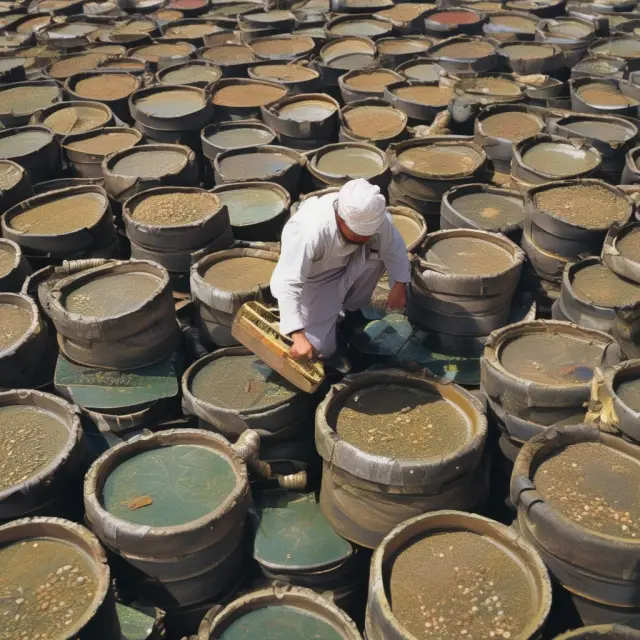
Valuing the Kuwaiti Dinar (KWD)
The Kuwaiti dinar, known as KWD, is the official currency of the State of Kuwait since its introduction in 1961. Its significant value has been a topic of interest for investors and economists alike due to several factors. One key factor is Kuwait’s petroleum-based economy, which contributes greatly to the country’s wealth.
The KWD was initially introduced as a replacement for the Gulf rupee, a currency pegged to the Indian rupee at parity with the British pound sterling (GBP). When Kuwait gained its independence from the United Kingdom in 1961, the need for a national currency became imperative. The Kuwaiti Currency Law established the Kuwaiti Currency Board, which oversaw the issuance of the KWD as a successor to the Gulf rupee.
Initially, the KWD was pegged to a weighted basket of currencies consisting of major global currencies like the US dollar (USD), British pound sterling (GBP), Swiss franc (CHF), German mark (DEM), and Japanese yen (JPY). However, in 2003, the peg was changed to a fixed exchange rate with the USD. The exact reason for this change remains undisclosed.
The high value of the KWD can be attributed to various factors. Kuwait’s economy relies heavily on oil production and exports, making it one of the wealthiest nations in the world based on Gross Domestic Product (GDP) per capita. Additionally, the country enjoys political stability, which is a significant factor driving demand for its currency.
As of December 2021, one KWD is equal to approximately $3.3 USD. This high value is due in part to the limited volatility of the Kuwaiti dinar. Unlike other currencies that experience more significant fluctuations in value due to factors like economic instability or geopolitical risks, the KWD maintains a relatively stable value.
The stability and efficient use of resources within Kuwait have contributed significantly to the high demand for its currency. The country’s sovereign wealth fund, the Kuwait Investment Authority (KIA), is one of the oldest in the world and manages a vast amount of assets on behalf of the government. This investment industry further boosts the value of the KWD by attracting foreign investors seeking opportunities in the country’s thriving financial sector.
In conclusion, understanding the factors that contribute to the Kuwaiti dinar’s high value is essential for institutional investors considering investing in this currency or making transactions involving it. The petroleum-based economy, political stability, and efficient use of resources are just a few reasons why the KWD is a valuable currency in today’s global financial landscape.
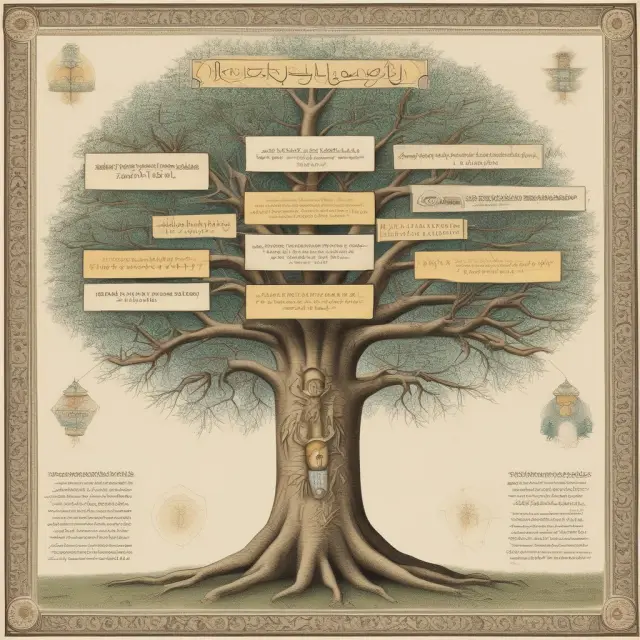
Issuance of the Kuwaiti Dinar: Six Official Versions
The Kuwaiti dinar (KWD) has undergone various developments since its introduction as the national currency of Kuwait in 1961, issuing six official versions with two commemorative sets. Each iteration reflects significant political and security milestones in the country’s history.
**First Issue: 1961-1965**
The first issue of the Kuwaiti dinar banknotes was released upon its introduction as a replacement for the Gulf rupee, which had been used in the region since 1959. The new currency was pegged to the British pound sterling (GBP) at an exchange rate of 1 GBP = 20 KWD. This parity remained until 1966 when the use of the Gulf rupee ceased.
**Second Issue: 1967-1980**
The second issue, circulated from 1967 to 1980, was used concurrently with the third series during a transitional phase following Kuwait’s independence in 1961. During this time, the dinar was pegged to a basket of currencies until it was fully replaced by the third issue in 1975.
**Third Issue: 1980-1991**
The third series of the Kuwaiti dinar, introduced in 1980, marked the crowning of Emir Jaber al-Ahmad al-Jaber Al-Sabah. This edition remained in circulation until it was replaced by the fourth issue following Iraq’s invasion of Kuwait in 1990.
**Fourth Issue: 1991-2013**
The fourth series, issued after liberation from the occupation, invalidated the third issue due to the extensive theft and destruction caused during the invasion. This edition featured enhanced security features to prevent counterfeiting.
**Fifth Issue: 2014-Present**
Introduced in 2014, the fifth series boasted special textures designed for use by blind and vision-impaired individuals, enabling them to identify the notes through touch. These tactile features enhanced the accessibility of the currency for a broader population segment.
The sixth series remains the current issue, with ongoing improvements being made as required to maintain the integrity and security of the dinar. The Kuwaiti Currency Board continues its commitment to providing secure, reliable, and functional banknotes that serve the needs of the people of Kuwait while safeguarding their economic future.

Exchange Rate Fluctuations of the Kuwaiti Dinar (KWD)
Understanding the Kuwaiti dinar’s exchange rate is essential for institutional investors as it can influence investment decisions and portfolio allocation strategies. The KWD is pegged to a basket of currencies, and its limited volatility sets it apart from other currencies, making it less appealing for speculative trading activities.
The Kuwaiti dinar’s value has remained relatively stable over the years, with occasional fluctuations between $3.17 and $3.33 from December 2016 to December 2021. This range represents a 5% profit margin for traders attempting to exploit the exchange rate difference if they could identify a major fundamental shift affecting the currency’s value. However, given its low volatility and limited global trade activity, the Kuwaiti dinar is typically not a favored choice for speculative trading.
The KWD’s exchange rate fluctuations are driven by various factors such as changes in oil prices, geopolitical events, and international economic conditions. However, due to its pegging to a basket of currencies, the exact causes of its value shifts can be challenging to pinpoint.
Despite its volatility limitations, the KWD’s exchange rate remains an essential consideration for institutional investors when managing assets within Kuwait’s economy. Understanding these fluctuations can help identify potential investment opportunities and inform strategic portfolio decisions.
For instance, a stable exchange rate makes it easier to predict future cash flows from investments in Kuwait. Additionally, changes in the KWD’s exchange rate could impact asset valuations, as some assets may be priced in foreign currencies. As such, monitoring the KWD’s exchange rate becomes crucial for maintaining an optimally diversified and valuable portfolio for institutional investors.
In conclusion, understanding the Kuwaiti dinar’s exchange rate fluctuations is essential for institutional investors seeking to navigate the complexities of managing assets within the context of this unique currency. Its limited volatility and pegging to a basket of currencies make it an intriguing yet challenging investment landscape that requires careful analysis and strategic planning.

Economic Overview: The Role of Oil in Kuwait’s Economy
The significance of the Kuwaiti dinar (KWD) can be attributed to the country’s reliance on oil as a primary source of revenue and its position as a global oil exporter. Since gaining independence from the United Kingdom in 1961, Kuwait has developed a petroleum product-based economy that contributes approximately 80% of government revenues.
Historically, Kuwait’s economy transitioned from using the Gulf rupee as its currency to introducing the Kuwaiti dinar. The Gulf rupee, pegged to the British pound sterling until its devaluation in 1966, was replaced by the Kuwaiti dinar, which was initially pegged to a basket of currencies between 1975 and 2003. Since then, the currency has been officially pegged to an undisclosed basket of currencies.
With a tax-free environment and one of the lowest unemployment rates in the world, Kuwait’s economic stability contributes to the high demand for its national currency. Additionally, the country is home to the oldest sovereign wealth fund, the Kuwait Investment Authority (KIA), which manages more assets than any other member of the Gulf Cooperative Council (GCC).
Oil plays a vital role in Kuwait’s economy. The nation ranks among the world’s top oil exporters and has substantial reserves, providing its currency with inherent value due to this global demand. As a result, the KWD is often considered one of the most stable currencies. The limited volatility of the KWD makes it an unlikely choice for speculative trading, as profits are typically minimal compared to other currencies.
In summary, the economic significance of the Kuwaiti dinar can be attributed to its country’s petroleum product-based economy and status as a global oil exporter. Its stability and efficient use of resources make it an attractive currency for investors looking for security in their investments. The demand for oil guarantees high demand for the KWD, making it one of the most valuable currencies in the world.

Kuwait’s Stability and Efficient Use of Resources
The value of the Kuwaiti dinar (KWD) can be attributed to several factors, including the political stability of the country and its efficient management of resources, particularly oil. With a petroleum product-based economy, Kuwait is one of the wealthiest nations in the world, making the KWD a valuable currency for international investors.
Background:
The introduction of the Kuwaiti dinar (KWD) in 1961 marked a significant shift from the Gulf rupee era. As a replacement for the Gulf rupee, which was pegged to the Indian rupee and British pound sterling, the KWD became the official currency of this small yet prosperous nation. During its transition period, the Kuwaiti Currency Board played an instrumental role in managing the conversion from the Gulf rupee to the new currency, ensuring a smooth changeover for both citizens and businesses.
Political Stability
The stability of the Kuwaiti government plays a significant role in maintaining the value of the KWD. Kuwait is recognized globally as a politically stable nation with a constitutional monarchy. The country’s legal framework, based on Islamic law (Sharia), and its commitment to democratic institutions have contributed to its reputation as a reliable partner for international business transactions.
Resource Management
The efficient use of resources in Kuwait further bolsters the value of its currency. With approximately 80% of government revenues derived from oil, the country’s wealth is significant. The Kuwait Investment Authority (KIA), the world’s oldest sovereign wealth fund, is responsible for managing the nation’s vast financial assets. Additionally, Kuwait has a low unemployment rate and no income tax, making it an attractive location for foreign investors looking to tap into the country’s prosperous economy.
Understanding Demand
The value of the KWD is largely determined by global demand for oil and the need to pay for it using this currency. As a major oil exporter, Kuwait benefits from the high demand for its resources and the resulting demand for its currency to facilitate transactions. The country’s strategic location at the head of the Persian Gulf also positions it as a vital link in global energy trade, further solidifying its economic influence.
Conclusion:
The stability and efficient use of resources in Kuwait make it an attractive investment destination, contributing significantly to the value of the KWD. As a result, the currency remains one of the most valuable currencies in the world. By understanding the factors driving demand for the KWD, investors can effectively capitalize on its potential as a long-term investment option.
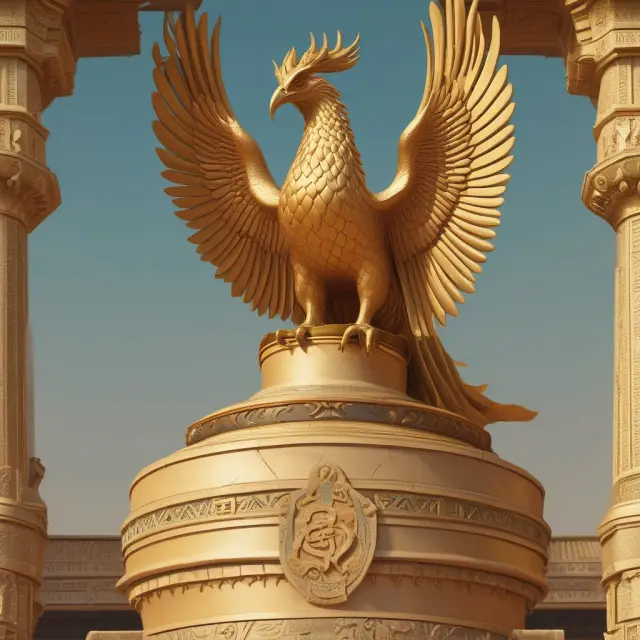
Sovereign Wealth Fund and Institutional Investment in Kuwait
The Kuwait Investment Authority (KIA), established in 1953, is the oldest sovereign wealth fund globally. This organization manages Kuwait’s international financial investments, making it an essential player in the global investment arena. The country boasts a well-developed and dynamic institutional investment industry, overseeing more assets than any other member of the Gulf Cooperative Council (GCC).
The KIA is not only responsible for managing the State of Kuwait’s foreign investments but also acts as an advisor to the Ministry of Finance and National Economy on financial and economic matters. With a reported net asset value of over $600 billion as of 2019, the KIA plays a significant role in diversifying Kuwait’s economy away from its reliance on oil resources. The fund’s investment portfolio includes various asset classes such as equities, fixed income securities, alternative investments, and real estate.
One noteworthy aspect of the KIA is its successful track record in generating high returns for the State of Kuwait. This success is attributed to the institution’s long-term investment strategy and experienced team of professionals who are dedicated to managing risk and maintaining a balanced portfolio. The KIA’s investment approach focuses on global opportunities, enabling it to invest in markets and asset classes that may be underperforming or overlooked by other investors.
Moreover, the Kuwait Financial Centre ‘Markaz’ was established in 1993 as the country’s first securities company. Markaz offers a wide range of investment services, including brokerage, custodial services, asset management, and research. The firm has expanded its operations to include international markets, making it one of the most significant players in the Middle Eastern financial industry.
As of 2021, Kuwait’s institutional investment market remains a vibrant sector, with numerous local and foreign institutions operating within the country. This environment fosters healthy competition and innovation while providing various opportunities for both domestic and international investors. Furthermore, it allows Kuwait to maintain a diverse economic base that is less dependent on oil prices, contributing to its long-term financial stability.
The stable political environment, efficient use of resources, and a well-developed infrastructure in Kuwait make it an attractive destination for foreign institutional investors. As the country continues to develop its investment industry, we can expect further growth and expansion within this sector. In conclusion, the KIA, as the oldest sovereign wealth fund globally, plays a crucial role in managing assets within the country, contributing significantly to Kuwait’s financial stability and diversification efforts.

FAQ: Answering Common Questions about the Kuwaiti Dinar (KWD)
As one of the most valuable currencies in the world, the Kuwaiti dinar (KWD) often sparks curiosity among institutional investors. Below, we answer some frequently asked questions concerning this intriguing currency’s value, pegging, and exchange rate fluctuations.
What is the KWD (Kuwaiti Dinar)?
The Kuwaiti dinar (KWD) is the national currency of the State of Kuwait. Since its official release in 1961, it has gone through six distinct versions. One KWD is equivalent to approximately $3.3 USD as of December 2021. The economy of Kuwait heavily relies on oil, making it one of the wealthiest nations globally.
How was the Kuwaiti dinar introduced?
In 1961, upon gaining independence from the UK, the Kuwaiti Currency Board established the Kuwaiti dinar as a replacement for the Gulf rupee. Until 1966, both currencies circulated until the rupee’s devaluation ended its use. Between 1975 and 2003, the KWD was pegged to a weighted currency basket, while in 2003 it was formally re-pegged to an undisclosed basket of currencies.
Why is the Kuwaiti dinar pegged to multiple currencies?
The specific composition of the currency basket remains undisclosed but is believed to heavily weigh the U.S. dollar. This strategy ensures stability by minimizing fluctuations against a single currency.
How has the KWD’s exchange rate fluctuated historically?
Between December 2016 and December 2021, the Kuwaiti dinar fluctuated between $3.17 and $3.33 USD. This range represents just over a 5% profit for traders without taking fees or commissions into account. Due to its minimal volatility and limited global trade, speculative trading of the KWD is uncommon unless significant fundamental shifts are imminent.
What factors contribute to the Kuwaiti dinar’s value?
The high demand for the KWD stems from Kuwait’s oil-dependent economy, political stability, and efficient use of resources. As a leading oil exporter, the Kuwaiti currency enjoys a strong global demand due to the need to pay for oil transactions in its currency.
Is the Kuwaiti dinar more valuable than the U.S. dollar?
While the KWD is more valuable due to the high demand caused by Kuwait’s oil production and efficient resource management, the U.S. dollar is the world’s reserve currency and is widely accepted.
In conclusion, the Kuwaiti dinar remains a fascinating topic for institutional investors due to its unique characteristics as one of the most valuable currencies in the world. By understanding its history, pegging, value factors, and exchange rate fluctuations, investors can better navigate potential investment opportunities involving this intriguing currency.
 Next entry · No. 2,741Understanding the Cayman Islands Dollar (KYD): Currency of the Offshore Financial Hub
See also
-
 No. 3,603
11 Apr 2025
22 min
The Fascinating History and Strength of the New Zealand Dollar (NZD)
Finance Policy
No. 3,603
11 Apr 2025
22 min
The Fascinating History and Strength of the New Zealand Dollar (NZD)
Finance Policy -
 No. 3,412
26 Mar 2025
23 min
Net Foreign Assets (NFA): Understanding the Role of a Nation’s Creditor or Debtor Status
Finance Policy
No. 3,412
26 Mar 2025
23 min
Net Foreign Assets (NFA): Understanding the Role of a Nation’s Creditor or Debtor Status
Finance Policy -
 No. 2,720
29 Jan 2025
18 min
Understanding the Comorian Franc (KMF): The Currency of a Small African Island Nation
Finance Policy
No. 2,720
29 Jan 2025
18 min
Understanding the Comorian Franc (KMF): The Currency of a Small African Island Nation
Finance Policy -
 No. 2,640
23 Jan 2025
23 min
Understanding the Japanese Yen: History, Trading, and Safe Haven Currency Status
Finance Policy
No. 2,640
23 Jan 2025
23 min
Understanding the Japanese Yen: History, Trading, and Safe Haven Currency Status
Finance Policy -
 No. 2,600
20 Jan 2025
17 min
Understanding the Jamaican Dollar: A Comprehensive Guide for Institutional Investors
Finance Policy
No. 2,600
20 Jan 2025
17 min
Understanding the Jamaican Dollar: A Comprehensive Guide for Institutional Investors
Finance Policy -
 No. 2,248
22 Dec 2024
22 min
Understanding the Hungarian Forint (HUF): History, Key Features, and Economic Significance for Institutional Investors
Finance Policy
No. 2,248
22 Dec 2024
22 min
Understanding the Hungarian Forint (HUF): History, Key Features, and Economic Significance for Institutional Investors
Finance Policy