Understanding the World Economic Forum (WEF): History, Agenda, Members, and Impact on Global Economy

Understanding the World Economic Forum: History, Agenda, Members, & Impact on Global Economy - Explore the WEF's mission, stakeholder theory, milestones…
Introduction to the World Economic Forum (WEF)
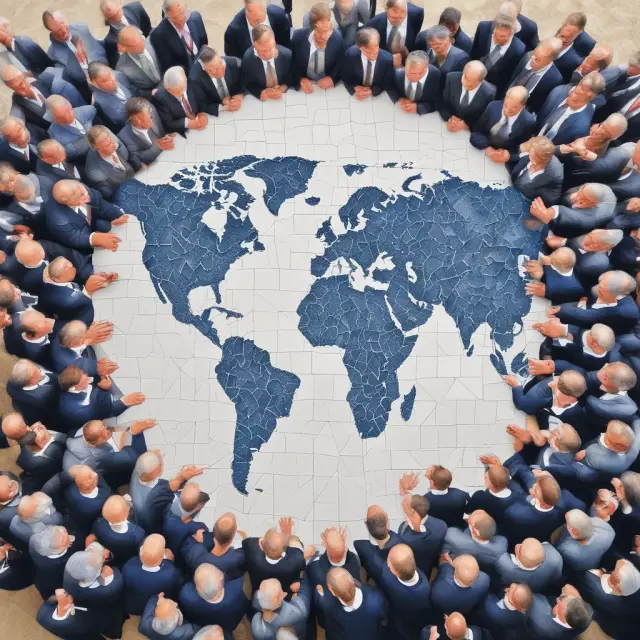
The World Economic Forum (WEF), an esteemed international organization headquartered in Geneva, Switzerland, serves as a renowned platform for individuals and influential leaders from various sectors – politics, business, academia, and media – to gather, discuss, and collaborate on pressing global issues. Since its inception in 1971, the WEF has championed the stakeholder theory, which emphasizes the importance of balancing profits with societal responsibility. This unique approach sets the foundation for a global community that strives to improve lives and shape a more sustainable future.
The World Economic Forum’s (WEF) membership transcends borders and sectors, consisting of prominent figures from around the world. These individuals come together to share insights and knowledge, fostering innovative solutions to tackle complex challenges facing our interconnected world. The organization is funded by its influential members.
Now in its fifth decade, the WEF’s annual meeting at Davos remains a cornerstone event where decision-makers gather to discuss critical issues such as political, economic, social, and environmental concerns. Despite being disrupted by the COVID-19 pandemic, this tradition continued in 2022 with an in-person gathering that welcomed participants from over 100 nations.
The WEF’s Mission: Balancing Profit and Social Responsibility
Founded on stakeholder theory, the World Economic Forum (WEF) encourages business entities to consider society as a whole when making critical decisions. The organization advocates for a global community where corporate success is not solely defined by profit maximization but also by positive societal impact. By fostering collaboration among its diverse membership, the WEF seeks to address pressing issues and create long-term, sustainable solutions for the benefit of all stakeholders.
The World Economic Forum (WEF) in Action: Agenda and Projects
The organization’s agenda is driven by three primary focus areas: mastering the Fourth Industrial Revolution, solving global commons challenges, and addressing global security issues.
- Mastering the Fourth Industrial Revolution: The WEF aims to leverage technological advancements to create a more interconnected and equitable world, while also ensuring that emerging technologies align with ethical considerations.
- Solving Global Commons Challenges: Addressing environmental sustainability and social cohesion are key priorities for the World Economic Forum (WEF). The organization collaborates with international partners to tackle critical global issues, such as climate change, health care, urban development, and biodiversity conservation.
- Addressing Global Security Issues: Geopolitical risks, conflicts, and security threats pose significant challenges to our global community. The WEF facilitates dialogue among its members and international partners to explore collaborative approaches for addressing these issues and promoting peaceful solutions.
Join the Discussion at the Annual World Economic Forum Meeting in Davos
The annual World Economic Forum meeting in Davos, Switzerland, brings together thought leaders, policymakers, and business executives from around the world for a week of insightful discussions on critical global issues. This premier event is an opportunity to engage with influential individuals and shape the narrative on pressing topics while learning about emerging trends and innovations.
Key Global Risks Identified by the World Economic Forum (WEF)
The WEF’s research informs its agenda and priorities, as well as providing valuable insights into global risks. According to their most recent Perception Survey, the six most pressing risks facing our world include:
- Failure to act on climate change and address its consequences
- Extreme weather events
- Biodiversity loss and ecosystem collapse
- Social cohesion erosion
- Livelihood crises
- Infectious diseases
In a rapidly changing world, the World Economic Forum (WEF) continues to be an essential platform for driving meaningful dialogue, collaboration, and innovation among its diverse membership. By fostering a global community of leaders dedicated to shaping a more sustainable future, the WEF remains at the forefront of addressing critical challenges facing our interconnected world.

The WEF Membership
One of the most intriguing aspects of the World Economic Forum (WEF) is its diverse membership base, which includes leaders from various sectors and nations. The organization maintains a strict privacy policy regarding its membership roster, refusing to disclose names publicly. However, information about the attendees of their annual meeting in Davos does provide valuable insights into who belongs to this exclusive community.
Demographics of WEF Members
The WEF boasts an eclectic mix of influential figures from around the world. Here is a snapshot of some prominent categories within its ranks:
1. Politics: Heads of state, government ministers, and diplomats are among those who attend the annual WEF meeting. This group includes both emerging leaders and seasoned politicians, enabling the organization to foster dialogue between nations and promote international collaboration.
2. Business: CEOs, entrepreneurs, and business leaders represent a significant portion of the WEF membership. Their involvement in the forum allows them to engage with counterparts from various industries, discuss pressing economic issues, and potentially forge partnerships that can lead to growth opportunities.
3. Civil Society: NGO leaders, religious figures, artists, and academics join the WEF as members, contributing unique perspectives on global challenges and driving the organization’s efforts towards creating positive change.
4. Media: Journalists and media personalities are integral to the WEF’s mission, helping disseminate information about its activities and agenda to a broader audience. Their presence ensures that important discussions and decisions made at the forum reach the public domain, sparking debate and awareness on pressing global issues.
By keeping the membership roster private, the WEF fosters an environment where members can openly discuss their thoughts and ideas without fear of reprisals or negative publicity. This atmosphere encourages honest dialogue and promotes the free exchange of knowledge and expertise among its members.
The World Economic Forum’s unique makeup is what sets it apart from other organizations in the financial and investment sector. Its diverse membership allows for a global perspective on economic, political, and social issues, making it an essential platform for collaboration, innovation, and problem-solving in today’s interconnected world.

History of the World Economic Forum
The World Economic Forum (WEF) is an international organization headquartered in Geneva, Switzerland, dedicated to fostering global cooperation among leaders from business, politics, academia, and society to discuss pressing economic, social, and environmental issues. Established by Klaus Schwab in 1971, the WEF embodies the concept of stakeholder theory, emphasizing that businesses must not only serve their shareholders but also consider the impact on all stakeholders – including employees, customers, communities, and the environment.
Origins and Vision
The World Economic Forum was founded in 1971 by Klaus Schwab, a German engineer and economist, with the belief that political and business leaders could create positive change for society through collaboration. Originally known as the European Management Forum, it focused on improving communication among European businesses and addressing economic issues within Europe. The organization evolved over the decades and broadened its scope to encompass global challenges in various sectors.
The WEF’s annual meeting in Davos has become synonymous with bringing together influential figures from around the world. Although the primary goal is to discuss pressing issues, the forum aims to influence political and business decisions that benefit the global community as a whole. This approach helps shape the future direction of the global economy.
Key Milestones
Some significant milestones in the World Economic Forum’s history include:
- Inaugural meeting held in 1971 under the name European Management Forum.
- First annual meeting at Davos in 1978, which attracted around 400 participants.
- Incorporation as the World Economic Forum Foundation in 1994.
- Introduction of stakeholder theory in the 1990s and its incorporation into the forum’s mission.
- Expansion to regional meetings in Africa, East Asia, and Latin America.
- Transition from a membership organization to an invitation-only event.
- Implementing the Global Shapers Community for young leaders.
- Collaborating with international organizations like the United Nations and World Bank.
- Developing partnerships with various sectors including health care, education, and technology.
- Embracing digital transformation to facilitate virtual meetings and collaborations.
Today, the WEF remains at the forefront of shaping global discussions on the most pressing issues in economics, society, and the environment. Its annual meeting continues to attract prominent leaders from around the world, providing a platform for collaboration, dialogue, and decision-making towards a more sustainable future.

WEF Agenda: Mastering the Fourth Industrial Revolution
The World Economic Forum (WEF) plays a crucial role in shaping the future through its advocacy of technological innovation and digital transformation. With its primary focus on mastering the fourth industrial revolution, the WEF’s agenda highlights the importance of embracing disruptive technologies to drive economic growth and address global challenges.
The fourth industrial revolution refers to the current era of technological advancement characterized by a fusion of technologies such as artificial intelligence (AI), the internet of things (IoT), nanotechnology, biotechnology, quantum computing, blockchain, 3D printing, robotics, and autonomous vehicles. The potential benefits and risks associated with these emerging technologies are significant, making it crucial for organizations like the World Economic Forum to facilitate discussions among stakeholders and help guide decision-making.
The WEF’s emphasis on technological advancement is reflected in its annual meetings, which bring together key opinion leaders from various sectors to discuss the implications of technology on society and the economy. One such example is the 2016 World Economic Forum Annual Meeting, where attendees focused on “Shaping the Fourth Industrial Revolution.”
Moreover, the WEF has launched initiatives designed to help its members navigate the complexities of the digital age. The organization’s Center for the Fourth Industrial Revolution Network collaborates with governments and companies to create and implement policies that support technological innovation while minimizing risks and negative consequences. The center currently operates in over 60 countries, providing a global perspective on the implementation of technology in various regions and industries.
Another initiative is the Future of Jobs Report, which examines emerging employment trends resulting from technological advancements. This report serves as an essential resource for businesses and policymakers, helping them prepare for the future labor market landscape. The most recent edition, released in 2021, highlights the significant impact of the pandemic on jobs, with over 50% of companies surveyed planning to increase their investment in automation and digital technologies.
The WEF’s commitment to mastering the fourth industrial revolution is evident through its various projects, research efforts, and annual meetings. By facilitating dialogue among stakeholders and promoting innovative solutions, the World Economic Forum plays a crucial role in ensuring that technological progress benefits society as a whole.
Solving Global Commons Challenges
The World Economic Forum (WEF) addresses pressing global challenges through initiatives focusing on environmental sustainability, social cohesion, and cooperation on international issues. These efforts aim to ensure the world’s common resources are preserved for future generations while addressing the needs of diverse communities.
Environmental Sustainability
The WEF’s commitment to environmental sustainability includes projects focused on climate change mitigation and adaption, biodiversity conservation, and circular economy initiatives. The organization works with its partners to create a greener and more sustainable future through research, collaboration, and public-private sector partnerships. For instance, the WEF has launched several initiatives such as the Climate Risk and Opportunities Project, which helps companies assess and manage climate risks, and the Circular Economy Initiative, promoting the reuse and recycling of resources in a closed loop system.
Social Cohesion
The WEF recognizes that social cohesion is essential for creating long-term economic growth and stability. The organization addresses this challenge by focusing on issues like inequality, poverty, and access to education and healthcare. By engaging stakeholders from various backgrounds, the WEF encourages open dialogue and collaboration to develop solutions tailored to local conditions. For example, the WEF’s Partnership for Global Impact focuses on initiatives that improve access to quality education, promote gender equality, and support sustainable livelihoods.
Global Issues
The WEF collaborates with international partners to address pressing global issues like conflict resolution, disaster response, and humanitarian aid. The organization serves as a platform where leaders from different sectors can share knowledge, resources, and perspectives on the most pressing global challenges. For instance, during the COVID-19 pandemic, the WEF played an instrumental role in connecting governments, businesses, and international organizations to coordinate responses and develop vaccines through initiatives like the Coalition for Epidemic Preparedness Innovations (CEPI).
The WEF’s work on global issues is grounded in its commitment to stakeholder engagement and collaboration. By bringing together diverse voices and encouraging dialogue, the organization aims to create sustainable solutions that benefit everyone, from individuals and communities to businesses and governments.
Addressing Global Security Issues
One of the significant aspects of the World Economic Forum (WEF) agenda is to tackle global security issues. The WEF has been recognized for its ability to facilitate collaboration between governments, organizations, and individuals to mitigate risks and promote peace and stability. Geopolitical tensions, conflict resolution, and international cooperation are key topics under this category.
Geopolitical Risks
The world faces numerous geopolitical risks that can impact the global economy and overall well-being of nations and their populations. These risks include territorial disputes, political instability, and cybersecurity threats. The WEF works to bring together stakeholders to discuss these issues and develop strategies for addressing them. One example is the Global Risks Report published by the organization each year. This report identifies major geopolitical risks based on a survey of experts from around the world.
Conflict Resolution
Another important aspect of the WEF’s role in global security issues is conflict resolution. By bringing together high-level representatives from various countries and sectors, the organization offers a platform for diplomacy and dialogue. The annual World Economic Forum meetings have provided opportunities for political leaders to address conflicts face-to-face, leading to significant progress in resolving tensions and building trust between nations.
International Collaboration
The WEF’s global reach makes it an effective convener for international collaboration on various security issues. The organization brings together public and private sector leaders, NGOs, academia, and governments to discuss pressing matters and develop strategies to address them collectively. This multilateral approach fosters stronger partnerships and encourages a coordinated response to global challenges.
One example of such international collaboration is the Global Shapers Community, an initiative launched by the WEF in 2011. This community involves young leaders aged 18-30 from various countries who work together on local projects aimed at addressing social, environmental, and economic issues. The WEF also partners with organizations like the United Nations and other international bodies to amplify its impact and achieve greater results through collective efforts.
The WEF’s role in shaping global security policies is significant, as it allows stakeholders from diverse backgrounds to engage in open discussions and collaborate on solutions that benefit the global community. By addressing geopolitical risks, promoting conflict resolution, and fostering international cooperation, the organization plays a crucial role in maintaining peace and stability in an increasingly complex world.

The Annual World Economic Forum Meeting in Davos
Every January, the eyes of the world turn to a seemingly unassuming ski resort nestled within the Swiss Alps. The annual meeting at Davos brings together a diverse range of individuals and leaders from various sectors—politicians, business magnates, celebrities, thought leaders, and more. This international gathering is hosted by none other than the World Economic Forum (WEF), an organization that has been at the forefront of global cooperation on economic and social issues for over five decades.
The Davos Meeting: A Platform for Global Discourse
The high-profile event attracts media coverage from around the world, with discussions centered around pressing global issues. From conflict resolution to climate change, political instability to technological advancements, the World Economic Forum Meeting in Davos serves as a platform for open dialogue and collaboration between influential individuals and organizations.
Media Coverage and High-Profile Attendees
The annual meeting is widely covered by media outlets across the globe. Past attendees include heads of state such as German Chancellor Angela Merkel, Microsoft founder Bill Gates, and prominent figures like Greta Thunberg, who gained international recognition for her activism on climate change.
Influential Decision-Making at Davos
Beyond the public discourse and media coverage, the World Economic Forum Meeting in Davos plays a crucial role in influencing political and business decisions. By bringing together influential individuals, it fosters collaboration and communication, helping to shape global policy and drive positive change.
A Brief History of the World Economic Forum Meeting at Davos
The annual meeting’s roots trace back to 1971 when Klaus Schwab, a German engineer and economist, founded the World Economic Forum in Geneva, Switzerland. The first meeting took place in 1973 in the picturesque mountain town of Davos, with the primary goal being to create an environment where individuals from business, politics, and academia could discuss pressing economic issues.
Since then, the event has grown into a global phenomenon, with participants from over 100 countries and a focus on addressing various social, environmental, and economic challenges that impact the world community as a whole.
The Power of Collaboration: Shaping the Future Together
Despite its immense influence, it is important to remember that the World Economic Forum holds no decision-making power. Instead, it serves as a facilitator for collaboration between various stakeholders and acts as a catalyst for positive change. By bringing together influential individuals and organizations from around the world, the WEF contributes significantly to shaping discussions and influencing decisions on pressing global issues.
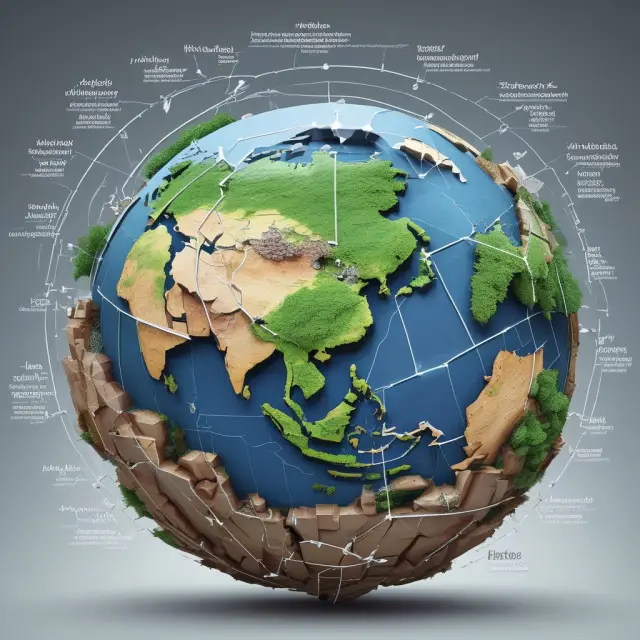
Key Global Risks Identified by the WEF
The World Economic Forum (WEF) is an influential organization dedicated to shaping the discourse on significant global issues that impact the economy and society at large. Each year, they release a comprehensive report detailing the top risks currently facing the world, categorized into environmental, social, economic, and technological domains. By acknowledging these risks and fostering dialogues around potential solutions, the WEF plays an essential role in informing decision-makers, driving action, and contributing to a more resilient future for all.
Environmental Risks
- Extreme weather events (heatwaves, droughts, floods) – Climate change causes increasingly frequent and intense extreme weather conditions that pose threats to both human populations and ecosystems.
- Biodiversity loss – The rapid decline in the diversity of plants, animals, and microorganisms threatens ecosystems and has far-reaching consequences for the provision of essential goods and services, such as food, water, and medicine.
Social Risks
- Social cohesion erosion – Societal tensions arising from political polarization, social unrest, and economic inequality can lead to social instability and conflict.
- Livelihood crises – Job loss due to automation, technological advancements, and changing demographics poses a significant challenge for individuals, particularly those with limited skills or education.
Economic Risks
- Failure of climate change mitigation and adaptation – The failure to effectively address climate change could lead to massive economic losses, stranded assets, and substantial financial risks for businesses and governments.
- Increasing income and wealth inequality – Persistent income and wealth inequality can undermine economic stability, social cohesion, and the overall health of societies.
Technological Risks
- Data fraud or theft – The increasing digitization of our lives exposes us to new risks such as data breaches, identity theft, and other forms of cybercrime.
- Malicious use of artificial intelligence (AI) – As AI technology advances, there is a risk that it could be used maliciously against individuals or even entire nations. This includes potential threats like deepfake videos, autonomous weapons, and targeted propaganda campaigns.
In summary, the World Economic Forum’s annual reports on global risks are instrumental in highlighting key challenges facing the world today and stimulating discussions on possible solutions among global leaders, stakeholders, and decision-makers. By acknowledging these risks and fostering collaborative dialogues around potential responses, the WEF plays a vital role in shaping a more resilient future for all.
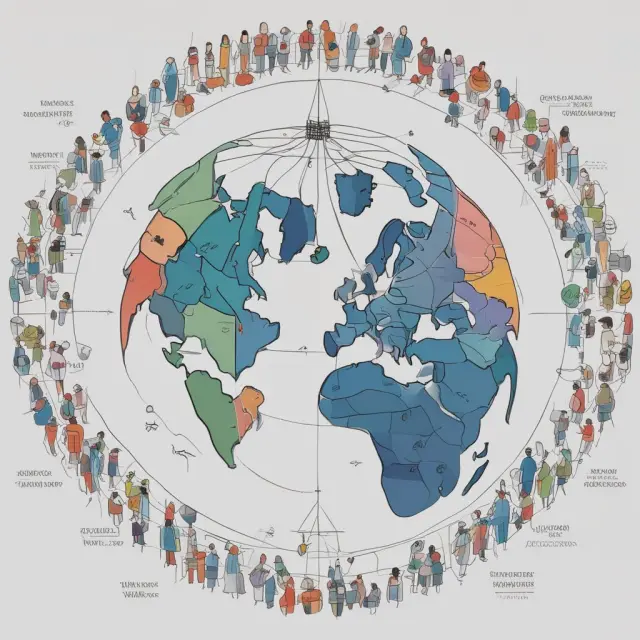
WEF’s Influence on Policy Decisions and Collaboration
While the World Economic Forum (WEF) does not hold decision-making power, it significantly influences policy decisions at both a national and international level. Its unique platform facilitates collaboration between governments, businesses, and various stakeholders to address pressing global issues. The WEF’s influence is achieved through its ability to bring together influential individuals from different sectors for open discussions, fostering public-private sector partnerships that lead to positive change.
The organization’s mission of creating a more cooperative and sustainable world is evident in its various projects aimed at addressing specific global concerns. These include climate change, health care, urban development, and many others. The WEF collaborates with international partners to implement solutions and provide guidance on public-private sector collaboration. This approach allows the organization to have considerable influence over political and business policy decisions.
The annual World Economic Forum Meeting at Davos serves as a catalyst for global conflict resolution in addition to promoting best practices in business management, as envisioned by its founder Klaus Schwab. The event has provided a platform for government leaders to address issues of political conflict with one another, further emphasizing the forum’s role in shaping the world’s future.
Another way the WEF influences policy decisions is through its research and expertise on various topics within its focus areas. Members of the forum can access this knowledge, which often results in more informed decision-making. The organization’s ability to foster a global dialogue around these issues also helps shape the public discourse and influences policy agendas.
In conclusion, the World Economic Forum is an influential platform for shaping global issues and policy decisions. Its unique blend of bringing together stakeholders from various sectors creates opportunities for collaboration and partnerships that lead to positive change. The organization’s focus on addressing pressing global challenges through its projects and initiatives further highlights its role in creating a more cooperative and sustainable world.

Conclusion: The Role of the World Economic Forum in Shaping the Future
The World Economic Forum (WEF), founded by Klaus Schwab in 1971, has evolved into a prominent international organization that brings together influential individuals from diverse sectors and nations. With its mission centered on stakeholder theory, the WEF plays an essential role in shaping discussions surrounding global economic, social, and environmental issues.
The WEF’s unique membership base, consisting of political leaders, business executives, celebrities, media personalities, and other prominent figures, lends it considerable influence in the public and private sectors. As a non-governmental organization, it does not possess decision-making power but strives to impact global policy decisions through collaborative discussions and research.
The WEF’s annual meeting in Davos serves as its flagship event, where attendees address pressing issues concerning the global community. Over the years, this gathering has evolved into a significant platform for political conflict resolution, further amplifying its relevance. In 2019, the event attracted around 2,500 participants from over 100 countries and was extensively covered by media outlets worldwide.
The organization’s influence is reflected in the numerous projects aimed at addressing pressing global concerns such as climate change, healthcare, urban development, and more. The WEF also facilitates collaboration between public-private sector partnerships to bring about positive change in these areas.
As technology continues to shape the world, the WEF’s role in mastering the fourth industrial revolution becomes increasingly critical. This includes shaping discussions on topics like digital transformation, artificial intelligence, and technological advancements to ensure they align with the interests of all stakeholders.
The World Economic Forum’s agenda extends beyond economic issues, as it also focuses on solving global commons challenges related to environmental sustainability and social cohesion. Furthermore, addressing security concerns remains a crucial component of their mandate, ensuring a safe and secure future for all.
In the face of pressing global risks like climate change, biodiversity loss, and extreme weather events, the WEF plays an essential role in raising awareness and initiating discussions around solutions to address these issues. Through its influence on policy decisions and partnerships with governments and businesses, it can help create a more sustainable future for generations to come.
In summary, the World Economic Forum serves as a global platform where leaders from various sectors engage in thoughtful discussions and collaborations, shaping the discourse around critical economic, social, and environmental issues that impact the world. Its influence is evident through its annual meetings, ongoing projects, and the ripple effect of its decision-making recommendations, making it an essential organization to keep a close eye on as we navigate the complexities of our interconnected global community.
FAQs about the World Economic Forum (WEF)
Question 1: What exactly is the World Economic Forum (WEF)?
Answer: The World Economic Forum (WEF) is a prominent international organization based in Geneva, Switzerland, with offices in New York, Beijing, Tokyo, San Francisco, and Mumbai. Founded in 1971 by Klaus Schwab, the WEF’s mission aligns with stakeholder theory, emphasizing that while a business entity strives for profitability, its actions should consider the impact on society as a whole, including employees, customers, local communities, and the global community.
Question 2: What is unique about the World Economic Forum (WEF) membership?
Answer: The WEF’s members consist of influential individuals from various sectors—public and private, including business leaders, diplomats, celebrities, media personalities, government officials, religious leaders, labor representatives, and more. Membership is funded through annual dues and meeting fees.
Question 3: When was the World Economic Forum (WEF) established?
Answer: The World Economic Forum (WEF) was founded in 1971 by Klaus Schwab in Geneva, Switzerland.
Question 4: What is the significance of the annual meeting held at Davos?
Answer: The annual WEF meeting held in Davos is a highly-publicized event attended by influential individuals and political leaders from around the world to discuss global issues and seek solutions for pressing problems affecting various industries, economies, and communities.
Question 5: What are the top global risks identified by the World Economic Forum?
Answer: According to the World Economic Forum’s Global Risks Report 2023, the following six risks pose significant threats to the world: environmental risks, social cohesion erosion, livelihood crises, health crises, geopolitical tensions, and technological disruptions.
Question 6: What role does the World Economic Forum play in decision-making processes?
Answer: The World Economic Forum does not have decision-making power but can significantly influence political and business policy decisions by bringing together influential individuals from various sectors to discuss pressing issues and explore potential solutions.
 Next entry · No. 5,799The World Economic Outlook (WEO): Understanding the Semiannual Report of Global Macroeconomic Conditions and Prospects
See also
-
 No. 520
28 Apr 2024
21 min
The Rise and Fall of BRICS: Understanding an Era-Defining Economic Thesis
Business Strategy
No. 520
28 Apr 2024
21 min
The Rise and Fall of BRICS: Understanding an Era-Defining Economic Thesis
Business Strategy -
 No. 491
26 Apr 2024
21 min
Understanding Build-Operate-Transfer (BOT) Contracts: Public-Private Partnership Models for Infrastructure Projects
Business Strategy
No. 491
26 Apr 2024
21 min
Understanding Build-Operate-Transfer (BOT) Contracts: Public-Private Partnership Models for Infrastructure Projects
Business Strategy -
 No. 434
23 Apr 2024
20 min
Understanding Black Friday: A Retail Tradition and Stock Market Term
Business Strategy
No. 434
23 Apr 2024
20 min
Understanding Black Friday: A Retail Tradition and Stock Market Term
Business Strategy -
 No. 5,834
11 Oct 2025
20 min
Understanding Xenocurrencies: Definition, Risks, and Real-World Examples
Business Finance
No. 5,834
11 Oct 2025
20 min
Understanding Xenocurrencies: Definition, Risks, and Real-World Examples
Business Finance -
 No. 5,562
19 Sep 2025
22 min
Understanding W-Shaped Recovery: Double Dip Economy and Investment Implications
Business Finance
No. 5,562
19 Sep 2025
22 min
Understanding W-Shaped Recovery: Double Dip Economy and Investment Implications
Business Finance -
 No. 5,179
17 Aug 2025
21 min
Understanding Underemployment Equilibrium: The Persistent State of Unemployment Above Full Employment
Economics
No. 5,179
17 Aug 2025
21 min
Understanding Underemployment Equilibrium: The Persistent State of Unemployment Above Full Employment
Economics