Understanding Transfer Payments: Government’s Role in Redistributing Wealth
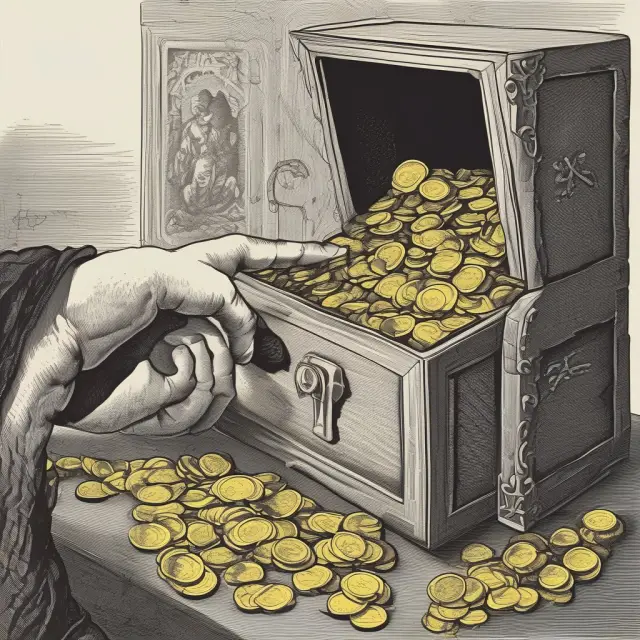
Explore the role of transfer payments as a tool for redistributing wealth through government initiatives. Learn about different types, history, and economic…
What are Transfer Payments?
A transfer payment is an essential component of government financial assistance programs that entails moving money directly from the treasury to individuals or organizations without requiring any goods or services in return. This stands in contrast to a traditional financial transaction, where payments are exchanged for goods or services. Transfers encompass a wide range of programs designed to redistribute wealth, alleviate poverty, and stimulate economic growth during times of distress or crisis.
The term “transfer payment” is commonly associated with the redistribution efforts made by local, state, and federal governments. One of the most well-known examples includes Social Security payments for retirement or disability benefits. These transfers are considered essential because most recipients have previously contributed to the system during their working lives, ensuring a safety net for those in need.
However, transfer payments do not only apply to individual assistance; they can also be extended to organizations like charities and educational institutions. For instance, individual donations to charitable organizations or non-profit entities are considered transfer payments, even though they may not be directly tied to government initiatives. Likewise, grants for education and training programs offered by the government or private entities fall under this category.
Although transfer payments involve one-way transactions from the government, not all forms of subsidies are considered transfer payments. Agricultural subsidies, manufacturing incentives, and export assistance programs are excluded from the definition because they come with conditions that require recipients to provide goods or services in exchange for the financial aid.
Understanding Transfer Payments
Transfer payments play a significant role in addressing economic disparities and supporting individuals during challenging times. In the United States, these transfers often take the form of Social Security, unemployment insurance, and other social programs designed to redistribute wealth from the better-compensated to those with fewer resources. By providing financial assistance, transfer payments aim to help stabilize families and communities, ensuring a more equitable society.
In times of severe economic downturns or recessions, governments expand their transfer payment programs to stimulate growth and provide much-needed support for individuals and businesses. For instance, during the Great Depression in the 1930s, President Franklin D. Roosevelt’s New Deal administration introduced various programs to help unemployed Americans and revive the struggling economy. More recently, in March 2020, the CARES Act authorized direct cash payments of up to $1,200 for most American adults as part of a broader economic stimulus package aimed at mitigating the impact of the COVID-19 pandemic on individuals and businesses.
Transfer payments have been adopted by many countries worldwide to help combat poverty and support their economies during periods of financial instability or recession. The multiplier effect of these transfers can significantly boost economic growth as every dollar distributed generates additional spending beyond the original amount, contributing to a ripple effect that can stimulate economic activity throughout the economy.
Types of Transfer Payments:
The following types of transfer payments are some of the most common:
- Social Security: Provides retirement and disability benefits to eligible individuals, funded through taxes paid during their working years.
- Unemployment Insurance: Financial assistance provided to individuals who lose their jobs and are actively seeking employment.
- Food Assistance Programs (SNAP): Aimed at reducing food insecurity by providing financial aid to purchase nutritious meals for eligible families and individuals.
- Housing Assistance: Offers rental and mortgage subsidies, as well as homeowner assistance programs, to help those in need maintain a stable living environment.
- Educational Grants: Direct financial support provided to students to cover tuition fees, books, and other related expenses for attending college or vocational training programs.
- Disability Insurance: Offers income replacement to individuals who are unable to work due to illness, injury, or disability.
- Public Assistance Programs: Include Temporary Assistance for Needy Families (TANF), Supplemental Security Income (SSI), and General Assistance programs, among others. These initiatives aim to provide a safety net for individuals facing extreme poverty or crisis situations.
Understanding the various types of transfer payments can help readers make informed decisions when navigating their financial situation and utilizing the benefits available to them. By being aware of these programs, individuals can access essential resources and improve their overall well-being.

Types of Transfer Payments
Transfer payments are essential financial transactions where money is moved from one entity to another without any reciprocal exchange of goods or services. This economic concept, while most commonly associated with government programs distributing funds to individuals, encompasses a broader range of transfers between people and organizations.
Individual Transfers: Transfer payments can be made directly to individuals. In the United States context, Social Security retirement benefits and unemployment insurance are two prominent examples. These payments serve humanitarian purposes while providing economic relief during times of hardship or unemployment. Additionally, charitable donations from one person to another, as well as cash gifts, fall under this category.
Institutional Transfers: Transfer payments can also be made to various organizations and institutions like schools, nonprofits, and even corporations. Education subsidies are a common example, including government grants for educational services or funding apprenticeship programs. These transfers aim to enhance the overall quality of life by improving access to essential services and opportunities, while simultaneously encouraging economic development and growth.
Understanding the Distinction: Transfer payments differ from other financial transactions in that no goods or services are exchanged between the parties involved. For example, a loan involves both a borrower and a lender; however, a transfer payment only involves a giver. While corporate bailouts and subsidies are one-way payments from governments, they do not fall under the definition of transfer payments because they are typically tied to specific conditions or expectations for performance improvements.
The Role of Transfer Payments in Stimulating the Economy: The significance of transfer payments extends beyond humanitarian efforts as they also play a crucial role in stimulating economic growth during recessions, according to Keynesian economics. By putting more money into people’s hands, these payments generate additional spending and create a multiplier effect that can contribute to increased economic activity.
A Brief History: Transfer payments have been implemented throughout history as a response to various social needs and economic downturns. Social Security, for instance, was established in the United States during the Great Depression to provide financial support for retirees. More recently, governments around the world provided direct cash assistance to their citizens to counteract the effects of the 2008 global financial crisis.
As our understanding of transfer payments deepens, it becomes apparent that they serve not only humanitarian purposes but also play a critical role in supporting economic growth and overall societal well-being. By recognizing the various types of transfer payments available and their implications, we can gain a more profound appreciation for this essential aspect of financial systems and policy-making.

Transfer Payments and the Economy
In economic downturns, governments often resort to transfer payments as an effective tool for redistributing wealth and jumpstarting economic recovery. Transfer payments are defined as one-way payments to individuals or organizations without any goods or services exchanged in return. This stands apart from simple payments that involve an exchange of money for a product or service.
Transfer payments come into focus when considering the role of governments in redistributing wealth during times of economic hardship. In the U.S., programs like Social Security, unemployment insurance, and other welfare initiatives serve as common examples of transfer payments. These transfers aim to address humanitarian needs as well as stimulate the economy by putting money into the hands of those who need it most.
During recessions, governments may expand or create new transfer payment programs to help mitigate economic distress. For instance, Social Security originated during the Great Depression, and more recently, in response to the global economic crisis of 2020, Congress authorized $1,200 direct cash payments ($2,400 for married couples) to most Americans as part of the Coronavirus Aid, Relief, and Economic Security (CARES) Act. The act also provided additional aid to U.S. workers affected by the economic downturn. Many countries employ similar strategies to help their citizens during economic recessions and stimulate overall economic activity.
According to Keynesian economics, transfer payments have a multiplier effect on the economy. This theory suggests that each dollar transferred can generate more spending than just the original dollar due to the ripple effect of additional expenditures made by recipients. In essence, this increased spending stimulates economic growth and job creation.
It is important to distinguish transfer payments from other types of government financial assistance such as subsidies. While both involve one-way financial transfers from governments, subsidies are typically targeted at specific industries or sectors rather than individuals in need. For instance, subsidies for agriculture, manufacturing, and exports are not classified as transfer payments despite being one-way payments.
Understanding the role of transfer payments within an economy can shed light on their significance during economic downturns as well as their potential benefits to both recipients and society at large.

History of Transfer Payments
Transfer payments have been an essential component of economic and social policies for centuries. Their origins can be traced back to various historical periods and societal needs, evolving into the comprehensive social programs we see today. In this section, we explore the history of transfer payments—from their introduction during the Great Depression to more recent examples like Social Security and unemployment insurance.
Transfer payments gained prominence in response to economic downturns and widespread poverty, with their earliest known usage stemming from European welfare systems. However, it wasn’t until the United States faced the Great Depression that transfer payments became a significant part of government policy. During this time, Franklin D. Roosevelt’s New Deal introduced Social Security as a means to provide financial support for retirees and the disabled. This was considered a redistribution of wealth from the well-compensated to those in need.
In the post-World War II period, transfer payments continued to grow in prominence, especially during economic recessions. One notable example is the introduction of unemployment insurance in the United States through the Social Security Act of 1935. This program provided temporary financial assistance to workers who lost their jobs due to no fault of their own.
As economies evolved, transfer payments became an increasingly important tool for governments to respond to changing societal needs and economic conditions. They were expanded during periods of high unemployment and economic instability, as well as to address persistent poverty.
In recent times, transfer payments have continued to evolve and adapt to new challenges. For instance, during the COVID-19 pandemic, governments around the world introduced direct cash transfers and other financial assistance programs to help individuals cope with lockdowns, job losses, and other economic hardships caused by the crisis. These initiatives aimed at providing immediate relief while also stimulating economic activity.
As we delve deeper into this topic in subsequent sections, we’ll explore various types of transfer payments, their implications for the economy, and the debates surrounding their implementation and effectiveness. Stay tuned!

Transfer Payments vs. Subsidies
The terms transfer payments and subsidies are often used interchangeably, but they have distinct meanings. While both involve one-way financial transactions from the government, their purposes and implications differ significantly. This section will clarify the differences between these two economic concepts as they relate to farmers, manufacturers, and exporters.
Transfer Payments
Transfer payments refer to direct financial assistance provided by governments to individuals or organizations without any expectation of goods or services in return. In other words, transfer payments are one-way transfers of wealth from the government to citizens. Social programs, such as Social Security, unemployment insurance, and student grants, fall under this category. These transfer payments are an essential component of redistributive policies designed to help those in need or facing economic hardships.
Subsidies
Subsidies, on the other hand, refer to financial incentives given to industries or specific businesses by governments to promote growth or maintain competitiveness within their respective sectors. Subsidies are conditional transfers, meaning they often come with requirements for the recipients to meet specific performance criteria. For example, farmers might receive subsidies tied to production levels or environmental standards, while manufacturers could qualify for tax incentives based on exports.
Comparing Farmer’s Subsidies and Transfer Payments
When considering agricultural subsidies and transfer payments, it is essential to understand their primary objectives. Farmers’ subsidies serve the purpose of supporting specific industries by providing financial assistance conditional upon meeting certain production requirements or other conditions set forth by the government. In contrast, transfer payments to farmers are intended for those facing temporary economic hardship or old age and are not tied to their farming activities.
Another critical difference between subsidies and transfer payments is their impact on market dynamics. Subsidies can distort markets by creating unfair competition, potentially leading to an oversupply of certain agricultural products and reducing prices for farmers as well as consumers. Transfer payments, meanwhile, help mitigate economic hardship for individuals and families without affecting market conditions directly.
Manufacturing Subsidies vs. Transfer Payments
The manufacturing sector is another significant recipient of government subsidies. These incentives are often granted to companies based on meeting specific performance criteria or maintaining a certain level of employment within their operations. While some argue that these subsidies help foster innovation and competitiveness, they can also create an uneven playing field for businesses that do not receive such support.
Transfer payments to workers in the manufacturing sector are designed to provide financial assistance during periods of unemployment or economic downturns. Unlike subsidies granted to companies, these payments aim to help individuals meet their basic needs and maintain a stable standard of living while they search for new employment opportunities. In this way, transfer payments contribute to economic stability by reducing the potential negative consequences of unemployment and underemployment.
In conclusion, it is crucial to differentiate between subsidies and transfer payments in understanding government financial support for various industries and sectors. While both involve one-way transfers of wealth from the government, their objectives and implications vary significantly. Subsidies are conditional transfers designed to promote growth or maintain competitiveness within specific industries, while transfer payments provide essential financial assistance to individuals facing economic hardship without requiring any goods or services in return.

Transfer Payments in the U.S.
In the realm of government finance and economic policy, transfer payments have emerged as an essential tool for redistributing wealth from those who have more to those who have less. These one-way payments—which involve no exchange of goods or services—are typically executed by local, state, and federal governments to address various social welfare needs, particularly during economic downturns. In the United States, Social Security and unemployment insurance are two prominent examples of transfer payment programs that provide essential support for millions of people.
**Social Security**
Social Security is a classic example of a transfer payment program in the U.S., which was introduced in the 1930s during the Great Depression. At its core, Social Security operates on a pay-as-you-go system where current workers contribute taxes to provide benefits to retirees and other eligible individuals. These payments are considered transfer payments since they represent money distributed from one group to another without any direct exchange of goods or services.
**Unemployment Insurance**
Another type of transfer payment program widely used in the U.S. is unemployment insurance. This program was established during the New Deal era and provides temporary financial assistance to those who have lost their jobs due to no fault of their own. Unemployment insurance represents a significant redistribution of wealth since it helps maintain the purchasing power of jobless individuals, allowing them to continue consuming goods and services, and in turn, supporting overall economic activity.
**Other Types of Transfer Payments**
Beyond Social Security and unemployment insurance, various other transfer payment programs exist in the United States. These include Supplemental Nutrition Assistance Program (SNAP), Medicaid, housing assistance, and Supplemental Security Income (SSI), among others. Each of these programs has its unique eligibility requirements and objectives, but all share the common goal of providing financial assistance to individuals or families facing economic hardship.
**The Impact on Poverty**
Transfer payments have proven effective in reducing poverty levels in the United States. For instance, Social Security’s Old-Age, Survivors, and Disability Insurance (OASDI) was instrumental in lifting millions of elderly Americans out of poverty. Additionally, unemployment insurance has played a crucial role in mitigating the adverse effects of economic recessions by providing essential financial support to jobless individuals. However, despite their successes, these programs face challenges in addressing deep-rooted structural issues that contribute to poverty and income inequality.
**Conclusion**
In conclusion, transfer payments—such as Social Security and unemployment insurance—are a fundamental aspect of the U.S. government’s financial safety net, providing crucial support to millions of people facing economic hardship. As one-way payments without any exchange of goods or services, they represent a significant redistribution of wealth that has long-lasting positive impacts on individual lives and overall economic wellbeing.

Impact of Transfer Payments on Taxes
Transfer payments significantly influence the tax system, particularly for individuals and governments. Generally speaking, transfer payments involve the movement of money from taxpayers to recipients, often through government programs. In return, this transfer may lead to modifications in the tax system to maintain fiscal balance. Let’s delve deeper into how transfer payments affect taxes for both the individual recipients and the governing body.
For Recipients
The primary objective of most transfer payments is to provide financial assistance to individuals in need or to support specific sectors like education, health care, and other essential services. Recipients often receive these benefits without being required to pay income taxes on them. This can lead to an overall reduction in their taxable income, making it crucial for the government to consider how this change will affect revenue collection and budget planning. In some cases, however, recipients might be subjected to other forms of taxation like sales or property taxes that would not change irrespective of their receipt of transfer payments.
For Governments
When a government initiates a transfer payment program, it incurs expenses, which ultimately influence the public budget and the overall tax system. To maintain fiscal balance, governments may need to adjust their tax policies accordingly. They might increase taxes on other sources or decrease deductions and exemptions to compensate for the additional spending on transfer payments. These changes can affect both individuals and businesses, potentially leading to an overall shift in the tax burden.
Moreover, governments must consider the timing of tax adjustments and their impact on recipients’ disposable income. If the government decides to raise taxes during a recession or in the immediate aftermath of a transfer payment, it may reduce the effectiveness of those payments by diminishing the purchasing power of recipients. In contrast, if the government waits until economic conditions improve, it might face resistance from taxpayers and interest groups who feel they bear an unfair tax burden.
In conclusion, transfer payments play a pivotal role in the tax system. As governments implement programs to support individuals or specific sectors, they must consider how these transfers impact both recipients and overall budget management. By adjusting their tax policies accordingly, governments can maintain fiscal balance while ensuring that transfer payments effectively address the needs of those who require assistance.
In the next section, we will delve into the historical context of transfer payments, from their introduction during the Great Depression to recent examples like Social Security and unemployment insurance.

Transfer Payments around the World
Government transfer payments are not unique to the United States; they have been implemented around the world for various purposes and with different approaches. Transfer payments’ role, forms, and implications vary from one country to another. Let us explore a few examples that showcase these differences.
In the Netherlands, for instance, the government offers both social security benefits and unemployment insurance, similar to many European countries. The Dutch system is well-known for its emphasis on encouraging work while offering a safety net for those in need. One unique aspect of their transfer payment structure is the “Participation Income” or “Working Unwaged,” which provides income support for people who can’t find a job but are willing to engage in vocational training, education, or voluntary work. This policy aims to minimize dependency on benefits while preparing citizens for future employment opportunities.
Another country with an extensive transfer payment system is Sweden. Swedes enjoy an impressive social safety net that includes universal healthcare, free education, and various cash transfers. These programs are funded through a combination of taxes and contributions from the European Union (EU). In 2016, the Swedish government introduced a new reform allowing families with children to receive a “family allowance” which is paid monthly for each child up until their 18th birthday. This program was intended to increase equality by providing financial support to families with children, reducing poverty, and addressing wage gaps between genders.
Canada has a similar transfer payment system as the United States but also offers provincial and territorial transfers to its provinces and territories. These transfers are aimed at funding public services like healthcare, education, and social welfare programs. In 2017, the federal government introduced the Canada Child Benefit (CCB), a major expansion of their child benefit program, which replaced the old Universal Child Care Benefit and National Child Benefit Supplement. The CCB is funded through federal taxes, with the federal government transferring funds to each province and territory based on its population and income levels.
Comparing these countries’ transfer payment systems highlights both similarities and differences in their approaches. The Dutch emphasis on encouraging work through partial benefits aligns with neoliberal economic principles that focus on individual responsibility and limited welfare. Sweden’s extensive social safety net, including universal healthcare and education, embodies a more social-democratic approach aimed at minimizing inequality. Canada’s federal-provincial transfer system represents a balance between these two approaches, allowing for some autonomy to the provinces while maintaining a national safety net.
These examples illustrate how governments worldwide use transfer payments as tools for redistributing wealth and addressing various socioeconomic challenges. Understanding their differences provides valuable insights into the unique characteristics of each country’s economic policies and social structures.

Impact of Transfer Payments on Poverty
Transfer payments have long been seen as a crucial tool for poverty reduction. They can provide essential income support to individuals and families in times of economic hardship, helping to mitigate the negative effects of poverty. In this section, we will evaluate the effectiveness of transfer payments in addressing poverty while also discussing some challenges that arise when implementing such programs.
In many countries, transfer payments play a significant role in reducing poverty levels. For instance, according to the World Bank’s 2018 Poverty and Shared Prosperity Report, more than half of the world’s population living below the international poverty line (defined as $1.90 per day) resides in countries with effective social safety nets. These safety nets include transfer payments such as cash transfers, food assistance, and social pensions.
Transfer payments can be particularly effective in addressing poverty during economic downturns. For example, in the United States, unemployment insurance has provided critical income support to millions of jobless workers during recessions. Similarly, many European countries have used various forms of transfer payments to mitigate the effects of high levels of unemployment and poverty that followed the 2008 financial crisis.
However, despite their effectiveness in reducing poverty, transfer payments also present challenges. For instance, some critics argue that they can create disincentives for work and self-sufficiency, as recipients may have little incentive to seek employment if they are receiving regular cash transfers. Additionally, the cost of administering transfer payment programs can be significant, potentially diverting resources away from other poverty reduction efforts.
Despite these challenges, most experts agree that well-designed and properly implemented transfer payment systems can be an essential component of a comprehensive approach to poverty reduction. By providing a safety net for individuals in times of need, they help to mitigate the negative consequences of poverty, enabling people to focus on long-term economic advancement and self-sufficiency.
One notable example of effective transfer payments is Bangladesh’s Grameen Bank Microcredit Program. This program provides small loans to poor individuals, allowing them to start small businesses and generate income. The success of the program has led to it being replicated in numerous countries around the world.
Moreover, advancements in technology have made transfer payments more efficient and accessible. For instance, mobile money platforms, such as M-PESA in Kenya, have allowed millions of unbanked individuals to access financial services through their phones. These platforms enable users to make small transfers, pay bills, and even save for the future – all using their mobile devices.
In conclusion, transfer payments can be an effective tool for poverty reduction when designed and implemented correctly. By providing essential income support during times of economic hardship, they help mitigate the negative effects of poverty while enabling individuals to focus on long-term economic advancement and self-sufficiency. Despite challenges, advances in technology are making these programs more accessible and efficient than ever before.
FAQs about Transfer Payments
What are transfer payments?
Transfer payments refer to one-way transactions where no goods or services are exchanged. They are commonly understood as government efforts to redistribute wealth to individuals, such as Social Security and unemployment insurance in the U.S., or other social welfare programs around the world.
How do transfer payments differ from subsidies?
The primary distinction is that transfer payments involve giving money directly to individuals, whereas subsidies involve providing financial support to organizations, often corporations or farmers. Subsidies can be a form of one-way payment but they are not typically considered transfer payments in economic literature.
What’s the role of transfer payments during economic recessions?
Transfer payments serve multiple purposes in times of economic distress: They help provide immediate support to people facing financial hardship, and can also stimulate the economy by putting more money into consumers’ hands. This concept is based on Keynesian economics, which suggests that every dollar in transfer payments can generate additional spending in the economy due to a multiplier effect.
Are transfer payments considered taxes?
Transfer payments do not equal taxes; they are separate from them. While individuals who receive these payments may be required to pay income tax on them, transfer payments themselves are not taxes. The government’s role is to collect taxes and then redistribute some of the revenue through transfer payments.
How can transfer payments affect poverty?
Transfer payments can significantly reduce poverty by providing financial support to individuals and families below a certain income threshold. In practice, their effectiveness in this regard depends on factors like the amount of the payment, eligibility criteria, and other safety net programs available.
Which countries have comprehensive transfer payment systems?
Countries around the world vary greatly in their approach to transfer payments. Some, like Scandinavian countries, have extensive social welfare systems that cover a wide range of services such as healthcare, education, housing, and cash transfers to individuals or families in need. Other countries, such as the United States, have more limited programs but still offer key transfer payments like Social Security and unemployment insurance.
What are some criticisms of transfer payments?
Criticisms of transfer payments include concerns about their cost, potential for creating dependency among recipients, and perceived disincentives to work or save. However, it’s important to note that these criticisms are subject to debate, and the evidence on their validity is mixed. Many studies suggest that well-designed transfer payment programs can improve overall economic outcomes while reducing poverty.
In conclusion, understanding the intricacies of transfer payments sheds light on one essential aspect of government intervention in the economy. As a powerful tool for addressing both social welfare and economic stimulation, transfer payments merit further exploration to appreciate their role in our society.
 Next entry · No. 5,052Transfer Price: Understanding the Role, Benefits, and Disadvantages in Finance and Investment
See also
-
 No. 279
07 Apr 2024
19 min
Understanding Automatic Stabilizers: Types, Mechanisms, and Real-World Examples
Economics
No. 279
07 Apr 2024
19 min
Understanding Automatic Stabilizers: Types, Mechanisms, and Real-World Examples
Economics -
 No. 5,801
08 Oct 2025
24 min
Understanding the Role and Impact of the World Bank
Business Finance
No. 5,801
08 Oct 2025
24 min
Understanding the Role and Impact of the World Bank
Business Finance -
 No. 5,179
17 Aug 2025
21 min
Understanding Underemployment Equilibrium: The Persistent State of Unemployment Above Full Employment
Economics
No. 5,179
17 Aug 2025
21 min
Understanding Underemployment Equilibrium: The Persistent State of Unemployment Above Full Employment
Economics -
 No. 5,178
17 Aug 2025
21 min
Underconsumption: An Economic Theory of Persistent Depression
Economics
No. 5,178
17 Aug 2025
21 min
Underconsumption: An Economic Theory of Persistent Depression
Economics -
 No. 5,078
10 Aug 2025
21 min
Trickle-Down Economics: Understanding the Theory and Its Controversies
Economics
No. 5,078
10 Aug 2025
21 min
Trickle-Down Economics: Understanding the Theory and Its Controversies
Economics -
 No. 4,749
14 Jul 2025
21 min
Understanding Sticky Wage Theory: Implications for Employment and Macroeconomics
Economics
No. 4,749
14 Jul 2025
21 min
Understanding Sticky Wage Theory: Implications for Employment and Macroeconomics
Economics