Understanding Uninsurable Property: Home Repairs and Insurance Implications

Learn about uninsurable property, why it matters for FHA mortgages, and strategies for dealing with it.
Introduction to Uninsurable Property
Uninsurable property represents a home or building that cannot be insured by the Federal Housing Administration (FHA) due to its poor condition, typically requiring extensive repairs. Understanding the concept of uninsurable property is crucial for those seeking FHA mortgages and entering real estate transactions.
In the housing sector, an uninsurable property is primarily a home that doesn’t meet the FHA’s insurance requirements because it’s deemed ineligible based on its condition. These properties often need substantial repairs due to damage from natural disasters, fires, or aging infrastructure. When a property does not meet these standards, it won’t qualify for an FHA mortgage; however, private insurers may still consider providing coverage but with potentially increased premiums due to the added risk.
Diving deeper into this topic, an uninsurable property could refer to various types of real estate or personal property that insurers deem inappropriate to cover. In the realm of housing, common reasons for insurer denial include hazardous conditions such as trees posing a risk of collapse, outdated or exposed wiring, and even features like swimming pools that require additional security measures.
When purchasing a house, it’s essential to conduct thorough property inspections to identify potential issues related to insurability. If an inspector detects problematic areas, it may be necessary for the buyer to inquire directly about the insurability of the home and any required repairs. Failing to do so could lead to purchasing a property that cannot secure insurance coverage.
It’s important to note that uninsurable properties can still receive financing through alternative methods such as FHA 203K loans. These rehabilitation mortgages allow lenders to roll the cost of repairs into the mortgage, making it possible for buyers to finance and improve uninsurable properties. Uninsurable properties often sell at a significant discount and aren’t usually available through conventional financing due to their condition.
Stay tuned as we delve deeper into the complexities of dealing with uninsurable property in our subsequent sections, exploring common issues, FHA 203K loans, legal considerations, risk management best practices, and frequently asked questions.

FHA and Uninsurable Properties: Why FHA Refuses Coverage
The Federal Housing Administration (FHA) refuses coverage for certain properties due to the need for extensive repairs, making them uninsurable. This is most commonly observed in the housing market when a home fails to meet FHA’s eligibility standards, which are essential for obtaining an insurance policy and securing an FHA mortgage. The reasons why the FHA may refuse coverage vary, ranging from significant damage due to natural disasters or fire to age-related degradation that makes parts of the property fall below acceptable living conditions.
When a home requires repairs that exceed the limits set by the Federal Housing Administration, it becomes an uninsurable property in their system. Repairs could be necessary for damages resulting from fires, storms, or natural wear and tear that has left certain sections of the house below par with FHA’s conditions. For instance, if a homeowner needs to restore a house damaged by a storm, they may face an uninsurable property situation. The repairs required might exceed the FHA’s coverage limit, leading to the denial of insurance and, subsequently, mortgage approval.
Private insurers might also deny coverage for specific issues that need addressing in uninsurable properties. Trees posing a risk of collapse due to decay, outdated wiring, or other infrastructure problems could deter insurers from providing coverage without additional precautions. Even a swimming pool can pose an issue that insurers may not want to cover unless the property comes equipped with necessary safety features such as fences enclosing and securing the pool.
During a home inspection, a potential homebuyer might overlook insurability issues when focusing on other aspects of the transaction. The importance of considering possible insurance complications cannot be overstated. A buyer may secure a deal for an uninsurable property unknowingly, only to face challenges in securing coverage from insurance companies.
To tackle such situations, FHA offers alternative financing options like the 203K loan program. This financing model rolls repair costs into the mortgage, allowing homebuyers to purchase and repair uninsurable properties. Uninsurable homes are usually priced significantly lower due to their condition and cannot be listed for sale using conventional financing. The 203K rehab mortgages aim to help buyers finance these houses while incorporating repair costs into the mortgage, making them an attractive alternative for those interested in purchasing uninsurable properties.

Uninsurable Property in Private Sector: Insights and Considerations
When it comes to dealing with uninsurable properties in the private sector, understanding how insurers approach such cases is essential for homeowners or potential buyers. Uninsurable property refers to real estate that fails to meet insurance coverage requirements due to specific issues. While the Federal Housing Administration (FHA) refuses to insure these homes, private insurance companies may still consider coverage – although with higher premiums due to increased risks.
A home can be deemed uninsurable for various reasons. Insurers might deny coverage if a property requires extensive repairs or has issues that pose potential hazards, such as structural problems or outdated infrastructure. For instance, dead or decaying trees may need removal for safety concerns. Exposed wiring and plumbing issues could lead to insurance companies denying coverage.
The presence of certain features, like swimming pools or outbuildings, may also cause insurers to hesitate. Though these can be desirable additions, they can also pose risks that insurers prefer not to cover unless specific conditions are met, such as the installation of safety measures or proper enclosures.
When purchasing a property, it’s crucial for buyers to be aware of potential uninsurability issues during home inspections. An inspector will assess the property and may identify problems that could lead to denial of coverage. Homeowners in possession of an uninsurable property should consider repairing any issues to regain insurability, which can increase the property’s value and attractiveness for potential buyers.
If a homebuyer is unable to secure traditional insurance due to a property’s uninsurability, alternative financing options like the FHA 203K loan program may be available. This rehab mortgage allows lenders to roll repair costs into the mortgage, making it a viable option for those purchasing fixer-uppers or homes with significant damage.
In conclusion, dealing with uninsurable properties in the private sector can present unique challenges when it comes to insurance coverage and financing. Homeowners and buyers must be well-informed about potential risks and available solutions to navigate the process successfully. Remember, taking proactive steps like conducting thorough inspections and understanding your options can ultimately save time, money, and stress when dealing with uninsurable properties.
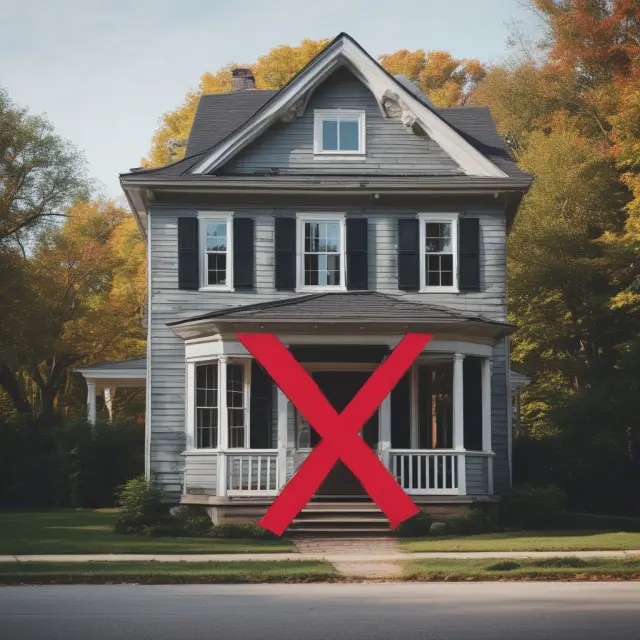
Identifying Uninsurable Properties: Inspecting the Home
When it comes to buying or selling properties, understanding the concept of uninsurable property is crucial in navigating both the mortgage and insurance processes. Uninsurable property refers to a home that does not meet FHA’s insurance requirements due to its condition or need for extensive repairs. Identifying these issues early on can help prevent unexpected complications during the transaction.
FHA’s insurance and mortgage guidelines set standards for acceptable conditions in real estate deals. Should repairs exceed the limit established by the FHA, the property becomes uninsurable. Common reasons for a home being deemed uninsurable include damage from fires, storms, or deterioration that puts the property below acceptable living conditions.
Private insurers may also deny coverage for specific issues, such as dead trees posing a risk of collapse, exposed or outdated wiring, and other infrastructure concerns. Even seemingly minor issues like an unsecured swimming pool can pose challenges in obtaining insurance. Homebuyers should pay close attention during property inspections to avoid purchasing a home that cannot be secured with proper insurance coverage.
When the home is being assessed for sale or purchase, a professional inspection is vital. In certain instances, it may be necessary to ask direct questions about the insurability of the housing and any potential issues. If a homebuyer remains unaware of such problematic possibilities, they could face complications in securing financing or insurance for their property.
If repairs are required to make the property compliant with FHA standards, there may be alternative policies available that cover workers on the site making those necessary improvements. It is essential to remember that HUD homes must undergo thorough appraisal and inspection before listing. These properties are categorized as insurable, insurable with repair escrow, or uninsurable. Uninsurable HUD homes often require other-than-FHA financing through the FHA 203K loan program – a rehab mortgage where repair costs are integrated into the mortgage itself. These homes typically sell at steep discounts and are not offered under conventional financing due to their condition. By staying informed about uninsurable property, homebuyers can better prepare themselves for the homebuying process and ensure they are making sound investments in properties that meet their needs while securing the proper insurance coverage.
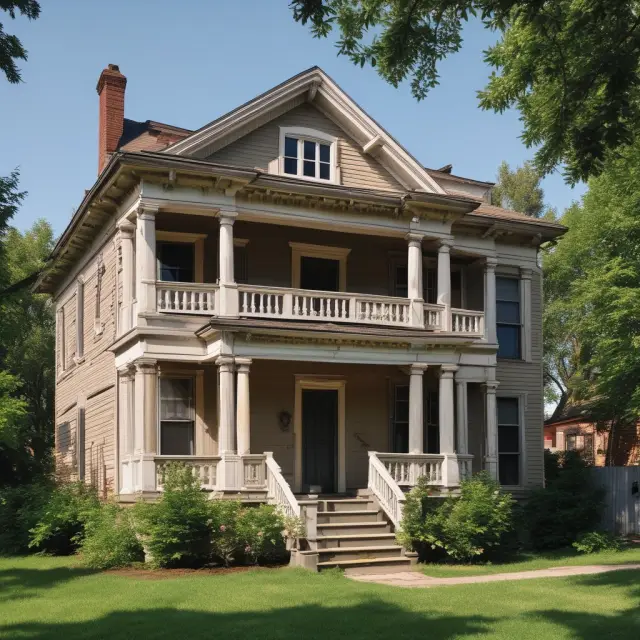
FHA 203K Loans: Rehab Mortgages for Uninsurable Properties
The Federal Housing Administration (FHA) refuses to insure certain properties due to extensive repairs, rendering them uninsurable by traditional insurance standards. In such cases, homebuyers have the option of alternative financing programs like FHA 203K loans. Designed as rehab mortgages, these loans allow buyers to roll repair costs into their mortgage, providing an accessible solution for purchasing properties deemed uninsurable by the FHA.
When a property is not eligible for standard insurance and mortgage offerings due to its condition, it falls into a unique category within real estate transactions. HUD homes, as mentioned earlier, are categorized as insurable, insurable with repair escrow, or uninsurable during the listing process. An uninsurable property may only be acquired through other-than-FHA financing such as FHA 203K loans.
The FHA 203K loan program offers a unique opportunity for buyers to purchase homes that require significant repairs and renovations. By bundling the repair costs into the mortgage, the buyer benefits from one consistent monthly payment, making the homebuying process more manageable.
However, it is crucial to keep in mind that these homes typically sell at a significant discount due to their condition and uninsurability. Buyers must exercise caution during inspections and negotiations to fully understand the scope of necessary repairs before committing to the purchase.
While the FHA 203K loan program offers a viable solution for purchasing an uninsurable property, it is essential to be aware of the added responsibilities and complexities that come with the rehab process. By gaining knowledge about this alternative financing method, homebuyers can make informed decisions when navigating the purchase of an uninsurable property.
In conclusion, the FHA 203K loan program plays a significant role in allowing buyers to secure financing for properties deemed uninsurable by traditional insurers. Through this rehab mortgage solution, buyers can manage repairs and renovations under one consistent payment plan, making homeownership more accessible despite the property’s condition. It is crucial that buyers remain diligent during the inspection process and understand the full scope of required repairs before committing to a purchase, as uninsurable properties often present unique challenges in the realm of real estate transactions.
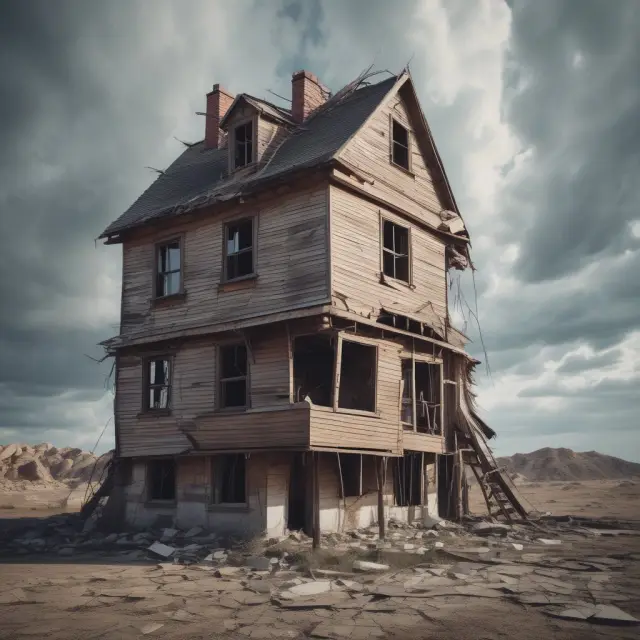
Common Issues that Lead to Uninsurability
The concept of uninsurable property arises when certain properties do not qualify for insurance coverage, primarily from the Federal Housing Administration (FHA). Such homes typically require extensive repairs and may be deemed unacceptable by the FHA due to their condition. However, private insurers can offer insurance on these properties, although it usually comes with higher premiums because of the increased risk.
Structural Problems: One significant issue that contributes to a property being categorized as uninsurable is structural problems. Issues like subsidence (the sinking or settling of land), foundation cracks, or severely leaning walls can compromise the structure’s stability and pose a serious risk for occupants. In such instances, insurers will not provide coverage until these issues are addressed and rectified.
Hazards: Another common reason for uninsurability is the presence of hazards that pose a significant threat to inhabitants. Some examples include mold, asbestos, and lead paint. Exposure to these hazards can result in severe health complications and necessitate extensive remediation work before insurance coverage becomes available.
Outdated Systems: Aging infrastructure and outdated systems are also common contributors to uninsurability. Issues like deteriorating electrical wiring, plumbing systems, or roofing can put a property at increased risk and may lead insurers to decline coverage until these problems are rectified.
Trees and Swimming Pools: Certain features, such as dead trees that pose a risk of collapse or large swimming pools, can create complications for insurers when determining eligibility. Inspectors might require the removal of dead trees before offering coverage. Conversely, if a property includes a swimming pool with necessary safety measures like fencing, it may still be insurable but will likely face higher premiums due to the added risk.
To ensure that a property is insurable, homebuyers and sellers need to conduct thorough inspections before proceeding with any transaction. These inspections help identify potential issues that could lead to uninsurability, giving parties an opportunity to address them before committing to a sale or mortgage application.

The Impact on Homebuyers: Navigating the Homebuying Process
When it comes to purchasing a home, one critical factor to consider is whether the property will be eligible for insurance coverage. For homes that don’t qualify for Federal Housing Administration (FHA) insurance due to extensive repairs, they may be categorized as uninsurable properties. Understanding what this means and how it could impact your homebuying process is essential.
The FHA sets specific conditions for the properties covered by its insurance program. If the required repairs exceed the threshold established by the FHA, the property will not qualify for FHA-backed financing. Instead, homebuyers might need to look at alternative financing options or make the necessary repairs themselves.
The FHA’s refusal to insure a property doesn’t necessarily mean that it cannot be insured through private sector insurers. However, these companies may impose higher premiums due to the added risk associated with uninsurable properties. To navigate this process successfully, buyers need to be aware of potential issues that might influence an insurer’s decision, such as:
- Structural problems and hazards: Dead or decaying trees, outdated or exposed wiring, and other infrastructure issues could lead insurers to deny coverage.
- Swimming pools: Insurers may not cover the presence of a swimming pool unless the property has features like a fence to secure it from unauthorized access.
- Required repairs: Before a home sale is finalized, the property must undergo an inspection to ensure it meets certain standards. If repairs are necessary to meet these requirements, the insurer might require buyers to complete them before offering coverage.
- Asbestos and lead paint: The presence of hazardous materials like asbestos or lead paint in a home can complicate insurance matters. Insurers may not cover these substances unless specific measures have been taken to remove or encapsulate them.
- Location: Properties situated in areas prone to natural disasters, such as hurricanes or earthquakes, might be considered uninsurable by certain insurers.
Buyers should remain vigilant during the homebuying process, asking direct questions about a property’s insurability and any potential issues that may arise. In some cases, HUD homes may be categorized as insurable, insurable with repair escrow, or uninsurable. If a home is deemed uninsurable, buyers will likely need to explore other financing options or make the repairs themselves before securing coverage.
In certain instances, the Federal Housing Administration offers the FHA 203K loan program, which allows financing for rehabilitating an uninsurable property. These loans roll repair costs into the mortgage, making it a viable option for buyers committed to restoring these homes.
Overall, being aware of the implications of buying an uninsurable property can help you make informed decisions and avoid potential challenges throughout the homebuying process.

Legal Aspects of Uninsurable Property
The legal implications of owning an uninsurable property can be vast and complex, as the lack of insurance coverage leaves homeowners exposed to potential financial risks. It is essential to understand these considerations carefully before pursuing a purchase or renovation of such a property.
When dealing with uninsurable properties, it’s crucial to recognize the added responsibilities that come with owning and maintaining the property. Homeowners may face significant liability risks if they fail to address issues related to safety hazards, environmental contamination, and potential code violations. Failure to remedy these issues could result in costly legal actions against the homeowner or even criminal penalties in some cases.
Another essential consideration for uninsurable properties is the need for adequate disclosure. Properly informing potential buyers about any known hazards or issues with the property can help prevent misunderstandings and disputes down the line. In many jurisdictions, sellers have a legal obligation to disclose any material facts related to the condition of the property. Failure to provide complete and accurate information could result in litigation or reputational damage.
Furthermore, local regulations and zoning laws may impact the ownership of uninsurable properties. Homeowners might face challenges if they wish to make significant changes or renovations to the property due to restrictions on building codes or permits. Being aware of these regulations beforehand can help homeowners avoid unexpected costs, delays, or legal issues during the course of their project.
Lastly, it’s crucial for homeowners to understand any potential tax implications when owning an uninsurable property. Depending on the specific circumstances, they might be eligible for tax credits or deductions related to renovating or improving the property. Consulting with a tax professional or attorney can help homeowners navigate this complex area of law and maximize their financial benefits.
Overall, owning an uninsurable property comes with unique challenges that require careful planning, attention, and legal expertise. By being well-informed about the potential risks and obligations involved, homeowners can successfully manage their property and mitigate any potential legal or financial pitfalls.

Risk Management for Uninsurable Properties: Best Practices
Managing risks is crucial when dealing with uninsurable properties. While it may be challenging to secure insurance coverage or a mortgage for such properties, there are strategies that can help ensure safety and financial stability. Here, we explore best practices for managing the unique risks associated with uninsurable properties.
1. Thorough Inspections: Obtaining a comprehensive inspection by a certified home inspector is essential before purchasing an uninsurable property. The inspector will provide an in-depth assessment of the property’s condition and identify any potential hazards or repairs needed. Armed with this information, buyers can make informed decisions about whether to proceed with the purchase or negotiate with sellers for necessary repairs.
2. Financial Planning: Preparing a financial plan that includes the cost of required repairs and maintenance is essential for managing risks associated with uninsurable properties. Adequate savings or alternative financing options, such as FHA 203K loans or private insurers offering higher premiums, can help mitigate risk.
3. Prioritizing Repairs: Focusing on critical repairs that address safety concerns and potential hazards is essential when managing risks in uninsurable properties. Prioritizing repairs will not only improve the property’s value but also contribute to a safer living environment for occupants.
4. Liability Management: Uninsurable properties may come with additional liabilities that need to be managed. Homeowners must ensure they disclose any known issues to potential buyers or tenants and provide appropriate warning signs. Additionally, securing adequate liability insurance is crucial in the event of accidents on the property.
5. Regular Maintenance: Performing routine maintenance on uninsurable properties can help prevent future repairs and minimize risk. This includes tasks such as regular roof inspections, proper drainage management, and addressing potential hazards like trees near power lines or pool safety features.
By employing these best practices, homeowners and investors can effectively manage the unique risks associated with uninsurable properties and ensure their long-term financial stability.
Conclusion: The Importance of Thorough Inspections and Planning
Understanding uninsurable property is vital for homebuyers who aim to secure a mortgage or insurance coverage for a fixer-upper. Uninsurable property, which cannot be covered by the Federal Housing Administration (FHA), often requires extensive repairs that exceed their coverage limits. In contrast, private sector insurers may consider covering uninsurable properties; however, they typically come with higher premiums due to increased risk.
The FHA sets specific requirements for a property to qualify for insurance. When the necessary repairs cost more than what the FHA allows, the property is deemed uninsurable. Homeowners might face this situation when dealing with damages from fires, storms, or aging infrastructure. In these cases, private insurers may deny coverage due to certain issues that need addressing, such as dead trees posing a risk of collapse or outdated wiring.
Potential buyers should be aware of these potential pitfalls and conduct thorough property inspections before finalizing the purchase deal. Neglecting unnoticed problematic aspects could result in a homebuyer being unable to secure insurance for their newly-purchased property. Additionally, the Department of Housing and Urban Development (HUD) requires appraisals and inspections on homes it offers for bidding. Uninsurable HUD properties often necessitate alternative financing options such as FHA’s 203K loan program, which covers the repair costs in a rehab mortgage.
Thorough inspections and proactive planning are essential for securing insurance coverage or purchasing an uninsurable property with confidence. By remaining informed about the conditions that could make a property uninsurable and taking necessary steps to address these issues, homebuyers can safeguard their investment and protect themselves from any potential liabilities.
FAQs: Commonly Asked Questions about Uninsurable Properties
How do I know if my property is uninsurable?
Consult an insurance professional or a home inspector to assess the condition of your property and determine its insurability status.
What factors cause a property to be deemed uninsurable by FHA?
Properties with extensive repairs required that exceed the FHA’s coverage limits are generally considered uninsurable.
Can I obtain insurance for an uninsurable property through private sector insurers?
Yes, though premiums may be higher due to increased risk.
How can I address issues that make my property uninsurable?
Consider making necessary repairs or improvements to bring the property up to standard for coverage.
What are common reasons why FHA refuses coverage for certain properties?
The FHA typically denies coverage when repairs required exceed their coverage limits, usually due to damages from storms, fires, or age.

FAQs: Commonly Asked Questions about Uninsurable Properties
What exactly is an uninsurable property? An uninsurable property, most commonly in the context of mortgages and insurance, refers to a home that the Federal Housing Administration (FHA) declines coverage for due to extensive repairs it requires. FHA sets standards regarding the condition of homes in mortgage transactions; if repairs exceed their limit, the property is considered uninsurable.
What causes a property to be deemed uninsurable? Homes may become uninsurable when they present significant risks or need substantial repairs due to damage from events like fires, storms, or aging structures. Structural issues, such as outdated wiring and infrastructure, can also lead to a property being denied insurance coverage.
Can private insurers cover uninsurable properties? Yes, some private insurers may still provide coverage for uninsurable properties, although typically with higher premiums due to the increased risk involved. For instance, insurers might not cover homes with dead or potentially hazardous trees, swimming pools without necessary safety features, or homes requiring extensive repairs that exceed FHA’s standards.
What are the challenges of purchasing an uninsurable property? Homebuyers face difficulties when attempting to purchase a home that the FHA has deemed uninsurable. They may need alternative financing methods, like FHA 203K loans, which roll repair costs into the mortgage. Buyers must be diligent about addressing any issues that could cause insurability problems before purchasing an uninsurable property and should thoroughly inspect it.
What are common reasons for a property to be deemed uninsurable by insurance companies? Some common reasons include extensive damages from storms, fires, or other natural disasters, structural issues such as outdated wiring or infrastructure, hazards like dead trees, and specific features that raise risks, like swimming pools without proper safety measures.
What is the FHA 203K loan program? The FHA 203K loan program offers financing for purchasing homes deemed uninsurable by traditional insurers. This type of mortgage allows borrowers to roll repair costs into their loans and is often used when buying HUD homes that fail inspections or require extensive work.
In conclusion, understanding uninsurable properties is crucial for both homebuyers and sellers as it can significantly impact the homebuying process. By recognizing what constitutes an uninsurable property, potential risks involved, and available financing options like FHA 203K loans, homeowners and buyers alike can navigate this complex area more confidently.
 Next entry · No. 5,256Understanding Uninsurable Risks: What Are They and How Can You Manage Them?
See also
-
 No. 3,881
04 May 2025
17 min
Understanding Owner-Occupancy: What It Is and How It Works
Real Estate
No. 3,881
04 May 2025
17 min
Understanding Owner-Occupancy: What It Is and How It Works
Real Estate -
 No. 5,919
18 Oct 2025
19 min
Understanding Zombie Titles: Financial and Legal Risks for Homeowners and Lenders
Real Estate
No. 5,919
18 Oct 2025
19 min
Understanding Zombie Titles: Financial and Legal Risks for Homeowners and Lenders
Real Estate -
 No. 4,789
16 Jul 2025
21 min
Subleasing: Understanding the Legal Transfer of Tenancy from Existing Tenant to a Third Party
Real Estate
No. 4,789
16 Jul 2025
21 min
Subleasing: Understanding the Legal Transfer of Tenancy from Existing Tenant to a Third Party
Real Estate -
 No. 4,332
10 Jun 2025
23 min
Understanding Redlining: History, Impacts, and Legalities in Finance and Real Estate
Real Estate
No. 4,332
10 Jun 2025
23 min
Understanding Redlining: History, Impacts, and Legalities in Finance and Real Estate
Real Estate -
 No. 4,293
07 Jun 2025
20 min
Understanding the Real Estate Settlement Procedures Act (RESPA): Disclosures, Requirements, and Prohibitions
Real Estate
No. 4,293
07 Jun 2025
20 min
Understanding the Real Estate Settlement Procedures Act (RESPA): Disclosures, Requirements, and Prohibitions
Real Estate -
 No. 4,253
03 Jun 2025
22 min
Quiet Title Action: Clarifying Property Ownership in Finance and Investment
Real Estate
No. 4,253
03 Jun 2025
22 min
Quiet Title Action: Clarifying Property Ownership in Finance and Investment
Real Estate