Understanding Volume of Trade: A Key Metric for Institutional Investors

Understanding the importance of volume in financial markets for institutional investors - definition, measurement, impact on market liquidity, & more.
What Is Volume of Trade?
Volume of trade, often referred to as trading volume, represents the total quantity of securities, such as stocks, bonds, options contracts, futures contracts, or commodities, transacted between buyers and sellers in a specific security during a defined period. Understanding volume is essential for investors because it signifies market activity levels and liquidity. In this section, we will discuss the definition, significance, reporting methods, and various aspects related to volume of trade.
Understanding Volume’s Importance
Volume of trade plays an integral role in assessing market conditions by offering insights into the overall activity level within a security or financial instrument. It helps investors gauge market interest, evaluate liquidity, and monitor price movements more effectively. Higher trading volumes generally indicate stronger investor demand, more efficient order execution, and a larger pool of potential buyers or sellers. Conversely, lower trade volumes signify reduced market activity and potentially less liquidity.
Measuring Volume in Financial Markets
Financial markets use various methods to measure volume for different securities, such as:
- Stocks: The NYSE, NASDAQ, and other stock exchanges track the trading volume of individual stocks using real-time data feeds.
- Bonds: Bond volume is calculated based on the number of bonds traded in a specific issue during a period.
- Options contracts and futures contracts: Volume for options and futures contracts are measured by tracking the number of contracts traded between buyers and sellers.
- Commodities: Volume in commodity markets is typically reported as the number of contracts traded on a given trading platform or exchange.
Volume’s Impact on Market Liquidity
Market liquidity refers to the ease with which investors can buy and sell securities at desirable prices without significantly impacting the market price. Higher volumes of trade improve overall market liquidity by providing multiple opportunities for buyers and sellers to transact, ultimately leading to better execution prices and reduced bid-ask spreads.
In Conclusion
The importance of volume of trade lies in its ability to provide valuable insights into market conditions, including investor sentiment, liquidity levels, and potential price movements. Understanding volume data is crucial for traders and investors looking to make informed decisions based on real-time market information. By analyzing trading volumes in the financial markets, one can assess market activity levels, evaluate liquidity, and identify trends that may impact their investment strategies.
In the next section, we will discuss how high-frequency traders and passive investors contribute significantly to trading volume statistics in various markets. Stay tuned for a deeper dive into this topic!

Measuring Volume in the Financial Markets
Volume of trade is a critical metric used by both traders and institutional investors to assess market liquidity and price movements. It represents the total number of shares or contracts transacted during a trading day for a specified security. In this section, we discuss various methods for measuring volume on stocks, bonds, options contracts, and futures contracts.
Stocks: For equities, volume is typically expressed as the number of individual shares traded during a given period. Exchanges report hourly volumes throughout the day, providing investors with valuable insights into the trading activity for their securities of interest. Higher trade volumes on stocks signify more active markets and potentially better liquidity, resulting in improved order execution.
Bonds: For bonds, volume is measured as the number of contracts or individual bond certificates traded during a specified time frame. Bond traders closely monitor volume data to gauge market sentiment and identify potential price movements based on the buying and selling activity occurring within the market.
Options Contracts: In options trading, volume refers to the total number of option contracts bought or sold throughout the trading day. Options traders often study volume trends to make informed decisions regarding the likelihood of potential price changes and anticipated volatility, taking into account both call and put options’ volumes.
Futures Contracts: For futures markets, volume is measured as the total number of contracts traded during a given time frame. Volume data for futures can provide significant insight into market trends, as it reveals investor interest in various asset classes and the overall level of market liquidity.
In conclusion, volume analysis plays an integral role in understanding market activity and informing investment strategies across multiple financial instruments such as stocks, bonds, options contracts, and futures contracts. By closely monitoring and analyzing trade volumes, investors can make more informed decisions regarding entering or exiting trades while also assessing the overall liquidity of various markets.

Volume’s Significance to Market Liquidity
Understanding volume of trade is crucial for investors as it is a key metric used to assess market liquidity, which refers to the degree of ease with which securities can be bought or sold without affecting their price. Higher trading volumes indicate greater market liquidity, leading to better order execution and more stable prices. Conversely, low volume levels imply lower liquidity and potential challenges when attempting to buy or sell large positions.
Volume plays a significant role in determining the market’s activity and liquidity, particularly in the context of order execution and price movements. In markets with high volumes, transactions are executed efficiently without causing substantial impact on prices due to the larger number of buyers and sellers participating. This is important for both short-term and long-term investors looking to enter or exit positions while minimizing slippage and maintaining optimal portfolio allocations.
Moreover, high trading volumes can help reinforce market trends by attracting more interest from participants, creating a self-reinforcing cycle of buying or selling pressure. This effect is especially pronounced during periods of significant price movements when large institutional investors and traders seek to capitalize on market shifts. For instance, a sharp decline in stock prices can lead to a surge in trading volume as both panicked sellers and opportunistic buyers react to the situation.
Volume data can also serve as an indicator of investor sentiment, providing insights into the collective behavior of buyers and sellers within the market. For example, a significant increase in volume during a trending period suggests a higher level of conviction among market participants. This information can help informed investors gauge the potential continuation or reversal of existing trends based on the underlying supply and demand dynamics at play.
The SEC’s Rule 144 and its regulation of securities sales by traders is also linked to trading volumes. According to the rule, sellers cannot make security sales exceeding 1% of outstanding shares of the same class being sold within any three-month period to ensure a stable market for the securities in question. This regulatory framework aims to maintain overall market liquidity by preventing excessive selling and preserving investor confidence.
Understanding volume’s role in market liquidity is essential as it impacts various aspects of trading, from order execution to price stability and investor sentiment. As a result, investors should closely monitor trade volumes when making investment decisions and adjust their strategies accordingly to maximize profitability while minimizing risk exposure.

High-Frequency Trading and Passive Investing: Contributors to Trade Volume
Trade volume is a crucial metric used in the financial markets to assess market activity and liquidity. In recent years, two significant participants have contributed significantly to trade volumes: high-frequency traders (HFTs) and passive investors such as index funds. Understanding their roles is essential for traders looking to make informed decisions based on volume data.
High-Frequency Traders (HFTs): A Modern Trading Phenomenon
In today’s fast-paced markets, high-frequency trading has become a significant contributor to trade volumes. High-frequency trading refers to the practice of using sophisticated algorithms to execute large orders at lightning speeds. HFT firms analyze vast amounts of data to identify minute market inefficiencies and profit from them before other investors can react. These trades are typically executed within microseconds, often generating thousands of transactions per second.
The immense speed and volume at which high-frequency traders operate can significantly impact market liquidity. HFTs add liquidity by providing bid-ask spreads for various securities, allowing other investors to enter or exit positions more easily. Moreover, their presence can create temporary price inefficiencies, creating opportunities for arbitrage trades between related markets. However, there is ongoing debate regarding the long-term effects of high-frequency trading on market stability and fairness.
Passive Investing: Index Funds and Exchange Traded Funds (ETFs)
Another major contributor to trade volume is passive investing through index funds and ETFs. Passive investment strategies follow a specific market index, aiming to match its performance by investing in all or a representative sample of its constituent securities. Index funds and ETFs are popular among investors looking for diversification, lower costs, and reduced risk compared to actively managed funds.
Passive investors employ index rebalancing, which involves periodically adjusting their portfolio holdings to maintain a given asset allocation based on the index’s composition. This process can generate significant trading volumes as passive funds buy or sell securities in large quantities to maintain exposure to specific sectors or asset classes.
Understanding the roles of high-frequency traders and passive investors is crucial for traders who rely on trade volume data to inform their investment decisions. By recognizing these contributors, traders can better assess market activity, liquidity, and potential price movements.
In conclusion, the financial markets are constantly evolving, with new trends, participants, and technologies shaping trading volumes. High-frequency traders and passive investors are significant contributors to trade volume statistics in today’s markets. Understanding their roles and strategies is essential for traders looking to capitalize on market opportunities and navigate complex trading environments.

Volume Analysis for Traders
Traders closely monitor volume data when assessing the market trends and making investment decisions. Volume can help provide valuable insights into the market’s liquidity, order execution capabilities, and overall activity levels. Let’s delve deeper into how traders utilize trade volumes as a technical factor in their decision-making processes.
Understanding the Importance of Trade Volumes
In markets with higher trade volumes, there is typically increased liquidity, which leads to better price discovery and improved order execution. This is because there are more buyers and sellers participating in the market, resulting in greater competition to buy and sell securities at desired prices. Conversely, lower volume levels may indicate decreased investor interest, reduced liquidity, and potential for wider bid-ask spreads.
Technical Analysis Perspective
Traders employ several technical analysis tools to decipher the significance of trade volumes in their decision-making processes. One such tool is identifying large price movements accompanied by high volumes as potential trading catalysts, which can help confirm trend reversals or continuation. For instance, if a security experiences a significant price change (either up or down) and is accompanied by an above-average volume, it might indicate that the market has undergone a fundamental shift, requiring traders to reevaluate their positions.
Volume Levels and Support
Traders also use volume levels as a tool for establishing support areas in the market. By observing the historical average daily trading volumes (ADV) of a security, they can identify specific volume thresholds that may represent significant levels of buying or selling pressure. For instance, if a stock consistently experiences strong volume at around 10,000 shares per day, a sudden surge in volume above this level could potentially signal increased investor interest and the potential for further price appreciation.
Volume in Decision-Making
Traders often consider trade volumes when deciding on entry and exit points for their trades. By analyzing historical trading data, they can identify trends and patterns that help inform their decisions regarding specific time frames for entering or exiting positions. For example, a trader might prefer to enter a long position during periods of increased volume or near the open or close of the trading day, when there is typically higher liquidity and order execution capabilities.
Volume Indicators
There are several technical analysis indicators that incorporate trade volumes as a factor. One such indicator is the Moving Average Volume (MAV), which plots a moving average line for the volume of a security over a specified time period, providing traders with insights into changes in the volume trend and potential market shifts. Another popular volume indicator is the On Balance Volume (OBV), which measures the net flow of volume between buyers and sellers and can help confirm trend reversals or identify potential divergences.
Regulatory Considerations
It’s essential to note that trading regulations, such as Rule 144 established by the Securities and Exchange Commission (SEC), may impact trade volumes. This rule imposes restrictions on the sale of securities by traders, limiting their sales to not exceeding 1% of outstanding shares of the same class being sold within any three-month period.
In conclusion, volume plays a crucial role in traders’ decision-making processes and understanding market dynamics. By closely analyzing trade volumes, traders can glean valuable insights into the underlying trends, liquidity levels, and potential shifts occurring in the markets.

Regulation of Volume Trading
The Securities and Exchange Commission (SEC) plays a crucial role in regulating the volume trading activities of traders to maintain fairness and transparency within the financial markets. The SEC enforces various rules and regulations, primarily Rule 144, which pertains to the sale of securities by traders.
Rule 144 sets restrictions on the amount of securities that can be sold by a single trader during a given period. A trader cannot sell securities exceeding 1% of the outstanding shares of the same class being sold in any offering. This rule helps to maintain market equilibrium and prevent insider trading.
However, Rule 144 also offers exceptions for certain sales, such as those made according to a specific plan or based on pre-existing relationships with buyers, known as private sales. In addition, the SEC has established thresholds allowing traders to sell securities without registration under certain conditions, such as if they have owned the securities for more than six months.
The regulations imposed by the SEC regarding volume trading aim to protect investors from unfair practices and promote transparent trading activities. These rules also encourage institutional and retail investors to follow proper channels when engaging in large-scale transactions, ensuring a healthy and stable market ecosystem.
Understanding Tick Volume as a Surrogate for Trade Volume
Tick volume or the number of price changes is another essential metric used by traders to assess market liquidity and trading activity. While it does not directly represent trade volumes, it can serve as an effective proxy when real-time trade data might be unavailable or difficult to access.
Tick volume tends to increase in response to significant price movements, making it a valuable tool for technical analysis and understanding the overall sentiment of the market. When large numbers of shares are traded within a short period, numerous price changes occur, leading to an increase in tick volumes. This phenomenon is particularly prevalent during periods of high volatility or significant news events that influence the direction of stock prices.
Traders often rely on both trade volume and tick volume to make informed decisions regarding entry and exit points for their investment strategies. By analyzing historical data, they can identify trends and patterns, such as volume spikes and price movements, which may provide insights into potential opportunities or risks within the market.

Understanding Tick Volume as a Surrogate for Trade Volume
Tick volume, also known as tick data, represents an essential metric in financial markets that can function as a reliable surrogate for trade volume. This section aims to shed light on the significance of tick volume and its implications for market activity and liquidity.
Tick Volume: Definition and Significance
Tick volume refers to the number of price changes during a trading day. Price changes occur when the bid or ask price for a security moves from one level to another. Tick volume is calculated by counting each individual price change that occurs in the market for a given financial instrument, including stocks, bonds, options contracts, futures contracts, and other securities.
Tick volume serves as a valuable alternative to trade volume as it provides insights into the frequency of price changes throughout the trading day. High tick volumes often coincide with higher trading volumes and increased market activity. Moreover, tick volumes can help assess the liquidity and depth of a particular security or market segment.
Measuring Tick Volumes in Trading Markets
To measure tick volume, financial institutions and exchanges employ sophisticated data collection methods, such as real-time market feeds, high-frequency trading systems, and complex algorithms that monitor price changes continuously throughout the day. These methods enable market participants to track tick volumes in real time and analyze historical data to derive valuable insights into market trends and patterns.
Tick Volumes’ Impact on Market Liquidity and Order Execution
The significance of tick volume lies in its correlation with trade volume, order execution, and market liquidity. As the number of price changes increases, the likelihood of potential buyers and sellers connecting and executing orders more efficiently also rises. Moreover, higher tick volumes can contribute to more accurate price discovery and better pricing information for market participants.
Investors and Traders Utilizing Tick Volume Data
Tick volume plays a crucial role in the decision-making process for both long-term and short-term investors and traders. For instance:
- Short-Term Traders: Intraday traders may use tick volume data to identify potential buying or selling opportunities during specific price movements, such as breakouts, pullbacks, or trend reversals.
- Long-Term Investors: Value investors may rely on historical tick volumes to analyze trends and assess the overall health of a company’s stock by evaluating the consistency and magnitude of price changes over extended periods.
- Market Makers: High-frequency traders can employ tick volume data to adjust their inventory positions, hedge risks, and exploit short-term arbitrage opportunities in real time.
- Regulators and Policymakers: Regulatory authorities like the Securities and Exchange Commission (SEC) may use tick volume data as a tool for market surveillance and analysis to identify potential manipulation or fraudulent activities in various financial markets.
In conclusion, tick volume is an essential metric that can be used as a surrogate for trade volume in understanding financial market activity and liquidity. By tracking tick volumes, investors, traders, regulators, and market participants alike can gain valuable insights into the underlying dynamics of various securities and financial instruments, which ultimately help inform their investment decisions, risk management strategies, and overall market sentiment analysis.

Volume’s Impact on Short-Term and Longer-Term Market Trends
Volume plays a significant role in shaping both short-term and longer-term market trends in finance. Understanding how volume relates to market liquidity, price movements, and investor sentiment can provide valuable insights into the broader financial landscape.
Market Liquidity: Volume is closely linked to market liquidity, as higher trading volumes typically result in better order execution and more efficient pricing. For investors, this means that larger volumes may lead to fewer price discrepancies between different markets or exchanges, making it easier for them to enter and exit trades at their desired prices. Conversely, lower trading volumes can impact market liquidity negatively by potentially widening bid-ask spreads, resulting in less favorable pricing for buy-and-sell orders.
Price Movements: Volume plays a crucial role in both identifying and reacting to price movements in the financial markets. For instance, large increases in trading volume can signal significant price shifts and serve as leading indicators of future market trends. On the other hand, smaller trading volumes may indicate that any observed price movements are insignificant or short-lived. Furthermore, understanding historical volume trends for specific securities or indexes can help traders make informed decisions regarding when to buy or sell based on prevailing market conditions.
Investor Sentiment: Volume data can also provide insights into investor sentiment and market psychology. For example, higher trading volumes during periods of market stress, such as increased volatility or panic selling, may indicate that a significant number of investors are reacting to specific news events or economic indicators. Additionally, studying volume trends can help investors gauge the overall bullishness or bearishness of the market by evaluating the prevailing sentiment of buyers and sellers.
Market Manipulation: Volume data is essential when analyzing potential instances of market manipulation. For example, unusually large trading volumes in a stock may indicate insider trading activity or other forms of manipulation that could impact the security’s price. Regulatory agencies such as the Securities and Exchange Commission (SEC) closely monitor volume trends to detect and address any suspicious activities that violate securities laws or regulations.
In conclusion, volume is a key metric for both short-term and longer-term market analysis, offering valuable insights into market liquidity, price movements, investor sentiment, and potential instances of manipulation. By understanding the relationship between volume and these factors, investors can make informed decisions that help maximize their returns while minimizing risk in their portfolios.
The Securities and Exchange Commission (SEC) regulates trading activities to ensure fair and transparent markets. In 1934, the SEC passed the Securities Act, which required companies to disclose financial information publicly for potential investors to evaluate before making investment decisions. This legislation is crucial in ensuring that the securities markets operate efficiently and fairly.
The Impact of High-Frequency Trading and Passive Investing: In recent times, the emergence of high-frequency trading and passive investing has drastically changed the volume landscape in financial markets. According to a study by JPMorgan published in 2017, passive investors like ETFs and quantitative investment accounts responsible for 60% of overall trading volumes, while fundamental discretionary traders comprised only 10%. This trend highlights the increasing role technology and automated trading systems play in shaping market activity and volume patterns.
Volume Analysis: Volume analysis is an essential component of technical analysis, which involves examining historical price data to forecast future trends. By incorporating volume data into their analysis, traders can identify crucial support and resistance levels, evaluate trends, and make more informed decisions regarding entry and exit points for trades. Additionally, studying volume trends can help investors understand the underlying market sentiment and adjust their investment strategies accordingly.
Intraday Volume Trends and Seasonality: Volume patterns can exhibit intraday trends, which can provide valuable insights into short-term price movements and market volatility. For example, analyzing the average daily trading volume of a security over time can help traders determine entry and exit points based on prevailing volume patterns. Additionally, understanding seasonal volume trends, such as higher volumes at specific times during the year due to tax-loss selling or other factors, can help investors optimize their portfolios for various market conditions.
Regulation of Volume Trading: Regulatory bodies like the SEC closely monitor trading activities and enforce regulations to ensure fair trading practices. The SEC regulates volume trading through various rules, such as Rule 144, which governs the sale of securities by insiders and restricts sales from exceeding 1% of outstanding shares of the same class being sold within a six-month period. By enforcing regulations and maintaining transparency in market activities, the SEC helps maintain investor confidence and trust in financial markets while ensuring that all participants follow fair trading practices.
Tick Volume: Tick volume is an alternative measure of trading activity, representing the number of price changes or “ticks” occurring during a specified period. This measurement can provide valuable insights into market liquidity and volatility, particularly when studying smaller stocks with limited reported trade volumes. By closely monitoring tick volumes in conjunction with traditional trade volumes, investors can gain a more comprehensive understanding of market conditions and make informed investment decisions accordingly.
FAQ: Frequently Asked Questions About Volume of Trade
Why is volume important?
Volume measures the total number of shares or contracts transacted for a specified security during a specified time period. It provides insight into market liquidity, price movements, and investor sentiment, making it an essential factor for both short-term and longer-term analysis in financial markets.
What is high volume trading?
High volume trading refers to securities or contracts with significantly higher than average volumes of trade compared to their historical trends. High volume trading can indicate strong buying or selling interest, potential market manipulation, or other significant events impacting the security’s price.
How is volume measured?
Volume is typically measured as the total number of shares or contracts transacted between buyers and sellers for a specific security during a given time period. Trading exchanges and financial institutions report daily volume data, while investors can also follow tick volumes as a surrogate measure of trading activity.
What is the difference between volume and tick volume?
Volume refers to the total number of shares or contracts traded for a specified security during a given time period, whereas tick volume represents the number of price changes occurring during that same period. Tick volume can provide additional insights into market liquidity and volatility, particularly when studying smaller securities with limited reported trade volumes.
How does high volume impact stock prices?
High trading volumes can impact stock prices by influencing market liquidity, investor sentiment, and potential insider trading activity or market manipulation. Generally, increased trading volumes result in more efficient pricing and better order execution for investors, while decreased volumes may lead to widened bid-ask spreads and less favorable pricing conditions.
What is the significance of intraday volume trends?
Intraday volume trends can provide valuable insights into short-term price movements and market volatility, allowing traders to make informed decisions regarding entry and exit points for trades based on prevailing volume patterns. Studying historical volume trends can also help investors optimize their portfolios for various market conditions by understanding seasonal trends and adjusting their strategies accordingly.
What are the implications of high-frequency trading and passive investing on volume data?
The emergence of high-frequency trading and passive investing has drastically changed the volume landscape in financial markets, with passive investors being responsible for a significant portion of overall trading volumes. This trend highlights the increasing role technology and automated trading systems play in shaping market activity and volume patterns. Understanding these trends can help investors make more informed decisions regarding their investment strategies based on prevailing market conditions.
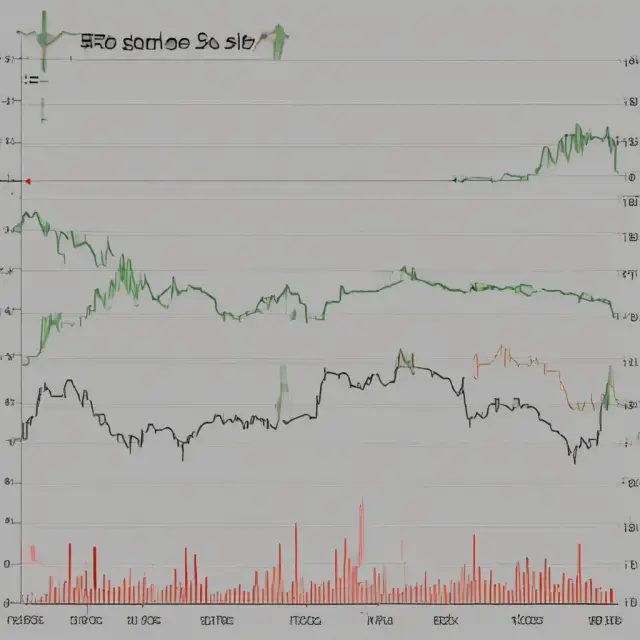
Intraday Volume Trends and Seasonality
Volume patterns throughout a trading day can provide valuable insights into market conditions and help traders anticipate volatility and potential price movements. Understanding intraday volume trends and seasonality can offer crucial context for both short-term and longer-term investment strategies.
Trade Volume and Market Liquidity
One of the most significant advantages of analyzing trade volumes is that they shed light on the overall market liquidity, which impacts order execution and price movements. Higher volume levels imply a more active market with increased buying and selling opportunities, while lower volumes suggest a slower-moving market. When stocks are actively traded, there is usually better price discovery, as the higher volume can lead to more significant price swings and quicker responses to new information.
Intraday Volume Trends
Trade volume tends to exhibit distinct patterns throughout the trading day. Historically, volumes have been highest during the first hour of trading, around the market open, and at the end of the trading session when markets are closing. The reason behind this is that many traders try to execute their orders as close to the opening or closing prices as possible to minimize slippage (the difference between the execution price and the desired price). Additionally, institutional investors often enter and exit positions around the market open and close, contributing significantly to the volume spikes during these periods.
Furthermore, certain stocks may exhibit unique intraday volume patterns due to factors such as news announcements or company earnings releases. For instance, a high-volume stock may experience a large influx of buying interest in response to positive news, leading to increased price volatility and heightened trading activity throughout the day.
Seasonality
Seasonal patterns in volume can also be an essential consideration for traders. For example, Mondays generally have higher volumes due to investors’ return to their positions following a weekend. Conversely, Thursdays usually see lower volumes as many institutional investors lighten their trading loads ahead of the weekend. Additionally, the last day of the week is often characterized by increased volume and volatility as investors position themselves for the upcoming week.
Factors Influencing Volume
Numerous factors can impact trade volumes, including news announcements, economic data releases, market sentiment, and regulatory changes. For instance, high-impact news, such as company earnings reports or economic indicators like GDP growth rates, unemployment statistics, or inflation data, can cause significant volume spikes. Additionally, market sentiment plays a critical role in trade volumes. If investors are optimistic about a stock or the overall market, they may be more active and contribute to increased buying and selling activity. Conversely, if there is negative sentiment, traders may reduce their positions, leading to lower trade volumes and decreased liquidity.
Regulatory factors can also influence volume trends. For instance, when the Securities and Exchange Commission (SEC) makes changes to its rules regarding trading, it can impact market activity levels. In 2012, the SEC adopted new rules related to high-frequency trading, which led to increased volumes as firms adjusted to these regulatory changes.
Conclusion
Intraday volume trends and seasonality are crucial indicators for traders looking to make informed investment decisions. By closely monitoring trade volumes throughout the day and considering their unique patterns, traders can anticipate potential market movements and price swings, helping them capitalize on opportunities and minimize risk. Additionally, understanding the factors that influence volume levels can provide valuable insight into underlying market conditions and investor sentiment.
FAQs: Frequently Asked Questions About Volume of Trade
Why is volume important to traders?
Volume is a crucial technical factor for traders as it helps gauge market activity levels and liquidity, which in turn impacts order execution and price movements. Higher volumes provide better opportunities for price discovery and improved liquidity, while lower volumes can result in slower markets with limited trading opportunities.
What causes high volume in the stock market?
High volume in the stock market is usually a sign of increased investor interest, active trading, or significant news events. These factors can lead to increased buying and selling activity, price swings, and heightened market volatility.
How do traders use trade volume as a technical factor?
Traders use trade volume in technical analysis as a simple yet powerful tool for determining market trends and predicting potential price movements. By analyzing the relationship between stock prices and their corresponding volume levels, traders can make informed investment decisions based on emerging trends and market dynamics.
What are some factors that influence intraday volume trends?
Factors that influence intraday volume trends include news announcements, economic data releases, regulatory changes, and investor sentiment. Each of these factors can contribute to increased or decreased trading activity and volatility throughout the day.
How does market liquidity impact trade volumes?
Market liquidity is closely related to trade volumes as they both influence each other. Higher volume levels generally indicate better market liquidity, with more buying and selling opportunities available to traders. Conversely, lower volumes suggest reduced liquidity, making it more challenging for investors to execute large orders without significantly impacting the market price.
Why does the stock market have higher volumes on Mondays?
The stock market tends to have higher volumes on Mondays due to several factors, including investor sentiment and institutional trading activity. Many traders return to their positions following the weekend, while institutions may enter or exit positions around the market open, contributing significantly to the volume spikes during this period.

FAQ: Frequently Asked Questions About Volume of Trade
Volume of trade is a crucial metric that plays an essential role in understanding market activity and liquidity. Let’s delve into some frequently asked questions about this vital financial indicator.
What does volume of trade mean?
Volume of trade refers to the total number of shares or contracts traded for a particular security during a trading day. It provides insights into the level of investor interest in a specific stock, and can help determine the overall market sentiment towards it.
Why is volume important?
High volumes indicate increased liquidity, which means that buyers and sellers can easily execute their trades without significantly impacting the price. Lower volumes may suggest less liquidity and higher bid-ask spreads, making it more challenging to enter or exit a position.
How is volume measured?
Exchanges report trade volumes throughout each trading day as an estimate and provide final figures the following day. Traders can also follow tick volume, the number of price changes, as a surrogate for trade volume since prices change frequently with high volumes of trade.
What affects market volumes?
Market volumes are influenced by various factors such as time of day, trading days (weekdays vs weekends), market sentiment, and participation from different types of investors like fundamental discretionary traders or passive investors using high-frequency algorithmic trading strategies.
How can volume be used in trading decisions?
Traders use volume analysis to gain insights into potential support and resistance levels, identify trend reversals, and assess the strength of price movements. Volume patterns also help determine entry and exit points for trades, making it an essential tool for market participants.
What is Rule 144 related to trade volume?
Rule 144, enacted by the Securities and Exchange Commission (SEC), regulates the sale of securities by traders. It prohibits sellers from exceeding 1% of outstanding shares of a class being sold within any three-month period to ensure fair market prices and prevent manipulation.
How does volume influence long-term trends?
Volume is an essential factor in understanding longer-term market trends as it can provide insight into the strength or weakness of trends by revealing how many investors are buying or selling a particular security. High volumes may indicate strong support for a trend, while low volumes could suggest waning interest and potential reversals.
In conclusion, volume of trade is an essential metric for understanding market activity and liquidity. By analyzing volume data, traders can make more informed decisions and capitalize on opportunities presented by various market conditions.
 Next entry · No. 5,528Understanding Volumetric Production Payments: A Structured Investment In Oil and Gas
See also
-
 No. 5,475
12 Sep 2025
20 min
Understanding Vertical Line Charting: An Essential Tool for Technical Traders
Financial Data Analysis
No. 5,475
12 Sep 2025
20 min
Understanding Vertical Line Charting: An Essential Tool for Technical Traders
Financial Data Analysis -
 No. 409
22 Apr 2024
23 min
Understanding the Bid-Ask Spread in Finance and Investment: Definition, Causes, Impact on Liquidity, Example
Investments
No. 409
22 Apr 2024
23 min
Understanding the Bid-Ask Spread in Finance and Investment: Definition, Causes, Impact on Liquidity, Example
Investments -
 No. 5,646
26 Sep 2025
21 min
Understanding Weak Shorts in Finance: Risks, Benefits, Strategies, and Trading Tactics
Finance Policy
No. 5,646
26 Sep 2025
21 min
Understanding Weak Shorts in Finance: Risks, Benefits, Strategies, and Trading Tactics
Finance Policy -
 No. 5,644
26 Sep 2025
18 min
Understanding Weak Hands in Finance: Recognizing Instability in Markets and Investments
Finance Policy
No. 5,644
26 Sep 2025
18 min
Understanding Weak Hands in Finance: Recognizing Instability in Markets and Investments
Finance Policy -
 No. 5,627
24 Sep 2025
20 min
Wash Trading: An Illicit Practice in Finance and Investment
Finance Policy
No. 5,627
24 Sep 2025
20 min
Wash Trading: An Illicit Practice in Finance and Investment
Finance Policy -
 No. 5,348
01 Sep 2025
19 min
Understanding Uptick Volume: A Technical Analysis Tool for Institutional Investors
Finance Policy
No. 5,348
01 Sep 2025
19 min
Understanding Uptick Volume: A Technical Analysis Tool for Institutional Investors
Finance Policy