Economic Justice: Principles, Goals, and Achievability
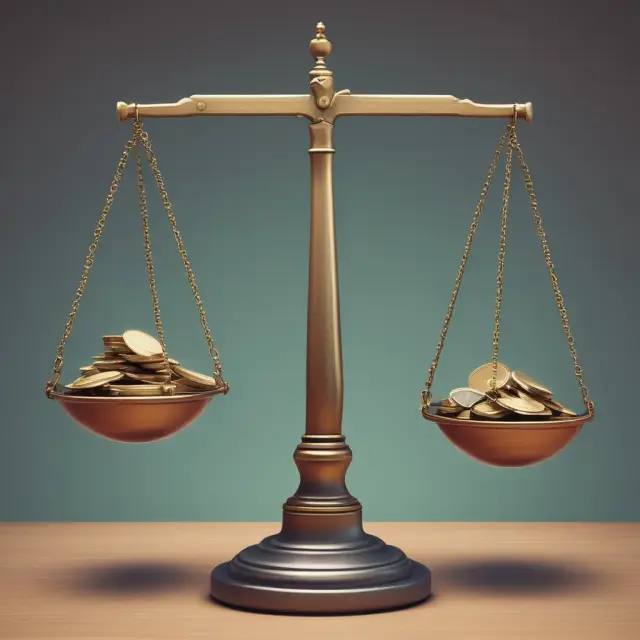
Exploring the principles of economic justice aimed at reducing inequality and promoting fair opportunities.
Understanding Economic Justice
Economic justice is an essential concept in social welfare economics and morality that aims to create economic institutions focused on ensuring opportunities for each individual to lead a dignified, productive, and creative life. At the core of economic justice lies the belief that fairness is crucial for overall economic success, with prosperity and justice serving as complementary forces rather than opposing elements. This section will provide insights into what economic justice entails, its significance in achieving an economically thriving society, and examples of efforts to promote it.
What Is Economic Justice?
Economic justice is more than just a concept; it’s a moral imperative. It signifies a set of principles designed to build a fairer economy where each citizen has the opportunity to contribute and earn an adequate livelihood, ensuring both their personal well-being and overall economic prosperity. By promoting equal opportunities for all individuals, the ultimate goal of economic justice is to create an environment where everyone can reach their full potential.
Economic justice embodies several key tenets: universal basic income (UBI), income equality regardless of gender or race, equal opportunity in employment and credit access, and fair wages. These principles help bridge the gap between those who have limited opportunities and those with abundant resources. In a world where economic disparities can be both vast and unforgiving, economic justice aims to mitigate their impact on individuals’ lives and overall economic growth.
Significance of Economic Justice
The interplay of economic justice and prosperity is an intriguing one. Many believe that a fairer economy will yield more successful outcomes than one where wealth concentration skews opportunities for the less fortunate. Achieving economic justice is essential because it empowers all citizens to earn decent wages, enabling them to participate actively in the economy by purchasing goods and services. This, in turn, fuels demand and drives growth, creating a virtuous cycle that benefits everyone.
Historically, various attempts have been made to bring economic justice into reality. Policies such as progressive taxation, universal basic income, affordable housing, federal financial aid for college students, earned income credit, and equal opportunity in employment and credit access are some examples of institutions created with this goal in mind.
In the following sections, we will delve deeper into the goals of economic justice, its historical origins, and the specific policies that embody its principles. By exploring these topics, we can gain a more nuanced understanding of how economic justice is intertwined with our economy’s successes and challenges.
The Goals of Economic Justice
Economic justice is an essential component of social welfare economics and moral principles for designing economic institutions. The primary objective of economic justice is the establishment of a fair society where everyone has the opportunity to develop a decent, productive, and creative life (Lasch, 1985). Economic justice aims to harmonize prosperity with fairness—believing that a more equitable economy will ultimately result in sustainable growth. This section explores three primary goals of economic justice: eliminating income inequality, creating opportunities for all, and fostering sustained economic development.
Eliminating Income Inequality: A Cornerstone of Economic Justice
A critical goal of economic justice is to reduce income inequality. The gap between the rich and poor often leads to significant social and political tensions within a society. Income inequality can limit opportunities for upward mobility, hinder social cohesion, and create an unstable economy (World Bank, 2015). Economic justice aims to address this by creating mechanisms that ensure resources are distributed more equitably across the population.
Creating Opportunities for All: The Power of Equality
Another primary goal of economic justice is to create opportunities for all members of society to thrive. This can be achieved through policies that promote equal opportunity in education, employment, and access to financial services. When everyone has access to the same resources and opportunities, they are more likely to participate fully in the economy. Increased participation leads to a larger consumer base, which, in turn, drives demand for goods and services (World Bank, 2015).
Sustained Economic Development: The Role of Equity in Prosperity
Lastly, economic justice aims to promote sustained economic development by focusing on fair wages, infrastructure investments, and social safety nets. When everyone has access to decent wages, they can afford the goods and services produced within their economy, ensuring a stable market for businesses and entrepreneurs (Lasch, 1985). By investing in public infrastructure and education, economic justice aims to create an environment where businesses can grow and create jobs while also enabling individuals to develop their skills and talents. Social safety nets provide a safety net for vulnerable populations during times of economic instability, ensuring that everyone remains productive members of society even when faced with adversity (World Bank, 2015).
In conclusion, economic justice is an essential concept in understanding the role of fairness and equality within economies. By focusing on eliminating income inequality, creating opportunities for all, and fostering sustained economic development, societies can work towards a more equitable and prosperous future.

The History and Evolution of Economic Justice
Economic justice is an essential component of social welfare economics and has its roots in the moral and ethical principles that govern economic institutions. The concept of economic justice can be traced back to the early stages of capitalism, where it arose from the belief that a fairer economy would lead to overall economic prosperity. This section will discuss the historical origins and evolution of economic justice and explore its relationship with capitalism and social welfare systems.
The origin of economic justice lies in the idea that the economy’s ultimate goal is to create opportunities for all individuals to thrive and achieve a dignified, productive, and creative life (UNRISD, 2015). This belief stems from the recognition that a more equitable society would lead to an economy where everyone has access to the resources needed to contribute productively.
Historically, economic justice gained significant momentum during the Industrial Revolution when mass production and urbanization led to increased social inequality (Amin & Robins, 2014). This period marked a turning point in the discourse on economic justice as thinkers began to question the moral legitimacy of an economic system that left so many behind.
In the late 19th century, economists like Henry George advocated for land value taxation and a single tax as solutions to address inequality (George, 1879). These ideas were based on the belief that concentrating wealth in the hands of a few would negatively impact economic growth. In the following decades, various economic theories, including social democracy, Keynesian economics, and welfare economics, emerged with the goal of reducing income inequality and creating more opportunities for all (Robbins, 1932; Keynes, 1936).
The mid-20th century saw the implementation of various economic justice policies, such as progressive taxation and social safety nets, which aimed to provide a floor beneath which no citizen would fall. These measures were driven by the belief that equalizing opportunities for all individuals would lead to a more stable and prosperous economy (Titmuss, 1968).
As we move into the present day, the debate on economic justice continues, with ongoing discussions about policies such as universal basic income, affordable housing, education, and fair wages. These issues have gained renewed attention in recent years due to growing income inequality and concerns about the long-term sustainability of the current economic system (Stiglitz & Bilmes, 2013).
The relationship between capitalism and economic justice remains a topic of ongoing debate. Some argue that capitalism inherently creates inequality and that efforts to mitigate it will inevitably hinder economic growth (Hayek, 1944). Others contend that economic justice is essential for the long-term success of capitalism (Marx, 1867; Sandel, 2013).
In conclusion, economic justice has a rich history rooted in moral and ethical principles aimed at creating equal opportunities for all individuals to thrive. Its evolution from the Industrial Revolution to the present day has seen various theories and policies implemented with the goal of reducing income inequality and fostering sustained economic growth. As we continue to explore this essential concept, it is vital to consider its relationship with capitalism and the role it plays in creating a fairer, more prosperous economy for all.
References:
Amin, A., & Robins, J. (2014). Capitalism, Social Justice, and Development: Theories, Practices, Dilemmas. Sage Publications.
George, H. (1879). Progress and Poverty. Harpers & Brothers.
Keynes, J. M. (1936). The General Theory of Employment, Interest, and Money. Macmillan International Higher Education.
Marx, K. (1867). Capital: A Critique of Political Economy, Volume I. Penguin Books.
Robbins, L. T. (1932). An Essay on the Nature and Significance of Economic Science. Macmillan International Higher Education.
Sandel, M. J. (2013). What Money Can’t Buy: The Moral Limits of Markets. Farrar, Straus and Giroux.
Stiglitz, J. E., & Bilmes, L. (2013). The Price of Inequality: How Today’s Divided Society Endangers Our Future. W.W. Norton & Company.
Titmuss, R. M. (1968). Income Distribution and Social Services. Penguin Books.
UNRISD (2015). Human Development Report 2015: Work for Human Dignity. United Nations Research Institute for Social Development.
Hayek, F. A. (1944). The Road to Serfdom: Text and Documents. University of Chicago Press.

Key Tenets of Economic Justice: Universal Basic Income and Equal Opportunity
Economic justice aims for fairness in the economy by promoting equal opportunities for all. Two significant tenets that embody economic justice are universal basic income (UBI) and equal opportunity, both focusing on wealth distribution and access to resources.
Universal Basic Income: A Solution to Economic Inequality
Universal basic income is a policy concept that has been gaining momentum in recent years as a means of reducing inequality. It refers to providing all citizens of a country or region with a certain sum of money, regardless of their employment status or other factors. The idea behind UBI is to ensure that everyone has enough to meet their essential needs and live with dignity. By alleviating the economic pressures faced by many individuals, it could help bridge the gap between those who are struggling financially and those who have access to more resources.
UBI has been proposed as an effective response to several contemporary challenges facing society. It could help address issues such as increasing automation in the labor market and income inequality resulting from wage disparities. Furthermore, it can act as a safety net for individuals during periods of economic instability or unemployment.
Equal Opportunity: An Essential Pillar of Economic Justice
Another tenet of economic justice is equal opportunity. This concept emphasizes creating an economic environment where everyone has access to the same opportunities, regardless of their race, gender, socioeconomic background, or other factors. The primary goal is to ensure that all individuals can fully participate in society and contribute to its prosperity.
Equal opportunity can be achieved through various means. For instance, implementing policies designed to increase diversity in hiring practices can help eliminate wage gaps between genders or races. Additionally, programs aimed at improving education and skills training for low-income communities can help create a more level playing field for those who may have been historically disadvantaged.
The Role of Economic Justice in Achieving Sustainable Economic Growth
Economic justice has the potential to contribute significantly to sustainable economic growth by addressing income disparities and providing opportunities for everyone. When people can rely on a stable income, they are more likely to engage in economic activities such as spending and investing, which drives demand and contributes to overall economic growth. Moreover, reducing income inequality fosters greater social cohesion and stability, creating a more favorable environment for long-term economic development.
Conclusion: Bridging the Gap with Economic Justice
Economic justice is a crucial aspect of ensuring that everyone has an equal opportunity to prosper in today’s economy. The implementation of policies such as UBI and equal opportunity can help bridge the gap between those who are economically disadvantaged and those who have access to greater resources. By focusing on fairness, inclusivity, and equal opportunities for all, economic justice is a vital step towards creating a more prosperous and just society.
The tenets of economic justice—universal basic income and equal opportunity—have been shown to make significant contributions to sustainable economic growth. As the world continues to evolve, it is essential that we explore innovative ways to address inequality and ensure that everyone has the chance to thrive in our globalized economy.

Progressive Taxation: An Attempt to Achieve Economic Justice
Progressive taxation is an essential aspect of many modern economies’ efforts to promote economic justice, addressing income inequality and generating resources for public services. Understanding the benefits, challenges, and limitations of this system can help us grasp its significance in the ongoing pursuit of a more equitable economy.
The Basics of Progressive Taxation: A Fairer Share
Progressive tax systems impose higher tax rates on those with higher income levels, redistributing wealth to improve overall economic justice. The rationale behind this approach lies in recognizing that as incomes rise, the marginal utility individuals derive from additional income decreases. Simply put, high-income earners do not need a portion of their income as much as low-income individuals do, who often spend a more significant proportion of their earnings on essentials like food and shelter.
Progressive Taxation in Action: A Tool for Income Redistribution
Implementing progressive tax rates allows governments to collect a larger share of revenue from those with higher incomes while reducing the tax burden on low-income households. This redistributes wealth by narrowing income disparities, providing resources for social programs, and ensuring that public infrastructure remains well-funded.
Benefits of Progressive Taxation: A Fair Share for All
The primary advantage of progressive taxation is its potential to reduce income inequality by leveling the financial playing field for all citizens. By imposing a greater tax burden on high earners, governments can generate revenue to fund programs and services designed to help those in need. These efforts can include public education, healthcare, affordable housing, and unemployment benefits, among others.
Challenges of Progressive Taxation: Balancing Fairness and Efficiency
Despite its advantages, progressive taxation also poses challenges for governments. One major issue is ensuring that the system remains fair while minimizing potential inefficiencies or unintended consequences. For example, high tax rates can discourage investment and incentivize individuals to pursue tax avoidance strategies, potentially undermining economic growth and generating a “brain drain” of wealthy citizens and businesses.
Limitations of Progressive Taxation: Pursuing Other Economic Justice Strategies
Progressive taxation alone cannot address all facets of income inequality and economic justice. It is important to recognize that other policies must also be in place, such as universal basic income, equal opportunity for employment and credit, and efforts to close the gender wage gap. These measures can help create a more equitable society while providing greater economic opportunities for all members.
In conclusion, progressive taxation serves as an essential tool in the pursuit of economic justice by redistributing wealth, reducing income disparities, and funding social programs designed to improve living standards for disadvantaged communities. However, it is crucial to recognize its limitations and address the challenges that come with implementing such a system while embracing other economic justice strategies to create a more balanced and fairer economy.
Elevating Wages: Fairness at the Workplace
Elevating wages to ensure fairness is an essential aspect of economic justice that directly impacts both employees and employers. When discussing economic justice, it’s important to understand that the goal is not just about income equality but also about creating opportunities for everyone to reach their full potential in a thriving economy. Wages are a primary means through which people establish financial security and make purchases, driving demand in the economy as a whole.
The concept of fair wages comes into play when discussing economic justice because it touches upon the idea that prosperity and justice go hand-in-hand rather than being opposed to each other. In essence, creating more opportunities for all members of society to earn a livable wage not only benefits individuals but also contributes to long-term sustained economic growth.
Achieving economic justice through wages can take various forms. One approach is a system of progressive taxation, where the tax percentage increases as income levels rise. By redistributing wealth to fund social services, public infrastructure, and education, progressive taxation plays an essential role in promoting fairness and equality.
Progressive taxation works to address wage disparities that can result from capitalism’s inherent inequalities. For instance, there are jobs where individuals may be underemployed or earning wages below their full potential, as the work they do does not fully utilize their abilities. When a significant portion of the population earns lower wages and is unable to participate fully in the economy by buying goods and services, it can lead to a slowdown in overall economic growth.
Some other initiatives aimed at wage fairness include efforts to address the gender wage gap and providing better career preparation and education for low-income and at-risk populations. The goal is to raise wages for these workers who have been historically disadvantaged, ensuring that everyone has a chance to contribute meaningfully to the economy.
It’s important to note that while wage fairness is an essential component of economic justice, it does not mean that high salaries for executives are undeserving. The idea is about creating balance and counteracting the potential detriment caused by unequal wages at the lower end of the spectrum when the economy experiences a downturn.
In conclusion, elevating wages is one way to achieve economic justice by ensuring that everyone has an equal opportunity to contribute to the economy and reach their full potential. Through measures like progressive taxation, addressing gender wage gaps, and providing better education and career preparation, it becomes possible to create a more equitable society where prosperity and fairness go hand-in-hand.
Gender-Driven Wage Gap: An Obstacle to Economic Justice
The gender wage gap, which represents the average difference in wages between men and women for performing similar jobs, acts as an obstacle to economic justice. It is a persistent issue that continues to influence income inequality, limiting opportunities for women and their families while hindering economic growth. Understanding the causes, implications, and potential solutions to this disparity can shed light on how economic justice can be further pursued.
The gender wage gap originated from various factors such as societal norms, historical biases, and structural inequalities. Women have historically been relegated to lower-paying jobs due to traditional gender roles that emphasized women’s domestic responsibilities over their professional growth. Furthermore, women are often underrepresented in high-wage industries, with men dominating fields like engineering, computer science, and finance. This inequality is further perpetuated by the expectations of a ‘feminine wage,’ which sets lower pay for roles that have historically been associated with women.
The gender wage gap not only has detrimental personal consequences but also affects economic growth. Women’s reduced purchasing power translates to decreased demand for goods and services, which can lead to slower economic expansion. Additionally, when women earn less than men, their families may face financial hardships, making it more challenging for them to invest in education or save for retirement.
Attempting to bridge the wage gap requires a multifaceted approach that addresses both the systemic and societal factors contributing to this disparity. One solution is legislative action, such as implementing equal pay laws and addressing pay transparency, enabling women to negotiate fair wages. Companies can also adopt policies that promote gender equality, like flexible work arrangements and parental leave, which would help women balance their professional and family responsibilities more effectively.
Ultimately, the pursuit of economic justice necessitates recognizing and addressing wage gaps as an essential step towards a fairer economy. As we continue to strive for a more just society where everyone can reach their full potential, it’s essential that we tackle the gender wage gap head-on, ensuring not only women but also future generations benefit from a level playing field in the labor market.
Social Justice vs. Economic Justice: A Comparison
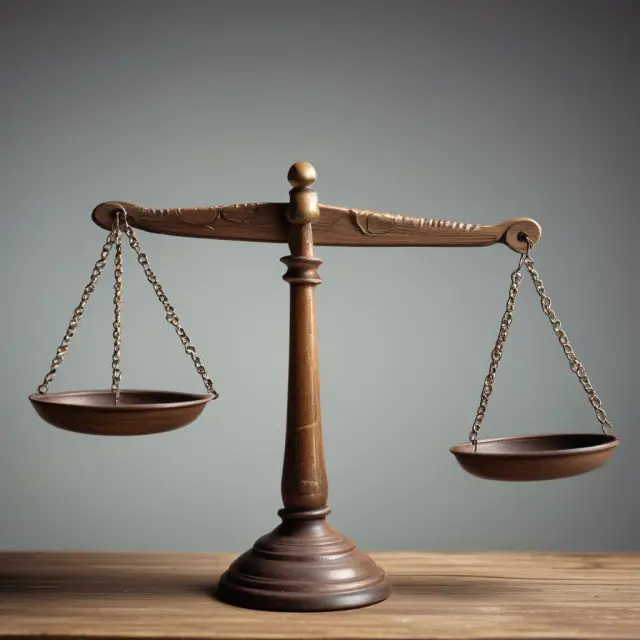
When discussing concepts related to fairness within societies and economies, two terms frequently surface: social justice and economic justice. While these concepts overlap in some ways, they are distinct and serve different purposes. Understanding the differences between social justice and economic justice is essential for anyone seeking a more equitable world. In this section, we will delve into the definitions, goals, and achievements of both concepts.
Defining Social Justice
Social justice refers to a philosophy that aims to ensure equal access to rights, resources, and opportunities, regardless of an individual’s social background. It addresses issues of discrimination based on various dimensions such as race, gender, class, religion, and ethnicity. The ultimate goal is to guarantee fair treatment and create a just society where everyone enjoys the same basic human rights, freedoms, and opportunities.
Defining Economic Justice
Economic justice, on the other hand, focuses specifically on creating a fair economic system that allows individuals to establish a sufficient material foundation upon which to thrive. It emphasizes the importance of economic equality and opportunity, recognizing that prosperity and justice are not mutually exclusive but rather complementary aspects of overall societal well-being.
Comparing Social Justice and Economic Justice Goals
Both social justice and economic justice have common goals—creating a more equitable society—but they approach these objectives differently. Social justice aims to ensure equal access to rights, opportunities, and resources regardless of social backgrounds like race, gender, or ethnicity. In contrast, economic justice’s primary goal is to eliminate the income inequality created by capitalism through creating equal opportunities for all members of the economy to earn fair wages that allow them to provide for themselves and their families. This, in turn, leads to greater spending on goods and services, contributing to sustained economic growth.
Exploring Historical Precedents and Evolution
Historically, social justice has been linked to political and human rights activism, while economic justice has been more closely tied to the welfare state and economic policy. However, both concepts have evolved over time, with social justice embracing a broader scope that includes economic issues as well. The modern civil rights movement in the United States is a prime example of how social justice has influenced political and economic policies, leading to improvements in education, employment opportunities, and access to healthcare for marginalized communities.
Understanding Economic Justice Policies
There are several ways to achieve economic justice, such as progressive taxation, universal basic income (UBI), eliminating wage gaps, and ensuring equal opportunity for employment and credit. Progressive taxation is a system where the tax percentage increases as base income amounts increase, aiming to address income inequality and fund social services, public infrastructure, and education. UBI, which provides regular, unconditional cash payments to every citizen, is another method of ensuring a basic standard of living for all. Eliminating wage gaps between genders and races and providing equal opportunity for employment and credit access are also essential tenets of economic justice.
Determining Achievability: Social vs. Economic Justice
While both concepts strive to create fairer societies, it is important to acknowledge that neither social nor economic justice is fully achievable in their purest forms. Societies have made significant progress towards these goals, with many developed economies offering some form of welfare and implementing progressive taxation systems. However, complete equality remains a challenge, with persistent income inequality and systemic biases limiting opportunities for marginalized communities.
In conclusion, social justice and economic justice serve complementary roles in creating a fairer world. Social justice addresses issues related to equal access to rights, resources, and opportunities regardless of backgrounds, while economic justice focuses on creating a fair economic system that ensures prosperity for all. Both concepts have made significant strides, but much work remains to be done towards achieving their goals.
In the next section, we will explore the history and evolution of economic justice, further expanding our understanding of this vital concept.
Is Pure Economic Justice Achievable?
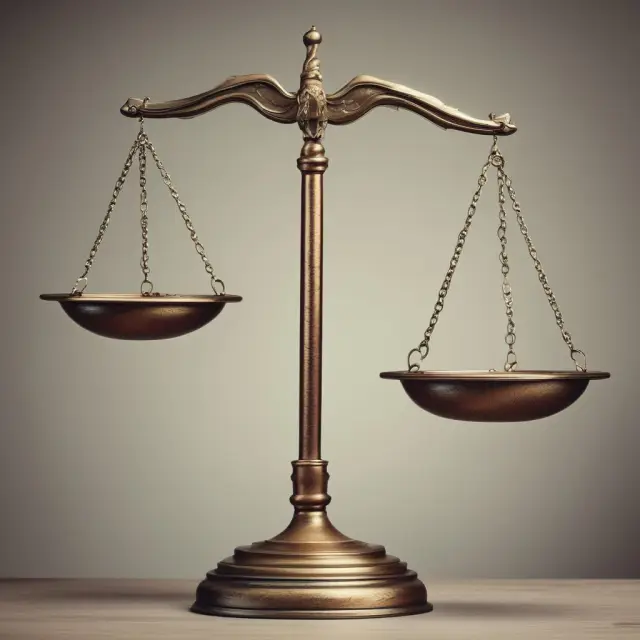
The question of whether pure economic justice is achievable remains an ongoing debate among economists, policymakers, and scholars. While some argue that economic justice can be attained through various policies and institutions, others contend that the inherent nature of capitalism makes true economic equality elusive. Let us examine the feasibility of achieving economic justice by exploring successes, limitations, and case studies from around the world.
The Pursuit of Economic Justice: Success Stories
Certain economies have made strides towards economic justice. For instance, countries like Denmark, Finland, and Sweden are often cited as models for their comprehensive social welfare systems and progressive tax structures. These nations have managed to create a balance between providing opportunities for growth while ensuring that the most vulnerable segments of society have access to essential services and a decent standard of living.
One particular example of economic justice in action is the idea of a universal basic income (UBI). This concept suggests that every citizen receives a guaranteed minimum income from their government, regardless of their employment status. Several countries and cities, such as Finland and Stockton, California, have experimented with UBI, with mixed results. While some studies suggest that UBI can alleviate poverty and stimulate economic growth by increasing spending power among the population, others argue that it could discourage work ethic and lead to inflation.
The Pursuit of Economic Justice: Limitations
Despite these success stories, many challenges remain in achieving pure economic justice. One of the most significant obstacles is the influence of powerful interest groups and corporations, who often use their resources to lobby for policies that benefit them at the expense of the majority. For instance, tax loopholes and subsidies for big businesses can contribute significantly to income inequality, as they divert funds away from social services and public infrastructure.
Another limitation arises from the very nature of capitalism itself. The competitive drive for profits and wealth accumulation may be at odds with the pursuit of economic justice. Some argue that focusing too much on economic equality could stifle innovation and entrepreneurship, as people might not have enough incentive to create new businesses or invest their resources in productive ventures.
Case Studies: Challenges to Economic Justice
There are several instances where efforts to achieve economic justice have faced significant obstacles. For example, Chile’s attempt to implement a universal pension system was met with resistance from the wealthy segments of society, who feared being taxed at higher rates. The conflict eventually led to widespread protests and political unrest, highlighting the challenges in implementing policies aimed at reducing income inequality.
Conclusion
The feasibility of achieving pure economic justice remains an open question. While some countries have made significant progress towards economic equality through various policies and institutions, many challenges remain. Income inequality continues to be a pressing issue in most economies, with powerful interest groups, corporations, and the inherent nature of capitalism presenting obstacles to true economic justice. Nevertheless, ongoing research and experimentation with new ideas and policies will continue to push the debate forward, shedding light on innovative solutions for creating a more equitable world.

FAQ: Economic Justice for Institutional Investors and Professional Readers
Investors and financial professionals are increasingly recognizing the importance of economic justice as part of their investment strategies. Understanding its relevance, benefits, and potential implications can help them make more informed decisions. Here’s a rundown of some frequently asked questions about economic justice in relation to institutional investors and professional readers:
**Question 1:** What is economic justice?
Answer: Economic justice refers to the ethical principles for building an economy that offers equal opportunities for all individuals to thrive. This includes concepts like universal basic income, fair wages, and progressive taxation. The primary goal of economic justice is to create a more equitable society where prosperity and social welfare go hand-in-hand.
**Question 2:** How does economic justice impact institutional investors?
Answer: Institutional investors can benefit from economic justice in various ways. First, investments made in companies that promote fair wages, equal opportunities, and social responsibility are more likely to perform well over the long term. Second, economic justice can lead to a larger consumer base as more people have stable disposable income. Lastly, it can reduce political risk for investors by creating a more stable and predictable business environment.
**Question 3:** What role do progressive taxation and universal basic income play in economic justice?
Answer: Progressive taxation aims to redistribute wealth and ensure that those with higher incomes contribute a larger share towards public goods, such as education, infrastructure, and social services. Universal Basic Income (UBI) is another potential policy tool for ensuring that all individuals have access to a minimum income, regardless of employment status. Both progressive taxation and UBI are essential components of economic justice as they promote equal opportunities for everyone to meet their basic needs.
**Question 4:** Are there any risks associated with economic justice policies?
Answer: While economic justice policies aim to create a fairer society, there are potential downsides as well. For instance, excessive redistribution of wealth through high taxation could discourage innovation and entrepreneurship. Additionally, there may be challenges in designing effective implementation strategies for economic justice policies that balance the needs of all stakeholders.
**Question 5:** What are some practical ways investors can support economic justice?
Answer: Institutional investors can support economic justice by investing in companies with strong labor practices, such as fair wages and decent working conditions. Additionally, they could invest in funds focused on socially responsible investing, or Environmental, Social, and Governance (ESG) principles. Finally, investors could also engage with companies on issues related to income inequality, social welfare, and public policy.
**Question 6:** How can professional readers apply economic justice principles in their work?
Answer: Professional readers can incorporate economic justice principles in various ways within their industries. For instance, they could advocate for fair wages and equal opportunities for all employees or support initiatives that promote access to education and skills development for disadvantaged groups. Additionally, they could engage with policymakers on issues related to income inequality and lobby for policies that promote economic justice.
**Question 7:** What are some examples of countries with successful economic justice policies?
Answer: Countries like Denmark, Finland, and Norway have implemented successful economic justice policies through a combination of progressive taxation, universal healthcare, generous welfare programs, and strong labor protections. These countries consistently rank high in terms of overall quality of life and social cohesion.
 Next entry · No. 1,212Understanding Economic Life and its Impact on Depreciation in Finance and Investment
See also
-
 No. 4,733
12 Jul 2025
21 min
Understanding Stagnation: Causes, Effects and Overcoming Economic Sluggishness
Economics
No. 4,733
12 Jul 2025
21 min
Understanding Stagnation: Causes, Effects and Overcoming Economic Sluggishness
Economics -
 No. 4,073
19 May 2025
19 min
Price Stickiness: An Essential Economic Concept for Institutional Investors
Economics
No. 4,073
19 May 2025
19 min
Price Stickiness: An Essential Economic Concept for Institutional Investors
Economics -
 No. 3,005
21 Feb 2025
19 min
Understanding the Lorenz Curve: A Visual Representation of Income and Wealth Inequality
Economics
No. 3,005
21 Feb 2025
19 min
Understanding the Lorenz Curve: A Visual Representation of Income and Wealth Inequality
Economics -
 No. 2,334
28 Dec 2024
20 min
Understanding Income Inequality: A Comprehensive Analysis
Economics
No. 2,334
28 Dec 2024
20 min
Understanding Income Inequality: A Comprehensive Analysis
Economics -
 No. 2,163
15 Dec 2024
25 min
Understanding Hollowing Out: The Deterioration of Middle-Class Manufacturing Jobs and Its Socioeconomic Consequences
Economics
No. 2,163
15 Dec 2024
25 min
Understanding Hollowing Out: The Deterioration of Middle-Class Manufacturing Jobs and Its Socioeconomic Consequences
Economics -
 No. 1,810
09 Nov 2024
18 min
Understanding the Gini Index: Measuring Economic Inequality
Economics
No. 1,810
09 Nov 2024
18 min
Understanding the Gini Index: Measuring Economic Inequality
Economics