The Forgotten Fourth World: Understanding Poverty, Exclusion, and Marginalization in Global Development
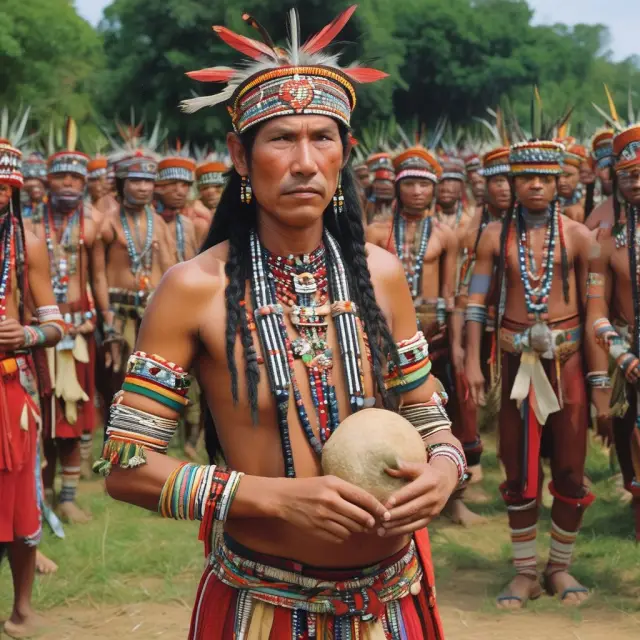
Exploring the concept and realities of the Fourth World: understanding poverty, exclusion, and marginalization in global development.
Definition and Origin of the Fourth World
The term “Fourth World” refers to the most underdeveloped, poverty-stricken, and marginalized regions of the world. These areas, often inhabited by indigenous communities or nomadic tribes, are characterized by a lack of political ties and limited natural resources. Although it may seem outdated, the term “Fourth World” has historical significance in understanding the socio-economic dynamics of underdeveloped nations and their populations.
The concept of the Fourth World originated during the Cold War when each country was classified according to its political allegiances. The First World represented countries whose views aligned with NATO and capitalism, the Second World referred to those supporting communism and the Soviet Union, and the Third World encompassed impoverished former European colonies and nations in Africa, the Middle East, Latin America, and Asia. However, as the needs and challenges faced by certain excluded populations became more apparent, the term Fourth World was coined to describe areas and peoples characterized by extremely low income per capita and limited resources.
The term “Fourth World” first gained popularity in Canada through a conversation between Mbuto Milando, the first secretary of the Tanzanian High Commission, and George Manuel, then Chief of the National Indian Brotherhood (now the Assembly of First Nations). Milando is credited with remarking that “When native peoples come into their own, on the basis of their own cultures and traditions, that will be the Fourth World.” Since its introduction in 1974 through Manuel’s book, The Fourth World: An Indian Reality, this term has been adopted by various think tanks like the Center for World Indigenous Studies to define the relationships between ancient, tribal, and non-industrial nations and modern political nation-states.
Today, the United Nations Declaration on the Rights of Indigenous Peoples (UNDRIP) seeks to promote “minimum standards for the survival, dignity, and well-being” of indigenous peoples worldwide, marking a significant shift in international recognition of Fourth World nations and their inhabitants. With this evolution, communications and organizing among Fourth World peoples have accelerated through international treaties focusing on trade, travel, and security.
Characteristics of Fourth World Nations
The term “Fourth World” refers to the most underdeveloped, poverty-stricken, and marginalized regions and populations globally. Fourth World nations are typically identified by their extremely low income per capita, limited natural resources, and lack of political ties. These communities often consist of hunter-gatherers or individuals who live in nomadic settlements. Despite being largely self-sufficient and unaffected by global events, the inhabitants of these areas have been historically excluded from mainstream society, resulting in their classification as Fourth World nations.
During the Cold War era, the international community classified countries based on political alignments. The First World represented nations with capitalist ideologies and ties to NATO; the Second World referred to those with communist affiliations and ties to the Soviet Union; and the Third World was a collective term for developing nations not actively aligned with either side. The Fourth World, however, emerged later as an extension of the developing Third World. It described regions that were excluded from mainstream society due to their extreme poverty, lack of recognition, and minimal impact on the global economy.
For example, Aboriginal tribes in South America or Australia are entirely self-sufficient, yet they remain outside the global economic system. Their non-contribution and non-consumption of goods on a global scale have historically defined them as Fourth World nations. Political borders did not define these areas; instead, the concept focused on the perceived non-recognition and exclusion of ethnically and religiously defined peoples from the politico-economic world system.
The term “Fourth World” first gained prominence in Canada, as Mbuto Milando, the Tanzanian High Commissioner, reportedly used it in a conversation with George Manuel, the then Chief of the National Indian Brotherhood (now the Assembly of First Nations). In 1974, Manuel published The Fourth World: An Indian Reality, which solidified the term’s usage. Since then, various think tanks, including the Center for World Indigenous Studies, have employed the term to define relationships between ancient, tribal, and non-industrial nations and modern political nation-states.
Despite advances in global development discourse, such as the United Nations Declaration on the Rights of Indigenous Peoples (UNDRIP) introduced in 2007, Fourth World communities continue to face significant challenges in terms of socioeconomic inclusion. It is essential to acknowledge and address the historical context that has shaped this classification and recognize the need for continued efforts towards promoting their rights, dignity, and well-being.

Fourth World vs. Developed Nations: An Economic Comparison
When discussing development, the terms “First,” “Second,” “Third,” and “Fourth” Worlds were once used to classify nations based on their political and economic allegiances during the Cold War era. While the definitions of these categories have since evolved, it’s crucial to understand how they compare economically between developed nations and those considered part of the Fourth World.
Fourth World Nations: A Look at Extreme Poverty
Fourth World nations consist of regions with extremely low income per capita and limited natural resources. Inhabitants often live in nomadic communities or are part of tribes that have been excluded from mainstream society, despite being self-sufficient. The term “Fourth World” was first used to describe the situation of indigenous peoples in Canada by Mbuto Milando, a Tanzanian High Commissioner, during a conversation with George Manuel, then Chief of the National Indian Brotherhood (now the Assembly of First Nations). While the term has been adopted and promoted by various organizations like the Center for World Indigenous Studies, it’s essential to recognize that Fourth World nations are not defined by their political borders. Instead, they encompass nations without sovereign status, emphasizing non-recognition and exclusion from the politico-economic world system.
The Economics of Developed Nations vs. Fourth World: A Sharp Contrast
In contrast to Fourth World nations, developed nations boast strong economies with high income per capita, advanced infrastructure, and access to modern technology, enabling them to contribute significantly to the global economy. They are actively involved in international trade, politics, and cultural exchange.
A Comparison of Economic Output
Economic output is a significant difference between developed nations and those categorized as Fourth World. Developed nations have large economies with extensive industries that generate high Gross Domestic Products (GDPs), contributing significantly to the global economy. On the other hand, the economies of Fourth World nations are typically very small, with minimal industrial output or reliance on external markets.
Trade and Global Impact
Another stark contrast between developed and Fourth World nations lies in their trade relations and impact on the global economy. Developed nations benefit from extensive international trade networks, contributing to the growth and development of various industries worldwide. In contrast, Fourth World nations have minimal interaction with the global economy due to their small size and underdeveloped infrastructure.
The Importance of Understanding the Economic Differences Between Fourth World and Developed Nations
It is crucial for global organizations, governments, and individuals to understand the economic differences between developed nations and those categorized as Fourth World. By acknowledging these disparities, we can work towards promoting equal opportunities and reducing inequality in our global community. This recognition can help facilitate improved cooperation and development initiatives aimed at addressing the unique challenges faced by Fourth World populations, ensuring they are not left behind in today’s ever-evolving world.
Historical Context of Fourth World Terminology
The term ‘Fourth World’ was coined during a significant era in global development. The concept emerged as an extension to the categorization of First, Second, and Third Worlds established during the Cold War era. The First World consisted of countries aligned with NATO and capitalism. The Second World supported communism and the Soviet Union, while the Third World encompassed impoverished nations that were not affiliated with either side. In 1974, Canadian activist George Manuel, then Chief of the National Indian Brotherhood (now the Assembly of First Nations), used the term ‘Fourth World’ to describe those excluded from mainstream society and global economic systems. In a conversation with Mbuto Milando, the first secretary of Tanzania’s High Commission, Manuel stated that “When native peoples come into their own, on the basis of their own cultures and traditions, that will be the Fourth World.”
The term ‘Fourth World’ gained popularity following the publication of Manuel’s book, The Fourth World: An Indian Reality, which defined this category as including stateless, poor, and marginalized nations. Since then, think tanks like the Center for World Indigenous Studies have utilized the term to characterize relationships between ancient, tribal, and non-industrial nations and modern political nation-states.
The Fourth World was a concept born out of exclusion, focusing on regions and populations characterized by extremely low income per capita and limited natural resources. These areas did not conform to traditional political borders and often included those who were non-recognized ethnic and religious groups within the politico-economic world system, such as indigenous peoples in various parts of North, Central, and South America.
The term was intended to emphasize their perceived non-participation in global affairs and their exclusion from mainstream society. The concept of a Fourth World challenged the dominant narratives surrounding political borders, highlighting the importance of cultural identities and traditional ways of living.
Since the introduction of the United Nations Declaration on the Rights of Indigenous Peoples (UNDRIP) in 2007, efforts to promote minimum standards for the survival, dignity, and well-being of indigenous peoples worldwide have accelerated through international treaties covering trade, travel, and security. The Fourth World is an essential reminder that despite global advancements, there are still populations and regions excluded from mainstream society and in need of recognition, support, and inclusion.
Origins of the Fourth World: Canada’s Aboriginal Population
The term “Fourth World” was initially used within a Canadian context to describe indigenous peoples, as explained by Mbuto Milando, the first Tanzanian High Commissioner, in a conversation with George Manuel, then Chief of the National Indian Brotherhood (now the Assembly of First Nations), in 1970. Milando stated that “When native peoples come into their own, on the basis of their own cultures and traditions, that will be the Fourth World” (Manuel, 1974). The term gained popularity following the publication of Manuel’s influential book “The Fourth World: An Indian Reality” in 1974.
Historically, during the Cold War era, each country was classified into different worlds – First, Second, and Third. The First World was formed by nations with capitalist alignments and political ties to NATO. The Second World referred to countries that supported communism and aligned themselves with the Soviet Union, while the Third World comprised impoverished former European colonies and all the nations of Africa, Asia, Latin America, and the Middle East.
The term “Fourth World” emerged as an extension of the developing Third World to describe places and populations characterized by extremely low income per capita and limited natural resources. This categorization was not based on political borders but rather on perceived non-recognition and exclusion of ethnic and religiously defined peoples from the politico-economic world system, such as the Aboriginal tribes in North, Central, and South America.
Since then, think tanks like the Center for World Indigenous Studies have used the term to define the relationships between ancient, tribal, and non-industrial nations and modern political nation-states. This concept was further strengthened with the UN Declaration on the Rights of Indigenous Peoples (UNDRIP), introduced in 2007, which promoted minimum standards for the survival, dignity, and well-being of indigenous peoples around the world. Since its introduction, communications and organizing among Fourth World communities have accelerated through international treaties for trade, travel, and security.
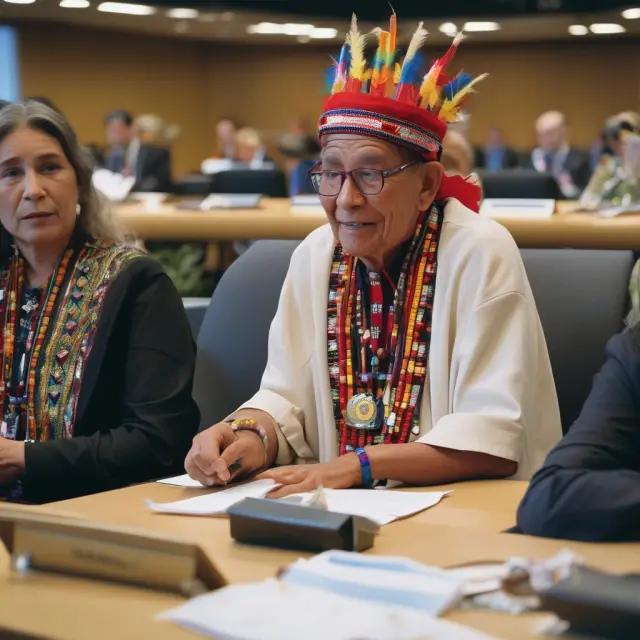
The Role of Think Tanks in Defining and Promoting Fourth World Concepts
Since its introduction as a term in the 1970s, the concept of the Fourth World has been crucial in bringing attention to the plight of underdeveloped, poverty-stricken, and marginalized regions and populations that exist outside the global mainstream. One organization that has played an essential role in advancing the understanding and advocacy of the Fourth World is the Center for World Indigenous Studies (CWIS). Founded in 1979 by American anthropologist and political activist Dr. Faye V. Harrison, CWIS is a nonprofit research organization dedicated to fostering dialogue between indigenous peoples and modern nation-states. The think tank has been instrumental in defining the relationships between ancient, tribal, and non-industrial nations and modern politico-economic structures.
CWIS’s work on the Fourth World concept stems from its commitment to promoting decolonization and self-determination among indigenous peoples. Through research, education, and advocacy initiatives, the organization has facilitated the exchange of knowledge between diverse cultures and communities, ultimately aiming to strengthen the autonomy and resilience of marginalized populations.
The think tank’s efforts have significantly contributed to the recognition and inclusion of Fourth World issues in various international forums, including the United Nations. In 1982, CWIS helped organize the First International Conference on Fourth World Studies, which led to the establishment of the Fourth World People’s Organization (FWPO), a global network uniting indigenous peoples and promoting their rights through collective action.
One of the most influential outcomes of CWIS’s work has been the promotion of the United Nations Declaration on the Rights of Indigenous Peoples (UNDRIP) in 2007. The UNDRIP recognized the minimum standards for the survival, dignity, and well-being of indigenous peoples and was a significant step towards addressing the historical marginalization and exclusion faced by Fourth World communities.
With its commitment to understanding and advocating for the rights and self-determination of indigenous peoples, the Center for World Indigenous Studies has been an invaluable thought leader in the Fourth World discourse. Its work has paved the way for international dialogue and collaboration between different cultures and communities, ultimately contributing to a more equitable global community.
Impact of UNDRIP on Fourth World Nations
The United Nations Declaration on the Rights of Indigenous Peoples (UNDRIP), introduced in 2007, has had a significant influence on the relationship between indigenous populations and modern political nation-states. Before UNDRIP, many Fourth World nations and their inhabitants lived without formal recognition or representation, facing continuous marginalization. By establishing minimum standards for their survival, dignity, and well-being, UNDRIP created opportunities for change in several ways.
Firstly, the Declaration acknowledged indigenous peoples as distinct collective entities with their own histories, languages, cultures, religious beliefs, and traditions. This recognition brought indigenous populations closer to global society and allowed them to establish connections with international organizations that could help promote their rights and interests. Moreover, it created a framework for governments to address historical injustices and work towards reconciliation.
Secondly, UNDRIP provided a legal foundation for indigenous peoples to claim self-determination and the right to free, prior, and informed consultation on matters that affected them. This has led to increased involvement of indigenous communities in decision-making processes related to their lands, resources, and territories. It also gave them greater control over their cultural expressions, traditional knowledge, and intellectual property.
Thirdly, the Declaration’s recognition of collective rights enabled indigenous peoples to form international alliances, collaborate on issues of common concern, and strengthen their voices in global forums. This collaboration has led to increased advocacy efforts aimed at addressing the systemic discrimination that indigenous populations have faced throughout history.
Lastly, the Declaration’s emphasis on the protection of traditional territories and resources has helped Fourth World nations build sustainable economies based on their unique cultural practices. By valuing their traditional knowledge and promoting community-driven development initiatives, these nations can create more resilient and self-reliant societies while also preserving their rich heritage for future generations.
In conclusion, the UNDRIP has been an essential step towards promoting the rights, dignity, and self-determination of Fourth World nations and their inhabitants. As a result, these communities have started to reclaim control over their lives, their lands, and their futures. The implementation of the UNDRIP also paves the way for more inclusive international relations and a more equitable global society.

Challenges Faced by Fourth World Populations
The term “Fourth World” refers to a grouping of regions and populations that remain economically underdeveloped, politically marginalized, and socially excluded from mainstream society. Origins of this label can be traced back to the Cold War era when countries were classified based on their alignment with either NATO or the Soviet Union. The Fourth World was considered a separate category, comprised of nations that did not align with either side but faced extreme poverty and limited resources.
The unique challenges experienced by Fourth World populations arise from their lack of integration into the global economy, limited access to basic necessities like education, healthcare, and clean water, as well as geographical isolation. In many cases, these nations are characterized by self-sufficient communities who live in nomadic tribes or hunter-gatherer societies, such as indigenous groups throughout Central and South America, Africa, and Australia.
One of the most significant obstacles faced by Fourth World populations is their exclusion from global trade and economic opportunities. Due to their remote locations, limited resources, and often unstable political situations, they are unable to participate in international markets, leaving them at a disadvantage when it comes to accessing essential goods and services.
Another challenge lies in the fact that many Fourth World regions have minimal infrastructure, making it difficult for residents to improve their standard of living. Inadequate healthcare systems and lack of access to clean water and education further hinder progress and contribute to cycles of poverty and underdevelopment. Moreover, environmental degradation and climate change can disproportionately affect these areas, further exacerbating economic instability.
Despite these challenges, there are examples of Fourth World populations who have successfully adapted to their circumstances and achieved remarkable advancements. For instance, the Maasai tribe in East Africa has managed to maintain its traditional nomadic lifestyle while simultaneously implementing modern agricultural practices that have led to increased food production and economic growth. Similarly, the Inuit people in Greenland have developed innovative technologies for adapting to their harsh Arctic environment and are now major players in the renewable energy sector.
In conclusion, understanding the challenges faced by Fourth World populations is crucial for promoting inclusive development that addresses the unique needs of these communities. By recognizing and addressing the root causes of underdevelopment and exclusion, we can work towards a more equitable global community where all people have access to the resources, opportunities, and support they need to thrive.
KEY TAKEAWAYS: The Fourth World refers to economically underdeveloped, politically marginalized, and socially excluded regions and populations. Challenges faced by these communities include limited integration into the global economy, lack of access to basic necessities like education, healthcare, and clean water, geographical isolation, and exclusion from international trade opportunities. Despite these challenges, there are successful examples of Fourth World populations who have adapted and made progress towards economic growth and development.
Note: Incorporating data or statistics would significantly enhance the depth of this section. For instance, information on specific countries’ Gross Domestic Product (GDP) or Human Development Index (HDI) rankings could help illustrate the economic disparities faced by Fourth World populations. Additionally, mentioning specific initiatives aimed at addressing these challenges and their impact can add further value to the content.
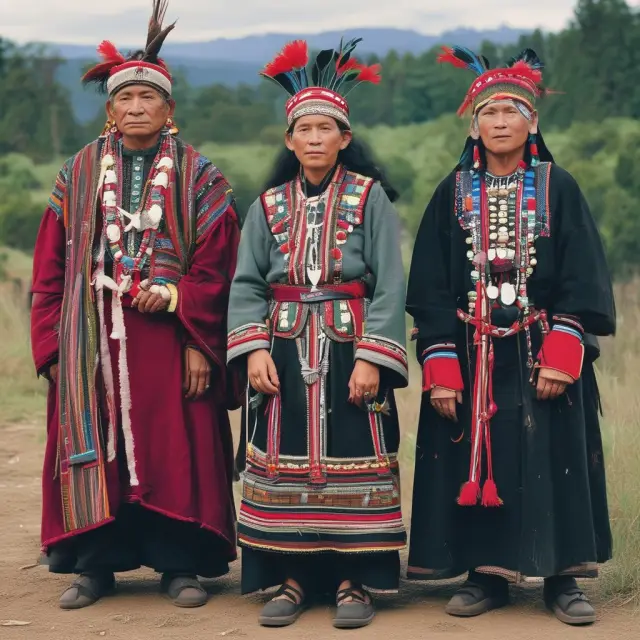
Success Stories: Exceptions to the Rule in the Fourth World
While it may seem that the Fourth World is synonymous with extreme poverty, exclusion, and marginalization, there are indeed stories of nations or communities that have managed to rise above their perceived limitations and overcome their Fourth World status. These successes serve as inspiring reminders that progress is possible, even in the most challenging circumstances.
One prominent example comes from South America, where the Mapuche people, indigenous inhabitants of Argentina, Chile, and Bolivia, have defied the odds to preserve their culture and thrive economically. Once considered one of the poorest and most marginalized communities, the Mapuche have successfully mobilized politically to assert their rights and advocate for change. Their efforts include the establishment of the Mapuche Confederation, which seeks to promote and protect the political, economic, social, and cultural interests of the Mapuche people.
Another inspiring story can be found in Australia, where the Aboriginal peoples have faced centuries of oppression, discrimination, and marginalization. However, there are encouraging signs of progress. For example, the Yawuru people, located in Western Australia, have established a successful economic partnership with Woodside Energy to develop the Browse Basin gas project, generating significant revenue for their community while ensuring environmental sustainability.
In Africa, the Maasai people have managed to preserve their traditional way of life while also embracing modernization and economic opportunities. By focusing on sustainable tourism initiatives, the Maasai have transformed their villages into popular tourist destinations, allowing them to maintain their cultural heritage while also benefiting economically from the influx of visitors.
The term Fourth World, initially coined in the 1970s, has evolved considerably over the decades. While many nations and communities continue to face significant challenges, there are also stories of remarkable progress and resilience. As the world moves toward a more inclusive and equitable future, it’s essential to recognize these successes and learn from them as we strive to improve the lives of all peoples, regardless of their historical or geographical circumstances.
It’s important to note that the term “Fourth World” is not an official classification and has fallen out of favor in recent years due to its association with colonialist and paternalistic attitudes towards indigenous populations. However, understanding the historical context and the struggles faced by these communities remains crucial for anyone interested in global development, poverty alleviation, and human rights.
FAQ: Frequently Asked Questions About the Fourth World
What exactly is the Fourth World? The Fourth World refers to underdeveloped, poverty-stricken regions and populations that are often marginalized and excluded from mainstream society. These areas may consist of nomadic hunter-gatherer communities or indigenous peoples who have limited natural resources and economic activity on a global scale.
Where did the term “Fourth World” originate? The Fourth World concept emerged during the Cold War era, as an extension of the Third World to describe regions and populations characterized by extreme poverty and exclusion from the global economy. It is believed that the term was first used by Mbuto Milando in a conversation with George Manuel, a Canadian Indigenous leader, in 1973.
What sets the Fourth World apart from First, Second, or Third World countries? The main difference lies in economic performance and political recognition. Fourth World nations have limited natural resources, low income per capita, and are often not recognized by the global community politically. In contrast, First World countries align with NATO and capitalism while Second World countries support communism and the Soviet Union; Third World countries did not fit neatly into either category due to their impoverished state but were not considered part of the Fourth World.
How does the UN Declaration on the Rights of Indigenous Peoples (UNDRIP) affect Fourth World nations? UNDRIP was introduced in 2007, promoting minimum standards for the survival, dignity, and well-being of indigenous peoples worldwide. It has accelerated communications and organizing among Fourth World communities through international treaties for trade, travel, and security.
What are some challenges faced by Fourth World nations? They face significant difficulties in terms of development, trade, and integration into the global community. Limited resources, lack of political recognition, and exclusion from economic opportunities compound their struggles to progress and thrive.
Are there any success stories among Fourth World nations? Yes, there are exceptions where communities have successfully managed to overcome their Fourth World status through advancements in economic, social, or cultural development. These stories serve as beacons of hope for the future of underdeveloped regions and marginalized populations.
 Next entry · No. 1,659Understanding the Federal Poverty Level (FPL): A Comprehensive Guide for Institutional Investors
See also
-
 No. 1,911
24 Nov 2024
23 min
Green Field Investments: Building Businesses from Scratch Abroad
Business Finance
No. 1,911
24 Nov 2024
23 min
Green Field Investments: Building Businesses from Scratch Abroad
Business Finance -
 No. 5,839
12 Oct 2025
18 min
Understanding Yacht Insurance: Coverage and Key Considerations
Insurance
No. 5,839
12 Oct 2025
18 min
Understanding Yacht Insurance: Coverage and Key Considerations
Insurance -
 No. 5,801
08 Oct 2025
24 min
Understanding the Role and Impact of the World Bank
Business Finance
No. 5,801
08 Oct 2025
24 min
Understanding the Role and Impact of the World Bank
Business Finance -
 No. 5,653
26 Sep 2025
18 min
Understanding Wear and Tear Exclusions in Insurance Policies: What They Are and Why They Matter
Insurance
No. 5,653
26 Sep 2025
18 min
Understanding Wear and Tear Exclusions in Insurance Policies: What They Are and Why They Matter
Insurance -
 No. 5,051
07 Aug 2025
20 min
Understanding Transfer Payments: Government’s Role in Redistributing Wealth
Economics
No. 5,051
07 Aug 2025
20 min
Understanding Transfer Payments: Government’s Role in Redistributing Wealth
Economics -
 No. 4,874
24 Jul 2025
23 min
Tax Relief: Understanding Deductions, Credits, and Exclusions for Professional and Institutional Investors
Taxation
No. 4,874
24 Jul 2025
23 min
Tax Relief: Understanding Deductions, Credits, and Exclusions for Professional and Institutional Investors
Taxation