Understanding Application-Specific Integrated Circuit (ASIC) Miners: A New Era in Cryptocurrency Mining

Understand the role of Application-Specific Integrated Circuit (ASIC) miners in cryptocurrency mining, including their advantages and impact on the industry.
Introduction to ASIC Miners
An application-specific integrated circuit (ASIC) miner is a specialized computer system designed specifically for mining cryptocurrencies, such as Bitcoin and Litecoin. Unlike general-purpose computers, which can run various software applications, ASIC miners are optimized to perform the complex mathematical calculations required for cryptocurrency mining at unprecedented speeds and efficiency.
The mining process involves changing numbers within a hash function to find a solution below a target difficulty level. ASIC miners have an edge over other hardware options like CPUs (Central Processing Units) or GPUs (Graphics Processing Units), as they are designed specifically for mining cryptocurrency and can deliver superior performance, making them the go-to option for serious miners.
While Bitcoin was initially designed to be mined using conventional computers, the increasing complexity of the mining process and the rise in competition necessitated the development of specialized hardware, leading to the birth of ASIC miners. Now, these devices dominate the cryptocurrency mining landscape with their unmatched ability to mine digital currencies at incredible speeds and efficiency.
Understanding ASIC Miners: A Closer Look
Application-specific integrated circuits (ASICs) are custom-designed chips optimized for a particular function, such as mining specific cryptocurrencies. Bitcoin’s mining process involves solving complex mathematical equations to generate new blocks and validate transactions on the blockchain. ASIC miners utilize their superior processing power and efficiency to solve these calculations more quickly than traditional computers.
ASIC Miners vs GPUs and CPUs: A Comparison
In the early days of cryptocurrency mining, general-purpose hardware like CPUs and GPUs were used for mining due to their accessibility and affordability. However, as the competition grew, the mining process became more complex, and specialized equipment was required to remain competitive. ASICs have since emerged as the preferred choice among miners due to their unrivaled performance and energy efficiency.
The Advantages of ASIC Miners in Cryptocurrency Mining
- Superior Performance: ASIC miners offer significantly better performance than their CPU or GPU counterparts, making them ideal for mining cryptocurrencies that require high computational power.
- Energy Efficiency: While they consume large amounts of electricity, the latest generation of ASIC miners is more energy-efficient than previous versions and offers improved processing speed, which translates to lower costs per coin.
- Customized Design: ASICs are tailor-made for mining specific cryptocurrencies, ensuring optimal performance and enabling miners to focus their resources on the most profitable digital currencies.
- Competitive Edge: With superior efficiency and processing power, ASIC miners provide a significant competitive advantage in the crowded cryptocurrency mining market.
Investing in an ASIC Miner: Factors to Consider
- Choosing the Right Coin: Ensure that the cryptocurrency you intend to mine can be efficiently mined using an ASIC miner. Popular options include Bitcoin, Litecoin, and other SHA-256 or Scrypt-based digital currencies.
- Location: Determine a suitable location for your mining operation based on noise levels, power consumption requirements, and cooling needs.
- Power Consumption: Consider the amount of electricity required to run your ASIC miner and factor in the cost of electricity when evaluating potential profits.
- Joining a Mining Pool: Consider joining a mining pool to increase your chances of earning cryptocurrency rewards by combining resources with other miners to mine collectively.
- Return on Investment (ROI): Evaluate the potential return on investment for your ASIC miner based on the cost of hardware, electricity consumption, and any additional maintenance costs.
The Evolution of Cryptocurrency Mining
Cryptocurrency mining has come a long way since its inception with CPUs and GPUs. The story began with Bitcoin, which initially relied on ordinary computers for mining. However, as the value of cryptocurrencies grew, the demand for more efficient mining methods escalated. Application-specific integrated circuits (ASICs) emerged as the ultimate solution to this challenge.
Application-specific integrated circuits (ASICs) are electronic devices specifically designed for a particular application. When it comes to cryptocurrency mining, these circuits bring unmatched processing power and energy efficiency that no other hardware can offer. ASICs are engineered to perform complex calculations at high speeds while consuming less electricity than their predecessors.
The first generation of Bitcoin miners employed CPUs for mining operations. However, CPUs were inefficient and soon replaced by GPUs (graphics processing units), which offered significantly better performance. Although GPUs proved useful, they too became obsolete when ASICs entered the scene. Bitcoin ASICs outperformed both CPUs and GPUs due to their ability to perform hashing functions more efficiently than general-purpose hardware.
The success of Bitcoin ASICs paved the way for other cryptocurrencies to follow suit. Litecoin, for instance, adopted scrypt as its mining algorithm, requiring a different type of ASIC called a scrypt ASIC. This led to a growing market for specialized mining equipment tailored to various cryptocurrency algorithms.
The emergence of ASIC miners marked a turning point in the world of cryptocurrencies. The race to harness more hashing power and increase efficiency resulted in an arms race among manufacturers. Companies such as Bitmain and Canaan Creative rose to prominence, developing powerful ASICs for various cryptocurrencies.
The impact of ASIC miners on the mining landscape was significant. Not only did they deliver unparalleled performance and energy efficiency, but they also consolidated power in the hands of those who could afford the high cost of these machines. This development sparked debates about centralization and democratizing access to cryptocurrency mining.
Understanding ASIC Miners
An ASIC miner is a specialized computer designed to mine cryptocurrencies using application-specific integrated circuits. These miners are optimized for the specific algorithms used by various cryptocurrencies, allowing them to perform calculations much faster and more efficiently than general-purpose hardware.
Bitcoin mining, for example, requires solving a complex mathematical problem through hashing functions. Mining rewards are given to the miner who successfully solves the puzzle first. ASIC miners are engineered to compute hashes at an unprecedented speed, making them indispensable in the mining process.
Key Takeaways
– Application-specific integrated circuits (ASICs) are electronic devices designed for a particular application.
– ASIC miners are optimized hardware that delivers unmatched processing power and energy efficiency to mine cryptocurrencies.
– The success of Bitcoin ASICs paved the way for other cryptocurrencies to adopt specialized mining equipment, leading to a growing market for various types of ASICs.
– The emergence of powerful ASIC miners led to debates about centralization and democratizing access to cryptocurrency mining.

Understanding Bitcoin Mining
Bitcoin mining is a critical aspect of the bitcoin network’s security and functionality. It involves validating transactions and creating new blocks in the blockchain. However, the process behind it might not be as complex as some people believe. In reality, mining is more about solving mathematical puzzles than performing intricate calculations.
A hash function transforms an input into a fixed-length output. This transformation is irreversible and unique to each input. To create a new block in the blockchain, miners must find the solution (a nonce value) that when combined with the block’s data creates a hash below the target difficulty level.
When miners successfully discover such a hash, they add it to the block along with all the transactions included within. For their efforts, they are rewarded with new bitcoins and transaction fees from the verified transactions within that block. The first miner to find the valid solution earns the rewards.
However, as more miners enter the network, competition increases, and solving these puzzles becomes more challenging. This is where Application-Specific Integrated Circuit (ASIC) miners come into play. ASIC chips are designed for a specific application, such as bitcoin mining, and excel at performing that particular task. They surpass general-purpose integrated circuits (GPUs and CPUs) in efficiency and performance, making them the go-to choice for serious miners.
In the early days of Bitcoin, CPU miners were sufficient to validate transactions and secure the network. However, as the network grew, GPUs became the preferred choice due to their superior processing power. Now, ASIC miners dominate the scene, with companies like Bitmain leading the market with their powerful Antminer series.
The advantages of ASICs over GPU miners lie in their sole focus on mining cryptocurrencies and their ability to solve the mathematical puzzles much faster. The increasing competition among miners necessitated the development of more efficient hardware, resulting in ASICs’ widespread use.
Despite the significant upfront costs and ongoing electricity consumption, many aspiring miners are enticed by the potential rewards. However, it’s essential to consider several factors before investing in an ASIC miner:
- Choose a cryptocurrency that can be efficiently mined with ASICs. Bitcoin and Litecoin are popular choices.
- Consider the location for your mining operation, as ASIC miners generate significant heat and noise. Alternative locations like basements or industrial spaces may be necessary.
- Evaluate the power consumption of the ASIC miner, which can require upgrading the electrical wiring system at your chosen location.
- Select a reputable Bitcoin mining pool to join for increased chances of earning rewards.
- Assess the return on investment against the costs and risks involved in mining.
In conclusion, ASIC miners have become an essential component of the bitcoin ecosystem due to their processing power and efficiency. They enable serious miners to compete in the ever-growing market and contribute to securing the network. However, it’s crucial to carefully consider the investment before diving into the world of cryptocurrency mining.
Why ASICs for Cryptocurrency Mining?
Application-Specific Integrated Circuits (ASICs) have become an integral part of the cryptocurrency mining landscape, overshadowing other mining devices such as GPUs and CPUs. To understand why ASICs dominate this field, it’s essential to examine their advantages compared to their predecessors in terms of efficiency and performance.
Initially, Bitcoin was intended to be mined on standard general-purpose computers (CPUs) like those found in everyday laptops or desktops. However, ASICs quickly surpassed CPUs and GPUs due to their superior power efficiency and enhanced computing capacity. As the demand for more hashing power increased and mining became more competitive, ASIC miners took the lead, and their use spread across various cryptocurrencies beyond Bitcoin.
An application-specific integrated circuit (ASIC) is a type of integrated circuit chip designed exclusively for a specific purpose. In the context of cryptocurrency mining, an ASIC miner refers to a computer system that utilizes these specialized chips specifically engineered to solve the mining algorithm for a particular cryptocurrency like Bitcoin or Litecoin.
The advantages of using ASIC miners over other general-purpose integrated circuits (GPUs and CPUs) are evident when examining their characteristics. While GPUs and CPUs have multiple functions and can be used for various applications, an ASIC miner’s singular focus results in superior performance and energy efficiency.
ASICs are optimized to solve a single problem or set of related problems, making them well-suited for mining cryptocurrency. For instance, Bitcoin miners employ SHA-256 algorithms, while Litecoin miners work on scrypt hashing algorithms. These dedicated mining devices can process more data in less time compared to their counterparts, providing a significant advantage.
Moreover, the energy consumption of ASIC miners is much lower than that of GPUs and CPUs when mining the same cryptocurrency. This energy efficiency means reduced operational costs for miners. Despite the upfront costs associated with purchasing an ASIC miner, the potential rewards can make it a worthwhile investment.
As the demand for more efficient cryptocurrency mining solutions continues to grow, ASICs will likely maintain their position as the most popular choice among miners seeking maximum performance and energy savings.
In conclusion, understanding the unique features of ASIC miners and their advantages over GPUs and CPUs offers insight into why they have become a cornerstone of the cryptocurrency mining industry. By harnessing the power of these specialized chips, miners can efficiently mine cryptocurrencies and contribute to the security and growth of various blockchain networks.

ASICs and Cryptocurrency Mining: A New Era of Efficiency
Application-specific integrated circuit (ASIC) miners have revolutionized the landscape of cryptocurrency mining. These devices, specifically designed to perform a single task efficiently, have significantly surpassed their predecessors in terms of speed, performance, and energy efficiency. The rise of ASIC miners represents a significant turning point in the world of digital currencies and has had far-reaching implications for the mining industry as a whole.
Initially, Bitcoin’s creators intended for bitcoin to be mined using general-purpose integrated circuits (CPUs) found in computers. However, ASICs emerged as more effective alternatives due to their energy efficiency and superior computing power. While mining was initially a process that could be executed on a common desktop or laptop computer, the increasing popularity of Bitcoin and other cryptocurrencies led to an arms race for more powerful mining equipment.
Understanding the Role of ASICs in Cryptocurrency Mining
An application-specific integrated circuit (ASIC) is an advanced electronic chip designed specifically for a particular purpose. In the context of cryptocurrency mining, ASIC miners are built with the sole intention of processing and validating transactions on a blockchain network while generating new coins through the process of mining. These specialized devices have several advantages over traditional CPUs and GPUs when it comes to mining digital currencies.
Historical Context: From CPUs to ASICs in Cryptocurrency Mining
To delve deeper into the significance of ASIC miners in cryptocurrency mining, it’s crucial first to understand their evolution within the broader context of digital currency mining. In the early days of Bitcoin and other cryptocurrencies, mining was primarily carried out using CPUs in personal computers. However, as the demand for Bitcoin grew, so did the competition among miners to solve complex mathematical problems required to validate transactions. This led to the emergence of GPUs as a more suitable alternative due to their superior parallel processing capabilities.
As GPU mining became increasingly popular, specialized hardware manufacturers like NVIDIA and AMD began producing GPUs specifically tailored for cryptocurrency mining. However, ASICs soon emerged as a more efficient solution due to their dedicated design for mining and their ability to perform the required calculations much faster than GPUs or CPUs.
The Advantages of ASIC Miners in Cryptocurrency Mining
There are several reasons why ASIC miners have become an essential component of cryptocurrency mining operations:
1. Superior Performance: ASICs are designed specifically for the purpose of mining, enabling them to outperform CPUs and GPUs in terms of processing power and energy efficiency. This translates into faster block verification times and higher rewards for successful miners.
2. Customization: Each ASIC miner is designed to optimize its performance for a specific cryptocurrency’s mining algorithm. For instance, Bitcoin miners are tailored to mine the SHA-256 algorithm while Litecoin miners focus on scrypt. This level of customization ensures that miners achieve optimal efficiency when extracting value from their chosen digital currency.
3. Energy Efficiency: Compared to their CPU and GPU counterparts, ASICs require significantly less energy per terahash (a unit measuring the number of trillion hashes performed in one second). This makes mining more cost-effective for those investing in high-end ASIC hardware.
In conclusion, the rise of ASIC miners represents a new era of efficiency and performance in cryptocurrency mining. By harnessing the power of customized, dedicated hardware, miners can maximize their returns on investment while contributing to the ongoing decentralization of blockchain networks. Understanding the evolution and advantages of ASIC miners is essential for anyone interested in exploring this fascinating intersection between technology and finance.
The Most Popular ASIC Mining Companies
In the ever-evolving world of cryptocurrency mining, Application-Specific Integrated Circuit (ASIC) miners have emerged as the most powerful and efficient tools for extracting digital coins. These specialized devices, designed specifically to mine a single cryptocurrency, have revolutionized the mining landscape and introduced significant improvements in efficiency, performance, and profitability. Two leading companies, Bitmain and Canaan Creative, have dominated the ASIC mining industry with their cutting-edge products.
Bitmain Technologies, headquartered in China, was one of the pioneers in the mass production and distribution of Bitcoin ASIC miners. Founded in 2013 by Jihan Wu and Micree Zhang, Bitmain’s Antminer series has become synonymous with Bitcoin mining excellence. Their products have consistently set new benchmarks for performance and efficiency while maintaining a competitive edge against other manufacturers.
Canaan Creative is another prominent player in the ASIC mining industry, based in China, was founded in 2013 by Nangeng Zhang. The company has been responsible for designing and manufacturing a range of ASIC miners, including the Avalanche series, which have garnered praise from both hobbyist miners and large-scale mining operations.
These companies have made significant contributions to the ASIC mining industry by offering increasingly powerful and efficient mining devices. Their innovations have allowed miners to extract cryptocurrencies more efficiently while reducing operational costs and power consumption. The competition between Bitmain, Canaan Creative, and other manufacturers drives continuous technological advancements in ASIC mining.
As ASIC miners continue to evolve, they are becoming smaller, more efficient, and increasingly specialized for specific cryptocurrencies. The ongoing development of ASIC technology has led to a rapid increase in mining efficiency and profitability. Despite the significant investment required to acquire these powerful devices, many miners are willing to invest thousands of dollars for the potential returns of earning digital currencies.
Understanding the significance and impact of Application-Specific Integrated Circuit (ASIC) miners is crucial for anyone interested in cryptocurrency mining. These powerful devices have transformed the mining landscape and ushered in a new era of efficiency, performance, and profitability. As the competition between leading companies such as Bitmain and Canaan Creative continues to push technological boundaries, ASIC miners are poised to remain at the forefront of cryptocurrency mining for years to come.
Considerations Before Investing in an ASIC Miner
An application-specific integrated circuit (ASIC) miner is a high-performance computing device specifically designed for mining cryptocurrencies. Although investing in an ASIC miner can be an exciting and potentially profitable endeavor, it’s crucial to consider several factors before making the investment. This section explores essential aspects of ASIC miners that investors should take into account before diving into this new technology.
Power Consumption
ASIC mining rigs are incredibly powerful devices that consume vast amounts of energy. For instance, a single Antminer S19 Pro from Bitmain, one of the leading manufacturers of Bitcoin ASIC miners, consumes around 3,250 watts (W) during operation. That’s nearly as much electricity as some households use in an entire day. Before deciding to invest in an ASIC miner, assess your power infrastructure and determine if it can support such a heavy power draw. Upgrading your electrical system could significantly increase the upfront costs of mining.
Location
ASIC miners are noisier and produce more heat than their general-purpose computing counterparts like CPUs or GPUs. Given these characteristics, setting up an ASIC miner in a residential area might not be ideal due to noise complaints or concerns about excessive heat generation. Instead, consider alternative locations such as industrial spaces or specialized mining farms where proper cooling systems and soundproofing measures can be implemented.
Return on Investment (ROI)
Investing in an ASIC miner is a substantial financial commitment, with upfront costs that can exceed several thousand dollars, not including electricity and maintenance expenses. To determine if the investment will yield a reasonable return, calculate the potential profitability based on factors like mining difficulty, block reward, and the price of the target cryptocurrency. Keep in mind that the ROI calculation should factor in ongoing operating costs such as power consumption, cooling requirements, and maintenance fees.
Mining Profitability Calculators
To estimate your potential profits, utilize mining profitability calculators like CoinWarz or WhatToMine. These tools allow you to input essential data like the cost of electricity, the current hash rate, and the target cryptocurrency’s difficulty level, providing an estimation of potential daily, monthly, or yearly earnings.
Mining Pool Considerations
Joining a mining pool can increase your chances of earning rewards by combining the hash power of multiple miners. When choosing a mining pool, consider essential aspects like its reputation, size, and payment rules. Research the pool’s historical payouts, member feedback, and any associated fees that might impact your profitability.
Mining Software
Selecting reliable mining software is crucial for successful ASIC mining operations. Popular options include NiceHash Miner, HiveOS, or Ethermine for Ethereum mining. Each software offers unique features, so research which one aligns best with your goals and budget.
In conclusion, investing in an ASIC miner can be a profitable venture if you carefully consider essential factors like power consumption, location, mining pool selection, and return on investment before making the commitment. By evaluating these aspects, you’ll be better prepared for a successful and rewarding experience in the world of cryptocurrency mining.
ASIC Resistant Coins: A Countermeasure Against Centralization
As cryptocurrencies gain popularity and acceptance, so does the competition to mine them. Mining digital currencies is an essential part of the proof-of-work (PoW) consensus mechanism used by many decentralized networks. However, as we’ve seen with the emergence of application-specific integrated circuits (ASICs), specialized mining hardware can significantly impact the decentralization and accessibility of cryptocurrencies. In response to this trend, developers have introduced ASIC-resistant coins—cryptocurrencies with algorithms designed to thwart the effectiveness of ASIC miners.
Understanding ASIC Resistance
ASIC resistance refers to a property of blockchain networks that aims to prevent specialized mining hardware from gaining an unfair advantage in the mining process. The rationale behind ASIC-resistant coins is to maintain the decentralization and accessibility of cryptocurrencies by keeping the mining landscape diverse and open to all, regardless of their access to expensive ASIC equipment.
ASIC-Resistant Algorithms
The most common way to achieve ASIC resistance is through algorithm design. In an ideal ASIC-resistant algorithm, the computational requirements are such that GPUs and CPUs can compete with specialized mining hardware on a level playing field. By making it economically unfeasible for miners to invest in customized hardware for a particular coin, ASIC resistance preserves the decentralization of the network.
Examples of ASIC-Resistant Algorithms
Some popular examples of ASIC-resistant algorithms are:
1. Equihash: Introduced by Bitmain in 2016 as an alternative to Bitcoin’s SHA-256 algorithm, Equihash was designed with a memory-hard algorithm that made ASIC development costly and infeasible for smaller mining operations. This led to a more diverse mining landscape, including individual miners using GPUs or CPUs.
2. Ethash: A memory-hard PoW algorithm used by Ethereum (ETH) since its inception until its transition to the proof-of-stake consensus mechanism, Ethash aimed to prevent ASIC development and preserve decentralization. Although there have been attempts at building ASICs for Ethash, it has largely remained a GPU miner’s territory.
3. Cryptonight: Created in 2014 by Bytecoin developers, Cryptonight is a memory-hard PoW algorithm that made it economically unfeasible to create customized mining hardware specifically for the coin. The algorithm’s design ensured that GPU miners could remain competitive in the mining process.
Limitations of ASIC-Resistant Coins
Although ASIC-resistant coins can offer some level of decentralization and accessibility, they do come with their limitations:
1. Mining Efficiency: ASIC-resistant algorithms generally require more computational resources compared to their ASIC counterparts. This results in less efficient mining processes and increased electricity consumption for miners, which may not be feasible for smaller operations or individual miners.
2. Miner Centralization: While ASIC resistance aims to maintain a decentralized mining landscape, it does not guarantee it. Larger mining pools can still accumulate significant resources and dominate the mining process, leaving smaller miners at a disadvantage.
3. Hard Forks: The constant need for algorithm updates to preserve ASIC resistance can lead to frequent hard forks, which may create fragmentation within the cryptocurrency community. This can result in loss of investor trust and potential dilution of brand value.
Conclusion
ASIC-resistant coins represent an attempt to counteract the centralizing effects of specialized mining hardware on cryptocurrency networks. By designing algorithms that make it difficult for ASICs to gain a competitive edge, developers hope to preserve the decentralization and accessibility of digital currencies. However, these coins come with their limitations, such as decreased mining efficiency and potential miner centralization. As the landscape of cryptocurrencies evolves, it is essential to evaluate the implications of ASIC-resistant algorithms and consider their role in maintaining a decentralized blockchain ecosystem.
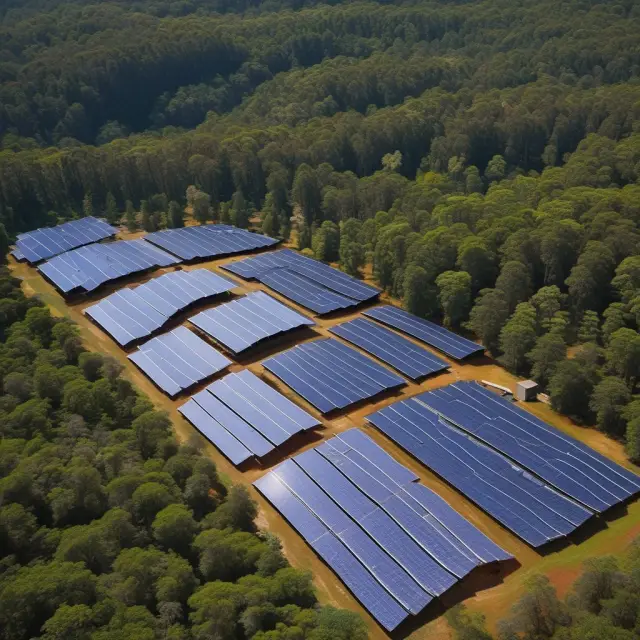
Environmental Impact of ASIC Mining
Application-specific integrated circuits (ASICs) have revolutionized cryptocurrency mining since they emerged as more efficient and energy-efficient alternatives to traditional computing devices like CPUs and GPUs. While the advantages of using ASIC miners for cryptocurrency mining are apparent, their impact on the environment has become a major concern in recent years. In this section, we delve deeper into the environmental implications of ASIC mining and explore potential solutions to minimize its ecological footprint.
ASIC Mining and Energy Consumption
The energy consumption of ASIC miners is a significant contributor to their carbon footprint. According to a study by Cambridge University, Bitcoin alone consumes an estimated 120 TWh of electricity annually – more than the entire electric power consumption of countries like Sweden and Argentina. The primary reason for such high energy consumption lies in the Proof-of-Work (PoW) consensus mechanism used by blockchain networks to secure their networks. Miners compete to solve complex mathematical puzzles, and the first miner to find the solution earns newly minted cryptocurrencies and transaction fees as a reward. As more miners join the network, they require more computational power, which ultimately drives up energy consumption. ASICs are specifically designed to optimize the mining process by performing millions of calculations per second, which can consume significant amounts of electricity.
Impact on the Environment: Carbon Footprint and Beyond
The environmental impact of ASIC mining is not limited to energy consumption alone; it also raises concerns about e-waste production and water scarcity. The rapid development and constant upgrades in ASIC technology mean that old mining rigs become obsolete quickly, leading to a high turnover rate. This results in a significant amount of electronic waste as miners replace their equipment frequently. Furthermore, mining operations often require vast amounts of water for cooling purposes. In arid regions like Mongolia and Iran, where electricity is cheap but water is scarce, mining farms have been established, causing additional stress on local water resources.
Addressing the Environmental Challenges: Green Mining and Renewable Energy
To mitigate the environmental impact of ASIC mining, various initiatives and solutions have emerged. One such approach involves green or sustainable mining, where miners adopt renewable energy sources to power their operations. For instance, some Bitcoin mining facilities in Iceland use hydroelectric and geothermal power while others are turning to solar energy as a viable alternative. Another approach is the implementation of carbon credits to offset the environmental impact of ASIC mining, although this remains a contentious issue within the cryptocurrency community due to its complexities and potential for misuse.
Regulations and Collaboration: Role of Governments and Industries
Governments and industry players are also taking notice of the growing environmental concerns related to ASIC mining. In response, various regulatory initiatives have been proposed and implemented in several countries. For example, China – a major player in Bitcoin mining – has announced plans to ban cryptocurrency mining due to its significant energy consumption and potential impact on the environment. European countries like Norway and Sweden, however, are considering more welcoming regulations as they aim to leverage their renewable energy resources for sustainable mining operations.
Collaborative efforts between governments, industry players, and the wider community can help develop and adopt more eco-friendly mining practices. For example, initiatives like the Bitcoin Mining Council could provide a platform for miners to collaborate on energy usage transparency, share best practices, and promote sustainable energy sources. Furthermore, continued research and development in ASIC technology could potentially lead to more energy-efficient designs and optimize the mining process without compromising its security or decentralization.
Conclusion: A Balanced Approach to ASIC Mining
While ASICs have undoubtedly revolutionized cryptocurrency mining with their unparalleled efficiency, it is crucial to acknowledge and address their environmental implications. The significant energy consumption, e-waste production, and potential impact on water resources necessitate a balanced approach to ASIC mining. By implementing green mining practices, adopting renewable energy sources, collaborating on regulatory efforts, and investing in research and development, the cryptocurrency industry can pave the way for a more sustainable future for ASIC mining.

FAQ: Frequently Asked Questions About ASIC Mining
What is an Application-Specific Integrated Circuit (ASIC) miner?
An application-specific integrated circuit (ASIC) miner is a computerized device designed to mine specific cryptocurrencies using application-specific integrated circuits. These chips are optimized for mining and significantly surpass the capabilities of general-purpose CPUs or GPUs in terms of efficiency and computing power.
What’s the difference between ASIC mining and GPU/CPU mining?
ASIC mining, utilizing specialized chips, offers increased efficiency and performance compared to traditional GPUs or CPUs for mining cryptocurrencies. Each ASIC miner is designed to mine a specific cryptocurrency with its unique algorithm.
Why has ASIC mining become popular among miners?
As the popularity of cryptocurrencies grew and mining became more complex, ASICs emerged as the most powerful and energy-efficient option for mining operations. Despite their high upfront cost and power consumption, they offer a higher return on investment due to their increased mining capabilities.
What is Bitcoin’s role in ASIC mining?
Bitcoin was one of the first cryptocurrencies to employ ASIC technology for mining. The increasing popularity and complexity of Bitcoin led to the development of specialized hardware designed specifically for mining it, giving rise to the dominance of ASIC miners within the market.
What is the process of mining using an ASIC miner?
ASIC miners use their processing power to solve complex mathematical algorithms in order to mine new blocks on a blockchain and validate transactions, earning newly minted cryptocurrency as a reward.
How profitable is ASIC mining?
Profitability in ASIC mining depends on factors such as electricity costs, equipment prices, and the current market value of the mined cryptocurrency. While there are significant upfront costs associated with purchasing an ASIC miner, some miners have reported substantial returns on their investments over time.
What is an ASIC-resistant coin?
ASIC-resistant coins aim to preserve the decentralization of blockchains by making mining more accessible to individual miners without the need for expensive hardware like ASICs. They utilize algorithms that are difficult or impossible for specialized mining equipment, like ASICs, to solve effectively.
Are there any environmental concerns with ASIC mining?
The energy consumption of ASIC mining has been a topic of concern due to its significant carbon footprint. However, steps are being taken to increase energy efficiency and explore renewable energy sources for powering these operations. Additionally, some organizations are advocating for more transparency in reporting the energy consumption of cryptocurrency networks.
 Next entry · No. 228Understanding the Ask: The Offer Price and Its Role in Financial Markets
See also
-
 No. 429
23 Apr 2024
23 min
Understanding the Economics and Process of Bitcoin Mining: Costs, Rewards, Difficulty, and Impact on Environment
Crypto
No. 429
23 Apr 2024
23 min
Understanding the Economics and Process of Bitcoin Mining: Costs, Rewards, Difficulty, and Impact on Environment
Crypto -
 No. 5,883
15 Oct 2025
17 min
Understanding ZCash (ZEC): A Decentralized Cryptocurrency with Enhanced Security and Anonymity
Crypto
No. 5,883
15 Oct 2025
17 min
Understanding ZCash (ZEC): A Decentralized Cryptocurrency with Enhanced Security and Anonymity
Crypto -
 No. 3,803
28 Apr 2025
18 min
Understanding Orphan Blocks in Blockchain: Definition, Differences from Stale Blocks, and Impact on Bitcoin Mining
Crypto
No. 3,803
28 Apr 2025
18 min
Understanding Orphan Blocks in Blockchain: Definition, Differences from Stale Blocks, and Impact on Bitcoin Mining
Crypto -
 No. 3,522
05 Apr 2025
20 min
Understanding the Importance of Nonce in Cryptocurrency Mining
Crypto
No. 3,522
05 Apr 2025
20 min
Understanding the Importance of Nonce in Cryptocurrency Mining
Crypto -
 No. 2,040
05 Dec 2024
19 min
Understanding Hash Functions and Their Role in Cryptocurrencies
Crypto
No. 2,040
05 Dec 2024
19 min
Understanding Hash Functions and Their Role in Cryptocurrencies
Crypto -
 No. 1,344
02 Sep 2024
20 min
Understanding Ether (ETH): The Fuel Powering the Ethereum Blockchain
Crypto
No. 1,344
02 Sep 2024
20 min
Understanding Ether (ETH): The Fuel Powering the Ethereum Blockchain
Crypto