Understanding Deferred Interest: A Trap for Unwary Borrowers
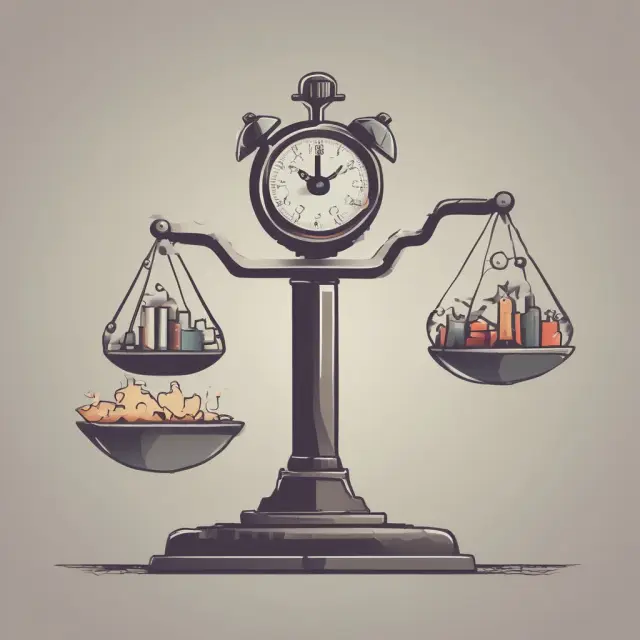
Learn the ins and outs of deferred interest, a financial pitfall for unwary borrowers. Understand its risks in retail financing, credit cards, and mortgages.
Introduction to Deferred Interest
Deferred interest is a financing term that refers to loans or credit arrangements where interest payments are postponed for an agreed period. During this time, borrowers do not incur any interest charges on the outstanding balance of their loan as long as they pay it off before the specified period ends. This type of financing option can make large purchases more accessible and affordable, such as when buying furniture or appliances from retailers or taking out a credit card with an introductory 0% APR period.
Deferred interest is characterized by its distinct features: no interest charges during the specified period, typically ranging between several months to years. However, it’s essential for borrowers to understand that if they fail to pay off their loan balance before the deferred interest period expires, interest will begin accruing on the entire outstanding balance retroactively. This can lead to substantial additional costs and financial strain for those who cannot afford to repay their loans in full within the agreed timeframe.
Retailers often promote deferred interest financing as a convenient alternative to paying the full cost upfront or taking out a traditional loan with interest. These merchants typically offer this type of financing through their own credit cards or store-specific financing options. The allure of having a no-interest period can be quite enticing, especially for consumers looking to make large purchases without straining their budgets. However, it’s essential that buyers understand the potential risks and consequences associated with deferred interest financing before making a decision.
In this section, we will delve deeper into deferred interest loans offered by retailers, credit cards, and mortgages. We will examine the implications of these financing options, discuss their advantages and disadvantages, and provide strategies for managing the risks effectively. By the end of this article, you will have a solid understanding of deferred interest and its impact on your financial situation.

Deferred Interest in Retail Financing
Deferred interest, also known as “no interest” financing or interest-free loans, is an arrangement where no interest payments are required on a loan during a specific period. This type of loan becomes popular with consumers when making significant purchases from retailers, such as furniture, appliances, and electronics. Retailers offer deferred interest financing to attract customers by providing more affordable payment options than traditional loans. However, it’s essential for borrowers to understand the risks involved before opting for a deferred interest loan.
Retailers often market these loans by advertising 0% APR (Annual Percentage Rate) financing or “buy now, pay later” deals. These offers can be quite alluring as they provide an opportunity to make large purchases without incurring immediate interest costs. However, consumers must be aware that deferred interest loans come with their own set of risks.
How Retailers Offer Deferred Interest Financing
Retailers typically provide two types of deferred interest financing: store credit cards and promotional financing offers. Store credit cards enable shoppers to purchase goods using a card issued by the retailer, providing 0% APR for an agreed-upon period. Once this time elapses, borrowers must pay off their balance or face high-interest rates on any remaining debt. Promotional financing is another form of deferred interest loan offered by retailers, where they extend special promotional periods during which no interest accrues. For example, a furniture store might offer 12 months of interest-free financing for a large purchase.
Risks Associated with Retail Financing and Deferred Interest
Deferred interest financing can be tempting due to its initial appeal of no upfront costs or lower monthly payments. However, the risks associated with these loans are significant. Firstly, if consumers cannot pay off their balance before the deferred interest period ends, they will be required to pay back the entire original loan amount, including the deferred interest charges. This can result in a substantial increase in overall debt for borrowers. Additionally, deferred interest financing often comes with high-interest rates and fees once the promotional period elapses. As a result, consumers end up paying more in the long run than if they had opted for a traditional loan with a lower interest rate.
Impact of Deferred Interest Period
The length of the deferred interest period plays a critical role in determining whether it’s a good financial decision for borrowers. Generally, longer deferred interest periods increase the risk of accumulating more debt due to missed payments or unplanned expenses. In contrast, shorter periods can be manageable if consumers have a clear plan to pay off their balances within the interest-free period.
Understanding these risks and knowing when it makes sense to take advantage of deferred interest financing is crucial for informed financial decision making. By being aware of the potential consequences and weighing the pros and cons carefully, consumers can make smarter choices regarding their borrowing habits. In the next sections, we’ll explore how deferred interest loans work in other areas, such as credit cards and mortgages.

Deferred Interest on Credit Cards
Credit card companies often attract new customers through enticing offers, such as “0% APR for the first 12 months” or “18-month interest-free period.” This is known as deferred interest on credit cards. During this period, no interest charges are applied to the balance of the credit card. However, once this introductory period ends, interest rates can skyrocket, making it important for cardholders to be fully aware of their repayment plans and the true costs of carrying a balance after that time.
When a consumer carries a balance on a credit card beyond the deferred interest period, the entire remaining balance is subjected to the new interest rate – often much higher than the initial 0% APR. In effect, any unpaid balance during the interest-free period accrues interest retroactively at the high rate. For instance, if someone had a $5,000 credit card balance at a 12% APR after the deferred interest period, they would now be paying interest on their original $5,000 balance, not just the remaining $2,000 from the 12-month interest-free period.
Deferred interest credit cards can pose significant risks for consumers who are unable to pay off their balances before the introductory periods expire or are caught in a cycle of debt due to high fees and interest rates. Consumers may be tempted to overspend during the deferred interest period, believing that they have more time to repay their debts. However, this can result in carrying larger balances and incurring higher costs over time.
To mitigate these risks, consumers should create a budget and stick to it when making purchases during the interest-free period. They should also aim to pay off the entire balance before the introductory rate expires. In case this isn’t possible, they may consider alternative financing options like personal loans with lower interest rates or fixed terms.
Ultimately, consumers need to carefully weigh the risks and benefits of using credit cards with deferred interest offers. These credit cards can offer temporary financial relief, but they come with significant long-term consequences if not managed responsibly.

Deferred Interest on Mortgages
Deferred interest is an increasingly common financing method for major purchases, including mortgages. The concept behind deferred interest loans is to allow borrowers to make smaller payments or no payments at all during a specific period of time. However, if the loan balance has not been paid off by the end of this period, interest charges start accruing. This section discusses how deferred interest works in the context of mortgages and the potential risks associated with negative amortization.
Understanding Deferred Interest Mortgages
Deferred interest mortgages are a type of loan where unpaid interest is added to the principal balance. When interest charges accumulate on a mortgage without being paid, the loan’s principal balance increases. This phenomenon is known as negative amortization. The primary concern with deferred interest mortgages is that borrowers may find it difficult to pay off their loans at the end of the term, especially when interest rates adjust or payments increase significantly.
Retailers and credit card companies often use deferred interest as a marketing tool to attract customers. Mortgage lenders also offer this type of financing option under specific circumstances. For instance, some homeowners might find it convenient to defer mortgage payments during construction phases, which can save them money in the short term. However, it’s important for borrowers to understand how these loans function and consider the risks involved.
Risks and Consequences of Negative Amortization
Negative amortization occurs when interest charges accumulate on a mortgage loan but are not paid off during the deferred interest period. This results in an increase in the outstanding principal balance, which can significantly impact the borrower’s financial situation.
For instance, if a borrower takes out a $200,000 mortgage with a 5% annual interest rate and opts for a seven-year deferred interest period on their payments, they would not pay any interest during that time. However, once the deferred interest period ends, the unpaid interest is added to the loan balance. Assuming an average annual increase in interest rates of 1%, the borrower’s monthly payment will change as follows:
– Year 7: $903.88 (4.5% interest rate)
– Year 8: $1,026.25 (5.0% interest rate)
– Year 9: $1,163.47 (5.5% interest rate)
– Year 10: $1,316.66 (6.0% interest rate)
As shown above, monthly payments can increase significantly once the deferred interest period ends. Failure to make these increased payments may result in foreclosure.
State Regulations and Government Policies on Deferred Interest Mortgages
Due to the potential risks associated with negative amortization, some states have implemented regulations limiting or banning this type of financing entirely. For example, California passed a law that prohibits lenders from providing mortgages with negative amortization unless specific conditions are met. The Federal Housing Administration (FHA) also restricts the use of deferred interest in certain types of loans.
In conclusion, while deferred interest mortgages may offer short-term advantages, they carry significant risks and should be considered carefully by potential borrowers. Understanding how negative amortization works is crucial when evaluating this type of financing option to ensure you make the best decision for your financial situation.

Benefits and Risks of Deferred Interest
Deferred interest loans offer various advantages to borrowers, but they come with substantial risks as well. Understanding these benefits and risks is crucial before deciding whether or not a deferred interest loan is the right choice for your financial situation.
Pros:
- Flexible Payment Options – Deferred interest loans allow borrowers to make lower monthly payments during the initial period, making large purchases more affordable. This can be particularly useful when purchasing high-cost items such as home appliances or furniture.
- Convenience – The convenience of deferred interest financing can make the buying process easier for consumers who might not have enough cash on hand to pay in full upfront or secure an alternative loan with a more traditional lender.
Cons:
- Hidden Costs – Once the deferred interest period ends, the accumulated unpaid interest will be added back to the loan balance. The compounded interest can significantly increase the total amount you will end up paying for your purchase over time.
- Increased Debt – Deferred interest financing may contribute to a higher overall debt load by encouraging consumers to take on more debt than they might otherwise consider. This can lead to financial difficulties, particularly if borrowers struggle to pay off their loans before the deferred interest period expires.
- Impact on Long-Term Financial Plans and Debt Management – Choosing a deferred interest loan may not be aligned with your long-term financial goals. The high costs associated with these loans can interfere with other financial priorities, such as retirement savings or emergency funds. Moreover, the interest you pay on a deferred interest loan is generally not tax deductible, unlike mortgage and student loan interest.
- Negative Amortization – When it comes to mortgages, deferred interest financing can result in negative amortization, where unpaid interest is added back to the principal balance of the loan. This may lead to an increased monthly payment due upon recasting or refinancing the mortgage, which can be a significant financial burden for borrowers.
In conclusion, while there are benefits to deferred interest loans, such as flexible payment options and convenience, their high costs, potential increased debt, and impact on long-term financial plans should not be overlooked. It’s essential that consumers carefully consider their financial situation before deciding whether or not a deferred interest loan is the right choice for them.
Alternatives to Deferred Interest Loans
If you decide against a deferred interest loan, there are other financing options available to help you make your purchase. These alternatives might include traditional bank loans, personal loans from credit unions or online lenders, and cash-back rewards on credit cards.
Throughout the process of choosing a financing option, be sure to carefully review the terms and conditions and consider factors such as interest rates, fees, repayment schedules, and flexibility. By weighing your options against each other and making an informed decision, you can secure a financing solution that best suits your financial needs while minimizing potential risks.
Alternatives to Deferred Interest Loans
When it comes to financing major purchases, consumers may find themselves considering deferred interest loans due to their attractive no-interest payment terms during an initial period. However, such loans come with significant risks and should not be the only option you consider before making a financial decision. In this section, we’ll explore several alternative financing methods and compare them in terms of costs, risks, and benefits.
1) Traditional Loans:
Traditional loans offer borrowers fixed monthly payments with interest charges calculated on the remaining balance, ensuring the loan is paid off over a set period (usually 5 to 30 years). While it might not provide an upfront financial advantage like deferred interest, it can save you money in the long run due to consistent, predictable payments.
2) Installment Loans:
Installment loans are repaid through regular monthly payments over a shorter period of time compared to traditional loans. Unlike a deferred interest loan, the interest is paid as soon as you take out the loan. The benefit of this type of financing lies in avoiding high-interest charges if you can’t pay off the entire loan before the interest-free period expires.
3) Credit Union Loans:
Credit unions are not-for-profit financial cooperatives that offer loans with lower rates and more flexible terms than traditional banks. Credit union loans may provide better terms, lower fees, and lower interest rates compared to deferred interest loans from retailers or credit card companies.
4) Personal Savings:
Using your savings to finance a large purchase is always an option. If you have the funds available, this method eliminates the need for taking on debt or dealing with interest charges. However, it requires discipline and planning to ensure your savings remain untouched for emergency situations.
5) Home Equity Loans:
Home equity loans let homeowners borrow against their property’s value. The loan is secured by the home itself, meaning lower interest rates compared to traditional loans or credit cards. It’s essential to consider the risks and benefits of using home equity for financing, as it may affect your future financial security.
When deciding on a financing method, it’s crucial to weigh the pros and cons carefully, considering factors like interest rates, repayment terms, and potential risks. In many cases, a traditional loan or installment loan may offer more favorable terms and less risk compared to deferred interest loans. By understanding your alternatives and being well-informed, you can make financially prudent decisions for your unique situation.

Negative Amortization: Risks and Consequences
Deferred interest loans, specifically those that involve negative amortization, can pose significant financial risks to consumers. Negative amortization refers to a loan structure where the borrower’s monthly payments do not cover the entire interest expense. The unpaid interest is instead added back to the principal balance of the loan, increasing the outstanding balance.
One common form of negative amortization can be found in payment option adjustable-rate mortgages (ARMs). These loans initially offer lower monthly payments, but after an introductory period, the interest rate and monthly payments increase significantly. The difference between the required monthly payment and the borrower’s actual monthly payment is added to the loan principal, causing negative amortization.
The risks of negative amortization are substantial for several reasons:
1. Increased long-term debt: Negative amortization increases the total amount of money owed on a loan, which can lead to a much larger debt burden in the future. This can make it more difficult for borrowers to afford their monthly mortgage payments or pay off their loans entirely.
2. Higher overall cost of borrowing: Negative amortization not only increases the total amount of money owed but also increases the overall cost of borrowing due to the additional interest charges on the increased loan balance. This can result in thousands, if not tens of thousands, of dollars in extra interest costs over the life of the loan.
3. Impact on credit score: Negative amortization loans can negatively affect a consumer’s credit score by increasing the borrower’s debt-to-income ratio due to the larger loan balance. A lower credit score may result in fewer financing options and higher interest rates on future loans or credit applications.
4. Potential for foreclosure: If the monthly payments on a loan with negative amortization become too high, borrowers risk falling into foreclosure. In 2008, many homeowners faced this issue when their mortgage payments significantly increased after the introductory period and they were unable to make the required payments. As a result, several states have banned deferred interest mortgages due to their predatory nature.
It’s essential that potential borrowers carefully consider the risks of negative amortization and understand the long-term implications before committing to such loans. It’s also important to explore alternative financing options that may offer lower interest rates and more favorable repayment terms.

Deferred Interest Strategies for Smart Borrowers
Understanding that deferred interest loans can pose significant financial risks, smart borrowers may want to explore strategies that help maximize savings and minimize risk when using these types of loans. Here are some potential approaches to consider:
1. Paying off the loan in full before the deferred interest period ends: This strategy is the most straightforward approach for avoiding any unexpected costs or penalties. By ensuring that you pay off your balance before the deferred interest period concludes, you’ll avoid incurring additional interest charges on your purchase.
2. Negotiating an extended deferred interest period: If you require more time to save up funds to pay off a deferred interest loan, consider negotiating an extended deferred interest period with the retailer or financial institution offering the loan. This can help provide some breathing room and allow you to plan your finances accordingly.
3. Breaking down larger purchases into smaller installments: If the deferred interest period is short or not long enough for your needs, consider purchasing items in smaller installments instead of making one large purchase. This can reduce the overall cost of an item by allowing you to take advantage of extended deferred interest periods on individual installments.
4. Monitoring your account activity: Regularly reviewing your account statements and understanding the terms and conditions of your loan agreement is essential for staying informed about the status of your balance and any potential changes to your interest rate or payment schedule.
5. Paying more than the minimum monthly payment: Making larger payments on a deferred interest loan can help reduce the overall cost of the loan by paying down the principal faster and minimizing the amount of time you’re subject to the high-interest charges.
6. Refinancing your loan: If you find yourself unable to pay off the loan balance before the deferred interest period ends, refinancing the loan with a traditional lender or securing a personal loan could be an option for avoiding any negative amortization consequences and lowering your overall borrowing costs.
By employing these strategies, smart borrowers can effectively manage their financial risks when making use of deferred interest loans. However, it’s essential to remember that these loans still carry considerable risks and potential financial pitfalls, so only consider them as a last resort for those with a solid understanding of the associated terms and conditions.

Conclusion: Deferred Interest – A Wise Financial Choice?
Deferred interest loans offer buyers the allure of an interest-free period, making it easier to purchase big-ticket items or pay for unexpected expenses. However, as explained throughout this article, deferred interest comes with significant financial risks that can be detrimental to your long-term financial health. In summary:
- Retailers may offer deferred interest loans or no-interest financing as an enticing promotional tool, but if not paid off within the given timeframe, the outstanding balance becomes subjected to high interest rates.
- Credit card companies sometimes offer deferred interest credit cards with introductory periods of 0% APR to attract customers but then charge steep interest rates on any remaining unpaid balance after the promotion ends.
- Mortgages that include deferred interest features, such as payment option ARMs or negative amortization, can result in unexpectedly high monthly payments and an increase in the overall cost of the loan.
Upon considering the risks involved with deferred interest loans, it’s crucial to weigh their potential benefits against alternative financing options. These alternatives include:
- Saving up for a large purchase over time
- Traditional bank loans or credit unions that offer low-interest rates and clear repayment terms
- Personal loans with fixed monthly installments and no hidden charges or fees
When evaluating whether a deferred interest loan is the right financial choice for you, consider the following factors:
- Your ability to pay off the balance before the interest-free period ends
- The potential risks associated with not paying off the balance in full within the specified timeframe
- Comparing the total costs of a deferred interest loan versus alternative financing options
- Your overall financial situation, including your current debt levels and future financial goals
- Regulatory restrictions on deferred interest loans in your state or country
In conclusion, understanding deferred interest is crucial to making an informed decision about whether this type of loan fits within your long-term financial strategy. By evaluating both the benefits and risks, you can determine if it’s a wise financial choice for you or if alternative financing options serve your needs better.

FAQs about Deferred Interest Loans
Deferred interest loans offer borrowers the advantage of not having to pay any interest during a specified period of time. However, these loans come with their own set of risks and disadvantages that can outweigh their benefits for some. In this section, we will address some commonly asked questions about deferred interest loans, their pros and cons, risks, and alternatives.
What is a deferred interest loan?
Deferred interest loans are financial agreements where the borrower postpones making interest payments on an outstanding balance within a specific period of time. Once the interest-free period ends, all the unpaid interest charges accrue and become due. In essence, you’re essentially borrowing interest along with the principal. Deferred interest loans can be found in various forms such as retail financing, credit cards, or mortgages.
What are the risks of deferred interest loans?
If a consumer fails to pay off their loan balance before the deferred interest period ends, they could face significant additional charges, including compounded interest on the entire outstanding principal amount. The high-interest rates can negatively impact your long-term financial health and make it challenging to repay your debt. In extreme cases, such as mortgages with negative amortization, you could even end up owing more than the original loan amount.
How do deferred interest loans work?
The working of a deferred interest loan can vary depending on the type of loan. Retailers may offer these loans for major purchases under their in-house financing or through their retail credit cards, giving borrowers an interest-free period to pay off their balance. Credit card companies sometimes offer no-interest credit cards with a similar concept as deferred interest loans. Once the interest-free term ends, regular interest charges apply to the outstanding balance. In mortgages, deferred interest is typically referred to as negative amortization. This occurs when the unpaid interest on the mortgage’s monthly payment gets added to the principal loan balance.
What are the advantages of deferred interest loans?
Deferred interest loans can make large purchases more accessible to individuals with limited financial resources by offering lower, or even zero-interest payments during a set period. This temporary relief from paying interest can help ease the burden on consumers who might not have the funds to pay for an expensive item all at once.
What are some alternatives to deferred interest loans?
Instead of taking out a deferred interest loan, borrowers have other options for financing large purchases. These alternatives include personal loans, home equity loans, or credit unions that offer low-interest rates and flexible repayment terms. Shopping around for these financing options can help consumers secure better deals while avoiding the potential risks associated with deferred interest loans.
How do I avoid falling into the trap of deferred interest loans?
To avoid the pitfalls of deferred interest loans, it is essential to carefully consider your financial situation and weigh the benefits against the risks before taking out a loan. Make sure you can afford to pay off the outstanding balance within the interest-free period. If not, it might be a good idea to explore alternative financing options with lower interest rates and more manageable repayment terms. Additionally, always read the fine print of any loan agreement to understand the true costs and potential consequences before signing on the dotted line.
In conclusion, deferred interest loans may seem attractive due to their temporary low-interest or zero-interest periods, but they come with risks that could lead to significant financial hardship if not managed carefully. It is crucial for consumers to thoroughly assess their financial circumstances and explore alternative financing options before deciding whether a deferred interest loan is the best choice for their situation.
 Next entry · No. 941Deferred Revenue: Understanding This Key Financial Concept for Institutional Investors
See also
-
 No. 5,963
27 Sep 2026
12 min
ARM vs Fixed-Rate Mortgage: Pricing the Bet on a 5/1 ARM
Mortgage
No. 5,963
27 Sep 2026
12 min
ARM vs Fixed-Rate Mortgage: Pricing the Bet on a 5/1 ARM
Mortgage -
 No. 335
09 Apr 2024
20 min
Bank Credit: Understanding Secured and Unsecured Types, Approval Factors, and Common Forms
Financial Tools
No. 335
09 Apr 2024
20 min
Bank Credit: Understanding Secured and Unsecured Types, Approval Factors, and Common Forms
Financial Tools -
 No. 314
09 Apr 2024
19 min
Understanding Bad Credit: Causes, Consequences, and Solutions
Credit & Loans
No. 314
09 Apr 2024
19 min
Understanding Bad Credit: Causes, Consequences, and Solutions
Credit & Loans -
 No. 5,980
14 Oct 2026
21 min
Pay Off Debt or Invest? Compare Two After-Tax Rates
Personal Finance
No. 5,980
14 Oct 2026
21 min
Pay Off Debt or Invest? Compare Two After-Tax Rates
Personal Finance -
 No. 5,975
09 Oct 2026
19 min
Balance Transfer vs Personal Loan: Which Clears Card Debt Cheaper
Personal Finance
No. 5,975
09 Oct 2026
19 min
Balance Transfer vs Personal Loan: Which Clears Card Debt Cheaper
Personal Finance -
 No. 5,942
13 Sep 2026
19 min
How Long It Takes to Pay Off a Credit Card at $8,000 and 22.15%
Personal Finance
No. 5,942
13 Sep 2026
19 min
How Long It Takes to Pay Off a Credit Card at $8,000 and 22.15%
Personal Finance