Understanding Redlining: History, Impacts, and Legalities in Finance and Real Estate
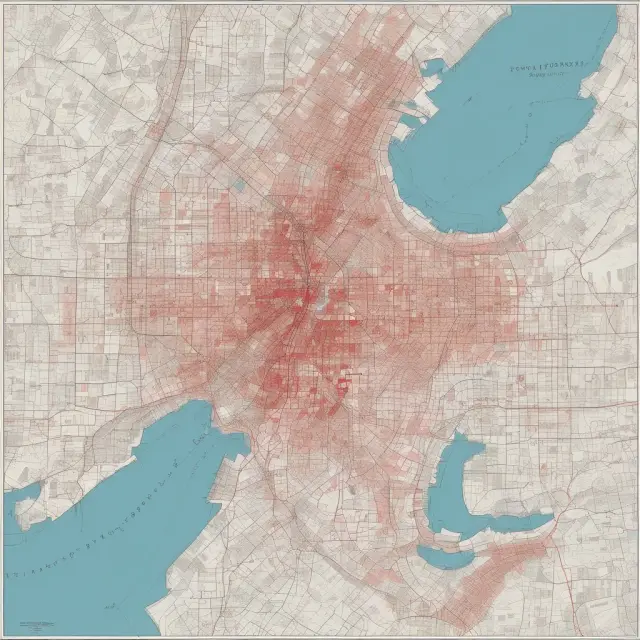
Explore the history, impact, and legality of redlining - a discriminatory practice in finance and real estate. Understand its long-term effects on…
Introduction to Redlining: What Is It and Where Did It Originate?
Redlining refers to the discriminatory practice of denying services, primarily financial, to residents based on their race or ethnicity. This practice is most commonly linked to mortgage lending, but it can also affect students, businesses, and insurance applicants. The term “redlining” was coined by sociologist John McKnight in the 1960s when he observed federal agencies and banks drawing literal red lines around neighborhoods on maps to identify areas where they would not invest based solely on demographics (McKnight, 1972).
Historically, redlining was particularly detrimental to Black residents seeking homeownership. In the 1930s, the Federal Housing Administration (FHA) began redlining neighborhoods for federal mortgage loans based on race. This led to a significant disparity in housing wealth between Black and White communities that has persisted through present times (Zillow Research Team, 2018).
Section Title: Understanding Redlining: A Historical Overview and Impact on Housing Wealth
In this section, we’ll delve deeper into the history of redlining in the United States, its impact on housing wealth, and how it continues to influence modern finance.
History of Redlining
Redlining originated during the 1930s when the Federal Housing Administration (FHA) began mapping and evaluating neighborhoods for potential mortgage investments. These assessments, known as Home Owners’ Loan Corporation (HOLC) evaluations, led to the redlining of neighborhoods primarily inhabited by Black Americans, immigrants, and low-income families. The HOLC reports assigned grades to each neighborhood based on their perceived desirability for mortgage investment. Redlined areas received a D grade, denoting “hazardous,” which made it extremely difficult for residents to secure home loans (Moss, 2015).
Impact of Redlining on Housing Wealth
The discriminatory practice of redlining significantly impacted housing wealth in the United States. Zillow’s analysis of historic property values shows that homes in redlined neighborhoods were worth less than half those in “high-graded” areas as of 1996 (Zillow Research Team, 2018). This disparity has only grown greater in the subsequent decades, with Black communities disproportionately affected.
In a 2020 study, researchers from the National Community Reinvestment Coalition, the University of Wisconsin/Milwaukee, and the University of Richmond found that “the history of redlining, segregation, and disinvestment not only reduced minority wealth but also impacted health and longevity, resulting in a legacy of chronic disease and premature death in many high minority neighborhoods” (National Community Reinvestment Coalition et al., 2020).
In the following sections, we will discuss how redlining evolved over the years, its various manifestations, and ongoing efforts to combat it.
Section Title: The Evolution of Redlining: From Mortgages to Student Loans and Beyond
This section will examine the evolution of redlining from its origins in mortgage lending to its presence in student loans, credit cards, and insurance policies.
Redlining’s Impact on Student Loans
Redlining has also had a significant impact on student loans. Historically, Black students were more likely to attend segregated schools with limited resources and opportunities for higher education (Orfield & Lee, 1997). As a result, Black students often attended colleges that had lower reputation and less financial support from the government or private institutions. These factors made it difficult for them to secure student loans and prevented them from obtaining the education they needed to advance economically (Saltzman, 2003).
Redlining’s Impact on Credit Cards and Insurance Policies
The practice of redlining has also been observed in credit cards and insurance policies. In some cases, companies have targeted specific communities with predatory offers that carry higher fees or interest rates. These practices can trap residents in a cycle of debt, making it more difficult for them to build wealth (Consumer Reports, 2021).
Reverse Redlining and Corporate Redlining
Although redlining is illegal, discriminatory practices continue to surface in various forms, such as reverse redlining and corporate redlining. In reverse redlining, lenders target specific neighborhoods (mostly non-white) for higher prices or unfavorable terms. Corporate redlining, on the other hand, occurs when businesses deliberately avoid investing in certain areas based on race or ethnicity (Federal Reserve Bank of St. Louis, 2017).
Section Title: The Future of Redlining: Legal and Social Efforts to Combat Discrimination
This section will explore ongoing legal and social efforts to combat redlining in the United States.
Combating Redlining through Legislation
Several legislative measures have been put in place to address the issue of redlining. The Fair Housing Act, which is part of the Civil Rights Act of 1968, prohibits discrimination in lending based on race, color, religion, sex, disability, familial status, or national origin (U.S. Department of Housing and Urban Development, n.d.). The Community Reinvestment Act (CRA), passed in 1977, requires banks to meet the credit needs of their entire community and addresses redlining practices by requiring financial institutions to demonstrate that they are providing services fairly and equitably (Federal Reserve Bank of San Francisco, 2021).
Combating Redlining through Education and Community Building
Education and community building are essential in the fight against redlining. Organizations such as the National Community Reinvestment Coalition and local fair housing centers provide resources for individuals who believe they have been discriminated against, while also advocating for policy changes to address systemic issues (National Community Reinvestment Coalition, n.d.). Additionally, grassroots initiatives, such as community land trusts and cooperative housing models, can help build wealth in marginalized communities and create sustainable, inclusive neighborhoods for generations to come (Demos, 2018).
In conclusion, redlining has left a lasting impact on the United States’ social and economic landscape. Understanding its history, manifestations, and ongoing efforts to combat it is crucial for creating an equitable society where everyone has access to the opportunities they need to thrive.
How Redlining Works: Practices, Mapping, and Discrimination
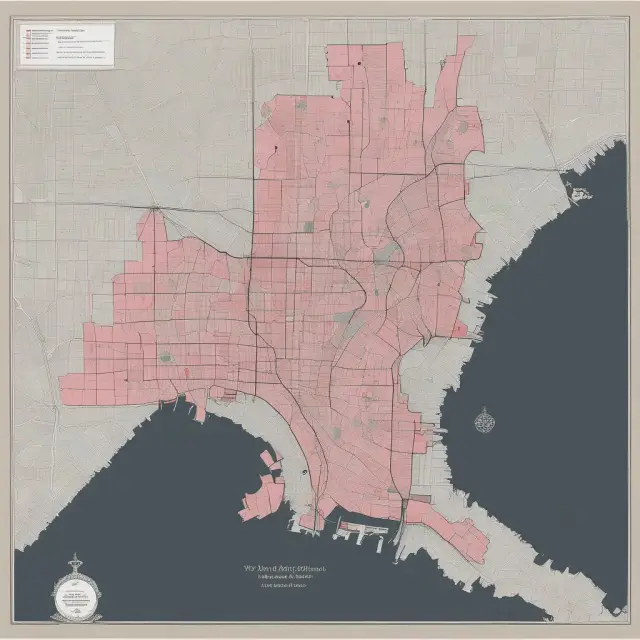
Redlining is a discriminatory practice that denies services, particularly financial ones, based on the race or ethnicity of residents in certain areas. This unethical policy became evident during the 1930s when federal governments and lenders drew literal red lines around neighborhoods on maps to signify where they would not invest based solely on demographics. Redlining is most often associated with mortgage lending, but it extends to student loans, credit cards, insurance, and other financial services. This practice has had significant long-term implications for wealth, health, and the economy, particularly within minority neighborhoods.
Redlining was coined as a term by sociologist John McKnight in the 1960s. The origins of redlining can be traced back to the Home Owners’ Loan Corporation (HOLC), established during the Great Depression. The HOLC evaluated neighborhoods for mortgage investment based on their perceived desirability and assigned them grades ranging from “A” for the best to “D” for the worst, with the latter being those marked for “redlining.”
Investigations conducted in the 1960s found that lenders would approve mortgages to lower-income white borrowers but not middle- or upper-income African Americans. This led to a significant disparity in homeownership and wealth between predominantly white and minority neighborhoods. For instance, in the late ’90s, homes in redlined communities were worth less than half of those in “best” neighborhoods, as determined by Zillow’s research. This gap has only grown wider since then.
Redlining is illegal under fair lending laws and the Fair Housing Act. However, it still exists in various forms. For instance, reverse redlining targets neighborhoods with higher prices or unfair terms for residents of predominantly non-white areas. Corporate redlining can be seen when large businesses systematically deny services to certain neighborhoods or regions based on racial demographics.
The destructive consequences of redlining go beyond economic impacts. A 2020 study revealed that the history of redlining, segregation, and disinvestment reduced minority wealth and had significant implications for health and longevity in many high-minority neighborhoods. On average, life expectancy is three years lower in redlined communities compared to those with similar historical conditions but high grades.
Lending institutions are legally permitted to consider various factors when deciding whether to approve a loan application: credit history, income, property condition, and city services/amenities. However, these evaluations must be based on economic considerations only and cannot discriminate based on race, religion, national origin, sex, or marital status. Mortgage applicants and homebuyers who believe they may have been subjected to redlining can file reports with the Consumer Financial Protection Bureau (CFPB) or the Office of Fair Housing and Equal Opportunity at the U.S. Department of Housing and Urban Development.
Understanding the intricacies of how redlining works is crucial for financial literacy and preventing future discriminatory practices in finance and real estate.

Effects of Redlining: Impact on Wealth, Health, and Economy
Redlining’s long-term impact on communities extends beyond the financial sector, reaching into areas such as wealth, health, and the economy. The legacy of redlining has left a lasting imprint on numerous neighborhoods in the United States.
The disparities created by redlining began to manifest themselves in the 1930s when the federal government initiated the practice of redlining real estate based on race. Homes in redlined communities were, and still are, worth significantly less than those in areas deemed “best” for mortgage lending. This discrepancy has widened over time, with homes in redlined neighborhoods being valued at roughly a quarter of what homes in high-graded areas were worth in 1996 according to research by Zillow.
The impact of redlining extends beyond homeownership and wealth disparities. This discriminatory practice has also had significant consequences for residents’ health and wellbeing. A study published in the American Journal of Public Health found that life expectancy is, on average, 3.6 years lower in redlined communities compared to communities that existed at the same time but were considered high-graded by the Home Owners’ Loan Corporation (HOLC).
Additionally, redlining can be seen in various sectors such as student loans, credit cards, and insurance. Although the Community Reinvestment Act was enacted to prevent redlining, critics argue that discriminatory practices persist. For instance, reverse redlining, where neighborhoods (mostly non-white) are targeted for higher prices or unfavorable terms, is a growing concern. Corporate redlining, the practice of denying loans or investment opportunities to businesses in certain areas based on their race or ethnicity, also exists and has been documented extensively.
The study from the National Community Reinvestment Coalition, University of Wisconsin/Milwaukee, and the University of Richmond highlighted that not only did redlining reduce minority wealth, but it also impacted health and longevity, resulting in a legacy of chronic disease and premature death in many high minority neighborhoods.
Redlining is an illegal practice when lending institutions use race as a basis for excluding neighborhoods from access to loans under fair housing laws. However, financial institutions are permitted to consider economic factors such as credit history, income, property condition, neighborhood amenities, and city services in their lending decisions. To combat redlining, several measures have been put in place, including the Fair Housing Act, which prohibits discrimination based on race, religion, sex, disability, family status, or national origin in various aspects of housing. The Consumer Financial Protection Bureau (CFPB) and the Office of Fair Housing and Equal Opportunity (FHEO) at the U.S. Department of Housing and Urban Development serve as resources for individuals who believe they have been subjected to discriminatory practices.
In conclusion, understanding the history, impacts, and legalities of redlining is crucial in the fight against discrimination and promoting fair access to financial services. Redlining has long-term effects on wealth, health, and the economy that can be felt for generations. By acknowledging and addressing the legacy of redlining, we can create a more equitable future for all communities.

Legality of Redlining: What’s Legal and What Isn’t?
Redlining, the discriminatory practice of denying financial services based on race or ethnicity, is an illegal act. Although the term “redlining” was first coined in the 1960s by sociologist John McKnight when lenders drew literal red lines on maps to mark areas where they wouldn’t invest, today it refers to any systematic denial of financial services based on a person or community’s race or ethnicity. This section delves into what is legal for lenders to consider when making loans and how redlining, as a discriminatory practice, is prohibited under various laws.
What Is Illegal Redlining?
Illegal redlining occurs when lending institutions use race as a factor in excluding neighborhoods from access to loans. The Fair Housing Act of 1968, part of the Civil Rights Act, forbids this form of discrimination in housing and financial services. However, it does not prohibit the exclusion of neighborhoods based on geological factors like fault lines or flood zones (Biesinger & Massey, 2003).
What Is Legal for Lenders to Consider?
Lending institutions can take several economic factors into account when making loans, which must be strictly based on these considerations:
- Credit history: A lender may assess an applicant’s creditworthiness using FICO scores and reports from credit bureaus (Equifax, TransUnion, and Experian).
- Income: Lenders can consider a borrower’s regular source of income that might include employment, business ownership, investments, or annuities.
- Property condition: A lending institution may evaluate the property and its surrounding area to ensure the loan’s security.
- Neighborhood amenities and city services: Lenders can take into account factors that enhance or detract from the value of a property.
- The lender’s portfolio: Lending institutions must maintain a diversified portfolio, considering the region, structure type, and loan amount (Federal Reserve Bank of St. Louis).
The Fair Housing Act prohibits redlining based on race, religion, national origin, sex, or marital status when making loans to individuals. However, lenders are not forbidden from excluding areas with regard to geological factors. Lenders may take economic factors into account without violating fair housing laws.
Understanding Redlining in Context: A Historical Perspective
Redlining originated during the 1930s when the federal government began marking neighborhoods on maps based on their perceived risk for mortgage loans, with red lines denoting the highest-risk areas (Massey & Denton, 1993). These practices most often targeted minority communities. Although discriminatory lending practices have been illegal since 1968, their impact can still be felt today (Biesinger & Massey, 2003).
Conclusion: Understanding Redlining’s Legal Implications
It is essential to recognize that redlining is an illegal practice when based on race, religion, national origin, sex, or marital status. Lenders are allowed to consider specific economic factors when making loans but must ensure their decisions are not discriminatory. It’s crucial for individuals and communities to understand both the history and legality of redlining as they continue striving for equal access to financial services.
References:
Biesinger, R., & Massey, D. S. (2003). Redlining and Beyond: A Critical Examination of Housing Discrimination in the United States. Oxford University Press.
Massey, D. S., & Denton, N. A. (1993). American Apartheid: Segregation and the Making of the Underclass. Harvard University Press.
Examples of Redlining: Beyond Mortgages
Redlining isn’t just a historical practice limited to the housing market; it extends beyond mortgages and impacts various financial services. In essence, redlining is a discriminatory practice that puts certain services out of reach for residents based on their race or ethnicity. Here are some instances where this phenomenon has been observed:
Student Loans: The educational system isn’t immune from redlining either. This discriminatory practice can be seen in the way student loans are issued. For example, a study by the Brookings Institution showed that students in predominantly black and Latino schools received fewer federal student loan dollars per pupil than those in mostly white schools.
Credit Cards: Redlining also manifests itself in credit card markets. A report published by the Consumer Financial Protection Bureau (CFPB) revealed that credit card companies disproportionately targeted African American and Hispanic consumers with high-fee, subprime credit cards, despite their lower average income and weaker financial profiles.
Insurance: Redlining can be observed in the insurance industry as well. The practice of denying coverage to residents based on their postal zip code or neighborhood has been a contentious issue for decades. For instance, insurers have historically avoided providing auto insurance to residents living in certain urban areas due to higher crime rates, which results in higher premiums or even a complete denial of coverage.
Reverse Redlining: In some cases, the situation can be reversed, as certain communities, mostly non-white, may face higher prices or lending on unfair terms. This phenomenon is known as reverse redlining. For example, predatory lending practices, such as offering subprime mortgages with adjustable rates, were often targeted towards low-income and minority homebuyers leading up to the 2008 financial crisis.
Corporate Redlining: The practice of redlining isn’t limited to individual consumers; it can also occur at a corporate level. Corporate redlining refers to the discriminatory practices employed by banks and other lending institutions that deny services, such as business loans or access to capital markets, to neighborhoods based on race, ethnicity, or socioeconomic status. This trend was particularly evident in the 2008 financial crisis when the Small Business Administration (SBA) saw a significant decrease in loans awarded to Black-owned businesses compared to White-majority neighborhoods.
The Destructive Legacy: The destructive effects of redlining continue to be felt decades later, particularly in terms of wealth disparities and health outcomes. For example, a 2020 study by researchers at the National Community Reinvestment Coalition, the University of Wisconsin/Milwaukee, and the University of Richmond found that the history of redlining significantly impacted minority wealth, leading to chronic disease and premature death in many high-minority neighborhoods. On average, life expectancy is lower by 3.6 years in redlined communities compared to their non-redlined counterparts.
Legality: While redlining based on race, religion, national origin, sex, or marital status is illegal under the Fair Housing Act and various other laws, lending institutions may consider economic factors when making loans. However, these factors must be based strictly on economic considerations and cannot discriminate against any protected class.
In conclusion, redlining isn’t just about home mortgages; it extends to various financial services. As we have seen, this practice can lead to wealth disparities, unequal access to education, and negative health outcomes. Understanding its history, impacts, and legalities is crucial for promoting fairness and equal opportunities in finance and beyond.
History of Redlining: The 1930s to Today
The term “redlining,” a discriminatory practice denying services (financial and otherwise) based on race or ethnicity, was popularized in the 1960s by sociologist John McKnight. It stems from how the federal government and lenders drew red lines around areas they would not invest in due to demographic profiles alone, most notably targeting Black inner-city neighborhoods.
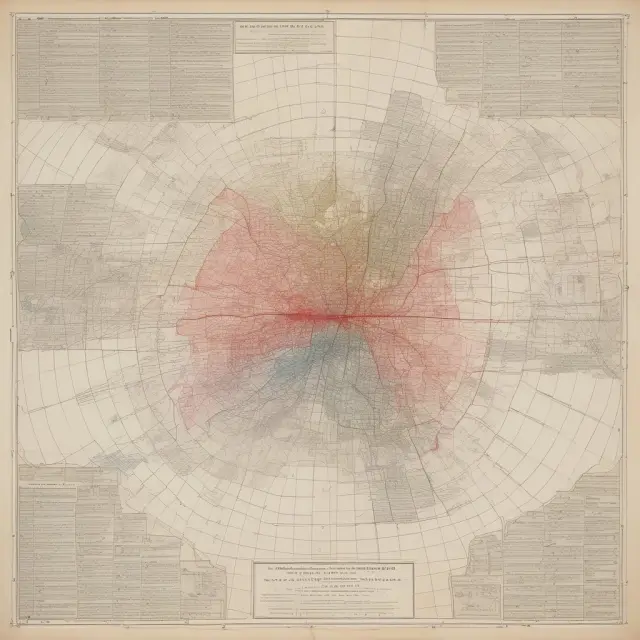
The roots of redlining can be traced back to the 1930s when the Home Owners’ Loan Corporation (HOLC), a New Deal agency, assessed residential areas for federal mortgage insurance. The HOLC produced neighborhood maps grading each area based on “desirability” with an accompanying color-coded system: green for best, blue for good, yellow for doubtful, and red for highest risk – hence the term “redlining.”
A study by sociologists Marc Matsuda and Katherine Newman revealed that even after World War II, redlining persisted with lenders denying mortgages to middle- and upper-income African Americans while approving loans for lower-income whites. This practice forced many Black residents into contract sales, exploitative arrangements where they made monthly payments with no equity until the final payment. In response, the Contract Buyers League was formed in Chicago to challenge these practices.
Despite the Fair Housing Act’s passage in 1968, redlining continued to shape real estate valuations, with homes in formerly redlined areas worth half that of “best” neighborhoods by 1996 according to Zillow research. Redlining isn’t limited to mortgages: it’s also found in student loans, credit cards, and insurance, with evidence of ‘reverse redlining,’ targeting non-white communities for higher prices, and ‘corporate redlining’ through unequal small business lending.
The destructive legacy of redlining extends beyond economics as a 2020 study found that the history of discrimination significantly impacted health and longevity, causing chronic disease and premature death in many high minority neighborhoods. On average, life expectancy is lower by 3.6 years in redlined communities compared to non-redlined ones existing at the same time.
While redlining based on race is illegal under fair lending laws and the Fair Housing Act, lenders can still deny loans based on economic factors. However, these considerations must be strictly economic. Lending institutions are not permitted to discriminate based on race, religion, national origin, sex, or marital status. Yet, redlining continues to exist in various forms, making it crucial for individuals and organizations to understand its history and implications.
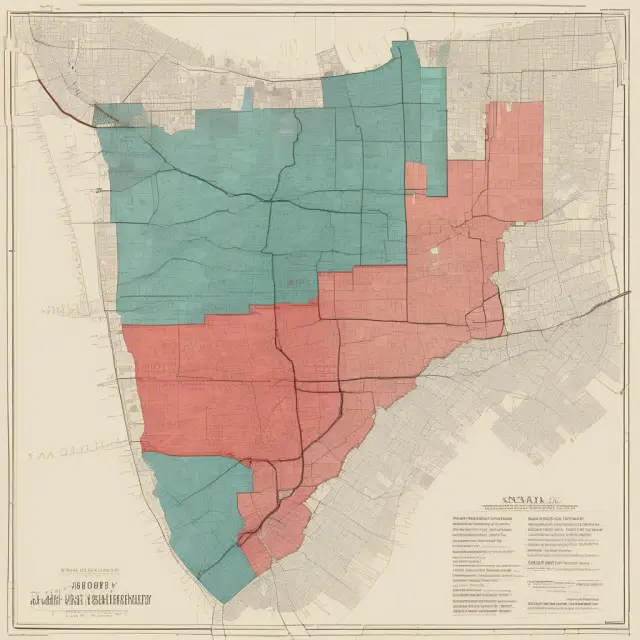
Redlining and Discrimination: Impacts on Minority Neighborhoods
Redlining, as a discriminatory practice, has had a profound impact on minority neighborhoods. The practice was most prominently associated with the denial of mortgages based on location, but it also affected various other financial services such as student loans, car loans, and insurance. Redlined communities were often composed mostly of minorities, leading to lasting consequences for these areas in terms of wealth accumulation, health outcomes, and economic development.
The roots of redlining can be traced back to the 1930s when the federal government began marking certain neighborhoods as ‘risky’ for mortgage lending based on their demographic makeup rather than individual creditworthiness. The term “redlining” was coined by sociologist John McKnight in the 1960s, deriving from the practice of literally drawing a red line on maps to denote the boundaries of these areas where investment would be discouraged or denied. Black inner-city neighborhoods were most commonly targeted for redlining.
One of the most significant long-term impacts of redlining was the resulting disparity in homeownership rates and wealth accumulation between minority and non-minority communities. Research by Zillow found that homes in redlined areas were worth less than half the value of those in higher-rated neighborhoods in 1996, a gap that has only grown wider over time.
The effects of redlining extend beyond just homeownership and wealth accumulation. The practice played a role in shaping health disparities as well, with redlined communities often facing limited access to quality education, healthcare services, and other essential resources. A 2020 study revealed that on average, life expectancy is three years lower in redlined neighborhoods compared to non-redlined areas.
Redlining’s impact can be seen not only in the mortgage market but also in various other financial sectors. For instance, student loan lending, which was historically riddled with discriminatory practices, has been found to disproportionately target Black and Hispanic students. Similarly, reverse redlining—the practice of charging higher prices for goods or services in minority communities—has been observed in credit card marketing and auto insurance pricing.
Today, redlining is an illegal practice under fair lending laws such as the Equal Credit Opportunity Act and the Fair Housing Act. However, the legacy of redlining continues to reverberate through modern finance and housing policies, necessitating ongoing vigilance and action from community organizations, regulators, and advocacy groups to ensure equal access to financial services for all communities.
In conclusion, understanding the history, impacts, and legalities of redlining is vital for anyone interested in the world of finance and investment. By exploring this topic in depth, we can gain a more nuanced appreciation of how financial policies have shaped our cities and communities over the last century, and learn how to recognize and combat discriminatory practices that persist today.
Combating Redlining: Fair Housing Act, CFPB, and Other Measures
Redlining, an insidious discriminatory practice, is a thing of the past. Or so we thought. However, its harmful effects on communities and individuals continue to surface in various aspects of finance and real estate. Despite being outlawed, understanding how redlining was addressed through legislation and ongoing initiatives is crucial for recognizing its modern-day manifestations and combating them.
The Fair Housing Act (FHA), a landmark piece of civil rights legislation enacted in 1968, prohibits housing discrimination based on race, color, religion, sex, disability, familial status, and national origin. It also extended protections to include discrimination in mortgage loans. Since then, the FHA has played a critical role in dismantling redlining by making it illegal for lenders to discriminate based on an applicant’s race or ethnicity when considering their eligibility for mortgages, insurance, and other financial services.
However, the fight against redlining didn’t stop there. The Consumer Financial Protection Bureau (CFPB) was established in 2010 as a response to the 2008 financial crisis. This independent federal agency is dedicated to protecting consumers from unfair, deceptive, or abusive practices in the provision of consumer financial products and services. The CFPB works tirelessly to ensure that lenders comply with fair lending laws, including those addressing redlining.
One significant achievement of the CFPB was the settlement it reached with Wells Fargo & Company in 2016 for allegedly engaging in discriminatory mortgage lending practices. This settlement included a $175 million penalty to the federal government and a requirement that Wells Fargo pay $142 million in restitution to affected borrowers. The CFPB’s actions served as a reminder that redlining continued to exist, even if in a more subtle form, in various financial services beyond mortgages.
Student loans, credit cards, and insurance are just a few examples of financial products where the legacy of redlining still lingers. The practice of ‘reverse redlining,’ targeting neighborhoods with higher prices or unfair terms for loans, has also gained attention. In 2019, the CFPB took action against a student loan company, alleging that it charged more than $200 million in illegal debts and fees to students who were enrolled in income-driven repayment plans.
While redlining based on race or ethnicity is now outlawed, geographical factors like flood zones or fault lines are still valid considerations for lenders when making loans. However, it’s essential that financial institutions ensure they do not unfairly discriminate against borrowers based on these factors.
Moreover, the practice of ‘corporate redlining,’ where businesses deny services to certain neighborhoods due to their race or ethnic composition, has also been a concern. A 2016 investigation by The New York Times revealed that companies like Walmart, CVS Pharmacy, and Starbucks had systematically avoided opening stores in predominantly African American and Latino communities.
In conclusion, understanding the historical context of redlining and the measures taken to combat it is essential for recognizing its modern manifestations and advocating for equitable access to financial services. The Fair Housing Act, CFPB, and other initiatives have played significant roles in addressing discriminatory practices and ensuring that every individual has an equal opportunity to access financial products and services.

FAQ: Common Questions About Redlining
Redlining is a discriminatory practice, but what exactly does it entail and where did it originate? Here are some common questions about redlining answered.
**What is redlining?**
Redlining is the discriminatory practice of denying services (financial and otherwise) to residents based on race or ethnicity. It can manifest in various financial services, including mortgages, student loans, credit cards, and insurance. Redlining is most famously known for its impact on mortgage lending practices but goes beyond this, affecting communities as a whole.
**Where did redlining originate?**
The term ‘redlining’ was coined by sociologist John McKnight in the 1960s when he discovered that federal government and private lenders would draw red lines on maps around neighborhoods deemed undesirable for investment based on racial demographics. Redlining’s origins can be traced back to the 1930s when the federal government began marking “risky” neighborhoods for federal mortgage loans based on race, making it nearly impossible for residents in these areas to access homeownership and build wealth.
**Is redlining still a problem today?**
Although redlining is an illegal practice, its legacy continues to impact communities disproportionately, particularly those that are predominantly minority. Discriminatory practices have been reported in various financial services, including reverse redlining and corporate redlining. For example, the decreasing number of loans awarded to Black-owned businesses through the U.S. Small Business Administration’s 7(a) program compared to a decline in overall loans awarded highlights this issue.
**What are the long-term effects of redlining?**
Redlining’s impact extends beyond financial services, affecting not only wealth but also health and life expectancy. Research indicates that residents of redlined neighborhoods experience lower life expectancies on average compared to non-minority communities, often due to chronic diseases and premature death.
**How does redlining work?**
Redlining operates by denying services based on location (redlined areas) rather than an individual’s qualifications or creditworthiness. This systematic practice is most commonly seen in mortgage lending but can also impact student loans, credit cards, and insurance. The result is lower homeownership rates, decreased wealth accumulation, and overall economic instability for affected communities.
**Is redlining legal?**
While redlining based on race or ethnicity is illegal under fair lending laws and the Fair Housing Act, lenders may take economic factors into account when making loans. However, these considerations must be strictly based on economic factors and cannot discriminate against individuals based on their race, religion, national origin, sex, or marital status. Lenders are also not forbidden from excluding areas with regard to geological factors such as fault lines or flood zones.
**What can I do if I believe I have been a victim of redlining?**
If you feel that you may have been discriminated against based on race, religion, sex, marital status, use of public assistance, national origin, disability, or age, there are steps you can take. You can file a report with the Consumer Financial Protection Bureau (CFPB) or HUD in the case of mortgages and other home loans. If you believe that you have been denied a loan or service based on discriminatory practices, it is important to document any evidence and seek professional advice.
Conclusion: Understanding the Lasting Impact of Redlining
In this article, we’ve delved into the complex and troubling history of redlining – a discriminatory practice where services, primarily financial, are systematically denied to residents based on their race or ethnicity. The roots of redlining can be traced back to the term coined by sociologist John McKnight in the 1960s when federal governments and lenders literally drew a ‘red line’ around certain neighborhoods on maps, denying investments based solely on demographics.
Redlining practices have had profound effects on wealth accumulation and overall economic development for millions of Americans over decades. In the real estate sector, redlined communities were worth significantly less in the late 1990s compared to what was considered desirable areas, with a disparity that has only grown larger since then. The legacy of redlining extends beyond mortgages and reaches into student loans, credit cards, insurance, and other financial services.
Understanding redlining is crucial for financial literacy, preventing future discriminatory practices, and acknowledging the long-lasting consequences in communities that have been disproportionately affected. While redlining based on race is now illegal, it’s essential to be aware of its history and the potential for similar practices that may still be present under different guises or in other areas like reverse redlining or corporate redlining.
In this section, we have explored its history, impacts, legality, examples, and its far-reaching consequences. The importance of financial literacy is paramount, especially when it comes to understanding complex financial practices like redlining. Stay informed, stay knowledgeable, and help ensure that everyone has equal access to essential financial services.
FAQ: Common Questions About Redlining
If you have any questions or want more information about redlining, feel free to check our FAQ section below for answers to common queries on topics like the origin of redlining, its legality, and its impact on various aspects of life.
 Next entry · No. 4,333Understanding the Real Effective Exchange Rate (REER): An Essential Indicator for Institutional Investors
See also
-
 No. 5,374
03 Sep 2025
22 min
Understanding Usury: History, Laws, and Impact on Predatory Lending
Business Finance
No. 5,374
03 Sep 2025
22 min
Understanding Usury: History, Laws, and Impact on Predatory Lending
Business Finance -
 No. 5,255
24 Aug 2025
18 min
Understanding Uninsurable Property: Home Repairs and Insurance Implications
Real Estate
No. 5,255
24 Aug 2025
18 min
Understanding Uninsurable Property: Home Repairs and Insurance Implications
Real Estate -
 No. 3,881
04 May 2025
17 min
Understanding Owner-Occupancy: What It Is and How It Works
Real Estate
No. 3,881
04 May 2025
17 min
Understanding Owner-Occupancy: What It Is and How It Works
Real Estate -
 No. 5,869
14 Oct 2025
18 min
Understanding Yield Spread Premium: What It Is, How it Works, and its Historical Context
Mortgage
No. 5,869
14 Oct 2025
18 min
Understanding Yield Spread Premium: What It Is, How it Works, and its Historical Context
Mortgage -
 No. 5,354
01 Sep 2025
19 min
Understanding the U.S. Department of Housing and Urban Development (HUD) and Its Programs
Government
No. 5,354
01 Sep 2025
19 min
Understanding the U.S. Department of Housing and Urban Development (HUD) and Its Programs
Government -
 No. 3,642
15 Apr 2025
18 min
The Role and Impact of the Office of the Superintendent of Financial Institutions (OSFI) in Canada’s Financial Sector
Business Finance
No. 3,642
15 Apr 2025
18 min
The Role and Impact of the Office of the Superintendent of Financial Institutions (OSFI) in Canada’s Financial Sector
Business Finance