Understanding the Controversial Keystone XL Pipeline: History, Environmental Impact, and Political Implications
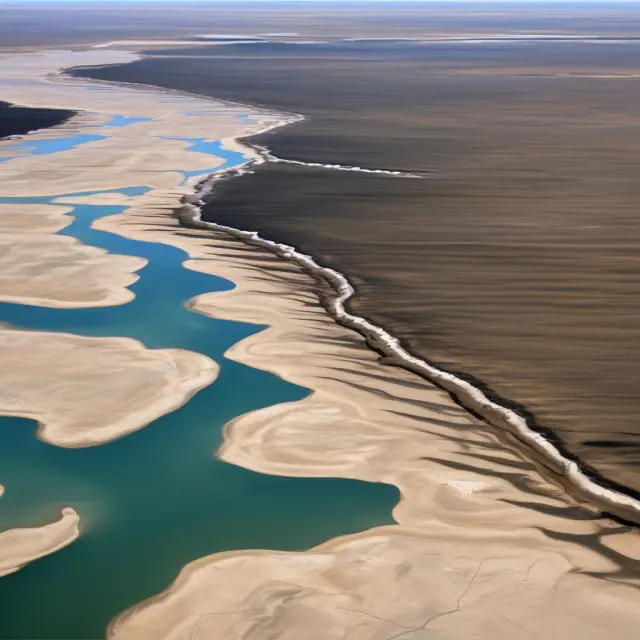
The Keystone XL Pipeline was a proposed expansion of TC Energy's Keystone system to carry up to 830,000 barrels a day of mostly Canadian oil-sands crude into the US, connecting near Steele City, Nebraska. President Biden revoked its permit on January 20, 2021, and TC Energy terminated the project on June 9, 2021.
Correction: This entry describes Keystone XL as the 2,687-mile Keystone system of Keystone I, II and the Houston Lateral. Those lines already existed; Keystone XL was a separate proposed 875-mile US line to Steele City, Nebraska, terminated in June 2021.
Background and Overview
The Keystone XL Pipeline, proposed by TC Energy (formerly TransCanada Corporation) in 2005, was intended for transporting heavy crude oil from the vast Alberta tar sands in Canada to refineries in the United States. This 2,687-mile-long pipeline system would consist of three phases: Keystone I, II, and the Houston Lateral. The proposed project has been a subject of controversy for numerous years due to significant concerns regarding its local and global environmental impacts.
The first phase of the pipeline (Keystone I) stretches from Hardisty, Alberta, to Steele City, Nebraska, connecting further to the Wood River Refinery in Roxana, Illinois, and the Patoka Oil Terminal Hub in Indiana. The second phase, Keystone II, runs from Steele City, Nebraska, down through Kansas, and terminates at Cushing, Oklahoma. Lastly, the Houston Lateral pipeline carries crude oil from Liberty County, Texas, to refineries and terminals in the Houston area.
Originally, TransCanada Corporation planned for a November 2015 start of construction; however, the Obama administration denied permits to halt its progression. In January 2021, President Joe Biden rescinded the permit for Keystone XL pipeline construction. TC Energy announced an immediate cessation of construction activities earlier that day.
The Keystone Pipeline System: An Overview and Historical Context
The proposed Keystone Pipeline was unveiled in 2005 by TransCanada Corporation as a means to connect Canadian energy supplies to markets, initially planned for natural gas transportation. However, the opportunity to convert an existing natural gas pipeline asset for oil transportation proved to be more cost-effective and met anticipated growth requirements in Canadian crude oil production during the following decade.
The Keystone pipeline is designed to transport diluted bitumen and synthetic crude oil through Montana, South Dakota, Nebraska, Kansas, Oklahoma, Texas, Illinois, and Indiana. The production of heavy oil, sourced from tar sands in Alberta, leads to increased emissions due to the energy consumption required during extraction. This results in a higher greenhouse gas footprint than typical crude oil.
The project has faced criticism for reasons including concerns over potential environmental impacts, particularly those related to the Sandhill region of Nebraska and the Ogallala aquifer, a significant water resource for agricultural areas in the United States. The controversial nature of the pipeline is further compounded by its potential contribution to climate change due to increased greenhouse gas emissions.
Stay tuned for the subsequent sections covering proposed construction, environmental impact assessments, key players, technological aspects, pipeline regulation, market dynamics, alternative solutions, and legal challenges.
Proposed Construction and Rejection
The Keystone XL Pipeline, proposed by TC Energy (formerly TransCanada Corp.) in 2005 with a goal to transport heavy crude oil from Alberta, Canada, to refineries in the United States, has been a subject of intense debate and controversy for over a decade. This 2,687-mile pipeline system, consisting of three phases (Keystone, Houston Lateral, and Steele City extension), would serve as an essential link between Canadian oil sands and U.S. refineries.
The first phase, stretching from Hardisty, Alberta, to the junction at Steele City, Nebraska, was completed in 2014. The second phase, going from Steele City, Nebraska, to Wood River Refinery in Roxana, Illinois, and the Patoka Oil Terminal Hub north of Patoka, Illinois, was partially completed before its construction permit was denied in November 2015 by then-President Barack Obama due to environmental concerns.
On Jan. 20, 2021, with Joe Biden’s inauguration as the new U.S. President, he signed an executive order revoking the construction permit for the Keystone XL pipeline, putting a definitive halt to the project. The Republican party had championed the construction of the pipeline, believing it would create jobs and provide a significant boost to the economy. However, numerous environmental organizations and activists opposed its development due to concerns about potential environmental impact on the local and global scales.
The proposed pipeline aimed to transport diluted bitumen, a denser type of crude oil, from Alberta through Montana, South Dakota, Nebraska, Kansas, and Oklahoma, ultimately reaching refineries in Texas, Illinois, and Oklahoma. The production of heavy oil, primarily extracted from oil sands, is known for releasing high amounts of greenhouse gas emissions and generating substantial controversy due to its potential impact on the environment and global climate change.
Despite this, proponents of the pipeline argued that it would increase the supply of oil to the United States from a friendly neighboring country, thereby enhancing energy security. However, opponents of the pipeline pointed to potential risks, such as leaks, spills, and impacts on water sources like the Ogallala aquifer and the Sandhill region in Nebraska. The bitumen carried by the pipeline would result in higher greenhouse gas emissions compared to lighter crude oil, further exacerbating climate change concerns.
These debates and political developments marked significant milestones in the Keystone XL Pipeline controversy, demonstrating its enduring impact on the energy landscape and geopolitical tensions between Canada and the United States.
Environmental Impact Assessments
The Keystone XL Pipeline, proposed by TC Energy (formerly TransCanada Corporation) in 2005, became the subject of intense controversy due to environmental concerns regarding its potential impact on local ecosystems and global carbon emissions. The pipeline’s initial proposal aimed at transporting heavy crude oil from Alberta, Canada, to refineries in the United States. Over the years, numerous environmental assessments were conducted by various agencies and organizations to evaluate the risks involved in constructing this project.
Before the permit denial, the U.S. Department of State led the primary assessment process under the National Environmental Policy Act (NEPA). The State Department released four separate drafts of an Environmental Impact Statement (EIS) for public review between 2010 and 2014. Each version faced significant criticism from environmental groups, which argued that insufficient analysis had been done on potential risks to groundwater resources and wildlife habitats, especially in the Sandhills region of Nebraska and along the Ogallala aquifer.
After President Obama’s decision to reject the permit for Keystone XL in 2015, the U.S. State Department began a Supplemental Environmental Impact Statement (SEIS) review as part of its ongoing commitment to considering potential future applications. This SEIS was also met with opposition from environmental organizations who believed it did not address concerns adequately, particularly regarding the pipeline’s contribution to greenhouse gas emissions and oil spills.
Key issues during these environmental assessments included potential leaks and spills, impacts on endangered species and their habitats, and the overall carbon footprint of producing and transporting tar sands oil from Canada. These concerns were heightened due to previous incidents involving other pipelines, such as the 2010 Kalamazoo River spill caused by Enbridge’s Line 6B, which released over a million gallons of oil into Michigan waters, causing extensive damage to aquatic ecosystems and local communities.
As a result of these concerns, organizations like the Natural Resources Defense Council (NRDC) filed multiple lawsuits in an attempt to block the pipeline construction. They argued that the risks associated with potential leaks and spills were not adequately addressed by the U.S. Department of State’s evaluations.
Moreover, critics pointed out the potential negative impact on climate change caused by the extraction and transportation of tar sands oil through the pipeline. The production and combustion of this heavy crude releases 17% more greenhouse gas emissions compared to conventional crude oil, making it a significant contributor to global carbon emissions.
These concerns raised during environmental assessments contributed significantly to President Biden’s decision to revoke the construction permit for the Keystone XL pipeline in his first week in office. Despite TC Energy’s efforts to resume the project after the presidential change, they announced on Jan. 6, 2021, that they would be ceasing all activities related to the pipeline following Biden’s executive order.
In summary, the environmental assessments conducted before and after permit denial for the Keystone XL Pipeline revealed significant concerns regarding potential leaks and spills, impacts on endangered species and their habitats, and the overall carbon footprint of the project. These factors contributed to intense opposition from various environmental organizations and ultimately influenced President Biden’s decision to revoke the construction permit.
Upcoming Sections
Section Title: Key Players and Stakeholders
Description: Profiles of major organizations, governments, and individuals involved in supporting or opposing the pipeline project.
Section Title: The Technological Aspects of Extraction and Transportation
Description: Discussion on how oil is extracted from the sands, dilution process for pipelines, and safety concerns.
Section Title: Oil Pipeline Regulation in the United States
Description: Exploration of the regulatory environment for pipeline construction and operation, including federal and state agencies and their roles.
Section Title: Impact on Energy Security and Market Dynamics
Description: Assessment of the potential impact on energy security and market dynamics in North America and globally.
Section Title: Alternative Solutions and Green Initiatives
Description: Examination of alternative solutions for transportation, renewable energies, and green initiatives to mitigate environmental concerns.
Section Title: Legal Challenges and the Future of Pipeline Construction
Description: Analysis of legal challenges faced by TC Energy (formerly TransCanada) and possible future construction plans.
Section Title: FAQ
Description: Answers to frequently asked questions about the pipeline, its impact, and related issues.

Key Players and Stakeholders
The Keystone XL pipeline, proposed by TC Energy (formerly TransCanada Corporation) in 2005, aimed to transport heavy crude oil from Alberta, Canada, to refineries in the United States. This section delves into the major organizations, governments, and individuals who have played significant roles in its development and opposition.
TC Energy (formerly TransCanada Corp.)
As the company behind the pipeline project, TC Energy has been instrumental in advocating for the Keystone XL since its inception. This Calgary-based energy company has constructed several other pipelines between Canada and the U.S. Since 2010, demonstrating their commitment to connecting energy supplies to markets.
Environmental Groups
Numerous environmental organizations have opposed the pipeline due to concerns about its potential impact on local ecosystems and the environment as a whole. The National Resource Defense Council (NRDC), Sierra Club, Friends of the Earth, and Greenpeace are among those who have actively campaigned against it.
Governments and Political Figures
Presidents Barack Obama and Joe Biden played key roles in the pipeline’s rejection and revocation, respectively. In 2015, President Obama denied permits for its construction as part of his efforts to combat climate change. Four years later, in 2019, then-President Trump granted a permit allowing construction to proceed. In January 2021, newly elected President Biden signed an executive order revoking the permit, citing environmental concerns and the need to focus on renewable energy sources.
Local Communities
Individuals and organizations from states through which the pipeline was proposed to pass have raised concerns about potential impacts on their communities. In particular, the Sandhill region of Nebraska and the Ogallala aquifer, which provides water for irrigation in several Midwestern states, have been a focus of opposition due to their proximity to the proposed pipeline route.
In conclusion, various organizations, governments, and individuals have taken sides on the Keystone XL pipeline issue. TC Energy has advocated for its construction since 2005, while environmental groups, political figures, and local communities have opposed it due to concerns about environmental impact, security, and potential risks. As the debate continues, it remains essential to acknowledge the diverse perspectives of all stakeholders involved.
The Technological Aspects of Extraction and Transportation
Understanding the Keystone XL Pipeline’s technological side is crucial for grasping its significance in the energy sector. The pipeline was intended to transport heavy crude oil, primarily derived from Alberta’s oil sands, to refineries located in Texas and Illinois. Let’s delve deeper into the extraction process and how the diluted bitumen is transported via the Keystone XL Pipeline.
Oil Sands Extraction
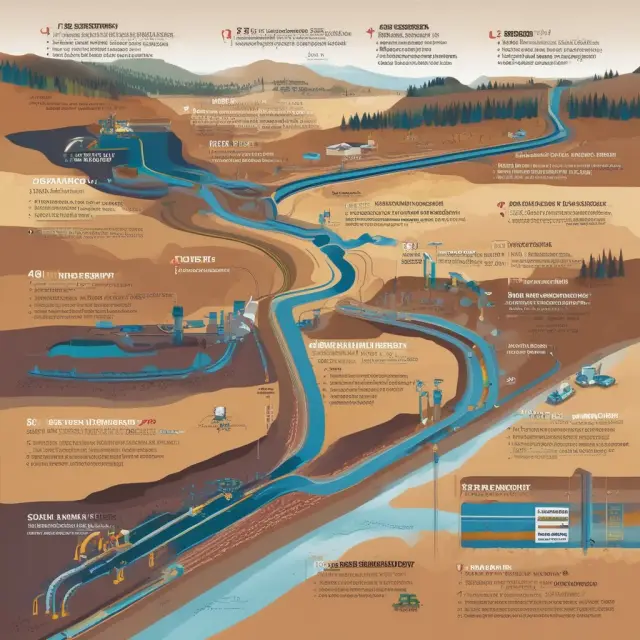
To extract heavy crude from oil sands, an extensive process called mining or in-situ recovery is employed. Mining entails removing the topsoil layer and extracting the bitumen using huge shovels and trucks before processing it into synthetic crude. In-situ recovery involves injecting steam into the ground to melt the bitumen beneath the surface and pump it out via wells. Both methods require significant energy inputs and water consumption, leading to increased greenhouse gas emissions and environmental concerns.
Dilution for Pipeline Transportation
To flow smoothly through pipelines, diluted bitumen is used instead of crude oil extracted from traditional sources. Diluent chemicals like naphtha or condensate are added to the heavy crude to lower its viscosity and facilitate transportation. This diluted mixture has a consistency closer to that of conventional crudes, enabling it to travel through pipelines more easily.
Safety Concerns
Despite various precautions and technological advancements, pipeline accidents can still occur, as exemplified by the 2019 spill in North Dakota, which resulted in approximately 378,000 gallons of oil being released into the environment. The Keystone XL pipeline’s potential for leaks and spills has been a significant concern for environmentalists and local communities, as diluted bitumen is more corrosive than conventional crude oils and can cause greater environmental damage in case of accidents.
In conclusion, the Keystone XL Pipeline’s technological aspects involve the extraction of heavy crude from oil sands through mining or in-situ recovery methods and its subsequent dilution with chemicals for safe transportation via pipelines. Despite advancements aimed at reducing environmental risks, safety concerns remain a significant challenge associated with this contentious project.
Oil Pipeline Regulation in the United States
The Keystone XL pipeline, a contentious project proposed by TC Energy (formerly TransCanada Corporation), has sparked heated debates over its environmental impact and the regulatory environment for pipeline construction and operation in the United States. In this section, we delve into the federal and state agencies responsible for overseeing pipeline projects, as well as the legal challenges faced by TC Energy throughout its history.
Initially proposed in 2005 to transport oil from Alberta, Canada, to refineries in the United States, the Keystone XL pipeline system spans a total of 2,687 miles (4,324 km). Its construction and operation have been subjected to intense scrutiny due to concerns about local and global environmental impacts. The U.S. regulatory landscape plays an essential role in these discussions.
The Federal Energy Regulatory Commission (FERC) is a key federal agency responsible for issuing certificates of public convenience and necessity, allowing interstate pipeline companies like TC Energy to construct and operate pipelines. FERC also oversees the safety and reliability of existing natural gas and oil pipelines through its jurisdiction.
However, the authority of FERC does not extend to the international border. The U.S. State Department, specifically the Bureau of Political-Military Affairs, is responsible for issuing presidential permits for cross-border pipelines. In November 2015, then-President Barack Obama denied the construction permit for the Keystone XL pipeline, citing climate change concerns. Four years later, in January 2021, President Joe Biden reversed this decision, revoking the permit.
The regulatory environment for pipeline projects can be complex and contentious. A myriad of stakeholders, including environmental groups, local communities, indigenous peoples, federal agencies, and state governments, often have diverging interests in these projects. TC Energy’s proposed Keystone XL pipeline has faced numerous legal challenges throughout its history. In 2017, the NRDC filed a lawsuit to stop the construction of the pipeline based on concerns over environmental impacts. The lawsuit argued that tar sands oil is more prone to leaks and spills than traditional crude oil due to its thicker consistency and corrosive properties.
In 2019, TC Energy encountered another setback when a court ruled against the company’s use of eminent domain in Nebraska for the pipeline’s route. The ruling required the company to secure permission from landowners along the proposed path or find an alternative route.
These regulatory challenges underscore the need for collaboration and compromise between stakeholders and government agencies to ensure the safety, environmental sustainability, and economic viability of oil pipelines in the United States. In the following sections, we will further explore the Keystone XL pipeline’s environmental impact assessments, key players, technological aspects, and alternative solutions.
In conclusion, understanding the regulatory environment for oil pipelines is crucial to comprehending the complex issues surrounding projects like the Keystone XL pipeline. The role of federal and state agencies in issuing permits and overseeing safety concerns plays a significant part in shaping public discourse and influencing decisions regarding pipeline construction and operation. As we continue our exploration of the Keystone XL pipeline, we will discuss the technological aspects of extracting oil from oil sands and its environmental implications in the next section.
Impact on Energy Security and Market Dynamics
The Keystone XL pipeline was designed to transport heavy crude oil from Alberta, Canada, to refineries in the United States. Its cancellation could influence both energy security and market dynamics in North America and beyond.
A major concern is how the loss of this pipeline will impact energy security. Proponents argue that importing oil from a friendly neighboring country like Canada increases security. However, opponents contend that other countries’ oil supplies may now be considered more attractive, potentially increasing our dependence on less stable sources. Additionally, increased transportation costs due to alternative methods such as rail or trucking could negatively affect refineries’ profitability.
Market dynamics might also shift with the pipeline’s cancellation. Before its termination, the Keystone XL pipeline was expected to transport over 800,000 barrels of oil per day. This volume represents a significant proportion of crude imports into the United States. With this loss, the U.S. will have to find alternative sources for this oil.
The implications could be even more profound if the U.S. becomes increasingly reliant on oil from less stable regions or countries. For example, increased tension in the Middle East could lead to supply disruptions and price volatility. Consequently, it is essential to consider potential alternatives, such as increasing domestic production or investing in renewable energy sources.
The cancellation of the Keystone XL pipeline also has significant implications for the Canadian oil industry. With fewer options available for exporting their oil, Canadian producers may be forced to rely on other markets like China and India. This shift could impact both the Canadian economy and its relationship with the United States.
It is essential to acknowledge that these potential impacts are speculative, as many factors influence energy security and market dynamics. However, the cancellation of the Keystone XL pipeline raises important questions about our long-term energy future and the implications for both North America and the global community.
In conclusion, the cancellation of the Keystone XL pipeline could significantly impact energy security and market dynamics in North America and beyond. The U.S. will have to find alternative sources for imported oil, potentially increasing its dependence on less stable regions or countries. Canadian producers may also face challenges as they seek new export markets. It is crucial to consider potential alternatives, such as domestic production or renewable energy investments, to mitigate these impacts and ensure a stable and secure future for all parties involved.
Data:
– The Keystone XL pipeline was expected to transport over 800,000 barrels of oil per day (Source: TC Energy).
– According to the U.S. Energy Information Administration, crude imports accounted for approximately 27% of total petroleum and other liquids consumption in the United States in 2019 (Source: EIA).
– The National Renewable Energy Laboratory states that renewable energy sources provided about 13% of the U.S. electricity generation in 2020, with wind providing the largest share at 46% (Source: NREL)
Alternative Solutions and Green Initiatives
As concerns over the environmental impact of the Keystone XL Pipeline continue to escalate, various alternative solutions and green initiatives have emerged in response. These alternatives aim to provide sustainable energy transportation methods while minimizing potential harm to ecosystems and communities.
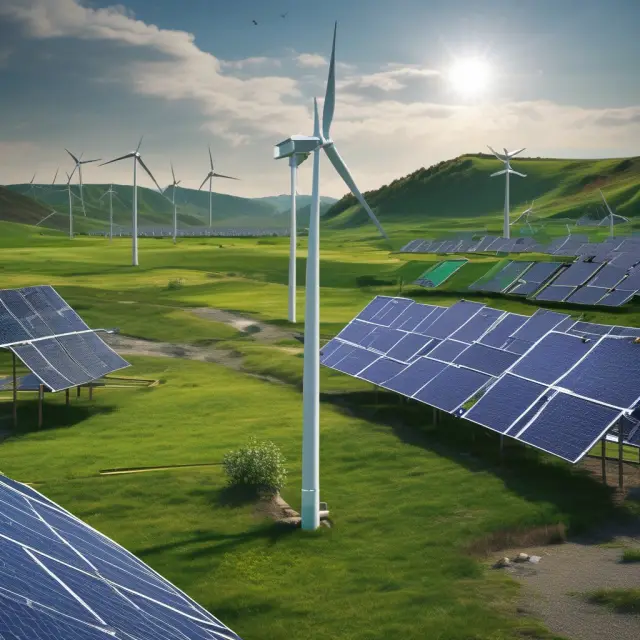
Firstly, proponents of renewable energies propose investing in wind and solar power as viable alternatives for the Keystone XL Pipeline. Renewable energy projects can create jobs in manufacturing, installation, and maintenance sectors. Moreover, they do not rely on non-renewable resources or contribute to greenhouse gas emissions during operation.
Secondly, electric vehicles (EVs) have gained significant popularity as a means to reduce carbon emissions from the transportation sector. The widespread adoption of EVs would lessen the demand for oil pipelines like Keystone XL. Governments and corporations are investing heavily in this technology to accelerate its implementation on a global scale.
A third alternative solution lies in improving energy efficiency through various measures such as using public transportation, carpooling, or promoting walking and cycling initiatives. Such initiatives can help decrease the overall demand for oil and subsequently, the necessity of pipelines like Keystone XL.
Finally, carbon capture and storage (CCS) technologies offer a more controversial alternative by trying to minimize the greenhouse gas emissions from traditional industries, including those related to oil production and transportation. Although CCS technologies are not perfect solutions, they may provide short-term relief in reducing emissions until renewable energy sources gain dominance.
In conclusion, the Keystone XL Pipeline has been a source of controversy for many years due to its potential environmental impact. However, alternative solutions and green initiatives have surfaced as viable alternatives to the pipeline, offering sustainable energy transportation methods and minimizing harm to ecosystems and communities.
By embracing renewable energies like wind and solar power, investing in electric vehicles (EVs), improving energy efficiency, and utilizing carbon capture and storage technologies, we can gradually shift toward a more sustainable future with reduced reliance on fossil fuels such as oil pipelines like Keystone XL.

Legal Challenges and the Future of Pipeline Construction
Since its inception, the Keystone XL pipeline has been a contentious issue due to various legal challenges. In November 2015, then-President Barack Obama denied TransCanada’s application for building the pipeline, citing climate change concerns. However, this decision wasn’t without controversy.
When Donald Trump took office as President in January 2017, he signed an executive order to reinstate the construction permit of the Keystone XL pipeline. This move sparked a flurry of lawsuits from environmental groups and Native American tribes. The most prominent case was initiated by the Indigenous Environmental Network (IEN), the Sierra Club, and the Natural Resources Defense Council (NRDC).
The legal battle centered on the National Environmental Policy Act (NEPA) and the Endangered Species Act (ESA). The groups argued that TransCanada had not adequately assessed the potential environmental impact of the pipeline. In response, the U.S. District Court for the District of Montana agreed and ordered a comprehensive assessment. This decision halted construction again.
The situation changed in 2019 when the Nebraska Public Service Commission approved a revised route for the pipeline. However, this did not put an end to the legal challenges. In March 2020, a U.S. District Court judge rejected TransCanada’s application due to insufficient consultation with Native American tribes regarding their concerns.
The legal saga continued until January 20, 2021, when President Joe Biden revoked the permit during his first week in office. TC Energy announced it was stopping construction soon after. It remains uncertain if and when the project will be revived, but one thing is clear – the Keystone XL pipeline has proven to be a persistent legal challenge for years to come.
In summary, the Keystone XL pipeline has faced numerous legal hurdles since its inception, from concerns over environmental impact assessments and consultation with Native American tribes to ongoing opposition from environmental groups. These challenges have delayed and potentially halted the construction of this controversial pipeline.
FAQ
1. What is the Keystone XL pipeline? The Keystone XL pipeline was a proposed expansion project by TC Energy (formerly TransCanada Corp.) to transport heavy crude oil from Alberta, Canada, through the international border of the United States and Canada, to refineries in the Midwest and Gulf Coast.
2. What is the length of the Keystone pipeline system? The current Keystone pipeline system is 2,687 miles long.
3. Who proposed the Keystone XL pipeline? TC Energy (formerly TransCanada Corp.) first proposed the Keystone XL pipeline in 2005 to address anticipated growth in Canadian crude oil production.
4. What are the concerns about the pipeline’s impact on the environment? Environmental groups have raised concerns regarding the pipeline’s potential for spills and leaks, which could threaten local water sources like the Sandhill region of Nebraska and the Ogallala aquifer, as well as its contribution to higher greenhouse gas emissions.
5. What was the role of the U.S. government in the construction of the Keystone XL pipeline? The Keystone XL pipeline has been a subject of political controversy for years. In 2015, President Barack Obama denied its permit to construct the pipeline due to environmental concerns. However, in January 2017, during his term, President Donald Trump granted the required permit, and construction began shortly after. Eventually, on Jan. 20, 2021, President Joe Biden revoked that permit.
6. How will the Keystone XL pipeline impact employment? Proponents argue that the construction of the pipeline would create thousands of jobs directly and indirectly related to its operation. Critics counter this claim, stating that the environmental impact of the project may outweigh any potential economic benefits.
7. What alternative solutions exist for transporting crude oil instead of pipelines? Various alternative transportation methods include railways, trucks, and intermodal transportation systems. Renewable energy sources are also becoming more viable as a long-term solution to reduce our reliance on fossil fuels.
 Next entry · No. 2,702Understanding the Role and Operations of the Kuwait Investment Authority
See also
-
 No. 5,479
12 Sep 2025
17 min
Understanding Vertical Wells: The Traditional Method of Accessing Underground Oil and Gas Reserves
Energy Finance
No. 5,479
12 Sep 2025
17 min
Understanding Vertical Wells: The Traditional Method of Accessing Underground Oil and Gas Reserves
Energy Finance -
 No. 3,661
16 Apr 2025
22 min
Understanding the Role and Processes of Oil Refineries: From Crude to End Products
Energy Finance
No. 3,661
16 Apr 2025
22 min
Understanding the Role and Processes of Oil Refineries: From Crude to End Products
Energy Finance -
 No. 3,549
07 Apr 2025
25 min
Understanding Nonrenewable Resources: Their Significance and Impact on Climate Change
Energy Finance
No. 3,549
07 Apr 2025
25 min
Understanding Nonrenewable Resources: Their Significance and Impact on Climate Change
Energy Finance -
 No. 2,906
13 Feb 2025
21 min
Understanding Liquefied Natural Gas (LNG): Global Production, Demand, and Uses
Energy Finance
No. 2,906
13 Feb 2025
21 min
Understanding Liquefied Natural Gas (LNG): Global Production, Demand, and Uses
Energy Finance -
 No. 2,266
23 Dec 2024
29 min
Understanding Hydrocarbons: Uses, Types, Impacts, and Alternatives
Energy Finance
No. 2,266
23 Dec 2024
29 min
Understanding Hydrocarbons: Uses, Types, Impacts, and Alternatives
Energy Finance -
 No. 2,208
18 Dec 2024
19 min
Exploring Horizontal Wells: A Modern Approach to Oil and Gas Extraction
Energy Finance
No. 2,208
18 Dec 2024
19 min
Exploring Horizontal Wells: A Modern Approach to Oil and Gas Extraction
Energy Finance