Understanding the Kuala Lumpur Stock Exchange (KLSE) and its Role in Malaysian Capital Markets
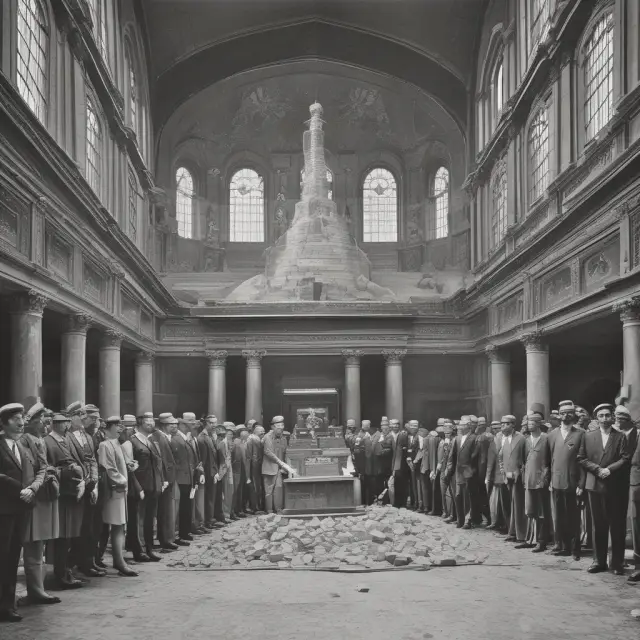
Understanding the role of Bursa Malaysia, formerly known as Kuala Lumpur Stock Exchange (KLSE), in Malaysian capital markets.
Introduction to the Kuala Lumpur Stock Exchange (KLSE)
The Kuala Lumpur Stock Exchange (KLSE), now known as Bursa Malaysia, is a significant financial hub in Southeast Asia with a rich history dating back to 1930. Established initially as the Singapore Stockbrokers’ Association, this Malaysian stock exchange has since evolved into a fully-integrated financial market platform that supports various trading activities including equities, exchange traded funds (ETFs), offshore Islamic assets, bonds, derivatives, exchange-traded products, real estate investment trusts, and other securities. The KLSE’s transformation reflects its commitment to remain an essential pillar in the Malaysian capital markets, providing vital services such as clearing, trading, listing, depository, and settlement for over 900 listed companies.
The Role of Bursa Malaysia in Malaysian Capital Markets
Bursa Malaysia plays a crucial role in the Malaysian economy by connecting local and foreign investors to various investment opportunities. The exchange offers a fully automated trading system and is home to several financial instruments, making it one of the largest exchanges within the Association of Southeast Asian Nations (ASEAN). The exchange’s main index, the FTSE Bursa Malaysia KLCI, showcases the performance of the top 30 companies listed on Bursa Malaysia.
Bursa Malaysia and its Services
Bursa Malaysia provides various services including clearing, trading, listing, depository, and settlement to promote capital raising activities for Malaysian businesses. Its clearing system facilitates the settlement and delivery process between parties involved in financial transactions. Trading is made possible through a fully automated platform with access to real-time information and market data, allowing traders to make informed decisions.
Bursa Malaysia’s Listing Options
The exchange provides three distinct listing options for companies seeking to raise capital: the Main or Prime Market for large, established corporations; the ACE market, which targets companies with growth potential; and the LEAP market for emerging small- and mid-sized enterprises.
Bursa Malaysia’s Shariah-compliant Capital Markets
The exchange has an Islamic market team dedicated to promoting Shariah-compliant capital markets to cater to Malaysia’s Muslim majority, offering domestic and offshore Islamic assets along with Islamic banking. The Shari’ah-compliant trading platform was launched in 2009, enabling traders to invest according to Islamic principles.
Bursa Malaysia’s Partnerships
The exchange has collaborated with other global corporations and exchanges, such as the Chicago Mercantile Exchange (CME), to promote transparency, performance, and innovation within international capital markets. The partnership agreement is valid until 2025.
Investing in Bursa Malaysia: Considerations and Options
Interested investors can explore various investment avenues through mutual funds, exchange traded funds, or American depositary receipts to engage with the Malaysian market. Short-selling of equity based ETFs is currently available, but proposed changes may expand options for short selling ETF units in the future. In July 2018, Bursa Malaysia released a consultation paper on potential amendments to the regulations regarding ETFs, which could potentially result in new types of ETFs being made available such as futures-based, leveraged, inverse, physically backed commodity, and synthetic ETFs.
History of KLSE: Evolution Over Decades
Bursa Malaysia’s origins can be traced back to 1930 when it was first established as the Singapore Stockbrokers’ Association. The exchange went through several name changes including the Malayan Stock Exchange and the Stock Exchange of Malaysia before finally demutualizing in 2004, resulting in the name change to Bursa Malaysia. As the exchange has adapted to the changing financial landscape over the years, it has solidified its position as a significant player within the Malaysian capital markets.

The Role of the KLSE in Malaysian Capital Markets
Understanding the Importance and Functions of Bursa Malaysia (formerly known as the Kuala Lumpur Stock Exchange) in the Malaysian financial ecosystem is crucial to both investors and traders. Established since 1930, this Malaysian stock exchange located in the capital city of Kuala Lumpur has grown into one of the largest exchanges within the Association of Southeast Asian Nations (ASEAN), offering various services related to trading, listing, clearing, depository, and settlement.
Bursa Malaysia is a fully automated exchange that plays an integral role in Malaysian capital markets by allowing trading of securities such as equities, bonds, derivatives, exchange-traded products (ETPs), real estate investment trusts (REITs), and exchange-traded funds (ETFs). The exchange is home to the FTSE Bursa Malaysia KLCI, an index comprising the top 30 companies listed on the exchange.
The role of Bursa Malaysia extends beyond just a trading platform for investors; it also offers Shariah-compliant capital markets through its Islamic market team to cater to Malaysia’s Muslim majority population. This includes offering domestic and offshore Islamic assets, Islamic banking, as well as a Shari’ah-compliant trading platform launched in 2009.
For companies looking to list on the exchange, Bursa Malaysia offers three options: the main or prime market for large, established corporations, ACE market for growing companies, and the LEAP market for up-and-coming small- and mid-sized enterprises (SMEs). Additionally, the exchange has partnerships with other global corporations and exchanges like the Chicago Mercantile Exchange (CME), promoting performance and transparency in global capital markets.
Investors interested in the Malaysian market can consider investing through various avenues such as mutual funds, ETFs, or American depositary receipts (ADRs). As of July 2018, short-selling of equity-based ETF units is only permitted on Bursa Malaysia. However, there have been proposed rule changes to expand investor interest in ETFs by loosening regulations on the short-selling framework.
The exchange has a rich history dating back to 1930, when it was first established as the Singapore Stockbrokers’ Association. Since then, it went through multiple name changes and ownership structures but remained dedicated to promoting a vibrant and transparent financial ecosystem in Malaysia.

Bursa Malaysia’s Trading System and Services
Bursa Malaysia, formerly known as the Kuala Lumpur Stock Exchange (KLSE), is a Malaysian stock exchange located in Kuala Lumpur and one of the largest in the Association of Southeast Asian Nations. The exchange was established in 1930 to facilitate trading activities in Malaysian securities. Bursa Malaysia operates as an integrated exchange, offering various services including clearing, trading, listing, depository, and settlement. These services enable companies to raise capital through diverse economic activities.
Bursa Malaysia’s trading system is fully automated, which allows for seamless trading of various financial instruments such as equities, bonds, derivatives, exchange-traded funds (ETFs), real estate investment trusts (REITs), and offshore Islamic assets. The exchange caters to the nation’s Muslim majority through its Islamic market team, dedicated to promoting Shariah-compliant capital markets.
Bursa Malaysia provides three listing options for companies looking to join the exchange: the main or prime market for large and established corporations, ACE market for emerging companies with significant growth potential, and LEAP market for small to mid-sized enterprises. The exchange also collaborates with global corporations and exchanges, such as the Chicago Mercantile Exchange (CME), to promote performance and transparency in international capital markets.
The clearing process on Bursa Malaysia enables efficient trading by reducing counterparty risk. It involves a central counterparty, which guarantees both parties’ obligations to fulfill their commitments, ensuring successful transactions between buyers and sellers. The exchange also offers various margin requirements depending on the securities being traded, which serves as an essential tool for managing risks in the market.
Bursa Malaysia’s depository services hold and safeguard securities on behalf of investors and other participants. Securities deposited with the exchange can be used as collateral or be transferred to other participants without requiring physical certificates, streamlining the process and reducing costs. The settlement system ensures timely transactions by facilitating the exchange of cash and securities between parties in a secure manner, enabling investors to receive their funds and securities promptly after trade execution.
Investors looking to invest in Malaysian securities have several options. They can consider mutual funds that provide diversified investment opportunities with lower risk exposure. Additionally, exchange-traded funds (ETFs) offer benefits such as lower costs, greater liquidity, and transparency compared to actively managed funds. Another alternative is American depositary receipts (ADRs), which are negotiable certificates representing shares of a foreign company traded on U.S. stock exchanges, allowing investors to buy into international companies without dealing with the complexities of foreign currencies and markets.
Investors should be aware that short-selling equity based ETF units is currently not allowed on Bursa Malaysia, but this could change in the future as part of proposed amendments aimed at expanding investor interest in ETFs. Traders are encouraged to keep an eye on regulatory updates and consultations regarding possible changes to short-selling frameworks for various types of ETF units.
Bursa Malaysia’s history dates back to 1930 when it was first established as the Singapore Stockbrokers’ Association, with trading to the public beginning in 1960. The exchange converted into a shareholder-owned company following its demutualization in 2004 and was renamed Bursa Malaysia. With its strong presence and extensive services in Malaysian capital markets, Bursa Malaysia remains an essential platform for both local and international investors seeking growth opportunities in the Southeast Asian market.
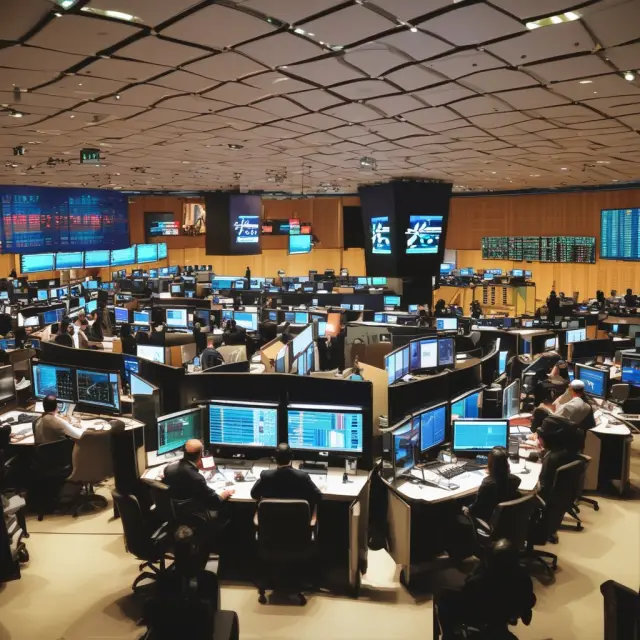
Types of Securities Traded on KLSE
The Kuala Lumpur Stock Exchange (KLSE), now known as Bursa Malaysia, is a significant financial hub in Southeast Asia. Established in 1930, the exchange has evolved over the decades to offer various services and accommodate numerous types of securities for trading. In this section, we will discuss the different securities that can be found on Bursa Malaysia.
Equities
The most traditional form of investment available at the KLSE is stocks or equities. These represent ownership in a corporation and grant investors potential capital appreciation and dividend income. The top 30 companies on the exchange are included in the FTSE Bursa Malaysia KLCI index, which serves as a benchmark for the Malaysian stock market.
Bonds
Another popular investment option is fixed-income securities or bonds. These instruments provide investors with regular interest payments and relatively stable returns. Government bonds and corporate bonds can be found on Bursa Malaysia.
Derivatives
Derivatives, such as futures and options, enable traders to speculate on the underlying asset’s price movement, hedge against potential losses, or gain exposure to new markets. The KLSE offers a variety of derivatives contracts based on indices, currencies, commodities, and interest rates.
Exchange Traded Funds (ETFs)
ETFs are investment funds that track an underlying index, sector, commodity, or asset class. They offer investors the ability to diversify their portfolio and trade like individual stocks on the exchange. In the case of Bursa Malaysia, ETFs can be traded via the fully automated trading system, providing investors with enhanced liquidity and flexibility.
Islamic Securities
Bursa Malaysia recognizes the importance of catering to its Islamic investor base, which makes up a significant portion of the Malaysian population. The exchange offers Shariah-compliant securities that adhere to Islamic principles. These investments range from equities to bonds and are available on the exchange’s Islamic market platform.
Understanding the different types of securities offered at the Kuala Lumpur Stock Exchange is essential for investors looking to build a diversified portfolio and maximize their investment potential within the Malaysian capital markets.
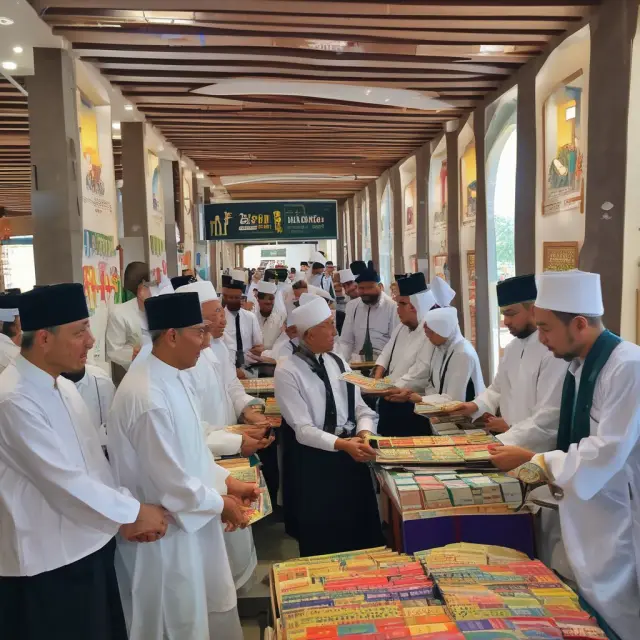
The Islamic Market Team at Bursa Malaysia
Bursa Malaysia, previously known as the Kuala Lumpur Stock Exchange (KLSE), is a significant financial institution in Malaysia and the ASEAN region. Established in 1930, this fully integrated stock exchange provides essential services like trading, clearing, listing, depository, and settlement to over 900 companies. One unique aspect of Bursa Malaysia that sets it apart from other global exchanges is its Islamic market team.
Catering to the needs of Malaysia’s Muslim majority, Bursa Malaysia offers Shariah-compliant capital markets through its Islamic Market Team. This division specializes in domestic and offshore Islamic assets, focusing on promoting Islamic banking, which adheres to Islamic principles (Shari’ah) that prohibit the collection and payment of interest.
The Islamic Market Team plays a pivotal role in fostering growth within the Islamic financial sector by offering Shariah-compliant securities such as Sukuk (Islamic bonds), Wakalah (agency) contracts, Murabaha (cost-plus financing), and Ijarah (leasing). The team also oversees the Shari’ah-compliant trading platform, launched in 2009.
Companies aiming to list on Bursa Malaysia can choose among three options: main or prime market for large, established corporations; ACE market for companies with significant growth potential; and LEAP market for emerging small- and mid-sized enterprises. For those interested in global collaborations, Bursa Malaysia has established partnerships with other leading exchanges like the Chicago Mercantile Exchange (CME) to promote performance, transparency, and innovation in capital markets.
To cater to diverse investor needs and interests, Bursa Malaysia offers various investment avenues like mutual funds, exchange-traded funds (ETFs), and American depositary receipts (ADRs). For traders seeking short-selling opportunities, Bursa Malaysia has proposed changes to its regulations regarding equity ETF units, potentially expanding the available short-selling types in the future. This move aims to attract increased investor interest and expand the use cases for ETFs within Malaysian capital markets.
In summary, the Islamic Market Team at Bursa Malaysia plays a crucial role in providing Shariah-compliant financial services to the Muslim majority population of Malaysia while also promoting growth and innovation within the Islamic banking sector. By offering a range of investment options and collaborating with global partners, Bursa Malaysia continues to contribute significantly to the development of Malaysian capital markets.

Listing Options on KLSE
The Kuala Lumpur Stock Exchange (KLSE), now known as Bursa Malaysia, is a Malaysian stock exchange that provides various listing options for companies seeking capital raising opportunities through different economic activities. Since its establishment in 1930, the exchange has grown to become one of the largest in the Association of Southeast Asian Nations (ASEAN). By understanding the three main listing options offered by Bursa Malaysia – the main or prime market, ACE market, and LEAP market – potential companies can make informed decisions about their listing journey.
Main or Prime Market: This is Bursa Malaysia’s premier market for large, well-established corporations with a strong track record of financial performance. Companies that list on the main market are required to comply with strict listing requirements and ongoing reporting obligations. In return, they gain access to a larger investor base and greater liquidity for their securities.
ACE Market: The ACE (Accelerated Companies, Entrepreneurs and SMEs) market is designed for companies that exhibit strong growth potential and are in their expansionary phases. By choosing the ACE market, companies can enjoy a more flexible listing regime and reduced reporting requirements compared to the main market. This allows them to focus on growing their business without being burdened by excessive regulatory compliance.
LEAP Market: The LEAP (Leading Entrepreneurs and Accelerating Program) market is tailored for up-and-coming small- and mid-sized companies, or SMEs, with high growth potential. This listing option offers a more streamlined and cost-effective route to access public capital compared to the main and ACE markets. Companies that qualify for the LEAP market are subject to less stringent reporting requirements while they grow and mature into potentially graduating to the main market in the future.
Bursa Malaysia’s collaborations with other global exchanges, like its partnership with the Chicago Mercantile Exchange (CME), also offer additional listing opportunities for companies. By opting for such strategic alliances, businesses can tap into international capital markets and expand their reach to a wider investor base. This diversification of listing options further strengthens Malaysia’s position as an attractive destination for local and foreign investors alike.
In summary, the Kuala Lumpur Stock Exchange (KLSE), now known as Bursa Malaysia, offers companies various listing options that cater to their unique growth stages and needs. The main market is ideal for large, well-established corporations; the ACE market supports companies with strong growth potential; and the LEAP market helps SMEs with high growth prospects access public capital more efficiently. By providing a range of listing solutions, Bursa Malaysia continues to position itself as an essential platform in Malaysian capital markets.

Bursa Malaysia’s Partnership with Global Exchanges
The Kuala Lumpur Stock Exchange (KLSE) has expanded its reach and influence through strategic partnerships with global exchanges, enabling Malaysian investors to access a wider range of securities. One significant collaboration is the partnership between Bursa Malaysia and the Chicago Mercantile Exchange (CME), established in 2016 and extending until 2025. This agreement has paved the way for Bursa Malaysia to offer derivatives trading, enhancing its role as a key player in global capital markets.
Bursa Malaysia’s collaboration with CME allows Malaysian traders and investors access to the CME Globex platform, the world’s largest electronic trading marketplace, enabling trading around the clock. The partnership also provides opportunities for local companies to list their derivatives on both exchanges, thereby broadening their reach and attracting foreign investments.
The introduction of derivatives trading on Bursa Malaysia offers several benefits. For one, it allows investors to hedge against price risks in equities, commodities, and currencies. It also provides opportunities for arbitrage and speculation, allowing traders to profit from price differences between related assets. Additionally, derivatives can be used for various investment strategies, such as leveraged long or short positions, or spreading risk through diversification.
As a result of this partnership, Bursa Malaysia has seen an increase in trading activity and liquidity, positioning itself as a more attractive exchange for local and international investors. In the context of globalization and financial innovation, the collaboration with CME is a strategic move that further solidifies Bursa Malaysia’s role within the Malaysian capital markets landscape and beyond.
In summary, the Kuala Lumpur Stock Exchange (KLSE) has evolved into Bursa Malaysia, a fully automated exchange offering various services and trading securities across different sectors. Through strategic partnerships with global exchanges, such as Chicago Mercantile Exchange (CME), it now offers derivatives trading, thereby enhancing its position as a significant player in the Malaysian capital markets. This collaboration enables local investors to access a wider range of securities and attracts foreign investments, ultimately increasing market liquidity and trading activity on Bursa Malaysia.

Investing in KLSE: Considerations and Options
Bursa Malaysia, formerly known as the Kuala Lumpur Stock Exchange (KLSE), is a prominent Malaysian stock exchange with a rich history dating back to 1930. This comprehensive guide aims to provide insight into various investment options when considering the Malaysian market through mutual funds, exchange traded funds, or American depositary receipts.
Mutual Funds
Investing in mutual funds can be an excellent choice for individuals seeking diverse investment portfolios with professional management. Mutual funds pool resources from multiple investors to purchase a variety of securities such as stocks, bonds, and money market instruments. By investing in a mutual fund, you gain access to a professionally managed portfolio that aligns with your investment goals.
Exchange Traded Funds (ETFs)
An Exchange Traded Fund (ETF) is a type of investment vehicle that trades like individual stocks on an exchange. ETFs provide investors with the benefits of diversification and low costs, making them increasingly popular choices. When investing in an ETF, you essentially buy shares in a fund that holds a basket of assets corresponding to its index, sector, or specific theme. Unlike mutual funds, which have fixed prices at the end of each trading day, ETFs can be bought and sold throughout the day on an exchange, enabling price flexibility.
American Depositary Receipts (ADRs)
An American Depositary Receipt (ADR) is a negotiable certificate representing ownership in a foreign stock listed on U.S. exchanges. This allows international investors to invest in securities that are not readily available or easily tradeable on their home exchange, providing diversification and access to various global markets. ADRs simplify the process of buying foreign stocks by eliminating the need for complex currency transactions, simplifying the tax filing process, and offering liquidity through trading on U.S. exchanges.
Short-selling ETF Units
Investors can also engage in short selling strategies with equity-based exchange-traded funds (ETFs) listed on Bursa Malaysia. Short selling involves selling borrowed securities with the intention to buy them back later at a lower price, making a profit from the price difference. As of 2018, Malaysian regulations only allowed short selling of equity-based ETFs on a limited basis, but potential changes may expand this framework in the future.
In conclusion, Bursa Malaysia offers multiple investment options for those interested in the Malaysian capital markets. Mutual funds, exchange traded funds, and American depositary receipts provide varying advantages, with short selling opportunities available for equity-based ETFs. By carefully considering your investment goals and risk tolerance, you can make informed decisions when investing in Malaysia through these avenues.

Short-Selling of ETFs on Bursa Malaysia
Bursa Malaysia, previously known as the Kuala Lumpur Stock Exchange (KLSE), is a prominent stock exchange in Malaysia that offers a fully integrated system for trading, clearing, listing, depository, and settlement services. The exchange houses various financial securities such as equities, bonds, derivatives, exchange-traded products (ETPs), real estate investment trusts (REITs), and even offshore Islamic assets, appealing to a diverse range of investors in the Southeast Asian market. Among these securities, ETFs are becoming increasingly popular due to their cost-effective nature, flexibility, and transparency.
Short selling is an essential trading strategy for experienced traders that involves borrowing and selling securities with the intent of buying them back at a lower price to profit from the difference in price. Traders can short sell various securities listed on Bursa Malaysia, including ETFs. However, regulations surrounding short selling ETFs have been a topic of discussion due to its potential implications on market liquidity and efficiency.
Currently, short selling of equity-based ETFs is permitted on Bursa Malaysia under specific conditions. To short sell an equity-based ETF unit, traders need to locate shares from the exchange’s settlement system or borrow them from another trader. The minimum shorting volume for most ETFs on Bursa Malaysia is 10,000 units. It is important to note that short selling of ETFs may be subject to additional regulations based on the specific ETF’s structure and underlying securities.
In July 2018, Bursa Malaysia released a consultation paper proposing potential changes to its rules regarding short selling ETF units. The proposed amendments aim to expand investor interest in exchange-traded funds by introducing various types of ETFs (futures-based, leveraged, inverse, physically backed commodity, and synthetic ETFs) and easing restrictions on the short selling framework. According to the consultation paper, these changes would potentially allow traders to short sell ETF units using the following methods:
- Short Selling with Margin: Bursa Malaysia may introduce margin requirements for short selling ETF units, which could help minimize price volatility and ensure adequate liquidity in the market.
- Short Selling with Derivatives: The exchange could allow short selling using derivatives such as futures contracts to hedge positions, providing traders with more flexibility and control over their risk exposure.
- Short Selling Leveraged ETFs: As of now, leveraged ETFs are not available for short selling on the exchange. However, the proposed amendments could potentially change that, enabling investors to profit from falling markets by shorting leveraged ETFs.
- Short Selling Inverse ETFs: Inverse ETFs aim to generate returns that are opposite to their underlying benchmarks. Short selling inverse ETFs can be an effective hedging strategy for investors looking to protect themselves against potential losses in the market. The proposed amendments could provide opportunities for traders to short sell these securities on Bursa Malaysia, allowing them to benefit from falling markets.
- Short Selling Synthetic ETFs: Synthetic ETFs use derivatives instead of physical assets to replicate the performance of their underlying benchmarks. While these securities have gained popularity due to their cost-effective structure, short selling synthetic ETFs has been a contentious issue for many exchanges due to potential risks associated with leverage and counterparty risk. The proposed amendments could address these concerns by setting specific regulations for short selling synthetic ETFs on Bursa Malaysia.
In conclusion, the Kuala Lumpur Stock Exchange (KLSE) or now known as Bursa Malaysia, is a prominent stock exchange in Malaysia that offers various financial securities including ETFs for trading. Traders can employ the short selling strategy with equity-based ETF units, but proposed changes to regulations may enable more flexibility by allowing short selling using additional methods and types of ETFs. The potential amendments could significantly impact the Malaysian capital markets by attracting a wider range of traders and increasing liquidity in ETF markets. Keep an eye on future developments regarding these proposals as they could potentially alter the landscape for exchange-traded funds on Bursa Malaysia.
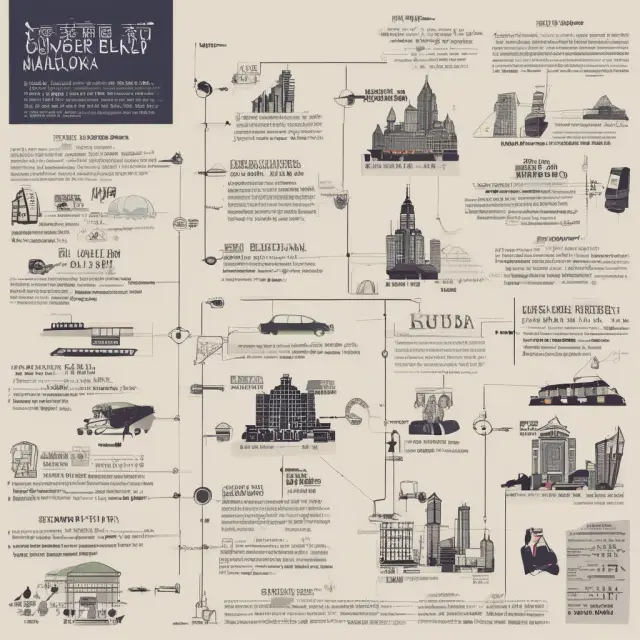
History of KLSE: Evolution over Decades
The Kuala Lumpur Stock Exchange (KLSE), now recognized as Bursa Malaysia, boasts an impressive history that stretches back to 1930. Originally established as the Singapore Stockbrokers’ Association, this Malaysian stock exchange in Kuala Lumpur was the first securities business in the Southeast Asian nation. The exchange started offering securities trading to the public in 1960 and officially became a company in 1976. In a customer-focused transformation, it demutualized in 2004, converting from a member-owned entity to one with shareholders. With this change, the name morphed into Bursa Malaysia.
The exchange has undergone several name changes throughout its history, reflecting its growth and evolution. From the Singapore Stockbrokers’ Association to the Malayan Stock Exchange and the Stock Exchange of Malaysia, it eventually adopted the name “Bursa Malaysia.” This transformation to a shareholder-owned business was significant as it allowed for increased efficiency, improved services, and expanded market opportunities.
As Bursa Malaysia entered the 21st century, it continued its growth by offering fully integrated trading services including clearing, depository, listing, settlement, and a fully automated trading system launched in late 2008. Today, Bursa Malaysia is one of the largest exchanges in the Association of Southeast Asian Nations (ASEAN). It lists various financial securities such as equities, bonds, derivatives, exchange-traded products (ETPs), and real estate investment trusts (REITs). There’s also a dedicated Islamic market team that caters to Malaysia’s Muslim majority, offering Shariah-compliant capital markets through domestic and offshore Islamic assets, as well as Islamic banking and a Shari’ah-compliant trading platform.
The exchange hosts three listing options for companies wanting to raise capital: the main or prime market for large, established corporations; the ACE market for companies with potential for growth; and the LEAP market for up-and-coming small- and mid-sized enterprises. Bursa Malaysia’s partnership with global corporations and exchanges like the Chicago Mercantile Exchange (CME) further promotes performance and transparency in international capital markets.
The Kuala Lumpur Stock Exchange has come a long way from its humble beginnings and continues to make strides as Bursa Malaysia, providing opportunities for investors and fostering economic growth.

FAQs about Bursa Malaysia’s KLSE
What is the Kuala Lumpur Stock Exchange (KLSE)? Now known as Bursa Malaysia, the Kuala Lumpur Stock Exchange is a Malaysian stock exchange based in Kuala Lumpur. Established in 1930, it has evolved into one of the largest exchanges in the Association of Southeast Asian Nations (ASEAN), allowing trading of various securities such as equities, bonds, derivatives, and ETFs.
Where is the KLSE located? The Kuala Lumpur Stock Exchange is situated in the Malaysian capital city of Kuala Lumpur.
What types of securities can be traded on Bursa Malaysia? Equities, exchange-traded funds (ETFs), offshore Islamic assets, bonds, derivatives, exchange-traded products (ETPs), and real estate investment trusts (REITs) are some of the financial securities listed on the exchange.
What is the main index for Bursa Malaysia? The FTSE Bursa Malaysia KLCI, previously known as Kuala Lumpur Composite Index (KLCI), is the primary index of the exchange, representing the performance of its 30 largest and most liquid companies.
How do I invest in Malaysian securities through Bursa Malaysia? Potential investors can consider investing in mutual funds, exchange-traded funds (ETFs), or American depositary receipts (ADRs) to gain exposure to the Malaysian market.
Does Bursa Malaysia offer short selling options on ETFs? As of now, only equity-based ETFs can be short sold on Bursa Malaysia. However, a proposed amendment in July 2018 aimed to expand short selling opportunities for various types of ETF units.
What is the Islamic Market Team at Bursa Malaysia? The Islamic Market Team at Bursa Malaysia focuses on promoting Shariah-compliant capital markets, offering domestic and offshore Islamic assets as well as Islamic banking services, to cater to Malaysia’s Muslim majority.
How many companies are listed on Bursa Malaysia? As of now, 900 companies use the exchange’s platform to raise capital through various economic activities.
What is the ownership structure of Bursa Malaysia? The exchange went through a demutualization process in 2004, converting from member-owned to shareholder-owned, resulting in a change of name to Bursa Malaysia.
 Next entry · No. 2,720Understanding the Comorian Franc (KMF): The Currency of a Small African Island Nation
See also
-
 No. 3,808
28 Apr 2025
21 min
Understanding OTC Markets Group Inc.: A Comprehensive Guide to Trading, Market Data, and Corporate Services
Business Finance
No. 3,808
28 Apr 2025
21 min
Understanding OTC Markets Group Inc.: A Comprehensive Guide to Trading, Market Data, and Corporate Services
Business Finance -
 No. 4,648
05 Jul 2025
20 min
Mastering Short Positions: Understanding Risks, Strategies, and Techniques
Business Finance
No. 4,648
05 Jul 2025
20 min
Mastering Short Positions: Understanding Risks, Strategies, and Techniques
Business Finance -
 No. 4,612
02 Jul 2025
21 min
Understanding Series 57: A Comprehensive Guide for Securities Traders
Business Finance
No. 4,612
02 Jul 2025
21 min
Understanding Series 57: A Comprehensive Guide for Securities Traders
Business Finance -
 No. 4,583
30 Jun 2025
22 min
Understanding the Secondary Market: A Comprehensive Guide for Institutional Investors
Business Finance
No. 4,583
30 Jun 2025
22 min
Understanding the Secondary Market: A Comprehensive Guide for Institutional Investors
Business Finance -
 No. 4,314
08 Jun 2025
19 min
Understanding Rebates: A Powerful Marketing Tool and Financial Instrument
Business Finance
No. 4,314
08 Jun 2025
19 min
Understanding Rebates: A Powerful Marketing Tool and Financial Instrument
Business Finance -
 No. 3,874
03 May 2025
20 min
Understanding Oversubscription Privileges in Rights Issuances: A Comprehensive Guide for Institutional Investors
Business Finance
No. 3,874
03 May 2025
20 min
Understanding Oversubscription Privileges in Rights Issuances: A Comprehensive Guide for Institutional Investors
Business Finance