Understanding the Role and Future of Floor Traders in Finance and Investment

Uncover the role, history, and impact of floor traders in finance and investment markets. Learn how they compare to market makers, brokers, and algorithmic…
Introduction to Floor Trading
In the dynamic world of finance and investment, one term that consistently generates intrigue is “floor trader.” These individuals, often depicted in movies and television shows, are represented as executing trades within a frenzied, fast-paced pit environment. The essence of their role – making transactions on behalf of themselves while actively engaging in the market – has remained relatively consistent throughout history. However, as the financial industry evolves, it is crucial to understand how floor trading and its practitioners fit into this ever-changing landscape.
Definition of a Floor Trader
At its core, a floor trader refers to an exchange member who engages in transactions from the trading floor of an exchange, exclusively using their own capital. Historically, these individuals have employed the open-outcry method – a vocal exchange between traders on opposite sides of the pit – but with technological advancements, many have transitioned towards electronic trading systems and no longer physically appear on the trading floor.
Role and Significance in Financial Markets
Floor traders contribute significantly to commodity and stock markets by providing liquidity and reducing bid-ask spreads, making them an essential part of market functioning. By accepting and executing trades, they help maintain an efficient and orderly market, ensuring that buyers and sellers can transact with minimal price disruptions.
A floor trader’s primary motivation differs from those in other roles within the exchange: market makers and brokers. Market makers act as counterparties to both buy and sell securities or commodities, providing a steady flow of liquidity for their clients and the overall market. Their goal is to profit from the bid-ask spread. Brokers, on the other hand, facilitate transactions between buyers and sellers, executing trades on behalf of their clients or as agents in specific circumstances. A floor trader’s primary motivation, however, is making profits with their own funds while providing liquidity for the market.
Despite their diminishing presence due to technological advancements and changing market structures, floor traders continue to play a vital role in maintaining market efficiency and providing valuable insight into market dynamics. The history of floor trading sheds light on its evolution and significance within the financial industry.

History of Floor Trading
Floor trading represents a significant piece of financial market history, where traders physically traded stocks, options, and commodities from the floor of the exchange, engaging in the classic open-outcry method. In this time-honored technique, traders would shout out their bids and offers while gesturing to attract attention and negotiate trades face-to-face, creating an electric atmosphere in the trading pit.
The history of floor trading can be traced back to the 18th century when commodity exchanges, such as the Chicago Board of Trade (CBOT), were founded. Traders would gather at specific locations to buy and sell goods like corn, wheat, or soybeans based on supply, demand, and speculation. These early commodity markets became the foundation for modern futures trading that still exists today.
However, floor trading has experienced significant changes with the emergence of electronic trading systems. In recent decades, many exchanges have transitioned from open-outcry to automated order execution through computerized trading platforms. Consequently, floor traders are becoming increasingly rare as they make way for more efficient and cost-effective trading methods.
Despite its decline, the importance of floor traders in financial markets cannot be overlooked. Their primary role was to provide liquidity by acting as market makers, maintaining a continuous bid and asking price for various securities. In today’s markets, floor traders can still be found at some specialized exchanges like the New York Stock Exchange (NYSE) and Chicago Mercantile Exchange (CME), where they use electronic trading systems to execute trades on their own accounts while providing liquidity.
In conclusion, understanding the history of floor trading is crucial for recognizing its significance in financial markets and how it shaped modern trading practices. Though it may not be as prominent as before, floor traders continue to contribute to market efficiency, offering valuable insights into market dynamics and providing liquidity on some exchanges.

The Application Process for Floor Traders
Ambitious investors considering a career as a floor trader must first pass a rigorous screening process to secure a position on the trading floor. To become a registered competitive trader, individuals must file an application with the National Futures Association (NFA) and provide several documents, including:
– Completed Form 8-R online
– Fingerprint cards
– Proof of having been granted trading privileges from a contract market
– A non-refundable application fee of $85
While the NFA is one governing body for floor traders in commodity markets, various exchanges may have additional requirements. For instance, those looking to trade on the floor at the Chicago Mercantile Exchange must also pass an entrance exam and a background check. The process can be lengthy and demanding; potential floor traders should prepare themselves with comprehensive knowledge of exchange rules, trading strategies, and market dynamics.
Beyond formal requirements, developing successful floor trading skills takes patience, discipline, and financial acumen. Floor traders must possess a deep understanding of the markets they are operating in, including price trends, volatility patterns, and psychological factors that can influence trading decisions. Emotional intelligence is another essential attribute for floor traders, as they need to manage stress effectively and make split-second decisions under intense pressure.
While the floor trader’s role has evolved with advancements in technology, the importance of human judgment and expertise remains crucial in financial markets. The unique perspective a floor trader offers through their presence on the trading floor can lead to valuable insights that electronic systems may not capture. Floor traders continue to make significant contributions by providing liquidity, narrowing bid-ask spreads, and reacting swiftly to market fluctuations. Despite the challenges posed by algorithmic trading and other technological innovations, the future of floor trading holds both uncertainty and opportunity.
Floor trading is not for everyone; it requires a unique combination of skill sets and dedication. However, for those who are determined to excel in this challenging yet rewarding field, the rewards can be significant. As you explore the world of finance and investment, consider the value that floor traders bring to financial markets and their potential impact on your own investment strategies.

Floor Trading vs Market Making vs Brokering
In the fast-paced world of finance and investment, it’s essential to understand the various roles that traders and intermediaries play within financial markets. Three distinct types of market participants that can often be found interacting in trading pits are floor traders, market makers, and brokers. While they share some similarities, each role has unique responsibilities and motivations.
1. Floor Traders:
Floor traders, also known as individual traders or competitive traders, execute trades on their own behalf exclusively from the exchange floor. They are responsible for providing liquidity to the market by being willing to buy or sell securities at any given moment. Their primary goal is to make profits based on their analysis and expertise in the markets they trade. Historically, floor traders used the open outcry method, shouting bids and offers back and forth with fellow traders in a loud, bustling pit. With technological advancements, most floor traders now use electronic trading systems instead of yelling their trades in the traditional manner.
2. Market Makers:
Market makers are firms or individuals who provide liquidity to the market by standing ready to buy and sell securities continuously. They act as a counterparty for other traders, ensuring that there is a buyer or seller for every trade. Market makers aim to profit from the bid-ask spread, the difference between the highest price a buyer is willing to pay (the bid) and the lowest price a seller is willing to accept (the ask). Market makers employ sophisticated algorithms and technology to manage their risk and pricing strategies, making them an essential component of modern financial markets.
3. Brokers:
Brokers act as intermediaries between buyers and sellers. They execute trades on behalf of clients or firms, charging a commission for their services. Unlike floor traders and market makers, brokers don’t trade for their own account but instead focus on executing the best possible trades for their clients while minimizing transaction costs. Brokers can work in various capacities, including full-service brokerage (offering personalized advice) or discount brokerage (focusing on low fees).
Interacting Roles
In a trading pit, floor traders, market makers, and brokers often interact closely with one another to facilitate trades. Floor traders may rely on market makers to provide liquidity for their orders while brokers act as intermediaries between clients and the floor. Market makers use floor traders’ insights and expertise to manage their risk and pricing strategies effectively. In some cases, a single firm or individual can serve multiple roles in different markets or products.
Understanding these distinctions not only helps shed light on the intricacies of financial markets but also highlights how each role contributes to market efficiency and liquidity. By recognizing their unique functions, we can better appreciate the complex web of interactions between various market participants in the ever-evolving world of finance and investment.

Floor Traders’ Motivations
Floor traders and market participants may all inhabit the same exchange floors, but their motivations differ significantly. While floor traders are primarily driven by profits made with their own capital, other market participants have different roles. Let us examine why floor traders trade for themselves and compare this to the motivations of market makers and brokers.
Floor traders’ primary objective is to generate profits using their personal funds. This self-interested approach makes them unique among exchange members, as most market participants focus on providing services or facilitating trades on behalf of others. Floor traders use their extensive knowledge of the market and their keen understanding of other players’ positions to make informed decisions. Their presence in the pit allows them to react quickly to changing market conditions and price movements.
Market makers, on the other hand, aim to provide liquidity to the exchange by making a two-way market for specific securities. They quote both buy and sell prices, providing buyers and sellers with an opportunity to transact at any given time. Market making is an important function that ensures efficient price discovery and stability in financial markets.
Brokers, who represent clients, serve as intermediaries between buyers and sellers. Their goal is to provide the best possible execution for their clients by executing trades on their behalf with minimal slippage or market impact. The broker’s role involves matching orders from different sides of the market and facilitating transactions efficiently.
Depending on exchange rules, floor brokers may also have permission to trade for their own account alongside that of their clients. In these instances, a single individual can function as both a floor broker and a floor trader.
The role of floor traders has been in flux since the emergence of electronic trading systems. These systems have made trading faster and more cost-effective than traditional open outcry methods. Floor traders now face significant challenges as they attempt to compete with these advancements, making their future role within financial markets uncertain.
In conclusion, floor traders’ motivations are rooted in their desire for personal profit generation, which sets them apart from market makers and brokers. Understanding this fundamental difference can help shed light on the unique role floor traders play in the complex world of finance and investment.

The Future of Floor Trading
The digital revolution has significantly transformed the financial industry, particularly impacting floor traders and their role in commodity and stock markets. While some may argue that floor trading is becoming obsolete due to electronic trading systems, others contend that it remains a crucial element in providing liquidity and narrowing bid-ask spreads. Let’s explore the implications of this shift and what it might mean for floor traders moving forward.
Impact of Electronic Trading on Floor Traders
The introduction of electronic trading platforms has dramatically altered the landscape of floor trading. With technology enabling faster and cheaper transactions, many floor traders have shifted to electronic systems or even left the industry altogether. This trend was further amplified during the 2020 crisis when several exchanges temporarily closed their trading floors due to lockdowns and health concerns.
However, not all believe that this marks the end of floor trading. Some argue that floor traders still play a vital role in ensuring market efficiency by providing liquidity and risk management capabilities. Their unique knowledge and expertise in specific markets can create valuable opportunities, making them indispensable in uncertain economic conditions.
Challenges and Uncertainties Facing Floor Traders
Despite the advantages of floor trading, it does come with challenges, such as high transaction costs, operational risks, and regulatory requirements. These challenges are further amplified by the rise of electronic trading. Consequently, floor traders need to adapt to remain competitive, embracing technology while maintaining their edge in market expertise.
Furthermore, the future of floor trading may depend on the ability to strike a balance between technological innovation and preserving human interaction. As automation continues to encroach upon manual trading activities, it is essential for floor traders to develop new skill sets that complement technology rather than compete with it. This could include roles in algorithm development, market analysis, or risk management.
In conclusion, the future of floor trading remains uncertain as it navigates the complex waters of technological advancements and economic change. While some may argue that floor trading will eventually disappear, others believe it will continue to play a vital role in financial markets by providing critical services such as liquidity and risk management. Regardless of the outcome, floor traders must stay agile and adaptive if they are to thrive in this ever-changing landscape.

Advantages of Floor Traders
Floor traders serve a crucial role in financial markets by providing liquidity and narrowing bid-ask spreads. This unique benefit is derived from their physical presence in the trading pit, where they can closely observe market activity and execute trades based on their insights. Their expertise and involvement enable them to respond quickly to changing market conditions and provide price quotations for other traders, contributing significantly to maintaining a fair and efficient market.
In essence, floor traders act as intermediaries between buyers and sellers by taking the opposite side of trades in the pit. They risk their own capital when buying or selling securities, which puts them in a position to absorb large orders without disrupting the market’s equilibrium. By providing liquidity, they ensure that other traders can execute their desired transactions without facing substantial slippage and bid-ask spreads, thus contributing to a more efficient market.
Moreover, floor traders play an essential role in disseminating crucial market information. They are constantly engaged with various market participants, including brokers, market makers, and other floor traders. As a result, they receive valuable insights into market sentiment, news, and trends that can influence the price of securities. In turn, they use this knowledge to make informed trades for their account, adding value to the overall market by providing competitive pricing and spreading information efficiently.
Despite the emergence of electronic trading platforms and increasing competition from algorithmic trading systems, the role of floor traders remains important in today’s markets. While some exchanges have closed their trading floors, many others continue to maintain a physical presence for various securities. The floor trader’s unique ability to provide liquidity, disseminate information, and contribute to market efficiency will ensure that they remain an integral part of the financial landscape for years to come.
In conclusion, floor traders are indispensable in ensuring efficient and fair trading markets by providing liquidity and reducing bid-ask spreads through their presence in the trading pit. Their expertise, risk-taking ability, and role as intermediaries contribute significantly to maintaining market equilibrium and disseminating valuable market information. The future of floor trading may be uncertain due to technological advancements and regulatory changes, but the unique value they bring to financial markets will ensure they remain an essential component for years to come.
In the next section, we’ll discuss the history of floor trading and how it has evolved over time.

Floor Traders vs Algorithmic Trading
When comparing floor traders to algorithmic trading, it’s essential to understand their unique advantages and limitations.
Traditional floor traders are members of a stock or commodity exchange who execute trades from the pit using open-outcry methods or more recently, electronic trading systems. Their primary motivation is making profits through their own capital investments. Floor traders offer liquidity to markets by providing competitive buy and sell quotes, contributing to efficient price discovery and minimizing bid-ask spreads.
In contrast, algorithmic trading (also called algo trading or automated trading) relies on computer programs that analyze market data in real-time and execute trades automatically based on predefined rules and strategies. Algorithmic trading aims for speed, low transaction costs, and the ability to process large amounts of data more efficiently than human traders.
The strengths of floor traders include their personal involvement and experience in the markets. Traders can react quickly to changing market conditions and news, making informed decisions based on their knowledge and expertise. They can also build relationships with other traders and establish a reputation that earns them trust and credibility. Floor traders’ presence on the floor provides transparency and accountability as they are visible to other market participants.
On the other hand, algorithmic trading offers several advantages such as speed, consistency in decision-making, and reduced human error. Algo trades can be executed faster than floor traders due to their ability to process information instantaneously. Additionally, automated systems can analyze large amounts of data to identify trends or patterns that may not be noticeable to human traders, enabling them to execute more profitable trades.
However, algorithmic trading does have some disadvantages as well. Automated trades can create market instability due to their ability to generate high volumes of orders in a short period of time. Flash crashes and sudden price swings can occur when algorithms malfunction or react incorrectly to new information. Furthermore, the lack of human oversight can result in missed opportunities or increased risk if the market moves in ways that the algorithm was not programmed to recognize.
In conclusion, both floor traders and algorithmic trading serve distinct roles within financial markets, complementing each other’s strengths and weaknesses. Floor traders’ personal involvement, expertise, and reputation offer transparency and accountability, while algorithmic trading’s efficiency, speed, and consistency make it an indispensable tool for market participants.
Understanding the differences between these two approaches can help investors make informed decisions about their trading strategies and stay competitive in today’s fast-paced financial markets.

Regulations for Floor Traders
The financial markets’ regulatory environment plays a significant role in shaping the actions and functions of floor traders. In the United States, floor traders must comply with regulations set forth by various bodies, primarily the National Futures Association (NFA). Before engaging in trading activities on any exchange, a potential floor trader must complete several steps, including filing an application with the NFA.
Firstly, applicants need to submit Form 8-R through the NFA’s online registration system. This form requires personal information such as name, address, and social security number, along with information about their educational background, employment history, and relevant licenses or certifications. Once this form is submitted, floor traders must provide fingerprint cards for a background check.
Moreover, applicants must prove they have been granted trading privileges from the contract market where they intend to trade. This involves submitting documentation like an approval letter or other proof of eligibility. Lastly, each applicant pays a non-refundable application fee of $85.
Additionally, it’s important to note that different exchanges may have their own unique requirements and processes for floor traders beyond what the NFA mandates. It is crucial for aspiring floor traders to research and familiarize themselves with these specific rules before attempting to join a trading floor.
Floor Traders vs Market Making vs Brokering
Another essential aspect to consider when understanding floor trading involves recognizing its role in contrast to other trading functions, such as market making and brokering. Floor traders, market makers, and brokers all contribute to the financial markets but serve distinct purposes.
Floor traders are akin to independent investors who focus on executing trades for their own accounts within the exchange’s pit area. They provide liquidity and help narrow bid-ask spreads by buying and selling securities from their personal holdings. Market makers, on the other hand, contribute to market efficiency by quoting both buy and sell prices for securities in a given security or commodity. In contrast, brokers act as intermediaries between buyers and sellers, executing trades on behalf of clients rather than trading for their own accounts.
Despite the differences in roles and responsibilities, floor traders, market makers, and brokers all work together within an exchange to ensure seamless and effective order execution. The trading pit environment fosters a collaborative atmosphere, with each role playing a critical part in maintaining a liquid and efficient financial market.
In some cases, individuals may take on multiple roles, such as being both a floor broker and a floor trader. This allows them to execute trades for their clients while also capitalizing on opportunities for profit using their own funds. Such a dual role requires a deep understanding of the market dynamics and the ability to manage competing priorities effectively.
The Future of Floor Trading
As electronic trading systems continue to evolve, the importance of floor traders has been subjected to uncertainty and debate. While some believe that floor traders’ roles are becoming obsolete due to automated trading systems, others argue that their expertise and unique perspective remain valuable in a rapidly changing market landscape. The global financial crisis in 2020 added even more unpredictability to the future of floor trading as many exchanges temporarily suspended in-person trading activities.
Despite these challenges, floor traders’ contributions to providing liquidity and reducing bid-ask spreads cannot be ignored. Their knowledge, experience, and intuition add value to markets that may otherwise be susceptible to manipulation or unpredictable price movements due to algorithmic trading. As the financial market landscape continues to evolve, it is essential for floor traders to adapt and find ways to remain relevant in a rapidly changing environment.
FAQs about Floor Traders
What is a floor trader?
A: A floor trader is an individual who executes transactions on behalf of their own account from the floor of a commodity or securities exchange. They may also provide liquidity and help narrow bid-ask spreads.
Why do floor traders make trades for their own account?
A: Floor traders trade for their own accounts to make profits while providing liquidity, contributing to market efficiency, and potentially influencing prices.
What is the difference between a floor trader, a market maker, and a broker?
A: A floor trader executes trades on their own account, a market maker provides buy and sell quotes for securities in a given security or commodity, and a broker acts as an intermediary between buyers and sellers.
What are the requirements to become a floor trader in the United States?
A: Aspiring floor traders must file Form 8-R with the National Futures Association, provide fingerprint cards for a background check, prove trading privileges from their intended exchange, and pay a $85 non-refundable application fee. Different exchanges may have additional requirements.
Is floor trading becoming obsolete due to electronic trading?
A: The role of floor traders is evolving in the face of increasing automation and electronic trading systems. While some argue that their roles are becoming less crucial, others maintain that their expertise remains valuable in a rapidly changing market landscape.
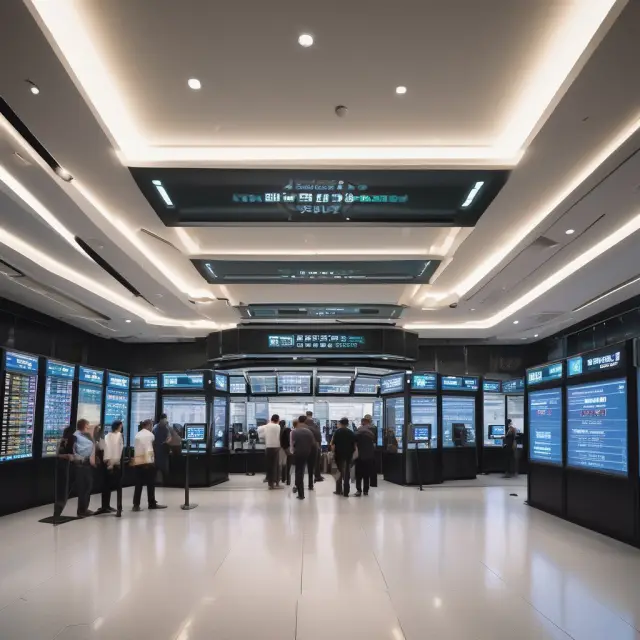
FAQs about Floor Trading
What Is a Floor Trader? A floor trader, also known as an individual liquidity provider or registered competitive trader, is an exchange member who executes transactions from the floor of the exchange for their own account. Historically, they used the open-outcry method in the pit, but now most have transitioned to electronic trading systems (ETS). Their role is vital as they provide liquidity and help narrow bid-ask spreads in commodity and stock markets.
What are the requirements for becoming a floor trader? To become a floor trader, you must pass a screening process with your exchange of choice. The National Futures Association (NFA) requires applicants to submit various forms, including Form 8-R completed online, fingerprint cards, proof of trading privileges from a contract market, and a non-refundable application fee of $85. Other exchanges may have different requirements.
Why do floor traders use electronic trading systems? Floor traders now rely on ETS because they are faster, more efficient, and often more cost-effective than traditional open-outcry methods. This shift to electronic trading has led many exchanges to close their trading floors altogether.
What is the difference between a floor trader, market maker, and broker? Floor traders provide liquidity in the pit and trade for their own account, while market makers offer liquidity by maintaining an inventory of securities or commodities. Brokers work on behalf of clients to execute trades. Depending on the exchange’s rules, a floor broker might be granted permission to trade for their own account alongside representing clients.
What is the future of floor trading? The future of floor trading is uncertain as electronic trading becomes more prevalent and faster. Some exchanges have closed their trading floors altogether due to the advantages of ETS. The 2020 crisis further intensified this trend, with several exchanges temporarily closing their floors in response to the pandemic. Despite these challenges, some argue that floor traders still hold value as human judgment can help in markets with high volatility and complex instruments.
How do floor traders make profits? Floor traders aim to profit by making accurate predictions about market movements and executing trades accordingly. Their primary motivation is their own financial gain, but they also contribute to providing liquidity and reducing bid-ask spreads.
Is being a floor trader risky? Yes, being a floor trader can be quite risky due to the high level of competition and volatility in commodity and stock markets. Additionally, floor traders must constantly monitor market conditions and have a deep understanding of the underlying instruments they are trading. This requires extensive knowledge, focus, and emotional control.
What is the open-outcry method? The open-outcry method was an auction system used on trading floors where traders shouted out their buy and sell orders to each other until a trade could be made. While this method was once common in commodity and stock markets, it has largely been replaced by electronic trading systems (ETS).
How can I learn more about floor trading? You can learn more about floor trading by reading books on the subject, attending seminars or workshops, networking with other traders, and taking courses at a reputable trading academy. Additionally, observing experienced floor traders in action and practicing using electronic trading systems can provide valuable insights.
 Next entry · No. 1,574The Process and Considerations for a Company’s Flotation: From Private to Public
See also
-
 No. 3,714
21 Apr 2025
22 min
Open: Understanding Open in Financial Markets and Its Significance
Markets
No. 3,714
21 Apr 2025
22 min
Open: Understanding Open in Financial Markets and Its Significance
Markets -
 No. 2,927
15 Feb 2025
20 min
Understanding Liquid Markets: Definition, Characteristics, and Advantages
Finance Policy
No. 2,927
15 Feb 2025
20 min
Understanding Liquid Markets: Definition, Characteristics, and Advantages
Finance Policy -
 No. 1,906
23 Nov 2024
20 min
Green Chip Stocks: Understanding Socially Responsible Investing in the Green Economy
Finance History
No. 1,906
23 Nov 2024
20 min
Green Chip Stocks: Understanding Socially Responsible Investing in the Green Economy
Finance History -
 No. 401
21 Apr 2024
22 min
Bernie Madoff: The Man Behind the Largest Ponzi Scheme in History
Finance History
No. 401
21 Apr 2024
22 min
Bernie Madoff: The Man Behind the Largest Ponzi Scheme in History
Finance History -
 No. 5,916
18 Oct 2025
18 min
Understanding Zombie Debt: A Guide for Professional Investors
Business Finance
No. 5,916
18 Oct 2025
18 min
Understanding Zombie Debt: A Guide for Professional Investors
Business Finance -
 No. 5,913
18 Oct 2025
21 min
Mastering the Zig Zag Indicator for Trend Identification and Filtering Noise in Finance
Financial Tools
No. 5,913
18 Oct 2025
21 min
Mastering the Zig Zag Indicator for Trend Identification and Filtering Noise in Finance
Financial Tools