The Role and Impact of the International Maritime Organization (IMO) on Global Shipping
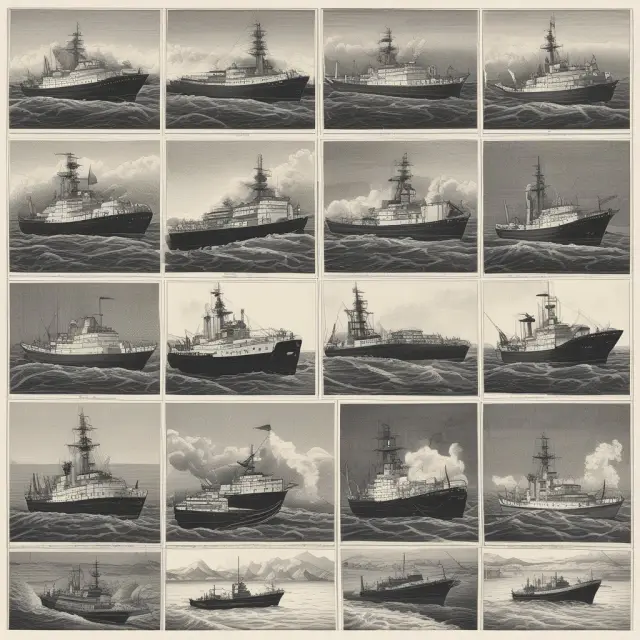
The Role and Impact of the International Maritime Organization (IMO): Origins, objectives, key conventions, governance, environmental protection…
Overview of IMO: Origins and Objectives
The International Maritime Organization (IMO) is a United Nations specialized agency, established in 1948, dedicated to improving the safety, security, and efficiency of international shipping while protecting the marine environment. With a mission to create a safer, secure, and sustainable maritime industry, IMO sets and implements mandatory international rules for ship design, construction, equipment, and operation, as well as regulations governing shipping practices.
The organization’s origins can be traced back to the aftermath of the Titanic disaster in 1912, which highlighted the need for international cooperation on maritime safety. Following this tragedy, several regional conventions were signed to address issues related to life-saving appliances and the construction and equipment of passenger ships. In response, the Inter-Governmental Maritime Consultative Organization (IMCO) was formed in 1948, which later evolved into the IMO in 1982 with the adoption of the United Nations Convention on the Law of the Sea.
Today, the International Maritime Organization has 175 member states and three associate members, representing nearly all nations worldwide. As a specialized agency under the auspices of the United Nations, IMO fosters international cooperation to tackle issues that can only be addressed through collective action. This includes safety at sea, marine environmental protection, legal matters, maritime traffic facilitation, and technical cooperation among member states.
IMO’s structure consists of the Assembly, Council, committees, and sub-committees. The governing body, the Assembly, is made up of representatives from all member countries, meeting every two years to address maritime issues. The Council, composed of elected members, acts as an executive body between sessions of the Assembly and is responsible for appointing the Secretary-General. Committees, such as the Maritime Safety Committee and Marine Environmental Protection Committee, play a key role in policy development and guidelines’ overhaul.
Some of the most influential IMO conventions include the International Convention for the Safety of Life at Sea (SOLAS), the International Convention on Standards of Training, Certification, and Watchkeeping for Seafarers (STCW), and the International Convention for the Prevention of Pollution from Ships (MARPOL). These treaties address various aspects of maritime safety, seafarer training, and marine environmental protection.
To ensure maritime regulations are implemented effectively, member states bear the responsibility to enforce them as national laws. However, IMO does provide support in monitoring compliance through audits. Funding for the organization comes from contributions by member states, voluntary donations, and commercial activities. The IMO’s strategic plan focuses on promoting safe, secure, efficient, and sustainable shipping while addressing climate change and implementing the United Nations 2030 Agenda for Sustainable Development.
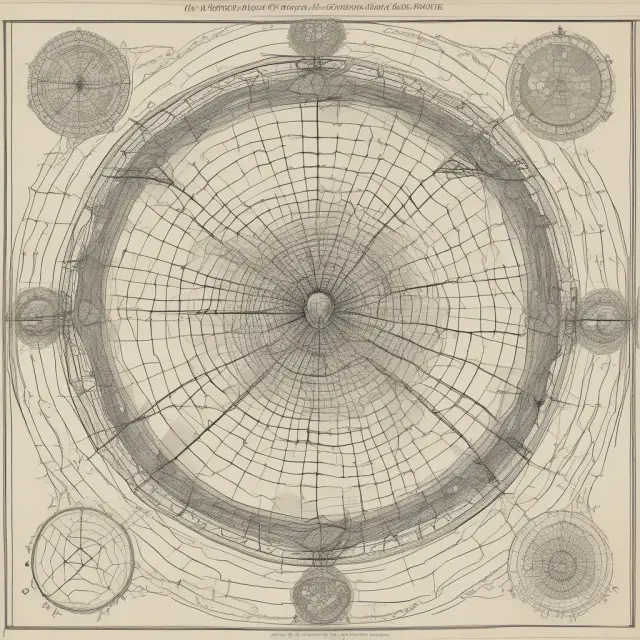
IMO’s Structure: Committees and Sub-Committees
The International Maritime Organization (IMO) is a global inter-governmental agency with the primary mandate to enhance the safety, security, and environmental performance of international shipping. The organization has an intricate structure consisting of various committees and sub-committees that work in unison to ensure the effective implementation of its objectives.
The IMO’s structure is composed of the Assembly, the Council, five main committees, and seven sub-committees. The primary function of the Assembly is to make policy decisions and approve the organization’s budget. The Council, elected by member states every two years, serves as an executive body and executes decisions between Assembly sessions.
The five main committees are as follows:
- Maritime Safety Committee (MSC): Responsible for developing and maintaining safety standards and guidelines for international shipping, including the International Convention for the Safety of Life at Sea (SOLAS).
- Marine Environmental Protection Committee (MEPC): Focused on preventing marine pollution from ships through various conventions like the International Convention for the Prevention of Pollution from Ships (MARPOL) and related amendments.
- Legal Committee: Deals with legal matters concerning international maritime law, including liability and compensation, and facilitates international shipping traffic.
- Technical Cooperation Committee (TCC): Fosters cooperation between member states in areas like training, research, and development to improve safety, security, and environmental performance of their respective shipping industries.
- Facilitation Committee: Streamlines international maritime traffic by developing and promoting simplification and harmonization of procedures and formalities for ships and ports.
Moreover, the seven sub-committees operate under these committees to focus on specific areas:
- Sub-Committee on Dangerous Goods (DSC): Handles regulations for transporting hazardous goods by sea.
- Sub-Committee on Carriage of Cargoes and Containers (CCC): Develops guidelines for the safe carriage and handling of various cargoes, including containers.
- Sub-Committee on Construction and Equipment (CE): Deals with the safety construction and equipment of ships, as well as the standards for ship design.
- Sub-Committee on Marine Environment Protection (MEP): Works on matters related to preventing pollution from ships in conjunction with MEPC.
- Sub-Committee on Navigation, Communications and Search and Rescue (NCSR): Addresses issues regarding marine navigation, communication systems, and search and rescue operations.
- Sub-Committee on Flag State Implementation (FSI): Ensures flag states effectively implement IMO policies and standards.
- Sub-Committee on Human Element Training and Watchkeeping (HTW): Promotes the development of training programs for seafarers to improve their skills and knowledge in handling various situations at sea.
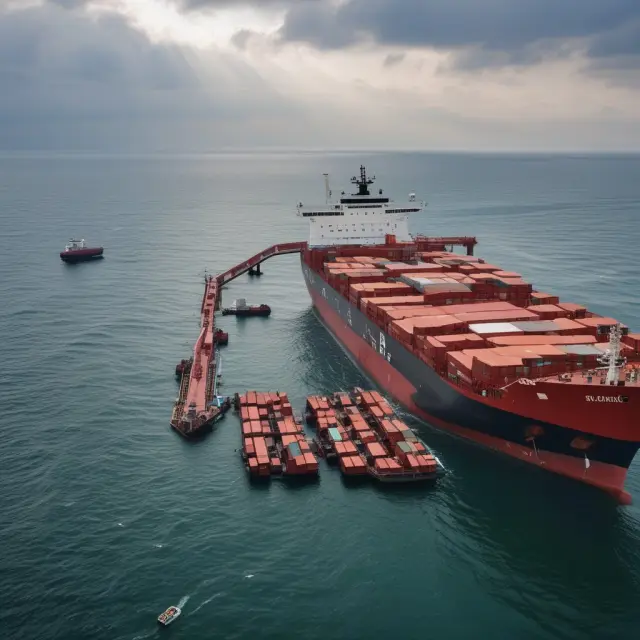
Key International Maritime Conventions
The role of the IMO extends to setting standards and creating international maritime conventions that are crucial for ensuring global shipping remains safe, secure, and efficient while minimizing environmental impact. This section will discuss some of the most influential international maritime conventions under the IMO umbrella, including SOLAS (Safety of Life at Sea), STCW (Standards of Training, Certification, and Watchkeeping for Seafarers), and MARPOL (International Convention for the Prevention of Pollution from Ships).
1. International Convention for the Safety of Life at Sea (SOLAS)
The International Convention for the Safety of Life at Sea (SOLAS), originally adopted in 1914, is widely regarded as the most crucial treaty concerning safety at sea. Its primary objective is to ensure that ships are constructed and maintained to ensure the safety of life at sea and prevent marine casualties. This convention has been updated several times throughout its history, with the latest amendments adopted in 2014. SOLAS covers various aspects, such as fire protection, lifesaving appliances, navigation systems, and radio communication.
2. International Convention on Standards of Training, Certification, and Watchkeeping for Seafarers (STCW)
The International Convention on Standards of Training, Certification, and Watchkeeping for Seafarers (STCW) was adopted in 1978 with subsequent amendments made in 1995. This convention is aimed at ensuring that seafarers possess the necessary training and certification to operate ships safely. It applies to all seagoing personnel on commercial vessels, irrespective of their rank or role. STCW covers various aspects such as professional competence, medical fitness, and safety procedures.
3. International Convention for the Prevention of Pollution from Ships (MARPOL)
The International Convention for the Prevention of Pollution from Ships (MARPOL), first adopted in 1973 with subsequent amendments in 1978 and 1997, is a critical international maritime convention focusing on preventing pollution caused by ships. MARPOL targets various sources of marine pollution, such as oil spills, hazardous chemicals, and sewage discharge from ships. The convention sets regulations for the construction, operation, and monitoring of ships to minimize their environmental impact while at sea.
These conventions have had a significant impact on global shipping, enhancing safety and environmental standards and setting the groundwork for a more sustainable future in maritime transportation.
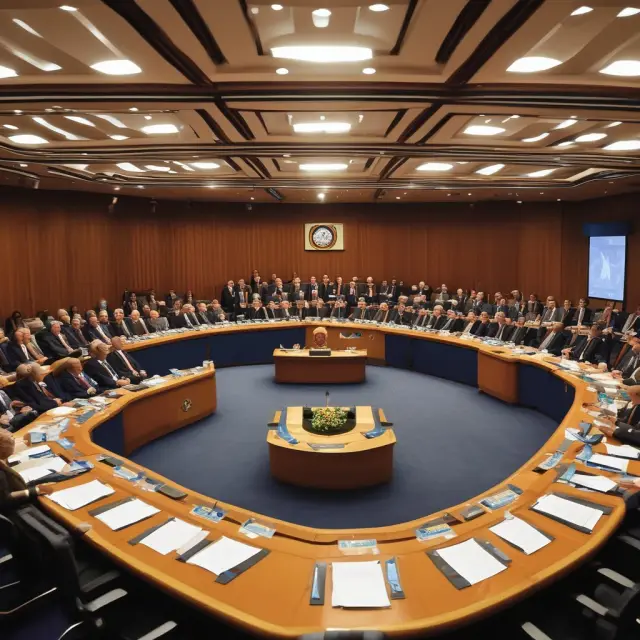
Governance and Financing Mechanisms
The International Maritime Organization (IMO) is a specialized agency of the United Nations that plays a crucial role in enhancing the safety, security, and environmental sustainability of international shipping. In order to effectively carry out its mandate, IMO relies on a robust governance structure and sound financial mechanisms. This section explores both aspects in detail.
Governance Mechanisms:
The primary governing body of the IMO is the Assembly, which meets every two years to discuss important issues related to international shipping and set strategic directions for the organization. The Council, elected by member states at two-year intervals, serves as an executive body between sessions of the Assembly and performs various functions, such as appointing the secretary-general.
There are five main committees within the IMO that handle specific areas of maritime regulation: Technical Cooperation Committee, Maritime Safety Committee, Marine Environmental Protection Committee, Legal Committee, and Facilitation Committee. These committees work on developing policies, setting rules, and updating guidelines to improve shipping standards. Furthermore, there are seven sub-committees operating under these committees for more specialized tasks.
Funding Mechanisms:
IMO’s operational costs are primarily funded through contributions from its member states. The organization also generates revenue from voluntary donations and commercial activities. These commercial activities include selling publications, hosting conferences, and providing training services. In addition, the IMO has established various trusts to support specific projects or initiatives.
An essential aspect of the IMO’s work is ensuring that all member states comply with its regulations. To this end, it offers a voluntary compliance verification program called the IMO Member State Audit Scheme. Launched in 2016, the scheme aims to assess and improve national implementation and enforcement of IMO conventions.
It’s important to note that while the IMO establishes international standards, it does not have the authority to enforce these regulations. Instead, member states are responsible for enforcing them domestically. The IMO acts as a facilitator and offers advice, guidance, and support to help countries meet their obligations effectively.
In conclusion, the IMO’s governance mechanisms and financing structures play essential roles in enabling the organization to effectively carry out its mandate of improving safety, security, and environmental sustainability in international shipping. Through collaborative efforts between member states, committees, sub-committees, and specialized programs like the Member State Audit Scheme, the IMO continues to push for progress in maritime regulation.
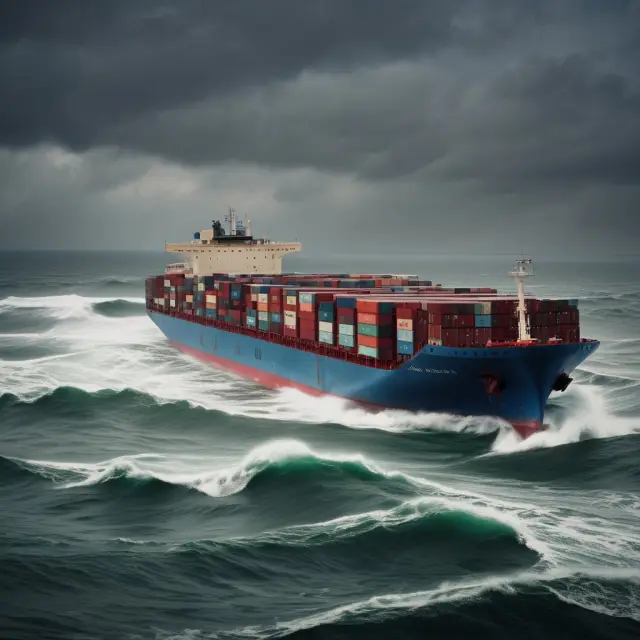
The Role of IMO in Environmental Protection
The International Maritime Organization (IMO) was established to ensure maritime safety and security while preventing pollution from ships. One of its primary objectives is environmental protection. This section will delve into how the IMO strives to maintain clean oceans through international conventions and collaborations with various stakeholders.
Marine Environmental Protection Committee: The IMO’s Marine Environmental Protection Committee (MEPC) plays a crucial role in implementing measures to minimize pollution from ships. It was established in 1973 under the International Convention for the Prevention of Pollution from Ships (MARPOL), an international treaty that sets standards for preventing marine pollution. Since its inception, MEPC has introduced numerous amendments and protocols to enhance MARPOL’s effectiveness.
International Maritime Organization Conventions: The IMO is responsible for several conventions designed to safeguard the environment from shipping activities. Among these are MARPOL (1973), the International Convention for the Safety of Life at Sea (SOLAS) (1914, updated in 1974), and the International Convention on Standards of Training, Certification, and Watchkeeping for Seafarers (STCW) (1978). These conventions address various aspects of shipping environmental sustainability, including oil spill prevention, ballast water management, sewage disposal, and emissions.
Collaboration with Stakeholders: The IMO engages in international cooperation to further its environmental mission. It works closely with governments, non-governmental organizations (NGOs), and intergovernmental organizations (IGOs). Some notable collaborators include the European Union, the United Nations Environment Programme (UNEP), and the World Maritime University. These partnerships facilitate knowledge sharing, policy development, and the implementation of sustainable shipping practices.
Prevention of Pollution: The IMO’s efforts to prevent marine pollution extend beyond its regulatory framework. It provides resources and guidance on best practices for minimizing pollution from ships through its publications and training programs. For example, the IMO has developed guidelines for preventing oil spills and managing emergency response plans. These measures help minimize the environmental impact of shipping activities while ensuring compliance with international regulations.
In conclusion, the International Maritime Organization plays a vital role in environmental protection by setting standards and implementing conventions to prevent marine pollution from ships. Its collaborative efforts with governments, NGOs, and IGOs further strengthen its ability to promote safe, secure, and sustainable shipping on clean oceans. As the global maritime industry evolves, the importance of the IMO in maintaining a healthy and vibrant marine environment only grows stronger.
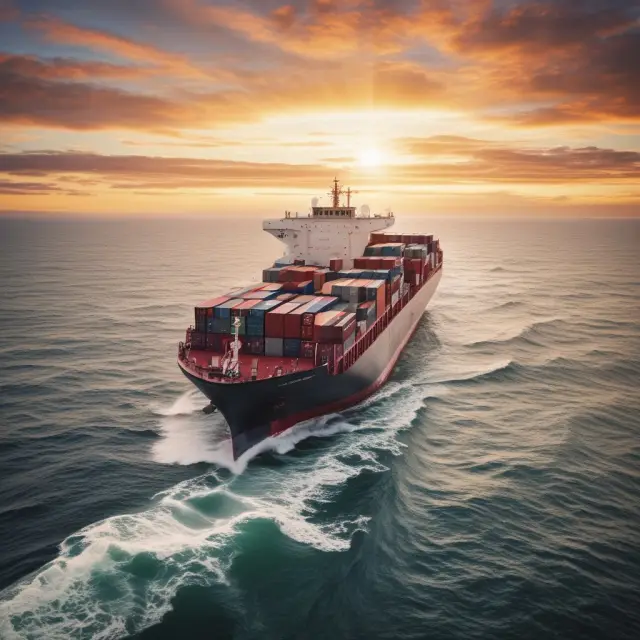
IMO’s Impact on Global Shipping Industry
The International Maritime Organization (IMO) has played an integral role in shaping the global shipping industry since its inception in 1948. Its influence is felt across a diverse range of areas, from safety and security to environmental protection, legal matters, and facilitation. Let’s take a closer look at how this specialized agency of the United Nations has impacted various aspects of the international shipping sector.
Safety and Security
The IMO has been instrumental in setting global standards for safety and security in shipping through conventions such as SOLAS, STCW, and MARPOL. These international treaties have established regulations covering everything from ship construction to crew training, ensuring that vessels adhere to a common set of safety requirements. As a result, the risk of accidents and incidents at sea has been significantly reduced.
Environmental Protection
The IMO’s efforts to prevent pollution from ships began with the adoption of MARPOL in 1973, which targeted oil spills. Subsequent amendments have expanded its scope to cover other forms of marine pollution, including harmful chemicals, ballast water, and underwater noise. By setting stringent standards for emissions and waste disposal, the IMO has played a crucial role in minimizing the environmental impact of shipping on our oceans.
Legal Matters
The IMO’s Legal Committee is responsible for addressing legal issues related to international shipping. It works to establish uniformity in maritime law by adopting conventions and recommendations on matters such as liability, compensation, and jurisdiction. These legal frameworks not only help protect the interests of shipowners but also provide a level playing field for all stakeholders involved.
Facilitation:
The IMO’s Facilitation Committee aims to simplify international maritime procedures, making it easier for ships to move through ports and waterways. By reducing administrative barriers, the organization streamlines global shipping operations, resulting in increased efficiency, cost savings, and a more interconnected world economy.
Regional Cooperation
The IMO’s role extends beyond its headquarters in London, as it works closely with regional organizations to promote maritime cooperation and coordination. Through partnerships with bodies like the European Maritime Safety Agency and the International Hydrographic Organization, the IMO ensures that best practices are shared and implemented at a regional level, further enhancing the overall safety and security of shipping worldwide.
In conclusion, the International Maritime Organization (IMO) has had a profound impact on the global shipping industry by setting standards for safety, security, environmental protection, legal matters, and facilitation. With its commitment to collaboration and continuous improvement, the organization continues to play an essential role in shaping the future of international maritime trade.
Compliance, Audits, and Enforcement
The International Maritime Organization (IMO) plays a pivotal role in ensuring the global shipping industry adheres to its regulations and guidelines through various mechanisms of compliance, audits, and enforcement. While IMO doesn’t enforce policies directly, it sets international maritime standards and relies on governments and port states to implement and enforce them.
One essential aspect of the organization’s mandate is carrying out inspections and audits of ships and ports to assess their compliance with set regulations. This process ensures that vessels meet the requirements for safety, security, and environmental protection as outlined in IMO conventions such as SOLAS (International Convention for the Safety of Life at Sea), STCW (International Convention on Standards of Training, Certification, and Watchkeeping for Seafarers), and MARPOL (International Convention for the Prevention of Pollution from Ships).
IMO’s member states are responsible for implementing these regulations at a national level. However, port states can also carry out inspections to ensure that ships entering their waters meet international standards. The Port State Control system is an essential tool for enforcing compliance with IMO regulations. The system allows port states to inspect foreign ships and enforce penalties if necessary.
Another crucial part of the compliance, audits, and enforcement mechanism is the IMO’s role in monitoring and addressing non-compliance. When a government does not effectively implement and enforce international maritime standards, the organization provides advice and assistance to help improve their performance. The IMO also maintains a list of substandard ships, known as the IMO’s List of Substandard Ships (the “Gray List” and “Black List”), which is publicly available.
In addition, the International Maritime Organization collaborates with various stakeholders to promote and enforce compliance with its regulations. These include:
- Flag States – Responsible for granting ships registration and issuing certificates based on IMO guidelines.
- Classification Societies – They inspect and classify ships based on international maritime standards.
- Port State Control – Inspect foreign vessels entering their ports to ensure compliance with international regulations.
- NGOs and Intergovernmental Organizations – Collaborate with the IMO in promoting and enforcing maritime regulations.
- Flag Detailing and Recognized Organizations – Conduct inspections and issue certificates for specific areas, such as safety management systems or life-saving appliances.
In conclusion, the International Maritime Organization plays a vital role in ensuring compliance with international maritime standards through its mechanisms of audits, inspections, and collaboration with various stakeholders. While not responsible for enforcing policies directly, IMO relies on governments to implement regulations at the national level and maintains a public list of substandard ships as an incentive to improve performance.
IMO’s Strategic Plan and Vision
The International Maritime Organization (IMO) has a strategic plan that sets out its mission, goals, and priorities for the next six years. This strategic direction is crucial in guiding the organization to create safe, secure, efficient, and sustainable shipping through cooperation between member states. In 2018, the IMO Assembly adopted the current strategic plan with a vision to support members in implementing the 2030 Agenda for Sustainable Development.
One of the most significant aspects of the IMO’s strategy is its commitment to respond to climate change. The organization acknowledges that maritime transport contributes around 2-3% of global greenhouse gas emissions and recognizes the need for action to reduce this impact. To achieve this, the IMO aims to enhance the energy efficiency of international shipping and promote the widespread use of alternative fuels.
Another primary objective of the organization is to address the challenges faced by small island developing states (SIDS) and least developed countries (LDCs). The IMO plans to strengthen their capacity in maritime administration, safety, and environmental regulation. To achieve this goal, the organization will provide technical assistance, training programs, and workshops tailored to these nations’ specific needs.
The strategic plan also emphasizes enhancing collaboration with other international organizations, NGOs, and stakeholders, including port authorities, shipping companies, and labor organizations. The IMO recognizes that working together is essential to achieve its mission of safe, secure, efficient, and sustainable shipping.
To measure the success of its work, the IMO has established performance indicators across various sectors, including safety, security, environmental protection, and technical cooperation. These indicators will be regularly reviewed and reported on in the organization’s annual reports.
By setting a clear strategic direction for the next six years, the IMO demonstrates its commitment to continuous improvement and adaptation to the evolving needs of the global maritime community. This vision aligns with the United Nations’ 2030 Agenda for Sustainable Development and emphasizes the importance of cooperation in creating a sustainable future for international shipping.
IMO and Stakeholder Engagement
The International Maritime Organization (IMO) does not operate in a vacuum; it depends on cooperation with various stakeholders to ensure effective implementation of its policies and conventions. In this section, we will discuss the role of non-governmental organizations (NGOs), intergovernmental organizations (IGOs), and IMO itself in collaborating on maritime policy.
Collaboration with NGOs
NGOs have played a crucial role in driving positive change within the IMO by providing expertise, raising awareness, and advocacy for various issues such as marine pollution and sustainability. With consultative status granted to 85 NGOs, they participate actively in committees and sub-committee meetings, contributing their knowledge and experience to the development of IMO’s policies and guidelines. Some well-known environmental organizations like Greenpeace and WWF are among those involved, ensuring that concerns for marine life and ecosystems are considered during decision-making processes.
Collaboration with Intergovernmental Organizations
The IMO also maintains a close working relationship with various intergovernmental organizations (IGOs) to strengthen its capacity and extend its reach. Sixty-six IGOs hold observer status at the IMO, which allows them to attend and contribute to meetings while not being members. Some prominent examples include the European Union, Council of Europe, and OPEC. These collaborations enable knowledge sharing, coordination on common objectives, and the establishment of a more cohesive framework for maritime governance.
IMO as a Stakeholder
The IMO itself is also an active stakeholder in various forums and partnerships to promote its mission and vision. It participates in numerous international events, such as the United Nations Framework Convention on Climate Change (UNFCCC), to advocate for maritime issues and engage with other organizations working towards sustainable development goals. The IMO’s role extends beyond its traditional mandate, as it strives to collaborate, learn, and adapt in a rapidly changing global context.
Conclusion:
In conclusion, the International Maritime Organization (IMO) recognizes that effective collaboration with various stakeholders is vital for addressing the complex challenges facing international shipping today. By working closely with NGOs and IGOs, the IMO strengthens its capacity to develop comprehensive policies, engage in advocacy efforts, and promote a more sustainable and secure maritime environment for all.
FAQ: Common Questions About the International Maritime Organization
The International Maritime Organization (IMO) is a vital UN agency responsible for enhancing the safety and security of international shipping while preventing marine pollution from ships. Below, we answer some common questions about this essential organization.
What Is the International Maritime Organization (IMO)?
The IMO is an international body established in 1948 under the aegis of the United Nations to improve maritime safety and efficiency, as well as prevent marine pollution from ships. It is currently headquartered in London, UK.
What Does the IMO Do?
IMO sets global standards for international shipping regulations, covering legal aspects, shipbuilding, and cargo dimensions. Its primary focus areas include promoting safe, secure, efficient, and environmentally friendly shipping through international cooperation. The organization plays a significant role in addressing marine environmental issues and reducing maritime accidents.
Who Belongs to the IMO?
As of 2023, the IMO boasts 175 member states and three associate members (Hong Kong, Macao, and the Faroe Islands). Additionally, it collaborates with over 85 NGOs and 66 intergovernmental organizations.
What Is the Role of the Assembly in the International Maritime Organization?
The IMO Assembly is the organization’s supreme body, consisting of representatives from all member states. It meets every two years to discuss and adopt policies, amendments, and budgetary matters. The Assembly establishes the strategic direction for the IMO.
What Is the Role of Committees in the International Maritime Organization?
Five main committees oversee various aspects of maritime regulation: Technical Co-operation Committee, Maritime Safety Committee, Marine Environmental Protection Committee, Legal Committee, and Facilitation Committee. Each committee develops policies and guidelines to ensure safe, efficient, and sustainable shipping practices.
What Are Some Key International Maritime Conventions?
Some essential IMO conventions include the International Convention for the Safety of Life at Sea (SOLAS), International Convention on Standards of Training, Certification, and Watchkeeping for Seafarers (STCW), and the International Convention for the Prevention of Pollution from Ships (MARPOL). These treaties establish important guidelines for shipping safety, crew competency, and environmental protection.
How Is the IMO Funded?
IMO financing comes primarily from member states’ contributions. Additionally, voluntary donations, commercial activities like hosting conferences and selling publications, and partnership agreements are essential revenue sources. The organization does not enforce its policies; it only sets the regulatory framework for member states to implement.
 Next entry · No. 2,467Understanding the Role and Impact of International Organization for Standardization (ISO) on Finance and Investment
See also
-
 No. 2,457
08 Jan 2025
20 min
Internal Controls: Mechanisms, Rules, and Procedures for Financial Reporting Integrity, Accountability, and Fraud Prevention
Business Finance
No. 2,457
08 Jan 2025
20 min
Internal Controls: Mechanisms, Rules, and Procedures for Financial Reporting Integrity, Accountability, and Fraud Prevention
Business Finance -
 No. 4,534
26 Jun 2025
20 min
Understanding Rule 10b5-1: Insiders’ Guide to Prearranged Trades
Business Finance
No. 4,534
26 Jun 2025
20 min
Understanding Rule 10b5-1: Insiders’ Guide to Prearranged Trades
Business Finance -
 No. 4,348
11 Jun 2025
18 min
Understanding Regulation O: Preventing Favorable Credit Extensions for Insiders in Banking
Regulations
No. 4,348
11 Jun 2025
18 min
Understanding Regulation O: Preventing Favorable Credit Extensions for Insiders in Banking
Regulations -
 No. 3,618
13 Apr 2025
20 min
Understanding the Occupational Safety and Health Act: History, Components, Enforcement, and Penalties
Business Strategy
No. 3,618
13 Apr 2025
20 min
Understanding the Occupational Safety and Health Act: History, Components, Enforcement, and Penalties
Business Strategy -
 No. 3,512
04 Apr 2025
20 min
Understanding Non-Securities: A Deep Dive into Alternative Investments Beyond Stocks and Bonds
Business Finance
No. 3,512
04 Apr 2025
20 min
Understanding Non-Securities: A Deep Dive into Alternative Investments Beyond Stocks and Bonds
Business Finance -
 No. 3,480
01 Apr 2025
19 min
Understanding Non-Objecting Beneficial Owners (NOBOs) in Securities: Definition, Importance, and Arguments
Business Finance
No. 3,480
01 Apr 2025
19 min
Understanding Non-Objecting Beneficial Owners (NOBOs) in Securities: Definition, Importance, and Arguments
Business Finance