Understanding the International Labour Organization (ILO): History, Structure, and Impact on Global Labor Standards
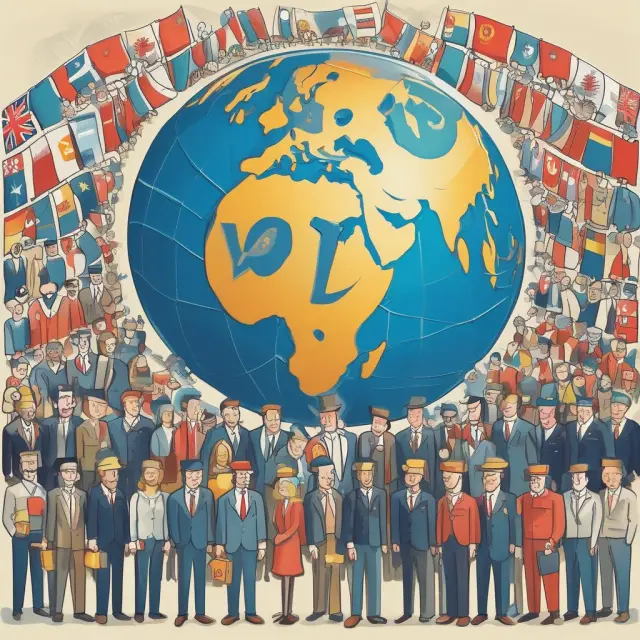
The International Labour Organization (ILO) is a United Nations specialized agency that brings together governments, employers and workers of 187 member states to set international labour standards and promote decent work. It was created in 1919 under the Treaty of Versailles and became a UN agency in 1946.
Introduction to the ILO
The International Labour Organization (ILO) is a significant player in international labor affairs, founded on February 16, 1919, under the League of Nations and integrated into the United Nations as a specialized agency in 1946. This unique organization has been dedicated to serving as a unifying force among governments, employers, and workers since its inception. Its ultimate mission is to promote social and economic justice by setting international labor standards and encouraging fair employment conditions worldwide. With approximately 40 field offices distributed across Africa, Latin America and the Caribbean, the Arab States, Asia and the Pacific, and Europe and Central Asia, the ILO is an essential global entity.
The history of the ILO began with the signing of its founding document, the Constitution of the International Labour Organization, by 42 nations in Washington, D.C., on February 16, 1919. The organization’s primary aim was to establish a tripartite relationship among governments, employers, and workers to address labor issues at the international level. This approach proved to be successful as the ILO grew, eventually becoming a specialized agency of the United Nations in 1946 following its adoption by the General Assembly of the U.N. on November 21, 1945.
Throughout its existence, the International Labour Organization has been recognized for improving fraternity and peace among nations, pursuing decent work and social justice for workers, and providing technical assistance to developing countries. In 1969, it was awarded the Nobel Peace Prize for these accomplishments.
The ILO’s impact on global labor standards is significant; the organization has adopted 190 international labor standards in the form of conventions and protocols, along with six protocols, which serve as legally binding international treaties ratified by member states. These essential instruments contribute significantly to international labor law. Some of the most notable fundamental conventions include those on freedom of association, protection of the right to organize, forced labor, minimum age, worst forms of child labor, and equal remuneration.
The ILO is governed by a three-tiered structure consisting of the International Labour Conference, Governing Body, and the International Labour Office. The annual International Labour Conference creates international labor standards through its adoption of conventions and recommendations, while the Governing Body serves as the executive council responsible for setting policy and budgets. Lastly, the permanent secretariat, known as the International Labour Office, administers the organization’s activities.
The ILO’s flagship programs include BetterWork, Building Special Protection Floors (SPFs) for All, Elimination of Child Labour and Forced Labour (IPEC+), and Safety + Health for All. These initiatives address a range of critical issues in the realm of fair employment conditions and global labor standards.
Overall, the International Labour Organization plays an indispensable role in promoting social justice and fair employment conditions worldwide. Its influence on international labor law and its dedication to addressing various pressing issues have made it an essential resource for governments, employers, workers, and researchers.
ILO’s Structure: Governing Bodies and Secretariat
The International Labour Organization (ILO) is a unique tripartite agency of the United Nations, uniting governments, employers, and workers. Its mission lies in setting international labor standards to ensure decent work for all, promoting rights and dignity at work, and fostering social justice. Understanding the ILO’s structure sheds light on its functioning as a global governance body that creates and maintains these standards.
The ILO comprises three primary bodies: the International Labour Conference (ILC), the Governing Body (GB), and the International Labour Office (ILO). These entities work together to develop, adopt, implement, and oversee international labor standards. Let’s delve deeper into each of these bodies.
1. International Labour Conference (ILC)
The ILC is the supreme body of the organization. Held annually in Geneva, Switzerland, this conference brings together representatives from member states, employer organizations, and worker organizations to discuss labor issues, debate proposed standards, and adopt conventions and recommendations. The ILC also elects the members of the Governing Body for a four-year term.
2. Governing Body (GB)
The GB is the executive body of the ILO. It is responsible for supervising the implementation of international labor standards, approving the organization’s budget, and making decisions on policy matters between sessions of the International Labour Conference. The GB consists of 28 members: 14 government representatives, seven employer representatives, and seven worker representatives.
3. International Labour Office (ILO)
The ILO serves as the permanent secretariat of the organization and plays a crucial role in implementing international labor standards. The office is headed by the Director-General and employs experts and staff who work on research, policy analysis, capacity-building projects, and technical cooperation with member states. The ILO also maintains an extensive research database and publishes a wide range of reports and studies to inform policy decisions.
In conclusion, the ILO’s structure is designed to ensure that governments, employers, and workers collaborate effectively in creating and enforcing international labor standards. By understanding this tripartite system, we gain a deeper appreciation for how the organization has influenced the global labor landscape and continues to promote social justice and decent work for all.
International Labor Standards: Conventions & Protocols
The International Labour Organization (ILO) is renowned for its contribution to international labor law through the adoption of conventions and protocols. These legal instruments, which include both conventions and protocols as well as recommendations, establish fundamental principles and rights at work. They come in two forms: legally binding international treaties ratified by member states or nonbinding guidelines.
The ILO’s founding principle is to improve working conditions and promote fair labor standards through an intergovernmental cooperation framework that brings together governments, employers, and workers. The organization’s conventions and protocols have played a pivotal role in shaping international labor law since its inception.
There are 185 ILO members as of 2023. These countries commit to respecting and implementing the organization’s labor standards once they ratify them at the national level. The conventions and protocols cover various aspects of work, including freedom of association, child labor, forced labor, minimum wages, and non-discrimination in employment and occupation.
Eight fundamental conventions serve as the cornerstone of international labor law:
- Freedom of Association and Protection of the Right to Organize Convention (No. 87), 1948: This convention safeguards the right for workers to form unions and engage in collective bargaining with employers.
- Right to Organise and Collective Bargaining Convention (No. 98), 1949: It stipulates that governments should encourage and facilitate the formation of trade unions, allowing them to negotiate collective agreements.
- Forced Labour Convention (No. 29), 1930: This convention prohibits forced or compulsory labor, except as punishment for a crime committed.
- Abolition of Forced Labour Convention (No. 105), 1957: It strengthened the prohibition on forced labor by defining it more broadly to include any work exacted under threat of penalty or retaliation.
- Minimum Age Convention (No. 138), 1973: This convention sets a minimum age for admission to employment, recognizing that children under a certain age are better off in school rather than at work.
- Worst Forms of Child Labour Convention (No. 182), 1999: It aims to eliminate all forms of child labor that are the most exploitative and hazardous for children, while acknowledging the need for a gradual transition from child labor to free compulsory education.
- Equal Remuneration Convention (No. 100), 1951: This convention requires equal pay for male and female workers performing equal work, regardless of their sex.
- Discrimination (Employment and Occupation) Convention (No. 111), 1958: It prohibits discrimination in employment based on race, colour, sex, religion, political opinion, national extraction, or social origin.
In addition to these fundamental conventions, four governance conventions support the functioning of the international labor standards system: Labour Inspection Convention (No. 81), Employment Policy Convention (No. 122), Labour Inspection (Agriculture) Convention (No. 129), and Tripartite Consultation (International Labour Standards) Convention (No. 144).
These conventions and protocols serve as a cornerstone of international labor law and continue to be instrumental in shaping the global labor landscape.

ILO’s Flagship Programmes: BetterWork, Building Special Protection Floors (SPFs), Elimination of Child Labour and Forced Labour (IPEC+), and Safety + Health for All
The ILO has five flagship programs designed to enhance the efficiency and impact of its development cooperation with constituents on a global scale. These initiatives aim to address significant labor issues through collaborative efforts between governments, employers, workers, and other stakeholders. Let’s delve deeper into each program:
1. BetterWork: A collaboration between the ILO and the World Bank Group’s International Finance Corporation (IFC), this project focuses on improving working conditions within garment and footwear factories. The objective is to establish lasting improvements in working conditions rather than just temporary fixes, with a primary emphasis on eight countries across three continents. By implementing better work practices, factories can expect more productive businesses, greater profits, and an overall positive impact for all involved – workers, managers, countries, and consumers.
2. Building Special Protection Floors (SPFs) for All: Launched in 2016, this program’s long-term goal is to extend social protection systems to the five billion people without access or living with only partial coverage. The ILO aims to achieve this by providing support to governments, employers’ and workers’ confederations, and civil society organizations in 21 countries. As a part of this initiative, the organization aspires to change the lives of 130 million people by 2020 through the establishment of comprehensive social protection systems and the execution of a global knowledge development and education campaign.
3. Elimination of Child Labour and Forced Labour (IPEC+): With approximately 152 million children performing child labor, 40 million men, women, and children in modern slavery, 24.9 million people in forced labor, and 15.4 million people in forced marriages, the IPEC+ program was established to tackle these pressing issues. This program collaborates with governments, employers, and workers to strengthen technical and governance capacity, encourage effective engagement among constituents and other stakeholders, and significantly expand knowledge and policy-oriented advice and information. The goals are ambitious: eliminate child labor by 2025 and end forced labor and human trafficking by 2030, aligning with the U.N.’s 2030 Sustainable Development Agenda.
4. Safety + Health for All: Originally named Global Action for Prevention on Occupational Safety and Health (GAP-OSH), this program was created to improve the health and safety of workers in small and medium-sized enterprises through fostering a global culture of prevention. Active since 2016, it has been operational in 15 countries and globally. According to the ILO, 2.78 million workers die each year from work-related injuries and illnesses and 374 million more suffer nonfatal injuries – emphasizing the need for comprehensive safety and health measures.
These flagship programs are pivotal components of the International Labour Organization’s efforts to improve working conditions, extend social protection to those in need, eliminate child labor, forced labor, and modern slavery, and promote occupational safety and health for workers worldwide.
The Impact of ILO Conventions & Protocols: Understanding Their Role in International Labor Law
The International Labour Organization (ILO) has set international labor standards through the adoption of conventions and protocols. These treaties, once ratified by member states, become legally binding components of international labor law. The impact of these agreements is significant; they have helped shape a global framework for workers’ rights and social justice. In this section, we will discuss the eight fundamental ILO conventions and their contributions to international labor law.
The eight fundamental ILO conventions address crucial issues such as freedom of association, collective bargaining, forced labor, child labor, discrimination, and equal remuneration. These conventions have influenced the development of national labor laws and have served as a foundation for international labor standards. Let’s take a closer look at each convention:
1. Freedom of Association and Protection of the Right to Organise Convention (No. 87), 1948: This convention recognizes the right of workers to form and join trade unions, as well as their right to collective bargaining with employers. The establishment of free associations allows workers to negotiate better wages, working conditions, and employment rights collectively, ensuring fairer labor practices.
2. Right to Organise and Collective Bargaining Convention (No. 98), 1949: Building on the previous convention, this agreement reinforces the right to form trade unions and engage in collective bargaining with employers. It is essential for workers to have a platform where they can discuss their concerns, demands, and interests with employers. Collective bargaining provides workers with an effective means of advocating for their rights and securing better employment terms.
3. Forced Labour Convention (No. 29), 1930: This convention is dedicated to the abolition of forced labor in all its forms, including bonded, indentured servitude, forced or compulsory labor, and human trafficking. By setting an international standard against these practices, the ILO aims to prevent workers from being exploited and subjected to inhumane working conditions.
4. Abolition of Forced Labour Convention (No. 105), 1957: This convention focuses on eliminating forced labor in all its forms, particularly in countries where it is endemic or widespread. The agreement requires ratifying governments to enact laws and regulations that penalize and prevent the use of forced labor.
5. Minimum Age Convention (No. 138), 1973: This convention aims to protect children from exploitation by setting a minimum age for employment, which varies depending on the nature and type of work. The agreement recognizes that young people need education, protection, and opportunities to develop in ways that will contribute positively to their future personal growth and development.
6. Worst Forms of Child Labour Convention (No. 182), 1999: Building upon the Minimum Age Convention, this agreement sets a global standard against the worst forms of child labor, including hazardous work, forced labor, or work that interferes with children’s education, health, or development.
7. Equal Remuneration Convention (No. 100), 1951: This convention emphasizes the importance of equal remuneration for male and female workers performing equivalent work under similar conditions. The agreement helps to eliminate pay disparities between genders and promotes greater gender equality in employment and wages.
8. Discrimination (Employment and Occupation) Convention (No. 111), 1958: This convention prohibits discrimination in employment and occupation on the basis of race, color, sex, religion, political opinion, national extraction, or social origin. It aims to ensure that workers are treated fairly, regardless of their backgrounds, and that they have equal opportunities for employment and career advancement.
The impact of these eight fundamental conventions can be felt around the world. They form a strong foundation for international labor law and inspire similar regulations in national labor laws. These agreements help to promote fair labor practices, social justice, and equality at workplaces worldwide. By creating a framework for workers’ rights, the ILO has enabled millions of people to gain better wages, improved working conditions, and fairer employment opportunities.
In conclusion, the conventions and protocols of the International Labour Organization (ILO) have played a vital role in shaping international labor law. The eight fundamental conventions on freedom of association, collective bargaining, forced labor, child labor, discrimination, and equal remuneration continue to be influential in setting standards for fair employment practices and promoting social justice globally.
ILO’s History: Milestones & Timeline
The International Labour Organization (ILO) is a United Nations (U.N.) agency that has been advancing social and economic justice by setting international labor standards since its founding in 1919. Originally established under the League of Nations, it became a U.N. specialized agency in 1946. The organization’s history is marked by significant milestones, including its transformation from the first and oldest specialized agency of the U.N., to a uniting force among governments, employers, and workers.
In 1919, the ILO was founded at the Peace Conference in Paris after intense negotiations between labor leaders, industrialists, and statesmen who saw the need for an international body to address the working conditions of the time. The organization’s emphasis on promoting freedom, equity, security, and dignity through employment echoed the ideals of social justice that were gaining momentum during this period.
The ILO’s role in shaping international labor standards has been instrumental, with its conventions and protocols serving as a significant contributor to international labor law. These legal instruments create basic principles and rights at work, taking the form of either conventions or protocols. The organization’s 190 conventions and six protocols have played a crucial role in setting standards on issues such as freedom of association and protection of the right to organize, forced labor, minimum age, equal remuneration, and discrimination in employment and occupation.
One notable achievement for the ILO came in 1969 when it was awarded the Nobel Peace Prize for its efforts in improving fraternity and peace among nations and promoting decent work and justice for workers, as well as providing technical assistance to developing countries. This recognition further solidified the ILO’s position as a leading voice on international labor issues.
Over the years, the organization has undergone numerous transformations in response to evolving global conditions, expanding its focus to include emerging labor concerns such as gig economy workers and technological advancements. With its headquarters in Geneva, Switzerland, and field offices around the world, the ILO continues its mission to ensure accessible, productive, and sustainable work worldwide.
The Role of ILO in Promoting Social Justice: Achievements & Challenges
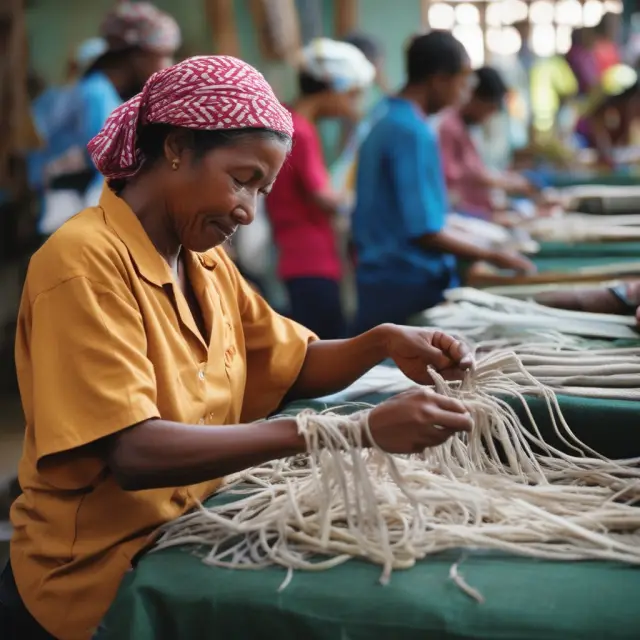
Since its establishment in 1919, the International Labour Organization (ILO) has been a leading force in advocating for social justice and fair labor practices across the globe. With a mission to improve working conditions and ensure decent work for all, ILO’s achievements have significantly impacted the lives of millions of workers worldwide.
One of ILO’s most significant accomplishments is the adoption and ratification of international labor standards. These legal instruments, in the form of conventions and protocols, set basic principles and rights at work and contribute to shaping international labor law. Notable examples include the eight fundamental conventions focusing on freedom of association and collective bargaining, abolition of forced labor, elimination of child labor, and equal remuneration for work of equal value. These standards have been ratified by member states, providing a legal framework for decent working conditions and human dignity in employment.
In addition to its international labor standards, the ILO has launched various flagship programs aimed at addressing pressing labor issues and enhancing the organization’s development cooperation with constituents on a global scale. These include:
- BetterWork: A collaboration with the World Bank Group’s International Finance Corporation focused on improving working conditions in garment and footwear industries, emphasizing lasting improvements for factories, workers, and businesses alike.
- Building Special Protection Floors (SPFs) for All: An initiative launched in 2016 aimed at extending social protection to the five billion people lacking coverage or living without it, with a goal of transforming lives and changing national systems and practices to support comprehensive social protection for all.
- International Programme on the Elimination of Child Labour and Forced Labour (IPEC+): A consolidation of two older programs targeting child labor and forced labor, collaborating with governments, employers, workers, and other stakeholders to create transformative change in public institutions, laws, and practices to eliminate these scourges.
- Safety + Health for All: Originally known as the Global Action for Prevention on Occupational Safety and Health (GAP-OSH), this program fosters a global culture of prevention by improving the health and safety of workers in small and medium-sized enterprises (SMEs) and promoting a comprehensive approach to occupational safety and health.
These programs demonstrate ILO’s commitment to addressing contemporary labor challenges and have made significant strides towards creating decent work for all and promoting social justice across the globe. However, challenges persist. The organization continues to face criticisms regarding the enforcement and effectiveness of its international labor standards and the need to balance competing interests among governments, employers, and workers. Nevertheless, the ILO remains a crucial player in shaping global labor norms and striving for a world where all work is dignified and rewarding.
Criticisms & Controversies Surrounding the ILO: Challenges & Limitations
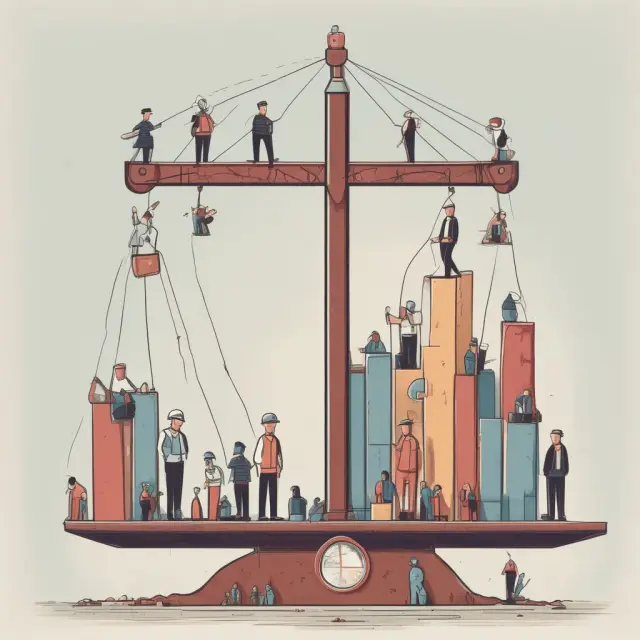
Since its inception, the International Labour Organization (ILO) has faced criticisms on various fronts. Some of these criticisms include issues related to enforcement and effectiveness, as well as balancing competing interests among governments, employers, and workers.
Firstly, critics argue that ILO conventions and protocols are not effectively enforced due to weak national laws or limited resources for monitoring and implementation. While some member states prioritize implementing international labor standards, others face challenges in doing so, particularly those with limited financial and technical resources. In these situations, the ILO relies on peer pressure from other member states and civil society organizations to encourage compliance.
Secondly, critics argue that the ILO does not adequately address power imbalances between governments, employers, and workers. The organization’s tripartite structure, which includes representatives from governments, employers, and workers, is intended to balance these interests. However, some believe this system favors governments and powerful employers over the less influential workers. To address this, the ILO has implemented measures such as the Tripartite Consultation (International Labour Standards) Convention, 1976 (No. 144), which encourages active involvement of civil society organizations in setting international labor standards.
Thirdly, critics argue that the ILO’s focus on conventions and protocols may limit its impact due to their voluntary nature and the need for ratification by member states. In response, the organization has also developed Recommendations, which provide non-legally binding guidelines for implementing international labor standards. Furthermore, the ILO has focused on capacity building and technical cooperation to help countries better understand and apply international labor standards.
Finally, critics argue that the ILO should address emerging issues in the modern labor market, such as the gig economy and technological advancements, more effectively. The organization has taken steps to respond to these concerns, launching initiatives like the BetterWork program to improve working conditions in the garment industry and addressing the challenges of the digital economy through a Global Commission on the Future of Work.
In conclusion, while the ILO’s role as a key contributor to international labor law is undeniable, it also faces challenges in enforcing its conventions, balancing competing interests, and adapting to emerging issues. Continued efforts from member states, employers, workers, civil society organizations, and the ILO itself will be necessary for the organization to remain relevant and effective in promoting social justice and decent work worldwide.
ILO’s Future: Innovation & Adaptability
The International Labour Organization (ILO) has a rich history of setting international labor standards, dating back to its founding in 1919. As the global landscape continues to evolve, it is crucial for the ILO to adapt and innovate to address emerging challenges. In this section, we will explore how the ILO’s focus on innovation drives progress towards decent work for all and its approach to addressing modern labor issues.
Embracing Technology: The Future of Work
The digital revolution has brought about numerous changes in the world of work, including the emergence of the gig economy and non-standard employment arrangements. To address these challenges, the ILO has launched initiatives such as the Global Commission on the Future of Work, which focuses on shaping the future of work by analyzing trends, proposing new solutions, and advocating for policy changes. The commission’s recommendations will be presented at the 107th International Labour Conference in June 2022.
Furthermore, the ILO has acknowledged the potential of technology to improve working conditions, increase efficiency, and provide new opportunities for employment. With a growing number of member states seeking guidance on adopting digital technologies, the organization has developed various resources to help governments, employers, and workers navigate this evolving landscape.
Adapting to Emerging Labor Issues: Gig Economy & Forced Labour
The gig economy represents a significant shift in employment patterns, with growing numbers of people participating in flexible, freelance, or platform work arrangements. While this trend offers potential benefits such as flexibility and increased autonomy, it also presents challenges related to workers’ rights, labor regulations, and social protection. The ILO aims to address these issues through its ongoing research on the gig economy, collaboration with stakeholders, and advocacy efforts.
Forced labour remains a pressing issue that affects millions of people worldwide. The organization has recognized this challenge and is committed to eradicating it by strengthening the implementation and enforcement of international labor standards. In 2017, the ILO launched the Global Flagship Programme on Building Special Protection Floors for All, which aims to extend social protection to those who lack access to essential services. The program focuses on addressing forced labor in agricultural work, domestic work, construction, and other sectors where it is most prevalent.
Staying Relevant: Collaboration & Partnerships
To maintain its relevance and effectiveness, the ILO relies on collaboration and partnerships with various stakeholders. This includes governments, employers, workers, civil society organizations, and international organizations such as the World Bank, the European Union, and the United Nations Development Programme (UNDP). These partnerships enable the organization to expand its reach, increase resources, and share expertise and knowledge in addressing global labor issues.
As the ILO looks towards the future, it remains committed to its mission of advancing social and economic justice through international labor standards. By adapting to emerging challenges, embracing technology, and collaborating with various stakeholders, the organization continues to make significant strides in promoting decent work for all.
In conclusion, the International Labour Organization (ILO) has a long-standing reputation as an influential force in shaping international labor standards. Its dedication to addressing emerging issues, such as the gig economy and forced labor, while adapting to technological advancements, positions it well to make a meaningful impact on the world of work for generations to come.

FAQs on the International Labour Organization (ILO)
1. What is the International Labour Organization (ILO)? The ILO, established in 1919, is an agency of the United Nations (U.N.) that sets international labor standards to promote social and economic justice. It does this by bringing together governments, employers, and workers through conventions and protocols.
2. When was the International Labour Organization founded? The ILO was founded in 1919 under the League of Nations and became a U.N. specialized agency in 1946.
3. What is the role of the International Labour Conference? It is the main deliberative body of the ILO where international labor standards are established through conventions and protocols.
4. What are the three main bodies of the ILO? The International Labour Conference, the Governing Body, and the International Labour Office.
5. How many international labor standards has the ILO adopted? As of 2023, there have been 187 member states ratifying a total of 194 conventions, protocols, recommendations, and supervisory procedures.
6. What are fundamental conventions in the context of the ILO? The eight fundamental conventions serve as the foundation for all other international labor standards. They cover topics like freedom of association, non-discrimination, minimum wage, and child labor.
7. What is the role of the Governing Body in the ILO? It serves as the executive council, deciding the organization’s policy, budget, and other matters.
8. What is a flagship program of the ILO? These are initiatives designed to enhance the efficiency and impact of development cooperation with constituents on a global scale. Examples include BetterWork, Building Special Protection Floors (SPFs) for All, Elimination of Child Labour and Forced Labour (IPEC+), and Safety + Health for All.
9. What is the International Labour Organization’s role in promoting social justice? The ILO sets international labor standards that aim to ensure fair working conditions, access to social protection, and eliminate forced labor and child labor. It also provides training, technical cooperation, analyzes labor statistics, and holds events and conferences.
10. What is the significance of the Nobel Peace Prize for the ILO? The organization received the Nobel Peace Prize in 1969 for improving fraternity and peace among nations, pursuing decent work and social justice, and providing technical assistance to developing nations.
 Next entry · No. 2,466The Role and Impact of the International Maritime Organization (IMO) on Global Shipping
See also
-
 No. 4,478
22 Jun 2025
25 min
Right-to-Work Laws: Understanding Their Impact on Labor Unions and Employment
Business Strategy
No. 4,478
22 Jun 2025
25 min
Right-to-Work Laws: Understanding Their Impact on Labor Unions and Employment
Business Strategy -
 No. 3,644
15 Apr 2025
18 min
Understanding Official Strikes: Legal Protections, Collective Bargaining, and Historical Examples
Business Strategy
No. 3,644
15 Apr 2025
18 min
Understanding Official Strikes: Legal Protections, Collective Bargaining, and Historical Examples
Business Strategy -
 No. 2,748
01 Feb 2025
21 min
Understanding the Role, History, and Significance of Labor Unions in the United States
Business Strategy
No. 2,748
01 Feb 2025
21 min
Understanding the Role, History, and Significance of Labor Unions in the United States
Business Strategy -
 No. 2,485
10 Jan 2025
20 min
Inventory Management: Balancing the Risks of Gluts and Shortages through JIT, MRP, EOQ, and DSI
Business Strategy
No. 2,485
10 Jan 2025
20 min
Inventory Management: Balancing the Risks of Gluts and Shortages through JIT, MRP, EOQ, and DSI
Business Strategy -
 No. 2,481
09 Jan 2025
19 min
Understanding Intrapreneurship: Empowering Employees as Entrepreneurs Within Organizations
Business Strategy
No. 2,481
09 Jan 2025
19 min
Understanding Intrapreneurship: Empowering Employees as Entrepreneurs Within Organizations
Business Strategy -
 No. 2,471
09 Jan 2025
20 min
Mastering Interpersonal Skills in the World of Finance and Investment: A Comprehensive Guide for Institutional Investors
Business Strategy
No. 2,471
09 Jan 2025
20 min
Mastering Interpersonal Skills in the World of Finance and Investment: A Comprehensive Guide for Institutional Investors
Business Strategy